Max Verstappen Critical of F1’s Fastest Lap Bonus Point Rule
Red Bull Racing star Max Verstappen shares his firm skepticism regarding the Formula 1 rule that awards a bonus point for setting the fastest lap during a Grand Prix. The Dutch driver believes this particular regulation, reintroduced in the 2019 season, fundamentally disadvantages midfield teams while offering an undue advantage to the sport’s leading contenders.
The Return of the Fastest Lap Bonus Point: Intent vs. Reality
The concept of granting an additional championship point for the fastest lap in a race is not novel to Formula 1. This rule, which last featured prominently over six decades ago, made its comeback at the outset of the 2019 season. The primary objective behind its reintroduction was to infuse an extra layer of strategic depth and excitement into races, encouraging drivers to push for ultimate pace even when their main race positions seemed secure. However, a crucial condition accompanies this bonus: the point is only awarded if the driver who sets the fastest lap ultimately finishes within the top 10 positions. This stipulation was designed to prevent drivers outside the points from making a late, inconsequential pit stop solely to claim the point without having truly competed for it.
Despite its noble intentions to reward peak performance and strategic thinking, Max Verstappen contends that the practical application of this rule has deviated significantly from its intended purpose. He argues that instead of leveling the playing field or enhancing overall competitiveness, it has inadvertently become another tool for the sport’s already dominant teams to further extend their advantage.
Verstappen’s Core Argument: Unfair Advantage for Top Teams
Verstappen’s criticism centers on what he perceives as an inherent structural imbalance perpetuated by the fastest lap rule, particularly benefiting the top three or four teams in the Constructors’ Championship. He highlights that these elite teams consistently maintain a substantial performance gap over the rest of the grid, which grants them a strategic luxury unavailable to their midfield counterparts. “The problem is that most of the time the top three teams, one of their cars will have an issue at one point or it’s just a bit slower and they can always then pit because the gap behind is so big,” the Red Bull driver explained. This ‘free pit stop’ scenario allows a driver from a front-running team to swap to fresh, soft compound tyres in the closing stages of a race without risking a significant loss of track position. This calculated move transforms the pursuit of the fastest lap into an almost risk-free acquisition of an additional championship point.
Verstappen further elaborated on the cumulative effect this has on the championship standings: “It just makes the gap to the teams behind even bigger if you keep adding a point to the top teams.” For a team battling desperately for sixth or seventh place, attempting a similar strategy by sacrificing track position for a fastest lap endeavor is an extremely high-risk gamble, often leading to the loss of hard-earned points entirely. In contrast, for a driver from a top team comfortably holding a podium or near-podium position, a late pit stop for new tyres is a strategic manoeuvre with minimal downside, serving to reinforce their championship lead and widen the chasm between them and their nearest competitors. Verstappen firmly believes that this aspect undermines the rule’s supposed goal of fostering more competitive and engaging racing.
Strategic Implications and Disparity Across the Grid
The young Dutch driver also pointed out the significant disparity in how this rule impacts different segments of the Formula 1 grid. “I don’t see the benefit of it because as soon as one of the top two is taking the point, the guy in sixth is pitting too, and that particular team is not getting the point,” Verstappen remarked. This statement succinctly illustrates the challenging predicament faced by midfield teams. If a top team successfully executes a fastest lap strategy, any midfield driver contemplating a similar move, without the safety net of a considerable gap, risks jeopardizing their hard-won points-paying position. The risk-reward calculation is drastically different. A driver from a less competitive team might feel compelled to make a similar pit stop, not to secure the bonus point, but merely to defend against the possibility of others gaining it, thereby incurring unnecessary costs and tyre wear without the same potential benefit.
This dynamic ensures that the fastest lap point often remains an exclusive prize for those already dominating the front of the grid, rather than serving as a genuine incentive for broader competition across the field. It can be argued that this creates a two-tiered strategic system where options are dictated more by a team’s overall performance advantage than by pure race craft or direct on-track battles. Instead of promoting closer racing and exciting finishes, Verstappen maintains that the rule primarily reinforces the existing pecking order and widens competitive gaps.
Real-World Examples: Leclerc in Azerbaijan, Gasly in China
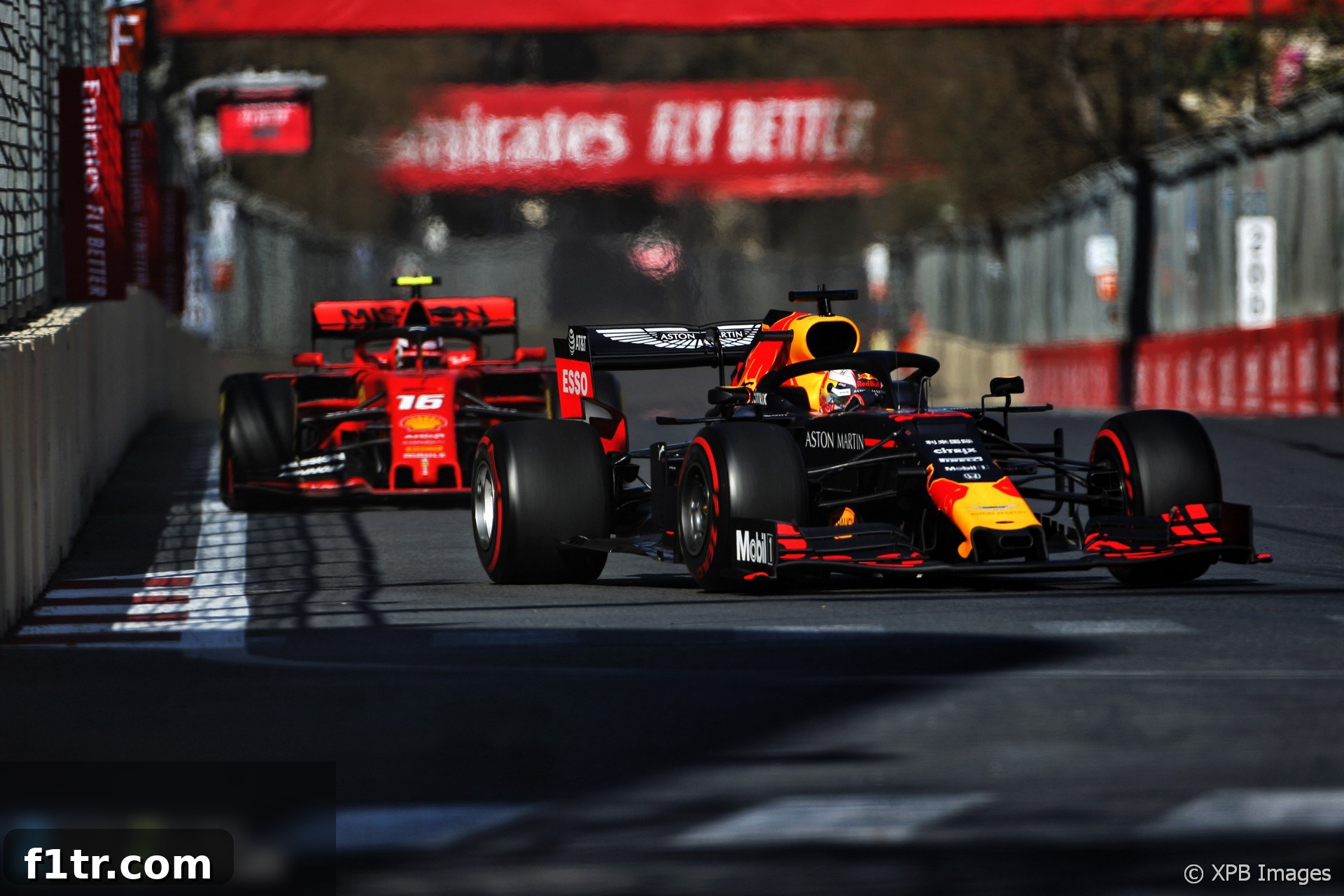
Verstappen’s criticisms are not merely theoretical; they are grounded in tangible race scenarios observed during the 2019 Formula 1 season. A notable instance occurred at the Azerbaijan Grand Prix. During this event, Charles Leclerc, behind the wheel of his Ferrari, found himself in an ideal position to exploit the fastest lap rule. Having established a substantial lead over the cars trailing him, Leclerc was afforded the luxury of making a ‘free’ pit stop in the race’s closing stages. This allowed him to enter the pits, switch to a fresh set of softer compound tyres, and rejoin the track without losing his comfortable position. Equipped with new tyres, he then unleashed the full potential of his engine, pushing it into a qualifying-like mode for a single lap. His efforts were successful, securing the fastest lap of the race and the invaluable extra championship point. Ironically, Verstappen himself was among those challenging for the fastest lap at that moment, only to see his attempts nullified by Leclerc’s perfectly executed strategy, a move made possible by Ferrari’s superior pace and the resulting strategic buffer.
Similarly, Verstappen’s then-team mate, Pierre Gasly, employed analogous tactics to claim the fastest lap point at the Chinese Grand Prix earlier in the same season. Gasly, like Leclerc, had built a sufficient gap to the car behind him, granting him the strategic freedom to make a late-race pit stop for new tyres without jeopardizing his points-paying position. This shrewd strategic decision enabled him to maximize performance on fresh rubber and snatch the bonus point. These real-world examples unequivocally support Verstappen’s assertion: the fastest lap rule is predominantly exploited by teams possessing enough performance margin to execute such strategies without penalty, thereby inadvertently widening the competitive chasm rather than fostering closer racing.
The Broader Debate: Does the Rule Enhance the Spectacle?
The reintroduction of the fastest lap point was primarily conceived as a means to enhance the spectacle of Formula 1. The underlying hope was that drivers, even those no longer contending for a podium finish, would be incentivized to push harder in the final laps, potentially creating exciting, last-gasp skirmishes for that solitary bonus point. From one perspective, it undeniably adds an element of unpredictability to race endings, compelling teams to constantly monitor lap times and make rapid-fire strategic decisions regarding tyre changes. This can, at times, lead to unexpected turns of events or at least keep race strategists on high alert.
However, Verstappen’s perspective brings to light a significant counter-argument. While the rule might add a layer of complexity for the strategists of top teams, it rarely translates into genuinely thrilling wheel-to-wheel on-track action for the fastest lap itself. More often, it involves a solitary car making a strategic pit stop and then driving a fast lap in isolation, devoid of direct competition. The core thrill of competitive racing, characterized by close battles and overtakes, is largely absent from this particular pursuit. Furthermore, if the benefits are almost exclusively reaped by the front-runners, it arguably exacerbates the competitive imbalance already present in the sport, making it even more challenging for midfield teams to bridge the performance gap.
Potential Future Adjustments and the Quest for Fairness
Max Verstappen’s outspoken opposition inevitably raises pertinent questions about the long-term viability and inherent fairness of the current fastest lap rule. While the rule itself appears straightforward, its practical application within the contemporary Formula 1 competitive landscape is anything but simple. Critics frequently propose modifications that could render the rule more equitable, such as awarding the point only if the driver sets the fastest lap without making an additional pit stop specifically for tyres. Another suggestion is to make the bonus contingent on finishing within a certain percentage of the race winner’s time, rather than simply being in the top 10. A more radical proposal might involve allocating the point to the fastest driver not affiliated with the top two or three dominant teams, thereby genuinely incentivizing the midfield.
Ultimately, the ongoing debate surrounding the fastest lap bonus point is an integral part of a broader conversation within Formula 1 regarding how best to foster genuine competition and uphold sporting integrity. As the sport continuously seeks innovative ways to enhance the show for its global fanbase, regulations like this will always be subject to intense scrutiny and re-evaluation. Max Verstappen’s strong and consistent stance serves as a potent reminder that what might appear to be a minor addition to the rulebook can, in fact, have profound and sometimes divisive strategic implications across the entire grid.
Conclusion: A Rule Under Persistent Scrutiny
In conclusion, Max Verstappen remains a prominent and articulate voice among those who approach Formula 1’s fastest lap bonus point rule with considerable skepticism. His arguments are compelling, effectively highlighting how the rule, despite its initial intention to inject excitement, primarily serves to reinforce the dominance of the sport’s leading teams. By allowing for ‘free pit stops’ for fresh tyres, it grants an almost unfair strategic advantage to those already at the forefront, making it exceedingly difficult for midfield competitors to genuinely challenge for this additional championship point without incurring significant and often prohibitive risk. As Formula 1 continues to evolve its regulatory framework, the efficacy, fairness, and overall impact of the fastest lap bonus point will undoubtedly remain a topic of intense discussion and potential reconsideration, particularly among drivers like Verstappen who champion a truly balanced and meritocratic competitive environment.