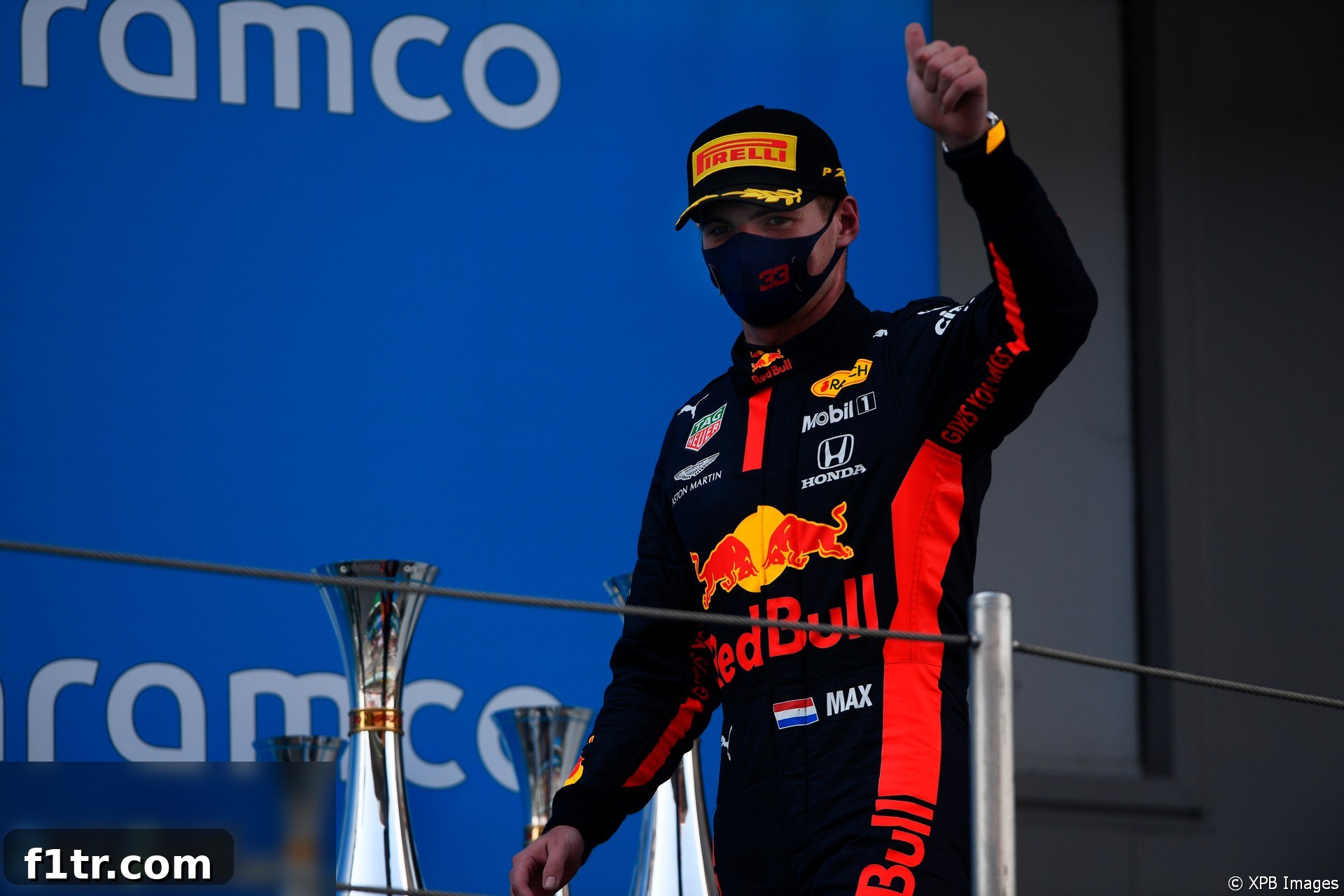
In the demanding world of Formula 1, where speed, precision, and endurance are paramount, the human element often pushes the very limits. As the sport embarked on its third consecutive triple-header of races, a compressed schedule necessitated by unprecedented global circumstances, Max Verstappen, one of its brightest stars, voiced a growing concern that teams and personnel were reaching the absolute brink of their capabilities. This intense period of racing, with three Grands Prix held on successive weekends, places immense strain not just on the cars, but crucially, on the dedicated individuals who make the sport possible.
Navigating the Demands: Max Verstappen on F1’s Triple-Headers
The 2020 Formula 1 season presented a unique challenge, requiring an overhauled calendar to salvage a championship amid global disruptions. This led to an condensed schedule featuring multiple “triple-headers” – three race weekends back-to-back – a format that, while thrilling for fans, creates a relentless pace for those behind the scenes. Max Verstappen, known for his candid assessments, shared his perspective on these grueling periods, acknowledging the necessity for now but expressing a clear desire for a different approach in the future. He conceded that, for the moment, the intense schedule was manageable, especially following the extended break earlier in the year that allowed for recuperation. However, he voiced strong reservations about this becoming a regular feature of the F1 calendar.
“I think for the moment it’s fine. We had a long break before. I don’t see this happening well, hopefully, next year, where you keep doing triple-headers. I think that’s a bit too much. If you can make sure that… two weekends in a row, I think that’s OK. Having a week break in between is fine.
But of course, we have to accept that at the moment, we need to get the races in. So we just try to do the best we can. I think we have three triple-headers in a row. That’s pretty much, I think, the limit.”
Verstappen’s comments highlight a critical balance that Formula 1 must strike: delivering an exciting racing spectacle while safeguarding the well-being of its workforce. A double-header, two races in succession, appears to be the accepted threshold for sustainable intensity. The additional third race in a triple-header, however, pushes teams into an area of extreme fatigue, impacting mechanics, engineers, logistics personnel, and even drivers. The sheer volume of travel, setup, dismantling, and re-setup, combined with the pressure of performance, can lead to burnout and potential errors. While necessary for the extraordinary circumstances of the 2020 season, his remarks serve as a valuable indicator for future calendar planning, emphasizing that human endurance has its boundaries, even in a sport synonymous with pushing limits.
Quotes: Dieter Rencken
Advert | Become a RaceFans supporter andgo ad-free
Social Media Buzz: From Pranks to Personality
In the fast-paced world of motorsport, social media offers fans a unique, unfiltered glimpse into the lives of drivers and teams, connecting them to the personalities behind the helmets. It’s a platform where everything from race insights to humorous behind-the-scenes moments can go viral, fostering a sense of community and engagement that traditional media often can’t replicate. Drivers often share their thoughts, frustrations, and lighter moments, giving fans a more holistic view of their lives beyond the track.
So here’s the thing about pranks in the @IMS bus lot…the list of potential culprits can be extensive. But one thing is for certain, once I find out who it is, payback is going to be a painful lesson. pic.twitter.com/HdjiCN3aUc
— Alexander Rossi (@AlexanderRossi) August 19, 2020
One notable post that caught the eye came from IndyCar star Alexander Rossi, who took to Twitter to express his playful indignation over a prank in the @IMS (Indianapolis Motor Speedway) bus lot. Rossi’s tweet, a blend of humor and a promise of “painful payback,” resonated with fans, showcasing the camaraderie and lighthearted rivalries that often exist away from the competitive glare of the circuit. Such posts humanize the athletes, making them more relatable to their audience and adding another layer of entertainment to the sport. Whether it’s a driver sharing training updates, a team revealing a new livery, or a playful jab between competitors, social media has become an indispensable tool for motorsport communication and fan interaction.
Beyond tweets, platforms like Instagram offer visual storytelling, with drivers and teams sharing high-quality photos and videos of their experiences, both on and off the track. A recent Instagram post, for instance, https://www.instagram.com/p/CEEJrfrIjgS/, likely offered another curated glimpse into the motorsport world, perhaps a stunning race photo, a candid moment with teammates, or an update on preparations. These visual narratives are crucial for engaging a broader audience and building brand loyalty.
- For fans eager to connect further with their favorite teams and drivers, the F1 Twitter Directory provides a comprehensive guide to official accounts, ensuring you stay updated with every twist and turn of the season.
Exploring the Motorsport World: Key Updates and Insights
Beyond the immediate headlines of Formula 1, the wider world of motorsport continues to deliver a wealth of intriguing stories, significant developments, and important discussions. From driver market movements in electrifying single-seater championships to the inspiring resilience of racing legends and critical conversations about diversity and sustainability, the racing community is a vibrant ecosystem of innovation and human endeavor. Here’s a round-up of some of the most compelling links and news from across the globe:
Advert | Become a Supporter & go ad-free
Alexander Sims joins Mahindra (Mahindra)
The electric motorsport series, Formula E, continues to attract top talent and witness significant driver market shifts. Alexander Sims, a respected name in the racing world, has officially joined Mahindra Racing, a move that signals the team’s ambitions for the upcoming season. This transfer marks a new chapter for Sims, who brings valuable experience to the squad. Concurrently, Mahindra Racing also confirmed the departure of Jerome D’Ambrosio, who will not be continuing with the team into season seven. Driver changes are a fundamental aspect of Formula E, often leading to renewed team dynamics and fresh competitive landscapes as teams strive for the optimal combination of speed and consistency.
Zanardi shows ‘significant improvement’ after road accident, say doctors (BBC)
The indomitable spirit of Alex Zanardi continues to inspire the global motorsport community. The Paralympic champion and former Formula 1 driver, who suffered a severe road accident in June, has shown “significant clinical improvements” during his time in intensive care, according to doctors. Zanardi’s journey has been one of extraordinary resilience, from his miraculous recovery after a devastating IndyCar accident that cost him both legs, to his subsequent success as a handcyclist at the Paralympic Games. His ongoing battle for recovery has garnered immense support from fans and peers worldwide, serving as a powerful testament to the human spirit’s capacity to overcome adversity, both on and off the track. The updates on his health offer a beacon of hope for his continued rehabilitation.
String qualifying run helps Indy 500 fans get to know Palou (IndyCar)
The Indianapolis 500, often dubbed “The Greatest Spectacle in Racing,” is a monumental event where new stars can emerge. A strong qualifying performance can be career-defining, instantly elevating a driver’s profile. Alex Palou, a rising talent in IndyCar, made a memorable impression with his impressive qualifying run, which not only showcased his raw speed but also allowed fans to connect with his personality. His candid admission, “I was not really a Fernando fan. I know he is one of the best drivers in the world, but I’ve never been like a kid watching Fernando. I don’t know why,” offered a refreshing dose of honesty. In a world where drivers often express universal admiration for legends, Palou’s frankness about his personal preferences resonated, allowing fans to get to know the authentic individual behind the wheel, rather than a manufactured persona. Such genuine moments are crucial for building a strong fanbase.
Spanish GP Debrief with Pierre Gasly and Daniil Kvyat (AlphaTauri via YouTube)
Teams like AlphaTauri regularly engage with fans through various digital platforms, providing deeper insights into their operations. Post-race debriefs are a staple of motorsport analysis, offering drivers the opportunity to reflect on their performance, strategy, and the car’s behavior. This particular video features Pierre Gasly and Daniil Kvyat, AlphaTauri’s dynamic driver pairing, as they break down their Spanish Grand Prix experience. Such content is invaluable for fans, providing a transparent look at the challenges and triumphs faced during a race weekend. It offers technical insights, strategic nuances, and personal reflections directly from the drivers, enhancing the viewing experience and deepening understanding of the sport’s complexities. YouTube has become a primary channel for F1 teams to share this kind of engaging, educational, and often entertaining content.
Franco Morbidelli talks sports and social issues (Cycle World)
The influence of top athletes extends far beyond their chosen sport, often encompassing social and ethical issues. MotoGP rider Franco Morbidelli’s reflections on his interaction with Formula 1 superstar Lewis Hamilton highlight this broader role. Morbidelli, who met Hamilton during the celebrated vehicle swap between Hamilton and Valentino Rossi, was deeply impressed by the six-time world champion’s character. He remarked, “Lewis is more than a driver, he is an ambassador of values.” This sentiment underscores Hamilton’s increasing prominence as a voice for diversity, equality, and social justice within and outside of motorsport. Their conversation, touching on sports and social issues, signifies a growing awareness and commitment among leading athletes to use their platforms for positive change, aligning with initiatives like Formula 1’s “We Race As One” campaign.
Opinion: Formula 1 has raced beyond its old homophobia (Openly)
Formula 1, like many global sports, has faced a historical reckoning with issues of diversity and inclusion. An insightful opinion piece from Openly discusses how the sport has evolved beyond its past shortcomings, particularly regarding homophobia. While acknowledging that progress is an ongoing journey, and referencing a stark anecdote from the past where a driver used derogatory language, the article argues for a significant shift in F1’s culture and values. Modern Formula 1 actively promotes inclusivity, with initiatives aimed at creating a more welcoming and accepting environment for everyone, regardless of background or sexual orientation. This evolution is vital for the sport’s continued growth and relevance in a diverse global society, demonstrating a commitment to fostering respect and equality throughout its ranks and among its fanbase.
We always endeavour to credit original sources. If you have a tip for a link to feature in the next RaceFans round-up please send it in via the contact form.
Advert | Become a RaceFans supporter andgo ad-free
Debating the Future of Green Motorsport: Hydrogen vs. Batteries
The drive towards sustainable mobility is profoundly impacting motorsport, prompting intense debate about the most viable “green” technologies for racing and beyond. The recent announcement of a new racing series for hydrogen-powered cars has ignited discussions, with opinions divided on its potential as a true alternative to established electric power. This ongoing conversation highlights the complexities of transitioning to cleaner energy sources in high-performance applications, where efficiency, range, and infrastructure are critical factors.
Hydrogen is the least efficient of the ‘green’ fuels with massive energy loss through the conversions. Battery power is here to stay.
However, I do see hydrogen with a strong future in long-haul applications; particularly road (and even rail) freight. Here in Australia, long-haul trucks clock up over 1,000 kilometres every day of the week. It would take some pretty insane battery density to meet that goal—hydrogen certainly seems the more logical choice.
Rhys Lloyd (@justrhysism)
As Rhys Lloyd (@justrhysism) astutely points out in today’s featured comment, the efficiency argument often favors battery electric vehicles (BEVs) for many applications, citing the significant energy losses inherent in the hydrogen production and conversion process. For smaller, lighter vehicles and shorter distances, battery technology currently offers a more direct and energy-efficient pathway. Formula E stands as a prime example of successful battery-electric motorsport, showcasing its capabilities on urban circuits.
However, Lloyd also highlights a crucial niche where hydrogen technology holds considerable promise: long-haul heavy transport. For applications like road and rail freight, where vehicles cover vast distances daily, the current limitations of battery weight, charging times, and energy density present significant hurdles. For trucks regularly exceeding 1,000 kilometers, the sheer scale of battery required becomes impractical, impacting payload capacity and operational efficiency. In such scenarios, hydrogen fuel cells, offering quicker refueling times and a potentially lighter energy storage solution for extended ranges, emerge as a more logical and practical choice. The new hydrogen car series will undoubtedly serve as a crucial testing ground, pushing the boundaries of this technology in a competitive environment and providing valuable data that could inform its broader adoption in various sectors.
RaceFans Community Celebrations!
A very happy birthday goes out to our valued RaceFans community members: Woffin, Kozo.Higashi, and Strontium! We hope you have a fantastic day filled with celebration and all things motorsport.
If you’d like a birthday shout-out on RaceFans, be sure to let us know your birth date via the contact form, or by adding your details to our dedicated list here. Your participation makes our community truly special!
On This Day in F1 History: Istanbul Park Debut Pole
- Exactly 15 years ago today, the charismatic “Iceman,” Kimi Raikkonen, demonstrated his raw speed and mastery by securing pole position for the inaugural Turkish Grand Prix. This momentous qualifying session took place at the spectacular Istanbul Park circuit, a Tilke-designed track renowned for its challenging corners, particularly the iconic multi-apex Turn 8. Raikkonen’s pole position marked a significant moment for both the driver and the new venue, setting the stage for what would become a popular addition to the Formula 1 calendar known for its exciting racing and unique layout.