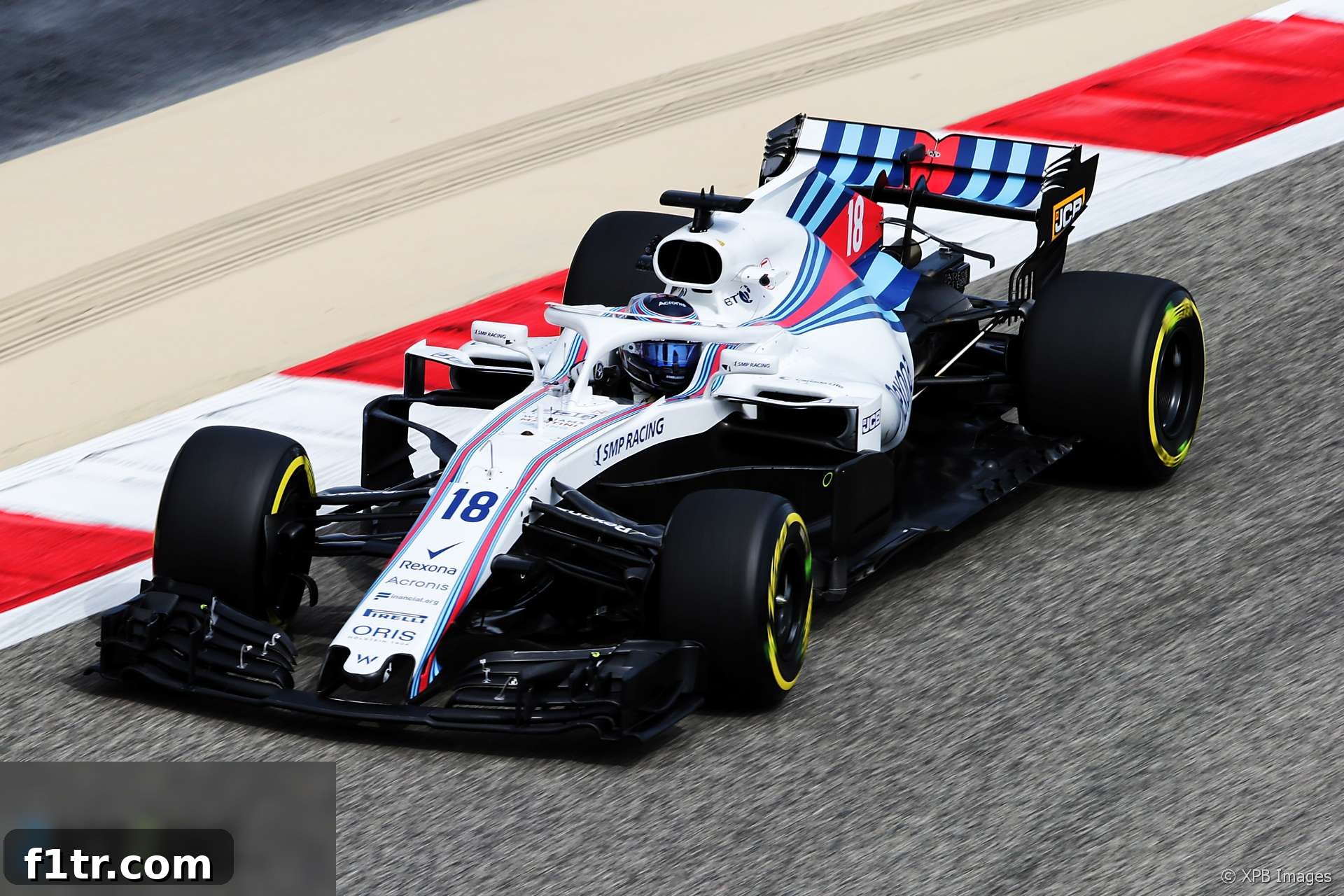
Williams F1 Finds Lifeline in Liberty Media’s 2021 Reforms: A New Era for Sustainable Competition
A Pivotal Shift for Formula 1’s Economic Landscape
For decades, the pinnacle of motorsport, Formula 1, has grappled with an inherent financial imbalance, creating a widening chasm between its lavishly funded manufacturer teams and the more modestly resourced independent outfits. This enduring disparity has frequently placed immense pressure on historic privateer teams, threatening their very existence despite their invaluable contributions to the sport’s heritage and competitive spirit. It was against this backdrop that Liberty Media, the commercial rights holder of Formula 1, embarked on a mission to redefine the sport’s economic and regulatory framework. Their highly anticipated proposals for the 2021 season and beyond, unveiled to teams in Bahrain, promised a significant overhaul designed to foster greater financial equity and competitive balance across the grid.
For one of Formula 1’s most iconic and storied independent teams, Williams Racing, these comprehensive proposals were met with an overwhelming sense of relief and optimism. Claire Williams, then serving as the deputy team principal, emerged from the critical team meeting expressing profound positivity, signaling a potentially transformative shift for the Grove-based squad. Her sentiments echoed the long-standing aspirations of many within the paddock who had tirelessly advocated for a more sustainable and equitable economic model for the sport, one that would safeguard the future of teams like Williams.
Claire Williams’ Unprecedented Optimism: Securing Williams’ Long-Term Future
Following the presentation of Liberty Media’s blueprint for the future, Claire Williams shared her profoundly positive reaction with the gathered media, articulating a deep sense of security and renewed hope. “I was extremely positive about today’s meeting,” Williams stated with conviction. “I think we hoped for change under our new management and today they’ve presented change. For a team like ours, based on what they’ve presented, it was an extremely good day for us.” This direct and enthusiastic statement encapsulates the immediate relief felt within the Williams camp, a team that, despite its illustrious past adorned with multiple championships, had found itself increasingly struggling to keep pace financially and competitively in a rapidly evolving F1 landscape.
The sheer magnitude of this moment for Williams was further underscored by her vivid commentary. “I came back thinking let’s crack open some champagne because from our perspective if we can get these new regulations and if FOM do everything that they presented this morning then from our perspective I know that Williams’ future is safe.” This was far more than a statement of mere satisfaction; it was an unequivocal affirmation of long-term security in the face of previously daunting financial realities. While she was quick to clarify that the team was not “on the brink” of immediate collapse, Williams candidly acknowledged the precarious position independent teams had occupied within the existing structure. She highlighted that the prevailing financial disparity between teams meant “the likelihood of Williams’ survival in the medium to long-term was bleak.” Such an honest and stark assessment from a leader of a prominent team illuminated the critical and urgent need for the proposed reforms to ensure the enduring presence of historic teams like Williams in Formula 1.
The Cornerstones of Change: Revenue Redistribution and the F1 Cost Cap
Leveling the Financial Playing Field Through Equitable Revenue Sharing
At the very heart of Liberty Media’s transformative proposals were two fundamental and eagerly anticipated changes: a comprehensive overhaul of Formula 1’s revenue distribution model and the pioneering introduction of a stringent cost cap. For independent teams like Williams, these elements represented the precise measures they had been advocating for over many years. The previous commercial agreements within the sport often resulted in a disproportionate share of Formula 1’s considerable earnings being directed towards the most successful and historically significant teams. This established a self-perpetuating cycle of financial advantage for the elite few, making it exceedingly difficult for smaller teams to bridge the gap.
A fairer and more equitable revenue redistribution model aims to rectify this historical imbalance by ensuring that prize money and commercial rights income are spread more broadly and justly across the entire grid. This implies that even teams finishing lower down the constructors’ championship standings would receive a more substantial and meaningful share of the sport’s income, providing them with enhanced resources to strategically invest in critical areas such as development, infrastructure upgrades, and the recruitment of top talent. For an independent team operating on tight margins, every additional dollar of revenue can be absolutely critical, potentially enabling them to significantly reduce the performance gap and compete far more effectively against their wealthier, factory-backed rivals.
The Revolutionary Impact of the Formula 1 Cost Cap
Perhaps even more significant and groundbreaking than revenue redistribution was the proposal for a mandated cost cap. This concept, which had been the subject of extensive discussion and debate for years but frequently met with resistance from many top teams, represents a truly radical paradigm shift in Formula 1’s economic model. A budget cap places an upper limit on the total amount of money teams are permitted to spend on their racing operations each year. While certain expenditures like marketing activities, driver salaries, and some historic asset costs are typically excluded, the primary objective is to curb the spiraling, unsustainable expenses that have long plagued the sport, making it increasingly unaffordable for many participants and fueling an escalating “arms race” of spending among the front-running teams.
For smaller teams, a well-implemented cost cap offers an unprecedented opportunity to truly compete. It fundamentally restricts the ability of manufacturer-backed giants to simply outspend their way to victory, thereby compelling all teams to become more efficient, more innovative, and more strategic in their allocation of resources. This fosters a genuinely more level playing field where engineering ingenuity, operational excellence, and clever design solutions become paramount, rather than being overshadowed by sheer financial muscle. Claire Williams articulated this sentiment perfectly, stating: “So everything that they presented from revenue redistribution to cost cap is absolutely everything we want to see from 2021 and beyond. I’m personally delighted at the proposals they laid down.” Her profound delight stemmed from the clear recognition that these pivotal measures would directly address the core financial challenges that had imperiled Williams’ long-term viability and competitiveness.
Navigating the Political Landscape: Winners, Losers, and the Art of Compromise
While Williams’ reaction to the proposed 2021 regulations was overwhelmingly positive and unequivocal, it was clear that not all teams within the Formula 1 paddock would necessarily share the same enthusiastic sentiment. Formula 1 operates as a complex and dynamic ecosystem of diverse interests, and any significant regulatory change invariably creates “winners and losers.” When Claire Williams was probed about the potential reactions from other influential teams, particularly established giants like Ferrari, she acknowledged this inherent reality with pragmatic insight and a clear understanding of the sport’s intricate political landscape.
“I’m sure some people aren’t going to be very happy, if you know the intricacies of that meeting,” she remarked, hinting at the differing agendas, historical advantages, and vested interests that permeate the upper echelons of the sport. Teams that had historically benefited immensely from the existing financial structure, such as those receiving preferential “heritage” payments or possessing virtually unlimited budgets, would naturally view proposals like a strict cost cap and a fairer revenue distribution model with considerable apprehension, if not outright opposition. For these established powerhouses, such profound changes could easily be perceived as a direct curtailment of their long-held competitive advantage and historical privileges.
However, Williams also sagely emphasized the broader imperative for the sport’s overall health and enduring appeal: “There’s always going to be winners and losers in this situation and sometimes it’s about compromise if we’re to protect the future health of this sport.” This highlights a crucial and often challenging aspect of Formula 1 governance: the absolute necessity for collective agreement, consensus-building, and a willingness among all stakeholders to compromise for the greater good of the spectacle. While Claire Williams could only speak for her own team’s distinctly positive outlook, her nuanced understanding of the political dynamics underscored the delicate balance and intricate negotiations required to successfully implement such sweeping, transformative reforms across the entire sport.
Securing a Storied Legacy: Williams’ Vision for Decades of Competition
For Claire Williams, the proposed changes transcended mere immediate survival; they were fundamentally about securing the long-term legacy and future aspirations of a team deeply steeped in Formula 1’s rich racing history. Founded by the legendary Sir Frank Williams, the team has been an enduring fixture in Formula 1 for decades, achieving multiple constructors’ and drivers’ championships and etching its name into the annals of motorsport greatness. The very idea that such a prestigious and historically significant team could face an uncertain future served as a stark and sobering reminder of the sport’s often brutal financial realities.
With the new regulations firmly on the horizon, Williams saw a clear and viable path forward, offering a renewed sense of purpose. “If their proposal is blueprinted then it does protect the survival of Williams. At the end of the day that’s all that matters to me,” she asserted with unequivocal conviction. This directness revealed the core, driving motivation behind her fervent support: ensuring that the Williams name continues to not only compete but to thrive and prosper in Formula 1 for generations to come. Beyond mere survival, the proposals offered the genuine hope of renewed and sustained competitiveness. Claire Williams articulated a bold and inspiring vision for the team’s future: “I want our team to be competing and hopefully winning in this sport for the next two, three, four decades.” This ambitious goal, once potentially overshadowed by mounting financial woes and an ever-widening budget gap, now seemed genuinely attainable under the new proposed framework.
The ability to invest more equitably, coupled with a mandated cap on rivals’ colossal spending, could empower Williams to systematically climb back up the grid, challenge for championship points more consistently, and perhaps even rekindle their illustrious championship-winning form of yesteryear. Ultimately, the long-term health and vibrancy of Formula 1 vitally depend on a truly competitive grid where multiple teams possess a realistic chance of achieving success, and Liberty Media’s 2021 vision was meticulously designed to foster precisely such an environment, ensuring a more dynamic and unpredictable spectacle for fans worldwide.
The Broader Impact: Towards a More Sustainable and Engaging Formula 1
Beyond the direct and immediate benefits to individual teams like Williams, Liberty Media’s overarching 2021 vision was meticulously crafted to cultivate a more sustainable, more competitive, and ultimately far more engaging Formula 1 experience for fans around the globe. By significantly reducing the prohibitive financial barriers to entry and to effective competition, the sport genuinely hopes to attract new investors, encourage the formation of new teams, and further diversify the grid. A more level playing field promises closer racing, more unpredictable outcomes, and a richer, more compelling narrative appeal, all of which are absolutely crucial for not only maintaining but actively growing F1’s already vast global audience.
The steadfast commitment to comprehensive financial sustainability, thoughtfully coupled with new technical regulations that also aimed to simplify aerodynamics and actively promote closer on-track racing, represented a truly holistic and forward-thinking approach to revitalizing the entire sport. The palpable optimism expressed by influential figures like Claire Williams profoundly underscored the critical importance of these sweeping changes, not just for the individual fortunes of specific teams, but for the fundamental health, enduring appeal, and long-term legacy of Formula 1 as the undisputed pinnacle of global motorsport.
Looking Ahead: The Journey to 2021 and Beyond for F1
The bold proposals laid out by Liberty Media in Bahrain marked a truly significant and defining turning point for Formula 1. While the path to full implementation would undoubtedly involve further intricate discussions, complex negotiations, and necessary compromises among all a diverse range of stakeholders, the initial overwhelmingly positive reception from long-standing teams like Williams provided a strong and encouraging indication of the positive direction the sport was decisively heading. The exciting prospect of a future where historical teams can genuinely thrive, where financial muscle is demonstrably less dominant than sheer innovation and raw talent, and where the on-track competition is closer and more thrilling than ever before, filled many within the F1 community with immense anticipation and renewed hope.
For Williams, these carefully crafted plans represented far more than just mere regulatory adjustments; they offered a profound and invigorating sense of renewed purpose and a solid, equitable foundation upon which to meticulously rebuild and relentlessly chase future glory. The ambitious journey to secure their long-term survival and reclaim their competitive edge was formally and decisively set in motion with these bold, necessary, and far-reaching reforms, promising a vibrant, dynamic, and truly sustainable future for one of motorsport’s most beloved and iconic institutions.