Alain Prost: Paul Ricard’s Chicane Robs Circuit of Its Soul, Calls for Rethink on F1’s Show
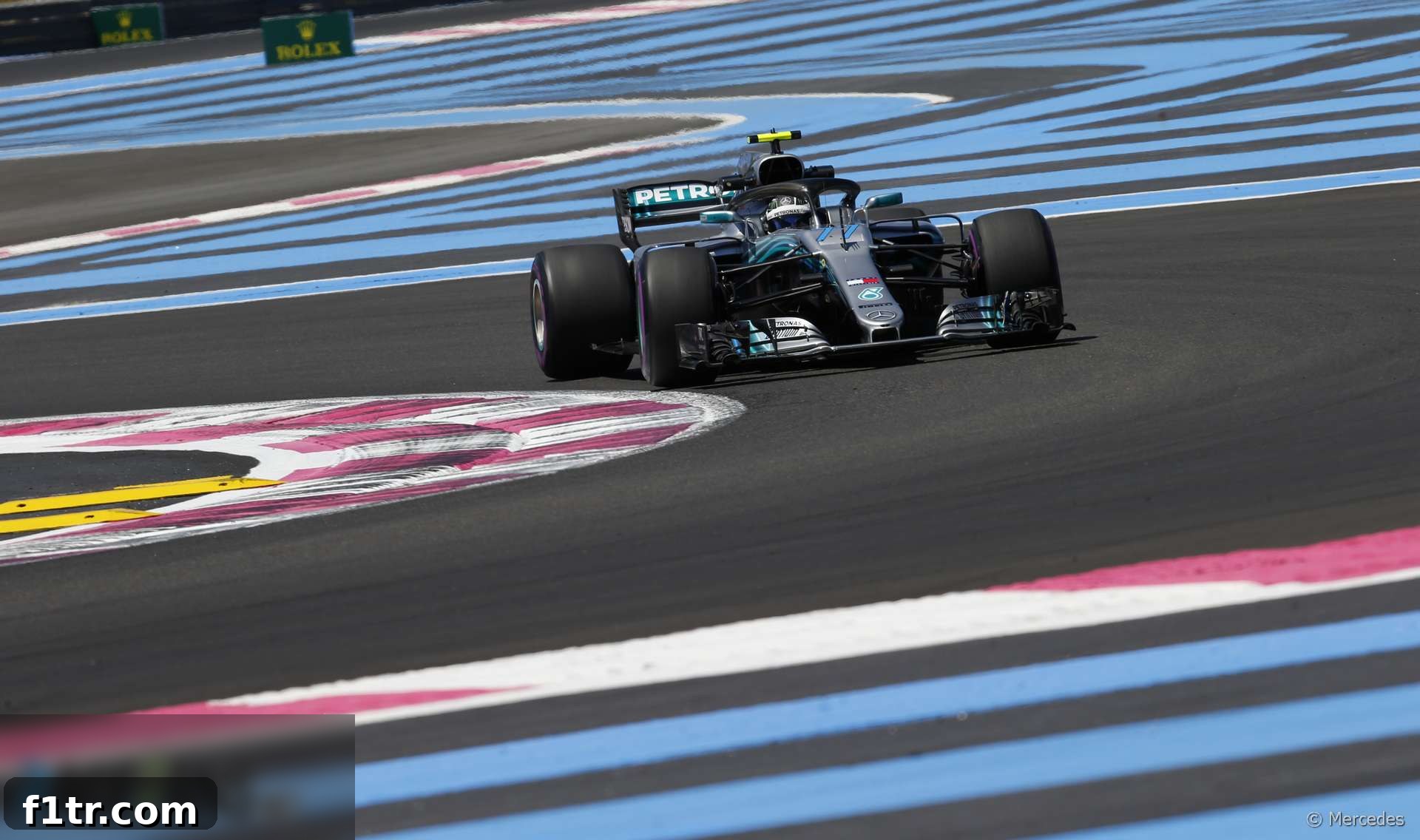
Four-time Formula 1 World Champion Alain Prost, the last driver to conquer the Paul Ricard circuit in a Grand Prix, has voiced strong criticism regarding the installation of a chicane on the iconic Mistral Straight. Prost believes this modification fundamentally alters the track’s character, effectively stripping it of its unique identity and challenging its historical appeal.
Prost’s triumph at Paul Ricard in the 1990 French Grand Prix for Ferrari came on a layout that featured a shortened Mistral Straight, a configuration he was familiar with. However, his deep connection to the circuit spans even further back, with his first victory there achieved on the original, full-length configuration. This rich history provides him with a unique perspective, allowing him to lament the changes from an intimate understanding of the circuit’s original design and spirit.
The Essence of Paul Ricard: A Question of Identity
“For me, the identity of this track is without the chicane,” Prost emphatically stated in an interview with the BBC. He elaborated on the technical implications of the change: “It makes the whole track very different because you have to run much less downforce.” This observation cuts to the core of what makes a circuit challenging and distinctive for drivers. The original Mistral Straight, stretching over 1.8 kilometers, was a true test of engine power and aerodynamic efficiency, culminating in one of Formula 1’s most revered corners: Signes.
Signes, a high-speed right-hander taken at incredibly high speeds, was historically a benchmark for both car and driver. Its approach speed, combined with the immense G-forces experienced, demanded absolute commitment and precision. Modern F1 cars, with their exceptional levels of downforce, have somewhat tamed Signes, with drivers like Lewis Hamilton noting it can often be taken flat-out, even on the current chicane-modified layout. Prost asserts that removing the chicane would instantly restore Signes to its former glory, transforming it back into a corner requiring significant lift, if not outright braking.
“Obviously, it would be very fast,” Prost conceded, imagining the chicane’s absence. “Signes wouldn’t be a corner completely flat [out]. So it is different.” This difference, he argues, is not merely a matter of speed but of character – the very essence that defines a truly great racing circuit. The original Paul Ricard, with its demanding Mistral Straight and the bravery required for Signes, fostered a specific driving style and car setup philosophy that the current layout, in Prost’s view, undermines.
The Rationale for Change: Overtaking vs. Purity
The decision to introduce the chicane has not gone unnoticed by the current crop of F1 drivers, many of whom have echoed Prost’s sentiments. However, Prost, understanding the complexities of Grand Prix organization, also acknowledged the motivations behind the change. “They wanted to do [the chicane] for a place where you can overtake. Also for the grandstand for the spectators.”
These reasons highlight the perennial tension in modern Formula 1: balancing the purity of a racing circuit with the imperative to create an engaging spectacle for fans, both trackside and at home. Overtaking opportunities are paramount for exciting races, and from an organizer’s standpoint, a chicane can create a heavy braking zone, theoretically increasing the chances for drivers to make a move. Similarly, positioning grandstands around slower sections allows spectators to witness more action and closer battles, enhancing their experience.
“You always have good reasons,” Prost reflected, demonstrating a pragmatic understanding of the organizers’ dilemma, “it’s difficult for me to criticise. But if the drivers have to say something it’s good they can also express an opinion.” This acknowledgment underscores the importance of driver feedback in shaping the sport’s future. While commercial and spectator interests are vital, the insights of those who push these machines to their limits on the very tarmac are invaluable.
Beyond the Chicane: The Broader State of F1’s “Show”
Prost’s concerns about Paul Ricard’s identity extend into a broader critique of the current state of Formula 1 and its ability to deliver consistent excitement. He candidly expressed his pessimism for upcoming races, stating he was “not very optimistic” about the potential for thrilling competition. This sentiment is rooted in ongoing discussions with key figures shaping the sport’s future, including Pat Symonds and Ross Brawn, both instrumental in F1’s technical and sporting regulations.
“We know that we are not in the best situation about the show,” Prost revealed, highlighting a frank self-assessment within the sport’s highest echelons. The unpredictability and excitement that once characterized many F1 races now often seem elusive, hinging on external factors rather than inherent design. “Sometimes something happens and you don’t know why we have some good races. It depends a lot on the tyres and the way you use the tyres.”
This dependency on tire characteristics and strategy has become a dominant theme in modern F1. While it can occasionally lead to strategic masterpieces and dramatic late-race surges, it can also result in predictable, processional events where drivers manage their tires rather than push to their absolute limit. Prost articulated this frustration: “If everybody does the same strategy it’s going to be a boring race. If they do a different strategy… that’s why I’m really in favour of changing the tyres and having more choices and more freedom with the tyres.”
Prost’s call for greater tire diversity and strategic freedom is a powerful one. By offering more varied compounds, increasing their degradation characteristics, or allowing teams more autonomy in their tire allocations, Formula 1 could significantly enhance strategic differentiation. This, in turn, would lead to less predictable race outcomes, forcing teams to make tougher calls and creating more divergent narratives throughout a Grand Prix, ultimately enriching “the show” for fans.
The conversation around track design, like the Paul Ricard chicane, and the wider debate on tire regulations are intrinsically linked. Both touch upon the core philosophy of Formula 1: is it primarily a test of pure speed and engineering excellence on challenging circuits, or is it an entertainment spectacle designed to maximize overtakes and strategic intrigue? Alain Prost, a legend who experienced the sport through various eras, clearly champions a return to a more fundamental, less engineered form of excitement, where the inherent challenges of the circuit and the skill of the driver, complemented by judicious strategic choices, dictate the outcome.
As Formula 1 continues to evolve, balancing tradition with the demands of a global audience remains its perpetual challenge. Prost’s powerful statements serve as a reminder that while innovation is crucial, the very ‘identity’ of its circuits and the organic drama of its racing must not be sacrificed in the quest for an artificial spectacle.
2018 F1 season
- F1 feared “death knell” for Drive to Survive after Ferrari and Mercedes snub
- McLaren staff told us we were “totally crazy” to take Honda engines in 2018 – Tost
- ‘It doesn’t matter if we start last’: How Red Bull’s junior team aided Honda’s leap forward
- Honda’s jet division helped F1 engineers solve power unit problem
- McLaren Racing losses rise after Honda split
Browse all 2018 F1 season articles