McLaren’s Engine Challenge: Integrating Mercedes Power Amidst FIA Scrutiny for the 2021 F1 Season
The upcoming 2021 Formula 1 season presents a unique technical conundrum for the McLaren Racing team. Following a collective agreement among all F1 teams to freeze chassis development and delay the introduction of new technical regulations until 2022 as a vital cost-saving measure in response to global economic pressures, McLaren finds itself in a peculiar position. The Woking-based outfit had already secured a deal to transition from their current Renault power units to Mercedes engines for the 2021 campaign, a decision made prior to the extraordinary circumstances that led to the regulation freeze.
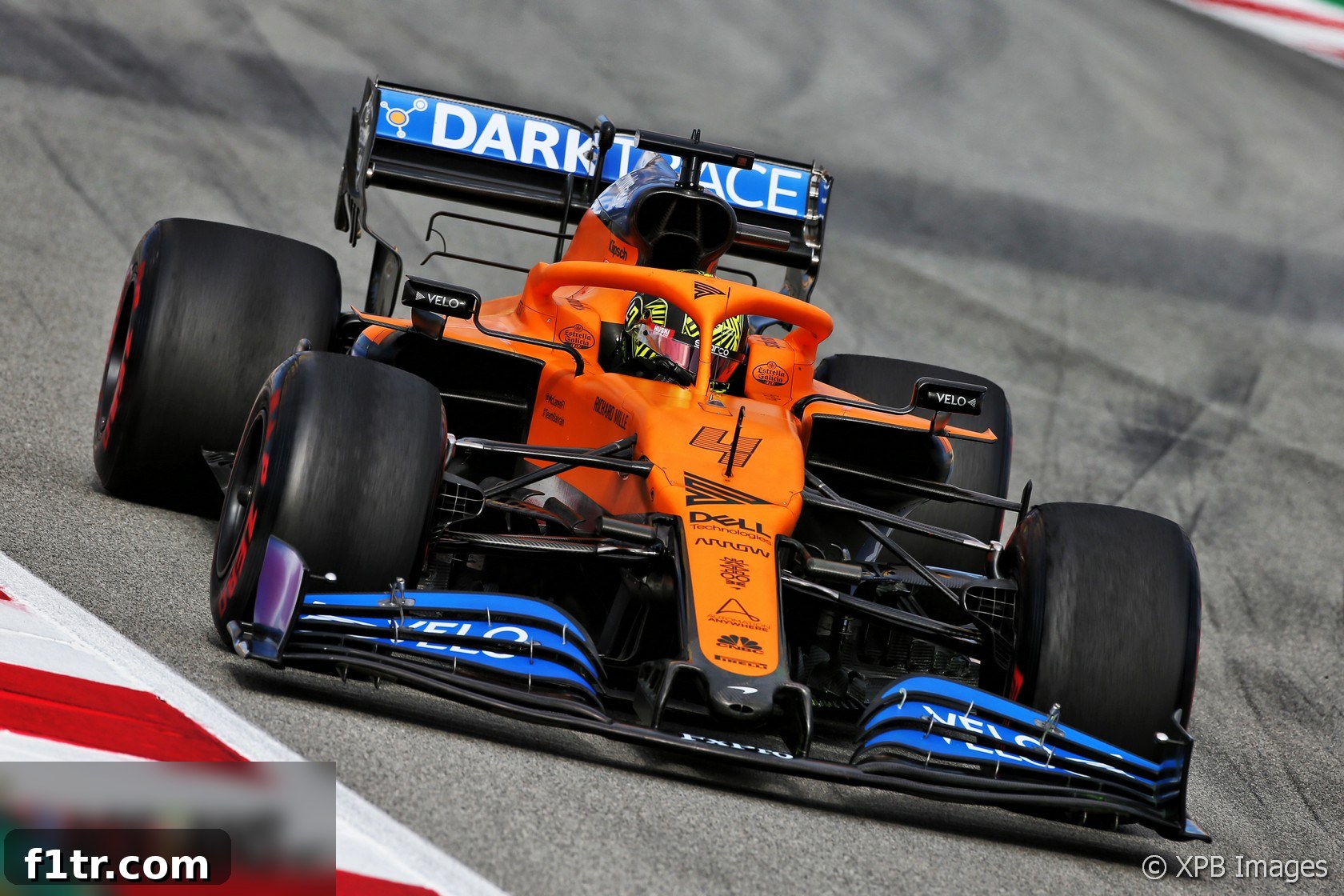
This pre-existing commitment means McLaren must adapt its 2020 MCL35 chassis to accommodate the new Mercedes power unit, a task that would typically involve extensive design and engineering freedom. However, with the chassis development effectively frozen, the team faces stringent limitations on the extent of modifications allowed. This situation necessitates close collaboration and agreement with the sport’s governing body, the FIA, to ensure compliance with the spirit of the cost-saving regulations while still enabling the crucial engine switch.
The Unprecedented Challenge of a Frozen Chassis and New Engine
McLaren team principal Andreas Seidl articulated the unexpected nature of this challenge, explaining, “It’s a change of plan for us because we had planned to integrate the Mercedes power unit into the new car for the 2021 regulations. Obviously, a different situation now.” The initial strategy envisioned a seamless integration of the Mercedes engine into an entirely new car designed from the ground up to meet the fresh 2021 technical specifications. The shift to retaining the 2020 chassis, therefore, mandates a highly controlled and restricted modification process.
Integrating a completely different power unit is far from a trivial undertaking. Engines from different manufacturers often have unique mounting points, cooling requirements, exhaust layouts, gearbox interfaces, and electrical architectures. These differences typically demand significant redesigns of the chassis, including the engine cover, sidepods, and rear crash structure. The core of McLaren’s challenge lies in making these essential adaptations without inadvertently—or intentionally—gaining any performance advantage that would contradict the cost-saving objective of the chassis freeze.
FIA’s Strict Monitoring to Uphold Fair Play
Recognizing the potential for loopholes and the need to maintain an equitable playing field, the FIA has established clear protocols for monitoring McLaren’s engine integration process. As Seidl elaborated, “For sure there will be restrictions in terms of how [well] we can integrate this power unit into the current car. We have agreed together with the FIA that they will monitor very closely that we are only allowed to do the changes that are absolutely necessary to install the Mercedes power unit.”
This agreement underscores the FIA’s commitment to preventing any team from exploiting the unique circumstances to develop areas of the car that could offer competitive benefits under the guise of an engine change. The monitoring process will be meticulous, with the FIA scrutinizing every modification to ensure it is solely for the purpose of accommodating the Mercedes engine and not for enhancing aerodynamic performance, weight distribution, or structural rigidity beyond what is strictly necessary. Seidl confirmed the vigilance, stating, “They [will] monitor closely that we don’t touch any other areas in the surroundings of the power unit, which will give us additional performance gains.”
The scope of these permitted changes will likely be limited to aspects such as adapting engine mounts, modifying pipework for cooling and oil systems, adjusting electrical harnesses, and ensuring the gearbox can mate correctly with the new power unit. Any alterations to the aerodynamic surfaces or structural elements of the chassis that are not directly dictated by the new engine’s physical dimensions or operational requirements will almost certainly be prohibited.
McLaren’s Acceptance and Commitment to the Bigger Picture
Despite the inherent difficulties and potential competitive disadvantages posed by these restrictions, McLaren has expressed full understanding and acceptance of the FIA’s stance. The team recognizes the broader context of the measures taken by Formula 1 during these challenging times. “We fully understand and we agreed to [this] because in the end we need to look at the bigger picture,” Seidl affirmed. “Which is we need to agree and we support this freezing that is happening at the moment because that ensures maximum cost saving for everyone for this year.”
This collaborative approach from McLaren highlights the collective effort within the F1 paddock to safeguard the sport’s future by reining in expenditure. While an engine switch under normal circumstances would involve extensive freedom to optimize every aspect of the integration, McLaren acknowledges that the current climate prioritizes financial sustainability and competitive fairness above all else. The agreement reflects a mature recognition that short-term engineering challenges are a small price to pay for the long-term health of the sport.
Technical Implications and Potential Competitive Landscape
The technical implications of this constrained engine change are multifaceted. While McLaren will benefit from switching to what is widely considered the benchmark power unit in Formula 1, the restricted integration means they may not be able to extract its full potential immediately. For instance, the existing chassis might not allow for optimal packaging of the Mercedes engine’s radiators or intercoolers, potentially impacting cooling efficiency or aerodynamic flow around the sidepods. Furthermore, the weight distribution might not be perfectly optimized for the new engine’s characteristics, which could affect handling and tire wear.
The competitive landscape for 2021 will see McLaren as the only team undergoing such a significant change to its core power train while retaining a frozen chassis. Teams like AlphaTauri and Aston Martin (formerly Racing Point), which also use Honda and Mercedes engines respectively, will continue with their established power unit suppliers, allowing them to carry over their chassis designs with fewer integration headaches. This unique challenge for McLaren could either be a hurdle that limits their immediate performance gains from the Mercedes engine or a testament to their engineering ingenuity if they manage to overcome these constraints effectively.
Ultimately, McLaren’s ability to navigate these restrictions will be crucial to its success in the 2021 F1 season. The partnership with Mercedes is a strategic long-term move, and while the immediate integration challenges are significant, the team is committed to making the necessary compromises to align with the sport’s broader cost-saving initiatives. The FIA’s watchful eye ensures that the spirit of fair competition and financial prudence remains paramount as McLaren embarks on this exciting yet challenging new chapter with Mercedes-Benz power.
Related Formula 1 Articles and Analysis
Stay updated with the latest news and insights into the world of Formula 1, including deeper dives into team strategies, regulation impacts, and competitive dynamics.
- Masi ‘basically gifted the championship’ to Verstappen says 2021 FIA steward Sullivan
- Las Vegas race backers looking to extend F1 deal beyond 2025
- Why Mercedes put ‘a reminder of joy and pain’ on display in their factory lobby
- Verdict on error in GT race suggests Mercedes would have lost 2021 Abu Dhabi GP appeal
- Title ‘stolen’ from Mercedes made us ‘underdogs people cheer for’ – Wolff
- Browse all 2021 F1 season articles for comprehensive coverage