Brexit’s Gridlock: How Formula 1 Teams Navigate the UK’s Departure from the EU
The intricate world of Formula 1, a sport synonymous with cutting-edge technology, relentless innovation, and a truly global workforce, finds itself at a critical juncture as the United Kingdom finalizes its departure from the European Union. For the majority of F1 constructors, whose operational bases are deeply rooted in the UK’s famed “Motorsport Valley,” Brexit introduces a complex web of challenges that threaten to disrupt established processes, impact economic stability, and reshape the future of talent acquisition.
Britain has long been the undisputed heartland of Formula 1, hosting seven of the ten current teams and acting as a central hub for engineering excellence, research and development, and specialized manufacturing. This concentration has fostered a unique ecosystem, attracting the brightest minds and most skilled professionals from across Europe and beyond. However, as the terms of the UK-EU deal are poised for agreement, the previously seamless movement of goods and people between the two blocs now faces potential friction, casting a long shadow over an industry that thrives on speed, precision, and international collaboration.
Mercedes-AMG Petronas F1 Team: Economic Risks and Human Capital Concerns
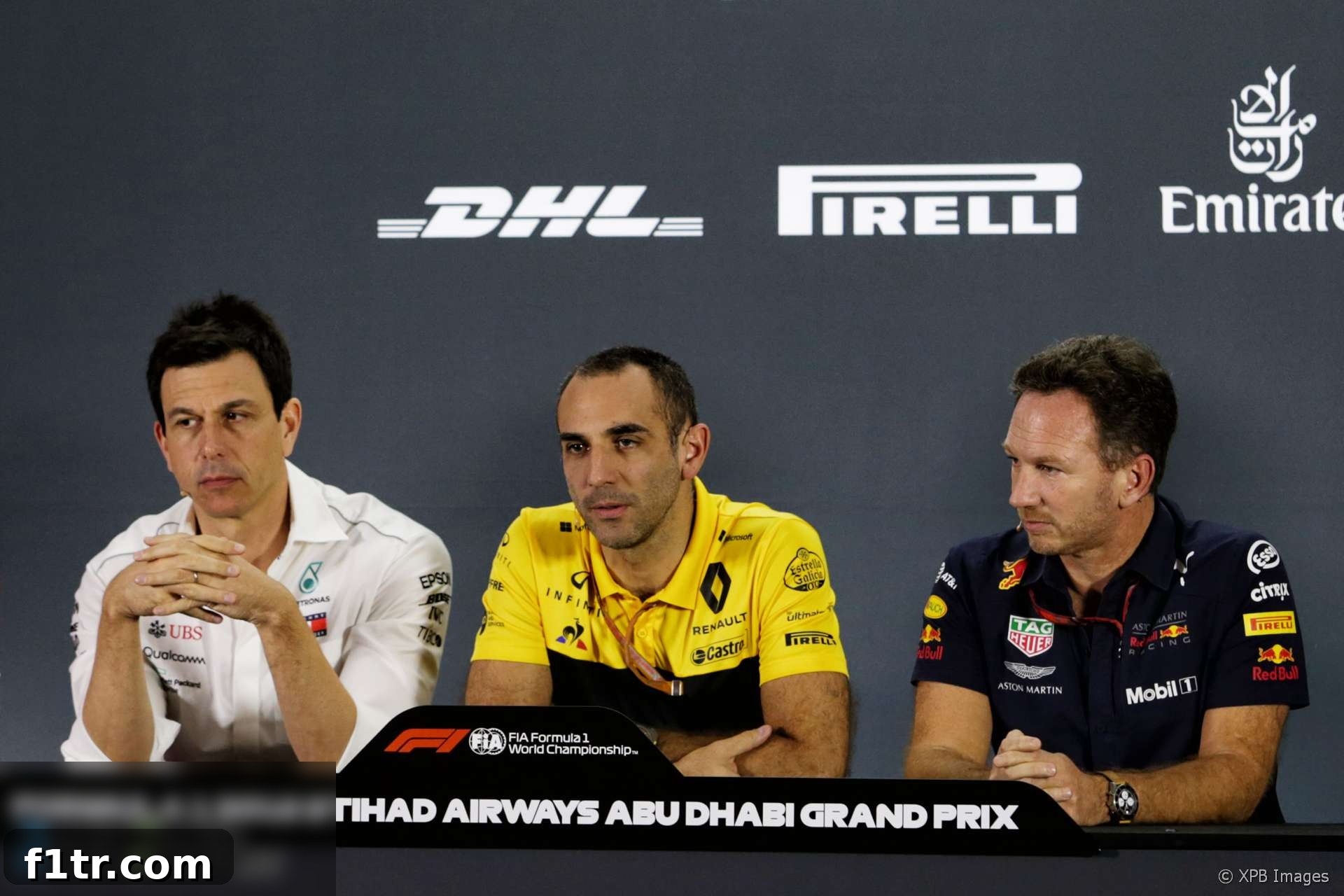
Toto Wolff, the esteemed team principal of Mercedes, whose formidable chassis and engine operations are based in the United Kingdom, has been particularly vocal about the potential ramifications of Brexit. Wolff articulated clear concerns regarding the economic stability of the country and the practical problems that could directly impact his team’s sophisticated operations. “We are monitoring it very closely because as Mercedes we have a large operation in the UK,” Wolff stated, highlighting the scale of their British presence. The Mercedes motorsport division alone employs approximately 1,800 individuals, a significant percentage of whom are EU citizens. This statistic underscores a major point of vulnerability: the future status and free movement of this vital international workforce, which is crucial for maintaining a competitive edge in Formula 1.
Wolff’s perspective extends beyond mere operational headaches, touching upon the broader political and historical context. He emphasized the foundational purpose of the European Union, born from a desire to prevent conflict and foster cooperation. “Personally, I try to stay out of politics but this topic is very close to my heart because we forget why we ended up with the European [Union], 70 years ago there was a war and the European thinking was to prevent that in the future,” he reflected. In an era marked by shifting global alliances and a resurgence of nationalism, Wolff urged careful consideration of the potential economic risks. For Mercedes, these risks are tangible: not only are their highly skilled EU employees potentially impacted, but the team also relies heavily on the seamless importation of countless specialized goods and components from the EU. Proactive steps have reportedly been taken to mitigate border delays, but the inherent uncertainty remains a profound concern for an organization that operates at the very pinnacle of automotive engineering, where every second and every component matters.
Red Bull Racing: Navigating Turbulence with British Resilience
Christian Horner, team principal of Red Bull Racing, another prominent F1 constructor with its base in the UK, described the prevailing situation as “turbulent.” While acknowledging the complexity, Horner expressed a degree of optimism, hoping that “in the coming weeks and months, there’ll be a solution found.” His outlook, though cautiously hopeful, reflects the underlying uncertainty gripping the industry. Horner emphasized the critical importance of the UK maintaining its competitive edge, stating, “I think the bottom line is that people will continue to do business with the UK if we’re competitive and remain good at what we do.”
This sentiment highlights a crucial point: the UK’s enduring strength and reputation as a leader in Formula 1 innovation. Britain’s motorsport industry has historically excelled, attracting global talent and investment due to its unparalleled infrastructure, specialized expertise, and a vibrant ecosystem of suppliers and engineering firms. Horner believes that this established excellence will continue to draw business, regardless of the political landscape. However, the path to finding a viable solution that preserves this competitive advantage without incurring significant operational costs or logistical bottlenecks remains the primary challenge. The balance between regulatory autonomy and economic pragmatism will be key to ensuring the continued prosperity of British F1 teams and preventing any erosion of the “Motorsport Valley’s” competitive advantages.
Renault F1 Team (Alpine F1 Team): A Cross-Channel Conundrum
The situation presents an even more intricate challenge for teams like Renault (now Alpine F1 Team), which operate across national borders within Europe. Renault’s chassis is meticulously crafted in its UK facility, while its high-performance power units are developed and manufactured at its factory in France. This dual-nation operational model inherently amplifies the potential logistical complications stemming from Brexit. Managing director Cyril Abiteboul, prior to his departure, underscored the critical importance of uninterrupted flow. “We’ve grown very quickly in the recent years and it’s been done in particular thanks to the possibilities offered by the UK, bringing in youngsters, people coming out from school, we don’t want that to change. That would be dramatic for Formula One,” he warned.
Abiteboul’s concerns focused not only on the physical movement of components and equipment – “obviously don’t want logistics or freight to be delayed in any shape or form” – but also, crucially, on the movement of people. The free flow of talent, particularly young engineers, apprentices, and graduates from across Europe, has been fundamental to the rapid growth and success of F1 teams in the UK. Any impedance to this talent pipeline could severely hamper innovation, recruitment, and the long-term competitiveness of British-based operations. Despite these apprehensions, Abiteboul expressed confidence in the UK authorities, trusting them “to understand this is not in their interest to lose what is one of the pillars of British Industry, which is motorsport and Formula One.” His statement serves as a powerful appeal to policymakers to recognize and protect the immense value that the motorsport sector brings to the British economy and its global standing, providing jobs, technological advancements, and international prestige.
The Broader Landscape: Innovation, Investment, and Motorsport Valley’s Future
Beyond the immediate operational concerns voiced by team principals, Brexit poses broader strategic questions for the entire “Motorsport Valley” ecosystem and its capacity for future innovation and investment. Formula 1 is a relentlessly evolving sport, where microseconds gained through design improvements, material science breakthroughs, and software enhancements are paramount. This continuous cycle of innovation relies heavily on agility, global collaboration, and rapid prototyping. Delays in customs, increased paperwork, or complex visa procedures for visiting specialists could significantly slow down development cycles, leading to competitive disadvantages. The financial implications are also substantial; potential tariffs on components, increased administrative burdens, and the need for new legal or logistical structures could drive up operating costs, potentially diverting critical funds from research and development into compliance and administration.
Moreover, the attractiveness of the UK as a destination for international talent, particularly from the EU, could be diminished. The ability to seamlessly recruit the best engineers, aerodynamicists, mechanics, and strategists from a diverse European talent pool has been a cornerstone of British F1’s success. Any perceived barrier to entry, whether it be visa complexities or reduced freedom of movement, could lead to a talent drain or deter prospective candidates from choosing the UK. This could, in turn, impact the long-term health and growth of the entire British motorsport industry, which extends far beyond F1 to encompass various racing series, advanced engineering, and high-performance automotive sectors. Preserving this vibrant ecosystem requires thoughtful policy-making that acknowledges the unique demands of an industry operating at the very edge of technological possibility and global competition.
Adapting to a New Reality: The Path Forward
As the UK charts its post-Brexit course, Formula 1 teams are actively engaged in strategies to adapt to the new reality. This includes, where feasible, adjustments to supply chains, potential diversification of supplier networks, and careful planning for staff movement. The collective voice of the F1 community, often united in its advocacy for policies that support its unique operational needs, will likely continue to engage with government bodies to secure favorable terms or specific industry exemptions. The hope remains that pragmatic solutions will emerge, allowing this globally admired British industry to continue to thrive and contribute significantly to the UK economy and its reputation for engineering excellence.
The ultimate success of British-based F1 teams in navigating the post-Brexit landscape will depend on a delicate balance: the adaptability of the teams themselves, the clarity and efficacy of the final agreements between the UK and EU, and the recognition by policymakers of motorsport’s critical role as a high-value, high-tech industry. The challenges are undeniable, but so too is the inherent resilience and ingenuity that define Formula 1. The coming months will reveal just how smoothly this powerhouse industry can transition and maintain its pole position in the world of high-performance engineering.
Related F1 Articles
Browse all 2018 F1 season articles