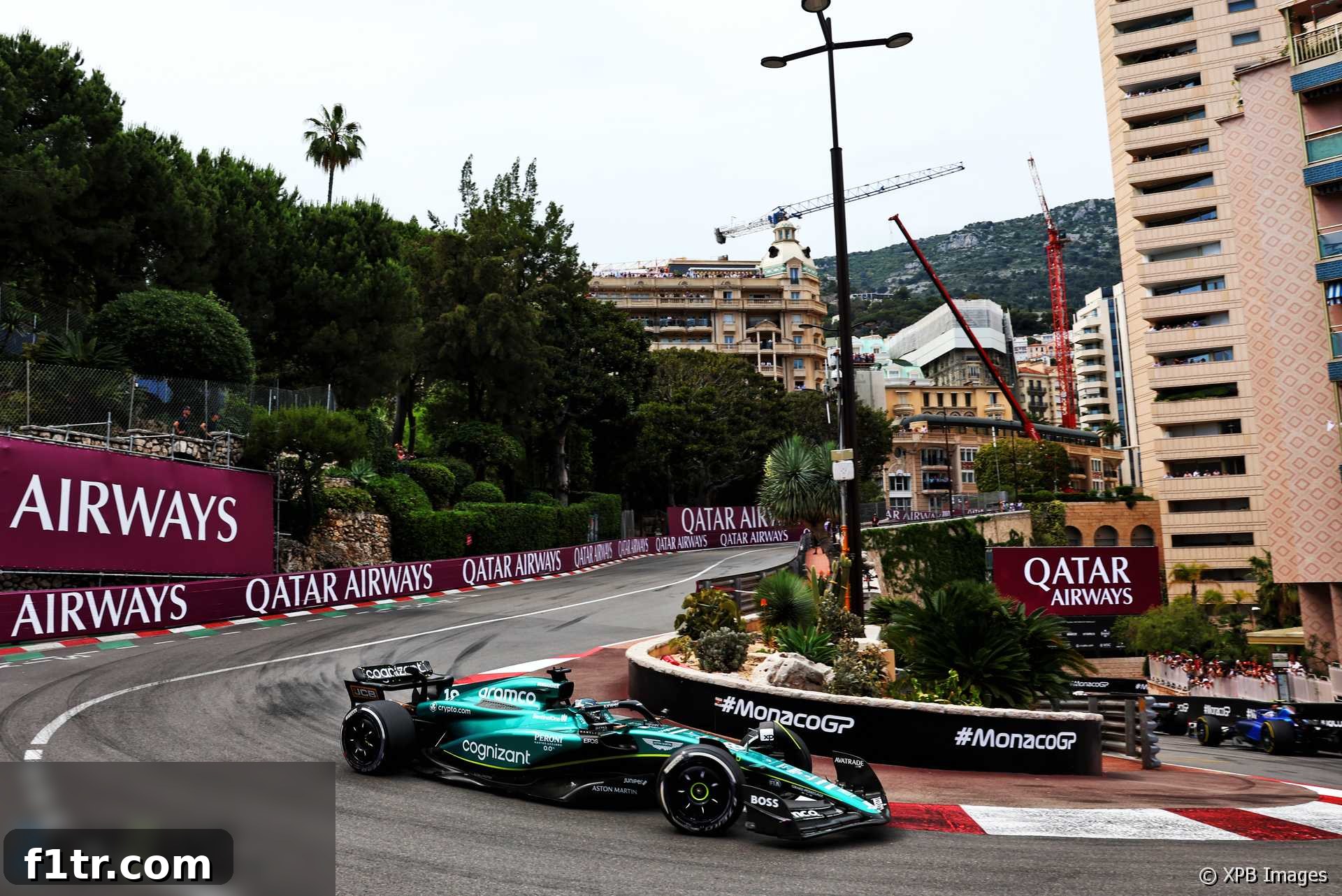
Monaco Grand Prix: Alonso’s Strategic Gambit Against Verstappen’s Dominance
The legendary streets of Monaco once again delivered a captivating Formula 1 spectacle, where strategic brilliance, raw pace, and an unpredictable change in weather combined to create an unforgettable race. At the heart of the action was two-time world champion Fernando Alonso, whose Aston Martin team valiantly attempted a strategic play to unseat the dominant Max Verstappen. Despite their best efforts, the Red Bull driver showcased an unyielding performance, ultimately securing victory in a race that kept everyone on the edge of their seats.
The High Stakes of Pole Position and Tire Choices
The Monaco Grand Prix is renowned for its qualifying session, where securing pole position is often considered half the race won due to the circuit’s notoriously narrow and unforgiving nature, making overtakes incredibly difficult. Max Verstappen started from the coveted pole position, opting for the medium compound Pirelli tires. Lining up alongside him on the front row was Fernando Alonso, whose Aston Martin AMR23 had shown exceptional pace throughout the weekend. Alonso and his team made the bold decision to start on the hard compound tires, a strategic choice that immediately set the stage for a compelling battle of wits and tire management.
This differential tire strategy hinted at two distinct approaches to the race. Verstappen, on mediums, aimed for an aggressive early stint, potentially building a gap before a relatively early pit stop. Alonso, on hards, committed to a longer first stint, hoping to exploit potential tire degradation on Verstappen’s car or capitalize on a safety car period later in the race, which is a common occurrence in Monaco. The short run into Turn 1 at the start of the race meant Alonso conceded a slight initial grip advantage to Verstappen, but the long-term potential of the hard tires was the team’s primary focus.
Verstappen’s Unyielding Pace Neutralizes Strategy
From the moment the lights went out, Verstappen asserted his authority, holding the lead into Sainte Dévote and meticulously controlling the pace. For over 50 laps, the Dutchman maintained a significant advantage over Alonso, demonstrating incredible tire management skills on his medium compounds. Despite the conventional wisdom that medium tires would degrade faster, Verstappen consistently delivered quick and consistent lap times, effectively negating Aston Martin’s long-game strategy. His ability to extend the life of his tires while maintaining a blistering pace proved to be the pivotal factor in the first half of the race.
Alonso reflected on this challenging phase, stating, “It was difficult. We opted to start on the hard tyres, so we gave up a little bit of possibility into turn one due to the short run. We thought to play a long game with the strategy, but Max drove super-well on the medium tyres and that first stint – so we didn’t have any chance.” This candid admission highlights the sheer dominance Verstappen displayed, leaving Alonso and Aston Martin with limited options as their planned strategy struggled to materialize against such formidable pace.
The Drama Unfolds: Rain Arrives in Monaco
As the race progressed into its latter stages, the skies over Monaco began to darken, bringing with them the most significant wildcard: rain. The initial light drizzle quickly intensified, transforming the street circuit into a treacherous, low-grip environment. This sudden change in conditions instantly threw all pre-race strategies into disarray and ignited a frantic series of pit stops and crucial tire decisions across the grid.
For Fernando Alonso, the rain presented a complex dilemma. Over the team radio, there was an intense debate regarding the appropriate tire choice. Alonso initially indicated a preference for intermediate tires, recognizing the rapidly worsening conditions. However, the final call was left to the team, who, in a split-second decision under immense pressure, opted to fit his car with fresh medium compound slick tires. This choice proved to be a miscalculation almost immediately. As Alonso exited the pits, the rain intensified dramatically, making the slick tires utterly unsuitable for the now heavily waterlogged track. Consequently, he was forced to return to the pit lane on the very next lap for a second consecutive stop, this time to finally switch to the intermediate wet weather tires. This double pit stop, costing valuable seconds and track position, underscored the high-stakes and chaotic nature of making real-time decisions in rapidly changing Monaco conditions.
Alonso’s Masterful Drive Through Treacherous Conditions
Despite the pit stop setback, Alonso showcased his legendary skill and experience in challenging conditions. Navigating the wet, slippery streets of Monaco on intermediate tires, he maintained his composure and pushed the Aston Martin AMR23 to its limits. He finished the race almost half a minute behind the triumphant Verstappen but secured a well-deserved second place, a testament to his exceptional car control and racecraft.
Driving in the wet on a street circuit like Monaco is arguably one of the toughest challenges in Formula 1. Alonso described the conditions vividly: “[There was] no full power out on the lap. Braking was extremely fragile into turn five [Mirabeau], into turn ten [Harbour Chicane]. So, yeah, it was not easy.” His remarks paint a picture of a driver constantly battling for grip, managing delicate braking zones, and meticulously avoiding the unforgiving barriers that line the circuit. It was a true display of precision and nerve under immense pressure.
An Unprecedented Clean Race: No Safety Cars or Incidents
Perhaps one of the most surprising aspects of the 2023 Monaco Grand Prix, especially given the wet conditions, was the complete absence of Safety Car periods or major incidents. Alonso himself expressed his astonishment at how clean the race remained:
“I was surprised that there were no Safety Cars, no incidents. So I think everyone was doing an amazing job today to keep the cars on track.”
Monaco is notoriously known for its high probability of Safety Cars due to the tight confines and minimal run-off areas, where even a minor error can lead to significant disruptions. The fact that an entire Grand Prix, particularly one with a dramatic transition from dry to wet conditions, unfolded without a single Safety Car or Virtual Safety Car period is a rare occurrence. This speaks volumes about the incredible talent, discipline, and focus of every driver on the grid, who managed to keep their high-powered machines under control on one of the sport’s most demanding circuits.
Reflecting on Aston Martin’s Strong Season
Fernando Alonso’s second-place finish in Monaco further solidified Aston Martin’s impressive resurgence in the 2023 Formula 1 season. The team has consistently been a front-runner, challenging the established top teams and regularly securing podium finishes. While a victory in Monaco might have been within reach had the tire strategy unfolded differently or the pit stop decision been swifter, the result still represents a significant haul of points and a clear demonstration of the AMR23’s competitiveness.
The team’s strategic gambles and their ability to adapt, even if with momentary missteps, show a hunger for success that has delighted fans and brought excitement back to the grid. Alonso’s experience and unwavering commitment are clearly propelling Aston Martin forward, making them a genuine contender for podiums at every race and a formidable force in the constructors’ championship.
Conclusion: A Battle of Titans and Enduring Skill
The 2023 Monaco Grand Prix was a race that offered a captivating blend of strategic foresight, dominant performance, and high-stakes drama. While Fernando Alonso and Aston Martin mounted a courageous challenge, Max Verstappen’s exceptional pace and tire management ultimately proved too strong, allowing him to pull away comfortably in the closing stages. Yet, Alonso’s masterful wet-weather driving, especially after the confusing pit stop sequence, reaffirmed his status as one of Formula 1’s all-time greats.
The race serves as a compelling reminder of why Monaco remains a jewel in the F1 calendar: a circuit where precision, courage, and strategic acumen are tested to their absolute limits. Despite falling short of the top step, Alonso’s podium finish was a victory in itself, showcasing his enduring skill and Aston Martin’s remarkable ascent in the world of Formula 1.
Further Reading: 2023 Monaco Grand Prix Insights
Discover more about the strategic calls, driver performances, and technical details from the thrilling 2023 Monaco Grand Prix with these related articles:
- Mercedes ready to “grind” their way to competitiveness after major W14 update
- Verstappen surpasses Vettel as winner of most races for Red Bull
- How the first team to fit intermediate tyres in Monaco got the call right
- Verstappen’s Monaco pole run was the completion of his 2021 Jeddah lap – Horner
- Haas thrilled as upgrade performance exceeds wind tunnel predictions
Browse all 2023 Monaco Grand Prix articles