FIA to Revamp Formula 1 Driving Standards for 2025: Drivers’ Feedback Ignites Rule Changes
Formula 1 is set for a significant shake-up in its driving standards, with the sport’s governing body, the FIA, confirming that it will adjust its guidelines for the 2025 season. This pivotal decision follows a series of crucial meetings between FIA officials and a contingent of F1 drivers, who have consistently voiced concerns over the inconsistent application of racing rules and the clarity of existing regulations. George Russell, a prominent voice within the Grand Prix Drivers Association (GPDA), has been at the forefront of these discussions, revealing that the upcoming revisions will directly address contentious maneuvers and clarify track limits, aiming for a more equitable and predictable racing environment.
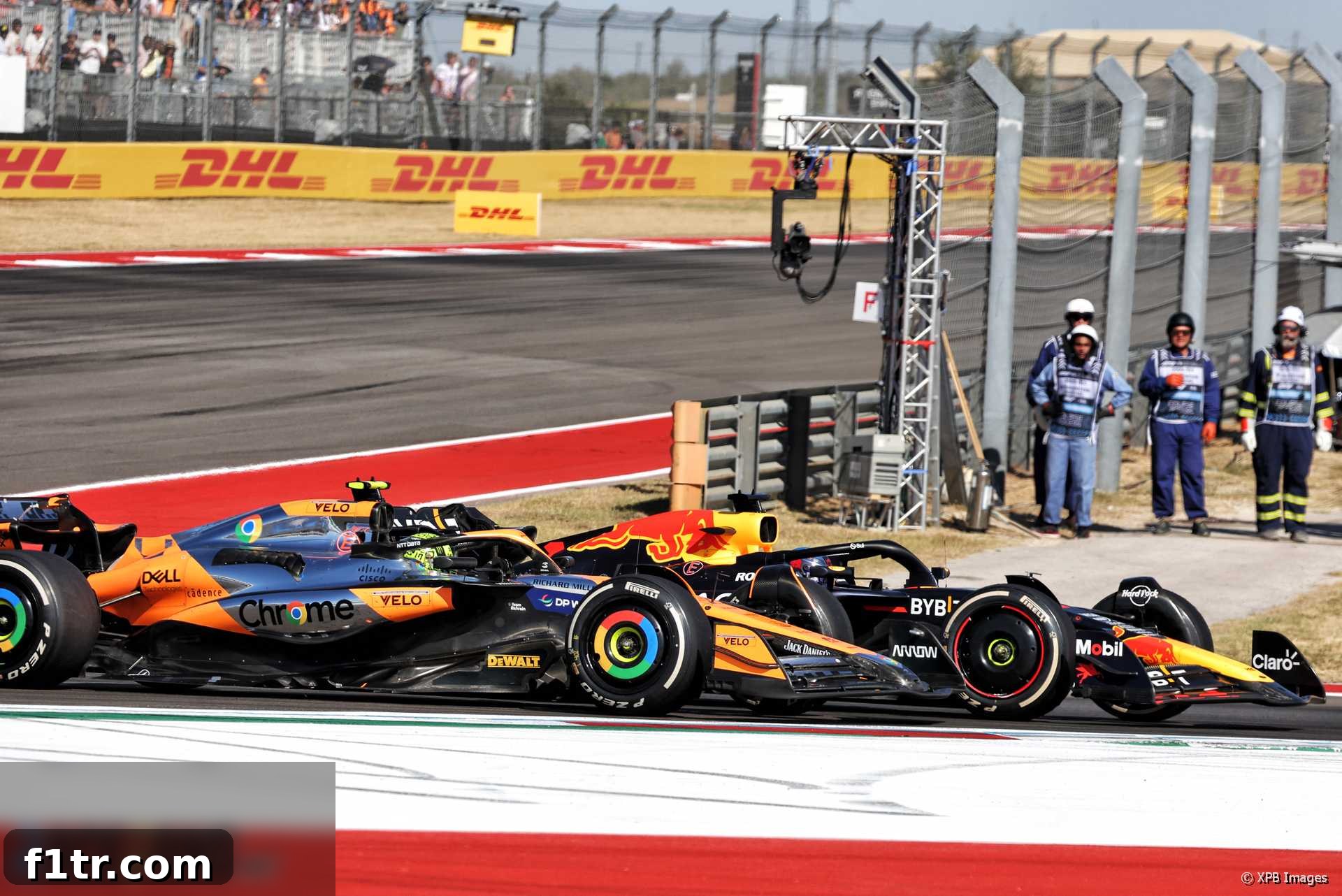
The impetus for these changes stems from growing dissatisfaction among drivers regarding how certain on-track incidents have been adjudicated, particularly since the introduction of a new set of ‘driving standards guidelines’ at the commencement of the 2022 season. While these guidelines were intended to provide stewards with a consistent framework for assessing racing incidents, their interpretation has often led to frustration and calls for greater transparency. A notable flashpoint was Lando Norris’s penalty at the United States Grand Prix in Austin, where he was penalized for overtaking Max Verstappen off-track after being forced wide by the Red Bull driver. This incident, among others, highlighted perceived ambiguities in the rules surrounding track limits and racing room.
Addressing Controversial Tactics: The ‘Divebomb’ Defense Under Scrutiny
Central to the discussions and subsequent rule revisions is the controversial ‘divebomb’ defense tactic, frequently employed by drivers like Max Verstappen. This maneuver typically involves a defending driver aggressively positioning their car on the inside of a corner, often late and deep, with the intent of being ahead at the apex to avoid having to leave space for a rival on the corner exit. While often thrilling for spectators, this tactic has drawn criticism from competitors for pushing the boundaries of fair racing and sometimes forcing rivals into potentially dangerous situations or off the track entirely. The lack of explicit guidelines addressing such aggressive defending has been a major point of contention, contributing to the perceived inconsistency in stewarding decisions.
Following intensive consultations with the FIA stewards, George Russell, leveraging his role as a director of the GPDA, confirmed that the updated guidelines for 2025 will specifically target and effectively outlaw this ‘divebomb’ style of defending. Russell emphasized that the changes are not a wholesale overhaul of the rulebook but rather precise amendments designed to clarify existing ambiguities and address specific scenarios that have caused issues. “I don’t think a lot needed to be changed,” Russell commented, reflecting on the productive nature of the meetings. “I think there was maybe the odd sentence that needed to be gotten rid of. Such as if you were overtaking on the inside, you need to leave a car’s width apex-to-exit, hence why I got the penalty in Austin.” This specific clarification regarding the “apex-to-exit” rule is crucial, as it directly addresses incidents like Norris’s in Austin and aims to ensure that drivers committing to an overtake on the inside are afforded fair space throughout the corner. The absence of clear stipulations for defenders who go off-track during a ‘divebomb’ maneuver will also be rectified, ensuring that such actions are deemed “out of control” and subject to penalty.
GPDA’s Push for Transparency and Accountability
The drivers’ recent engagement with the FIA is not an isolated event but part of a broader push for greater transparency and consistency within the sport’s governance. Earlier this month, the Grand Prix Drivers Association had penned an open letter to the FIA, directly calling for more clarity from the organization and its president, Mohammed ben Sulayem. This letter underscored a collective desire among the drivers for a more open dialogue and a clearer understanding of the decision-making processes that directly impact their sport. The GPDA’s advocacy reflects a growing sentiment that drivers, as key stakeholders, should have a more pronounced voice in shaping the future regulations and their application.
In the wake of this powerful appeal for transparency, the FIA has indeed made some significant internal adjustments. These changes notably include the appointment of a new Formula 1 race director and the discontinuation of long-serving steward Tim Mayer’s regular involvement. While these personnel changes might be interpreted as a response to calls for renewed consistency, Russell voiced a degree of skepticism, highlighting the irony of such changes coinciding with demands for transparency. “Obviously, in the meantime, someone else has just been sacked,” Russell observed, linking the timing to the drivers’ open letter. “So just when we’re asking for a bit of transparency and consistency, there’s no transparency and there’s no consistency. So let’s see who the next one is.” This statement underscores that while progress is being made on the rule-making front, the broader issue of FIA governance and its internal communication remains a point of concern for the drivers.
Hamilton Hails Productive Discussions, Paving the Way for a Fairer Future
Lewis Hamilton, Russell’s Mercedes teammate and a seven-time world champion, echoed the sentiment of positive engagement, expressing his satisfaction with the recent discussions held with the stewards. Hamilton emphasized the unprecedented nature of these meetings, highlighting them as the first instance where drivers have truly been able to sit down and engage in a clear, open, and constructive dialogue with the individuals responsible for officiating the races. He acknowledged the immense challenge faced by stewards, who are tasked with making rapid, high-stakes decisions in a sport where “every overtake and every scenario is so different to the others.” This recognition of the stewards’ difficult role suggests a mutual understanding and a collaborative spirit among all parties involved.
While the immediate impact on the remaining races of the current season will be minimal, Hamilton confirmed that the groundwork has been laid for substantial improvements in 2025. “There’s nothing that’s going to change for these next two races,” he stated, “But for next year we’re working on the process. We welcome having more conversations with them moving forwards because we want to help them do a better job, and they welcomed that.” This commitment to ongoing dialogue and mutual assistance is a promising sign for the future of Formula 1. It signifies a collective effort to refine the sport’s regulatory framework, not just through top-down mandates, but through active consultation with those directly affected by the rules – the drivers themselves. This collaborative approach is expected to foster a greater sense of trust and fairness within the paddock, ultimately leading to clearer, more consistently applied rules that enhance both the integrity and excitement of Formula 1 racing.
The Impact on Formula 1’s Future Landscape
The upcoming revisions to Formula 1’s driving standards for 2025 represent a significant step towards addressing long-standing issues of consistency and clarity in stewarding. By specifically targeting controversial maneuvers like the ‘divebomb’ defense and refining rules around track limits and racing room, the FIA aims to create a fairer and more predictable competitive environment. This proactive engagement, driven by the collective voice of the drivers through the GPDA, signals a maturing relationship between the competitors and the governing body. While challenges regarding broader transparency within the FIA persist, the willingness to adapt rules based on direct feedback is a positive development. Ultimately, these changes are poised to enhance the integrity of the sport, bolster driver confidence in the regulatory framework, and ensure that Formula 1 continues to deliver thrilling, yet justly officiated, racing for years to come.
Related News and Insights from the 2024 Qatar Grand Prix
- Horner ‘believes 100%’ Verstappen did not threaten to crash into Russell
- Russell and Verstappen cast new light on clash which triggered explosive row
- Hamilton’s puncture not caused by mirror debris – Mercedes
- Another start-to-finish win shows Qatar GP could be F1’s most processional race
- “Am I dead last now?” Unheard radio from Hamilton’s disastrous Qatar GP
Browse all 2024 Qatar Grand Prix articles