In a dynamic landscape where Formula 1 continually adapts, recent developments offer a blend of nostalgic returns, somber goodbyes, and forward-looking discussions. From the vibrant energy of a packed Grand Prix circuit to the quiet acknowledgment of a vital contributor to the sport’s engineering prowess, F1 remains a spectacle of highs and lows. This comprehensive round-up delves into the most significant talking points, offering insights into the sport’s evolving post-pandemic identity, honoring a brilliant mind, and exploring the broader conversations shaping its future.
Formula 1 Focus: Key Updates and Insights
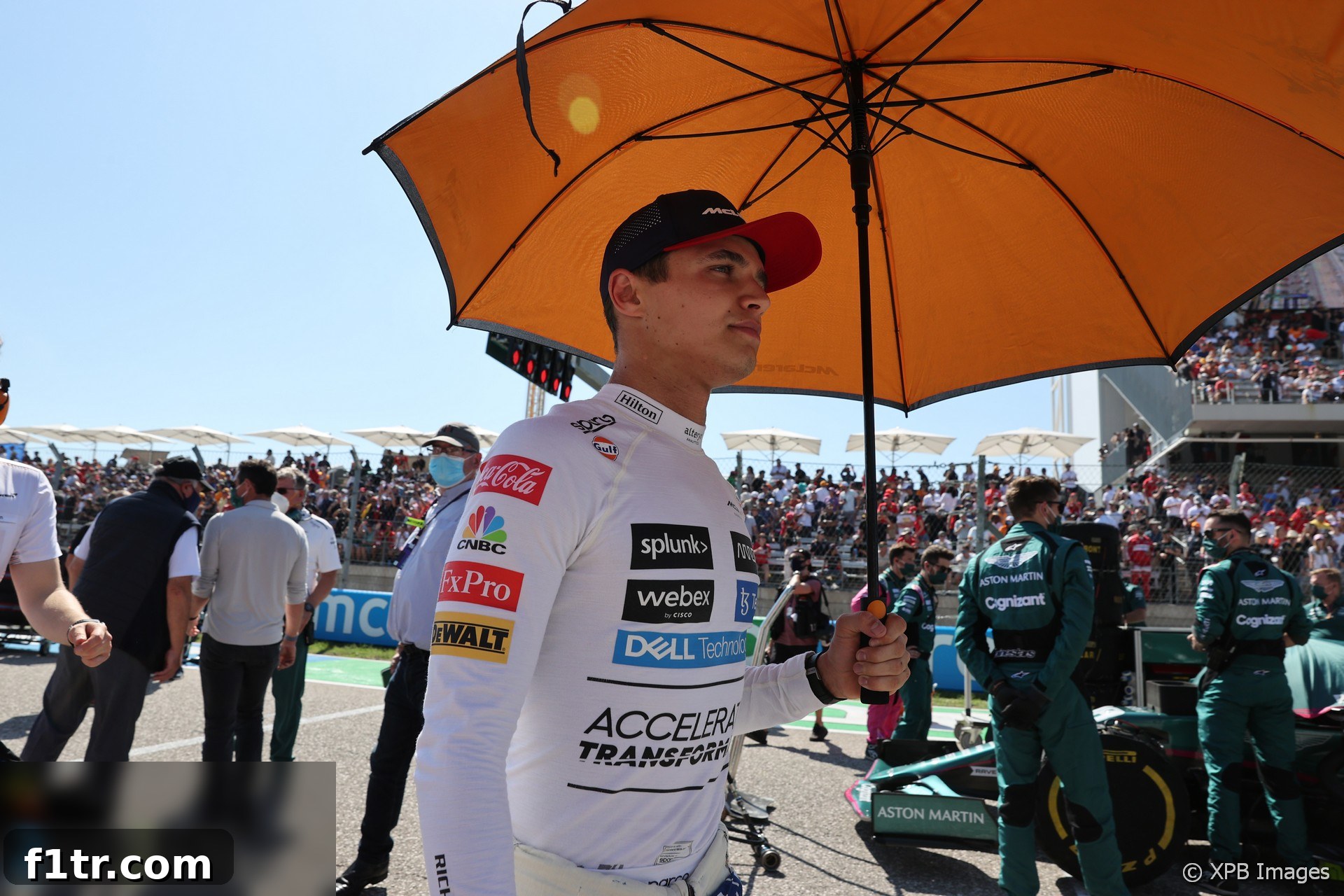
Norris Enthusiastic as F1 Embraces Post-Pandemic Normalcy at Austin
Advert | Become a Supporter & go ad-free
McLaren sensation Lando Norris has eloquently expressed a widespread sentiment within the Formula 1 paddock: the sport is finally feeling like its vibrant, pre-pandemic self. This welcome return to normalcy was particularly palpable at the United States Grand Prix in Austin, Texas, an event characterized by an electrifying atmosphere and unprecedented crowd attendance. The Circuit of the Americas, known for its challenging layout and passionate fanbase, truly came alive, reminding participants and spectators alike of F1’s unique appeal.
Norris, a driver known for his candid observations, described the experience as “epic.” He elaborated on the profound impact of seeing the grandstands brimming with fans, especially during the emotional in-lap and the traditional parade lap. “It’s difficult when you’re racing and focusing so much,” Norris explained, “but the in-lap and also the parade lap we did earlier today, it’s pretty awesome to see how many people there were.” This sheer volume of enthusiastic supporters echoed the memorable scenes witnessed at other iconic venues, such as Silverstone, renowned for its fervent British crowd. The palpable energy from the American fans, described by Norris as “very enthusiastic,” underscored the global reach and growing popularity of Formula 1.
Beyond the grandstands, the easing of pandemic restrictions also allowed for a more traditional paddock experience. With increased access for guests, media, and VIPs, the bustling hub of F1 felt considerably more familiar and dynamic. “It’s lovely to have them back and also for them to come onto the track and stuff at the end,” Norris commented, highlighting the importance of direct fan engagement. “Things feel like a lot more back to normal and how Formula 1 should be now with more guests and media and VIPs back in the paddock. It feels more like Formula 1.” This shift is crucial for the sport, as direct interaction and an immersive atmosphere are integral to the Formula 1 brand, fostering deeper connections between teams, drivers, and their global audience. The success of Austin served as a powerful testament to the sport’s resilience and its enduring ability to captivate and thrill.
Tragic Passing of Former Williams Aerodynamicist Antonia Terzi
The Formula 1 community has been deeply saddened by the untimely death of former Williams designer Antonia Terzi. The highly respected aerodynamicist, aged 50, passed away following a car accident in the UK earlier this week, a loss that resonates profoundly across the sport.
Antonia Terzi left an indelible mark on Williams F1, serving as the team’s chief aerodynamicist between 2003 and 2004. Her tenure was characterized by significant technical innovation and a crucial contribution to the performance of the BMW-powered cars that achieved multiple race victories. Among the most iconic designs she influenced was the distinctive FW26, famously dubbed the ‘walrus-nosed’ car. This bold aerodynamic concept, while initially polarizing, demonstrated Terzi’s willingness to push conventional boundaries in pursuit of performance gains. The FW26 played a role in the team’s success with drivers like Juan Pablo Montoya and Ralf Schumacher, securing the team’s last victory before Pastor Maldonado’s unexpected triumph at the 2012 Spanish Grand Prix.
Her work on these cars was pivotal, reflecting a keen understanding of complex airflow dynamics and an unwavering commitment to engineering excellence. Terzi was a trailblazer in a predominantly male-dominated field, inspiring many aspiring engineers and demonstrating the critical importance of diverse talent in high-performance motorsport. Her technical acumen and innovative spirit were widely recognized and respected throughout the paddock.
In a statement confirming her passing, the Williams team expressed their profound grief: “We are deeply saddened to learn of the passing of our former colleague and chief aerodynamicist, Antonia Terzi. Our thoughts go out to Antonia’s friends and family at this difficult time.” Her legacy as a brilliant and pioneering aerodynamicist, who helped shape a significant era for Williams F1, will undoubtedly endure. Terzi’s contributions highlight the often-unsung heroes behind the scenes whose intellectual prowess and dedication are fundamental to a team’s success on the world stage.
Advert | Become a RaceFans supporter andgo ad-free
Social Media Snapshot: The Pulse of Motorsport
A quick look at notable posts from Twitter, Instagram and other platforms reveals the diverse conversations and exciting developments across the motorsport world:
What a day driving at @IMS in an @IndyCar w/ @FollowAndretti (can’t believe I can truthfully say that) #allandretti pic.twitter.com/LeoGvrLFG5
— Kyle M. Kirkwood (@KKirkwoodRacing) November 1, 2021
IndyCar rising star Kyle Kirkwood shared his excitement after an incredible day driving at the Indianapolis Motor Speedway (IMS) in an IndyCar, alongside the legendary Andretti Autosport team. This moment captures the dream of many young drivers and signifies Kirkwood’s continued ascent in the racing world, connecting with a powerhouse name in American motorsport. Such experiences are crucial for driver development and buzz generation.
The next two races on the #F1 calendar have new names: It’s the Mexico City Grand Prix this weekend followed by the Sao Paulo Grand Prix.
From earlier this year, here’s why more races are swapping country names for cities or regions:https://t.co/tKph9O13UA#F1
— RaceFans (@racefansdotnet) November 1, 2021
RaceFans highlighted a subtle yet significant shift in the Formula 1 calendar: the increasing trend of Grand Prix events adopting city or regional names instead of broader country designations. For instance, the upcoming races were rebranded as the Mexico City Grand Prix and the Sao Paulo Grand Prix. This change reflects a strategic move by promoters and F1 management to localize branding, strengthen ties with host cities, and enhance municipal engagement, often leading to increased financial and logistical support from local authorities. It underscores a broader commercial strategy to embed races more deeply within their immediate urban and regional contexts, offering unique identities beyond national flags.
- Find more official F1 accounts to follow in the F1 Twitter Directory
Essential Motorsport Links and Further Reading
Dive deeper into the world of motor racing with these insightful links, offering varied perspectives and expert analysis:
Martin Samuel Interviews Toto Wolff: A Candid Look at the Championship Battle (The Daily Mail)
In a gripping interview, Mercedes team principal Toto Wolff offered a remarkably candid assessment of the intense championship battle between Lewis Hamilton and Max Verstappen. Wolff specifically referenced the Monza incident, stating, “What happened in Monza? Verstappen took Lewis out because he was about to overtake and he was quicker. And that is totally understandable.” He then delved into the historical context of such fierce rivalries, drawing parallels to legendary clashes like Schumacher versus Villeneuve, and Senna versus Prost (twice). This perspective from Wolff underscores the high stakes and psychological warfare inherent in title fights, suggesting that strategic, albeit aggressive, maneuvers are sometimes viewed as an inevitable part of pushing the limits when a championship hangs in the balance. It provides a rare glimpse into the competitive mindset at the very pinnacle of motorsport.
The Plan for Testing: F1’s Broadcast Dilemma (Auto Motor und Sport – German)
According to reports from Auto Motor und Sport, Formula 1 is actively considering a significant change to its pre-season testing approach for the upcoming year: potentially not broadcasting the first test session. This decision carries considerable implications for fans and media alike. While it might allow teams to conduct their initial shakedowns and data gathering without immediate public scrutiny, fostering a more private development environment, it also risks reducing fan engagement during a traditionally exciting period of anticipation. The article delves into the potential reasons behind such a move, perhaps to build greater hype for the subsequent, potentially broadcasted, tests or to manage expectations as teams unveil radically new cars under fresh regulations. It highlights the ongoing balance F1 must strike between competitive secrecy and fan accessibility.
Mexico City Grand Prix Preview: Haas on Triple-Headers and Fan Demand (Haas F1 Team)
In their preview for the Mexico City Grand Prix, the Haas F1 Team touched upon the gruelling nature of triple-headers for personnel, while also acknowledging the overwhelming demand from fans. The sentiment articulated was, “Three races is very tough on everybody but it’s part of it now. If the demand is there, as we saw in Austin, we need to fulfil this demand and try to provide the show for the fans.” This quote perfectly encapsulates the inherent tension in modern F1: the physical and mental toll on teams versus the imperative to deliver thrilling entertainment globally. Haas suggests that while challenging, such demanding schedules are becoming the new norm, an adjustment that teams are learning to adapt to. It reinforces the idea that F1 is ultimately a fan-driven sport, where meeting spectator expectations often dictates the pace and format of the calendar.
Mexico City Grand Prix Preview: Williams’ Perspective on Season’s End Challenges (Williams Racing)
Williams Racing’s preview for the Mexico City Grand Prix echoed similar concerns about the intensity of the season’s closing stages, particularly for the travelling team members. The team highlighted the need for unwavering focus, stating, “As we approach the final races of the season, we need to maintain our focus and get the very best out of the FW43B at each of the remaining events.” Crucially, they also acknowledged the human element: “but we must not lose sight of the fact that this is a very demanding time of the year for the travelling team, many of whom won’t see home or their families for several weeks.” This provides a poignant reminder of the significant personal sacrifices made by hundreds of individuals behind the scenes to make the F1 spectacle possible. It emphasizes the collective effort required to perform at the highest level in a sport that never truly stops, especially during back-to-back-to-back races.
My Job in F1: Rachel – Material Science Engineer (Mercedes via YouTube)
This fascinating YouTube video from Mercedes offers an intimate look into the role of Rachel, a material science engineer within an F1 team. It highlights the often-overlooked yet critically important function of material science in optimizing car performance, reliability, and safety. Rachel’s job involves rigorous testing and selection of advanced materials, from lightweight composites for aerodynamics to high-strength alloys for powertrain components, ensuring they meet the extreme demands of Formula 1. The video demystifies a complex engineering discipline, showcasing how specialized expertise translates directly into competitive advantage on the track and underscoring the vast array of scientific roles that contribute to an F1 car’s success.
We always endeavour to credit original sources. If you have a tip for a link relating to single-seater motorsport to feature in the next RaceFans round-up please send it in via the contact form.
Advert | Become a RaceFans supporter andgo ad-free
Comment of the Day: The Miami Grand Prix Location Debate
The announcement of the Miami Grand Prix has generated significant excitement, but also a fair degree of skepticism, particularly regarding its chosen location. Today’s featured comment from @Qeki encapsulates the prevailing debate: Does F1’s decision to race around the Hard Rock Stadium in Miami condemn the event to underwhelm?
America has area of 9,834,000km² and we are racing in a car park.
Yes it is close to a city and that stadium looks cool. But didn’t F1 tried that once before?
I want this Miami race to work but I feel like this idea was too easy. Yes there are all those FIA Grade One rules but a car park… really?
@Qeki
@Qeki’s point highlights a core criticism: with the vast geographical opportunities available in the United States, opting for a temporary track built in a stadium car park feels like a missed opportunity for a truly iconic venue. While the proximity to a major city like Miami and the visual appeal of the stadium infrastructure are undeniable marketing advantages, critics fear it might lack the inherent challenge and character of purpose-built circuits or truly spectacular street tracks. The historical precedent of “car park races,” such as the ill-fated Caesar’s Palace Grand Prix, casts a long shadow, raising concerns about sterile racing. While FIA Grade One regulations ensure safety and basic track standards, many fans desire more than just compliance; they yearn for circuits that inherently provide exhilarating racing and a strong sense of place. The success of Miami will heavily depend on whether the temporary layout can defy these expectations and deliver a memorable spectacle.
Happy Birthday!
A round of applause and best wishes go out to Narboza22, Rafael, G, and Greggriffiths! May your day be filled with joy and celebration!
On This Day in Motorsport History
- 35 years ago today, a significant chapter in motorsport closed as the final race of the original Formula 2 era was held. The event, taking place at the iconic Suzuka circuit, saw victory claimed by Kazuyoshi Hoshino. This race was particularly memorable as it was preceded by a special demonstration run by none other than Nelson Piquet in a Williams-Honda. This exhibition served as a thrilling precursor to Formula 1’s debut at the legendary Japanese track the following year, marking a symbolic handover from one era of racing to another and setting the stage for Suzuka to become a revered F1 venue.