Formula 1’s Evolving Sprint Race Format: A Look at the 2024 Calendar and Beyond
Formula 1 is poised to continue its innovative sprint race initiative into the 2024 season, solidifying a schedule that will once again feature six such events. This commitment to the sprint format, initially introduced to inject more excitement and on-track action into Grand Prix weekends, reflects the sport’s ongoing efforts to engage fans and enhance the spectacle. While the total number of sprint races remains consistent with the previous year, the locations where these condensed, high-stakes contests will unfold are set for a significant transformation, indicating a strategic evolution in F1’s global footprint.
The upcoming season will see a shift in the roster of circuits hosting sprint races, with two prominent venues from the 2023 calendar stepping aside. Both Spa-Francorchamps in Belgium and the challenging Baku City Circuit in Azerbaijan, which hosted their inaugural sprint races this year, will not be part of the 2024 sprint lineup. This decision paves the way for the inclusion of two highly anticipated circuits that promise to bring fresh dynamics and strategic importance to the sprint format, further highlighting Formula 1’s adaptability and its ambition to explore new horizons for competitive racing.
New Horizons and Returning Classics: The 2024 Sprint Race Venues
The 2024 Formula 1 season is set to welcome two exciting new locations to the sprint race calendar, marking a deliberate expansion strategy to showcase this condensed racing format in key global markets. These fresh additions are intended to invigorate the championship, present novel challenges for teams and drivers, and provide enhanced racing experiences for fans in strategically important regions. The selection of these venues underscores Formula 1’s broader commercial and sporting objectives to broaden its appeal and global presence.
Shanghai and Miami Take Center Stage for Sprints
Making their debut as sprint race hosts for the 2024 season are the iconic Shanghai International Circuit and the vibrant Miami International Autodrome. Shanghai, a circuit steeped in Formula 1 history, will make a much-anticipated return to the calendar after a hiatus since 2019 due to global circumstances. Hosting a sprint race in China signifies Formula 1’s strong commitment to re-engaging with and cultivating its extensive fanbase in the vast Asian market. The Shanghai circuit, renowned for its distinctive ‘snail’ turns and extensive straightaways, is expected to offer a plethora of overtaking opportunities and intense wheel-to-wheel battles, ensuring a captivating start to the Grand Prix weekend.
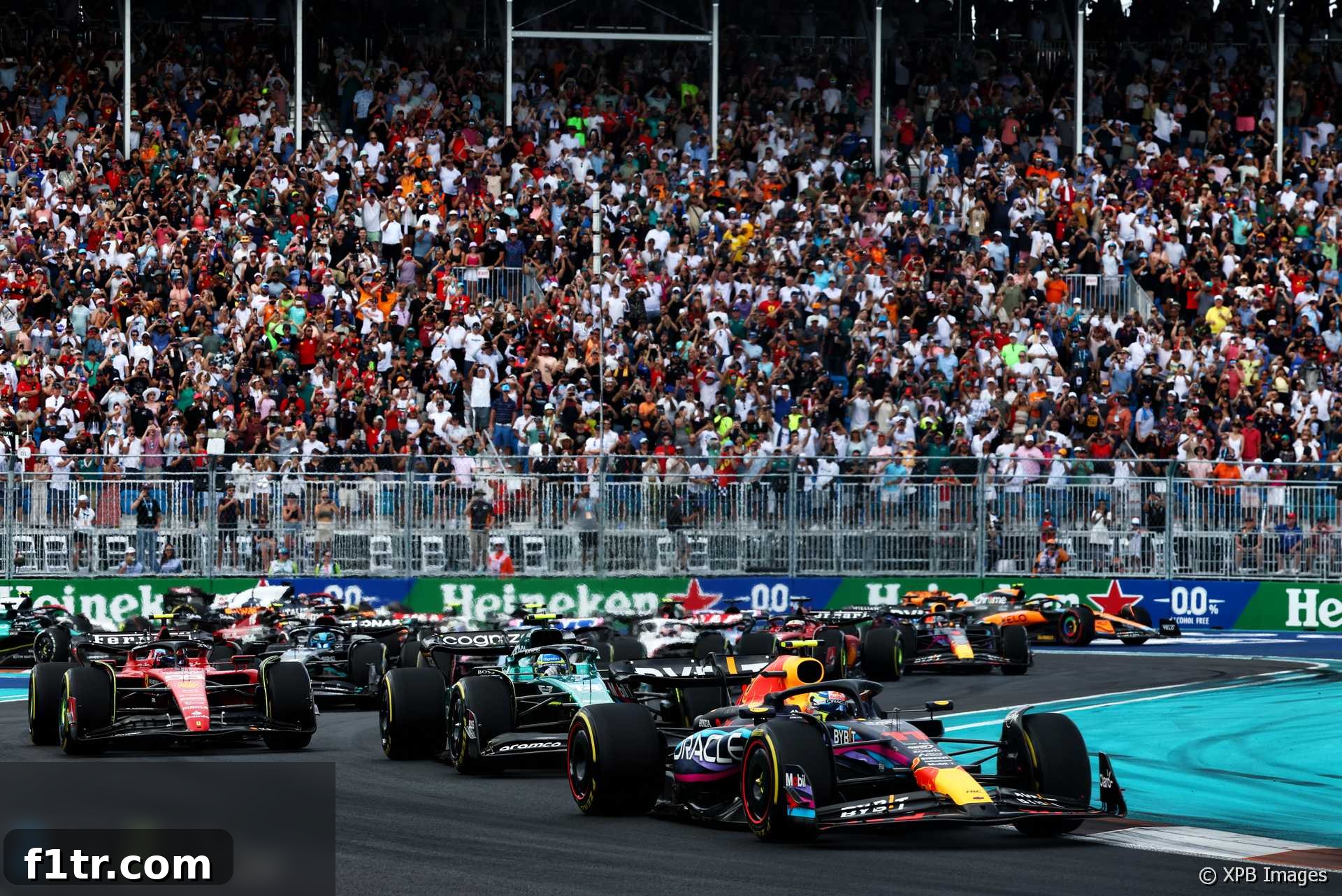
The addition of the Miami International Autodrome further solidifies Formula 1’s rapidly expanding influence and popularity in the United States. Since its dazzling debut in 2022, the Miami Grand Prix has swiftly established itself as a premier event, celebrated for its unique track layout around the Hard Rock Stadium and its vibrant, star-studded atmosphere. By incorporating a sprint race, the Miami weekend will offer an amplified spectacle, presenting fans with two distinct competitive sessions. The semi-street circuit nature of Miami, characterized by its challenging chicanes and high-speed sections, could lead to unpredictable sprint outcomes, potentially influencing the starting grid for Sunday’s main event and demanding innovative strategies from all competitors.
Familiar Battlegrounds Retained for Sprint Excitement
Complementing the new additions, several well-established and fan-favorite circuits will continue their role as sprint race hosts, reaffirming their consistent ability to deliver thrilling action within this innovative format. The legendary Interlagos Circuit in Brazil is scheduled to host a sprint race for an impressive fourth consecutive year. Known for its challenging elevation changes, passionate home crowd, and often unpredictable weather conditions, Interlagos has consistently produced exhilarating sprint races, solidifying its status as a vital and beloved fixture on the sprint calendar.
The picturesque Red Bull Ring in Austria will also continue to utilize the sprint format for a third successive season. This compact circuit, nestled amidst the Styrian mountains, is a frequent generator of close racing due to its short lap length and multiple prime overtaking zones. Its continued inclusion in the sprint schedule is a testament to its proven capability to provide consistent excitement and high-quality racing spectacle.
Moreover, the Circuit of the Americas (COTA) in the United States and the Losail International Circuit in Qatar, both of which successfully debuted sprint races in 2023, are confirmed to return to the sprint roster. COTA’s demanding combination of high-speed corners, technical sections, and significant elevation changes provides a rigorous test for drivers in the shorter race format, often leading to dramatic position changes. Losail, with its floodlit evening race, adds a unique visual dimension and typically offers high-grip conditions that encourage intense, close-quarters battles. These returning venues have demonstrably proven their capacity to deliver captivating sprint action, making them invaluable components of Formula 1’s extended racing calendar.
The Growing F1 Calendar: A Record-Breaking Season Ahead
The 2024 F1 calendar is poised to be the most extensive in the sport’s illustrious history, featuring an unprecedented 24 Grand Prix events across the globe. The strategic integration of six sprint events means that fans can anticipate a staggering total of 30 competitive Formula 1 races throughout the season. This significant increase in track activity reflects Formula 1’s overarching strategy to maximize value for broadcasters, sponsors, and its ever-growing global fanbase, ensuring that nearly every race weekend delivers substantial on-track drama, strategic intrigue, and crucial championship implications. While an expanded calendar inevitably presents logistical challenges for teams, personnel, and organizers, it undeniably boosts the sport’s global spectacle and commercial reach.
The tangible impact of sprint races on the championship narrative was vividly underscored during the thrilling 2023 season. Max Verstappen, who has emerged as one of the sport’s most dominant figures, famously secured his third consecutive world championship by finishing second in the sprint race at the Qatar Grand Prix. This historic and decisive moment, unfolding during the 17th round of a 22-race championship, emphatically highlighted how pivotal sprint race points can be in the overall title contest, adding an extra layer of strategic urgency and pressure for drivers and teams alike. The sprint race offered an early, high-stakes opportunity for Verstappen to clinch the coveted title, transforming what might otherwise have been a routine Saturday into a championship-defining spectacle for millions of viewers worldwide.
The Future of Sprints: Ongoing Discussions and Potential Format Reforms
Since their initial introduction in 2021, Formula 1 sprint races have been a continuous subject of evolution, intense discussion, and periodic refinement. The key stakeholders—Formula 1 management, the FIA, and the sport’s ten competing teams—are actively engaged in ongoing dialogues aimed at further refining the sprint race format. This collaborative and iterative approach is designed to address constructive criticisms, consistently enhance the overall spectacle, and ensure that the sprint format seamlessly complements the traditional Grand Prix weekend without ever detracting from the prestige of the main Sunday race.
Expected Changes to the Weekend Schedule for 2024
One of the most significant and widely anticipated adjustments to the sprint weekend structure is a comprehensive reshuffle of the session order. The primary objective of this forthcoming change is to reinstate the traditional Grand Prix qualifying session to its familiar and highly valued late Saturday afternoon slot. This move is a direct and considered response to extensive feedback from fans, drivers, and various stakeholders who felt that the previous sprint weekend format, which often relegated Grand Prix qualifying to Friday, diminished the crucial build-up and excitement surrounding Sunday’s main event. To effectively achieve this, the sprint race qualifying session (often referred to as ‘Sprint Shootout’) is expected to be moved to Friday, with the actual sprint race itself then taking place earlier on Saturday morning or early afternoon. This meticulously revised schedule aims to create a more logical, coherent, and exciting flow throughout the entire race weekend: Friday would be dedicated to practice and sprint qualifying, Saturday would feature the sprint race followed by Grand Prix qualifying, and Sunday would, as always, host the main Grand Prix. This proposed arrangement is designed to imbue each session with its own clear purpose and distinct significance, thereby significantly enhancing the overall fan and sporting experience.
Considering More Radical Reforms: The Reverse Grid Debate
Beyond the immediate restructuring of the weekend schedule, more ambitious and potentially radical changes to the sprint format are also under active and rigorous consideration. Among the most frequently discussed and debated proposals is the controversial introduction of a reversed or partially reversed starting grid for the sprint race, a concept that has been successfully implemented in Formula 1’s feeder series, Formula 2 and Formula 3. This audacious idea aims to inject an even greater element of unpredictability, unpredictability, and raw excitement into the sprint races by forcing the faster, dominant cars to actively fight their way through the field from a compromised starting position. Proponents of this concept passionately argue that it would inevitably generate more overtaking maneuvers, create thrilling battles throughout the pack, and foster more dramatic and compelling storylines, effectively transforming the sprint into a standalone spectacle rather than merely a preliminary event to the Grand Prix.
However, the concept of a reverse grid is not without its significant controversies and faces considerable opposition from many influential figures within the sport, including a number of prominent drivers and respected team principals. Critics often contend that such a measure would artificially manipulate the sporting outcome, thereby undermining the fundamental principle of pure meritocracy that forms the very bedrock of Formula 1. The sentiment powerfully captured in the widely quoted phrase “F1 is not WWE,” which has been vociferously echoed by numerous drivers, encapsulates the deep-seated concern that such radical changes could potentially transform the sport into a form of entertainment where genuine competitive integrity takes a backseat to manufactured drama and artificial spectacle. These ongoing and often heated discussions vividly highlight the delicate and precarious balance Formula 1 continually seeks to strike between preserving its revered sporting integrity and innovating boldly to attract new global audiences and consistently maintain high levels of excitement and engagement.
The Commercial and Sporting Imperatives Driving Sprint Evolution
The continued presence and dynamic evolution of Formula 1 sprint races are fundamentally driven by a powerful confluence of commercial and sporting imperatives. From a purely commercial standpoint, the introduction of more competitive sessions translates directly into increased and more valuable airtime for global broadcasters, expanded sponsorship opportunities for brands, and a more comprehensive and compelling event package for local promoters. Sprint races effectively add an additional layer of high-value content to the already packed Grand Prix weekend, thereby significantly maximizing the return on investment for all stakeholders involved in the sport’s vast ecosystem.
Sportingly, the overarching aim is to meticulously craft more meaningful and impactful track action throughout the entire weekend. A traditional Grand Prix weekend often features limited truly competitive running before the main event on Sunday, with Friday practice sessions sometimes lacking significant competitive drama or urgency. Sprints are specifically designed to address this by introducing high-stakes racing much earlier in the weekend, thereby forcing teams to adapt their strategies quickly and providing drivers with more opportunities to showcase their exceptional talent and relentlessly battle for crucial championship points. The short, sharp, and intense nature of a sprint race inherently demands a different, more aggressive approach to strategy and execution, frequently leading to thrilling, close-quarters wheel-to-wheel action and dramatic finishes.
Conclusion: Formula 1’s Dynamic Future with Sprint Races
As Formula 1 confidently embraces its longest and most ambitious calendar yet for the 2024 season, the strategic inclusion of six sprint races, featuring exciting new venues like Shanghai and Miami, powerfully underscores the sport’s relentless drive for innovation, global expansion, and universal appeal. The ongoing, transparent dialogue about the sprint format, particularly the anticipated weekend reshuffle and the spirited debate surrounding controversial reverse grids, unequivocally signifies a healthy and proactive commitment to continuously refining and optimizing the product. Formula 1 stands as a sport in perpetual motion, constantly balancing its cherished traditions with an unwavering pursuit of progress, and its unyielding sporting integrity with its crucial entertainment value. The dynamic evolution of the sprint race format serves as a prime and compelling example of this intricate interplay, steadfastly ensuring that the pinnacle of motorsport remains captivating, fiercely competitive, and profoundly relevant for generations of passionate fans across the globe.
Related Formula 1 Articles
- F1 returning to India soon after 2027 sounds like wishful thinking
- Verstappen loathes F1’s new generation of cars – but what do his rivals reckon?
- The ‘throwback weekend’ is back in fashion. But it’s a flawed concept – especially for F1
- Is Formula 1’s double race cancellation a blessing in disguise?
- Todt admits Schumacher crashed on purpose – but did it really cost him two titles?
Browse all Formula 1 articles