Unveiling the Speed: A Deep Dive into the 2018 United States Grand Prix Practice at COTA
The roar of Formula 1 engines echoed across the undulating landscape of the Circuit of the Americas (COTA) as teams and drivers prepared for the 2018 United States Grand Prix. This pivotal weekend, held in Austin, Texas, was more than just another race on the calendar; it was a crucial battleground in the intense championship fight and an opportunity for every team to fine-tune their machines for one of the most demanding circuits. Practice sessions, often overlooked by casual viewers, are the bedrock of a successful race weekend, providing invaluable data and allowing drivers to push the limits in a controlled environment. The 2018 event, in particular, saw a blend of unpredictable weather and high stakes, making the Friday practice sessions an intriguing precursor to the drama that would unfold.
The Crucible of COTA: Circuit of the Americas
Opened in 2012, the Circuit of the Americas quickly established itself as a fan favorite and a driver’s challenge. Its 5.513-kilometer (3.426-mile) layout boasts an exhilarating mix of high-speed straights, technical corners, and significant elevation changes. The iconic uphill Turn 1, often a scene of dramatic overtakes, sets the tone for a lap that includes sweeping ‘esses’ reminiscent of Silverstone and a tight, stadium-like section. Drivers must master the balance between outright speed and tire management, especially with COTA’s characteristic bumps and diverse corner profiles. The track demands peak performance from both aerodynamics and mechanical grip, pushing engineers to their limits to find the optimal setup for Saturday’s qualifying and Sunday’s main event.
Practice Day Dynamics: Laying the Groundwork
Friday at any Grand Prix weekend is dedicated to three free practice sessions (FP1, FP2, FP3 for older formats, here referring to the collective practice day), where teams meticulously work through their test plans. These sessions are vital for various reasons:
- Setup Optimization: Engineers gather data on suspension, aerodynamics, and balance, making micro-adjustments to suit the unique characteristics of the track and the prevailing conditions.
- Tyre Understanding: Pirelli’s tire compounds are put through their paces, with teams assessing degradation, grip levels, and performance across different fuel loads for qualifying and race simulations.
- Driver Familiarization: Even experienced drivers need to re-acclimatize to the track, especially if weather conditions or track surface changes. Rookies or reserve drivers often get a chance to run during FP1, gaining crucial F1 experience.
- Long Run Pace: Simulating race conditions helps teams understand fuel consumption, tire wear, and strategic options for Sunday.
- Aerodynamic Testing: Various aero configurations are tested, sometimes using flow-vis paint, to ensure the car generates optimal downforce and efficiency.
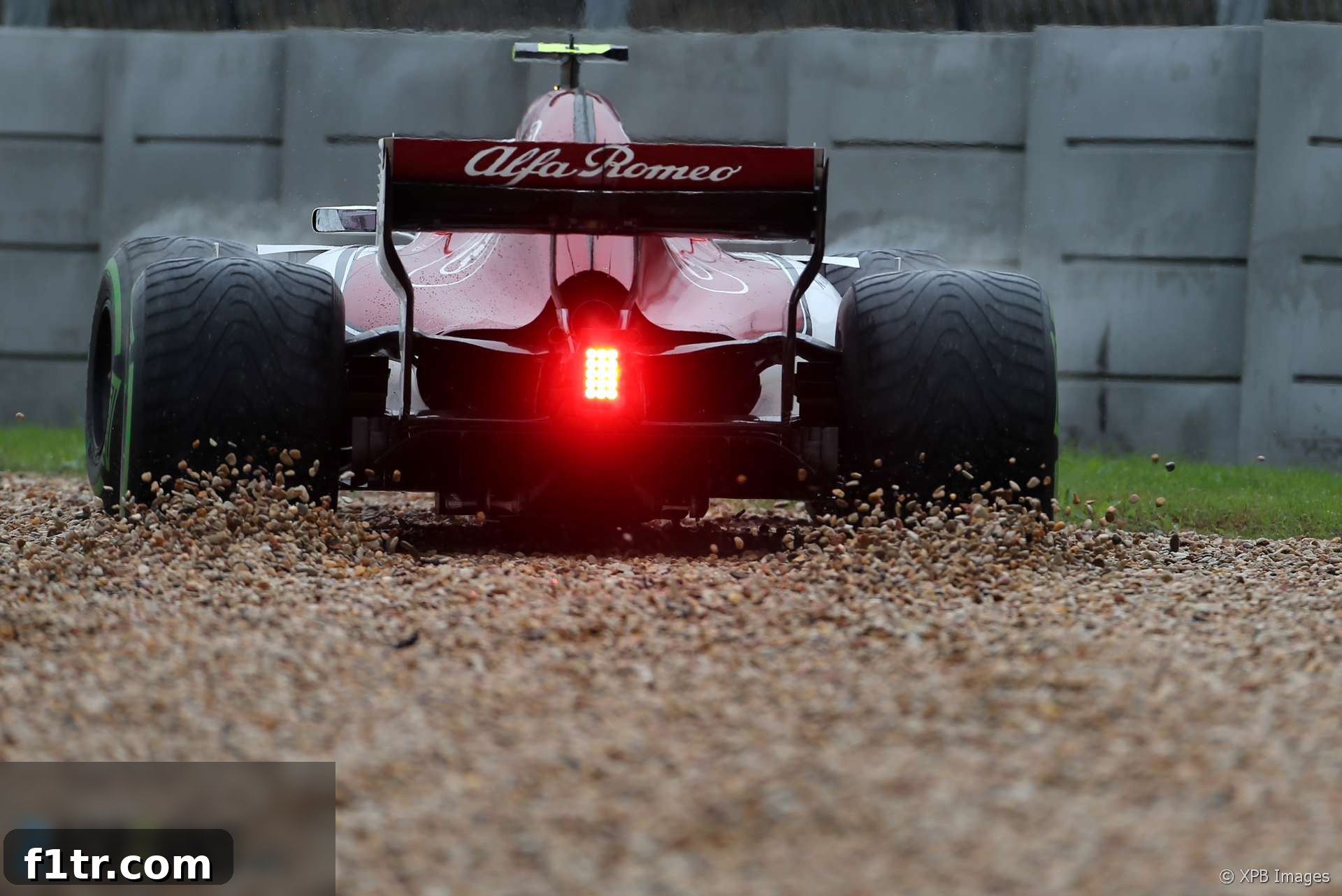
The 2018 United States Grand Prix practice sessions were particularly challenging due to intermittent rain, which added an extra layer of complexity. Teams had to adapt quickly, testing both dry and wet weather setups, gathering data in varying grip conditions, and ensuring their drivers were comfortable with the rapidly evolving track. This unpredictable element often shuffles the pecking order and throws up unexpected challenges, making robust data collection even more critical.
Key Contenders and Emerging Talents on Track
The 2018 Formula 1 season was a thrilling battle between Mercedes and Ferrari, with Lewis Hamilton and Sebastian Vettel vying for the Drivers’ Championship. Red Bull Racing was a consistent threat, often challenging for podiums and race wins. The practice sessions at COTA provided a snapshot of this fierce competition, as drivers pushed their cars to the absolute limit, seeking every tenth of a second that could make a difference.
Mercedes: Hamilton’s Pursuit of Glory
Lewis Hamilton, driving for Mercedes, arrived in Austin with a strong lead in the championship, eyeing a fifth world title. His practice sessions were focused on perfecting his setup for COTA’s unique blend of corners and ensuring his W09 was dialed in for optimal performance. Teammate Valtteri Bottas also played a crucial role, providing comparative data and pushing the car’s limits. Mercedes’ meticulous approach to data analysis and their strong understanding of the circuit made them formidable contenders, even in changing conditions. The Silver Arrows often showcased impressive long-run pace, a testament to their car’s balance and tire management capabilities.
Ferrari: Vettel’s Fight for Redemption
Sebastian Vettel and Ferrari were determined to keep their championship hopes alive. The Scuderia’s SF71H was a strong package, and Vettel was keen to extract every bit of performance. Kimi Raikkonen, his experienced teammate, diligently worked through his own program, contributing valuable feedback. Ferrari’s strategy often involved aggressive qualifying setups, and practice was essential to ensure they could maintain that pace over a full race distance. The team meticulously worked on understanding tire behavior and managing any understeer or oversteer characteristics that the Circuit of the Americas might induce, especially in the technical sections.
Red Bull: Young Guns Pushing Limits
Red Bull Racing, with Max Verstappen and Daniel Ricciardo, consistently demonstrated their car’s excellent chassis and aerodynamic capabilities. COTA’s technical sections suited their RB14, and both drivers were known for their aggressive driving styles. Practice for Red Bull often involved pushing the boundaries of car setup, looking for that extra edge, particularly in the corners where their car excelled. Their performances in practice often highlighted their potential to disrupt the Mercedes-Ferrari dominance, and they were always a threat for pole position and race victories when the conditions aligned.
Midfield Battles and Rookie Impressions
Beyond the top three, the midfield battle was as intense as ever. Force India (Sergio Perez, Esteban Ocon) sought to maximize their points haul, while Renault (Nico Hulkenberg, Carlos Sainz Jnr) aimed to solidify their position. Haas F1 Team (Kevin Magnussen, Romain Grosjean), racing on home soil, were eager to impress. McLaren (Fernando Alonso, Lando Norris) saw seasoned veteran Alonso mentor young talent Norris, who participated in a practice session. Sauber (Charles Leclerc, Marcus Ericsson) showed promising pace, with Leclerc, a future Ferrari star, demonstrating his raw talent. Toro Rosso (Pierre Gasly, Sean Gelael) utilized practice to test new components and develop their young drivers, while Williams (Lance Stroll, Sergey Sirotkin) continued their struggle for performance, using practice to gather crucial development data.
The practice sessions showcased the diverse talent pool of Formula 1, from seasoned champions to promising rookies. Each driver, regardless of their position on the grid, approached practice with the same focus: to extract the maximum performance from their car and prepare for the ultimate test of speed and endurance.
A Glimpse Behind the Lens: 2018 United States Grand Prix Practice Gallery
Experience the raw energy and intense focus of the 2018 United States Grand Prix practice sessions through this exclusive photo gallery. Captured at the iconic Circuit of the Americas, these images showcase the drivers and their magnificent machines navigating the challenging turns, pushing for every millisecond. From championship contenders like Lewis Hamilton and Sebastian Vettel to rising stars and midfield stalwarts, each photograph tells a story of preparation, precision, and the relentless pursuit of speed. Witness the meticulous work of the teams and the sheer determination of the drivers as they fine-tune their cars under the Texas sky, sometimes battling the elements as rain made an appearance.
Beyond Practice: What the Data Revealed
The practice sessions at the 2018 United States Grand Prix laid the foundation for an exciting weekend. Teams gathered immense amounts of data on tire performance, car balance, and driver feedback under varied conditions. The intermittent rain added an unpredictable element, forcing drivers to adapt quickly and demonstrating their versatility. While practice results don’t guarantee race day success, they provide crucial insights into the pecking order and potential strategies. The meticulous work done on Friday set the stage for qualifying battles and, ultimately, the highly anticipated race on Sunday, where every setup choice and driver input would converge into a fight for championship points and glory.
Explore More F1 Content
Delve deeper into the world of Formula 1 with our extensive coverage. Whether you’re seeking more iconic images or detailed race reports, we have a wealth of content to satisfy your F1 passion.
F1 Pictures & Galleries
- 2026 Japanese Grand Prix in Pictures
- 2026 Japanese Grand Prix Qualifying Day in Pictures
- 2026 Japanese Grand Prix Practice in Pictures
- 2026 Chinese Grand Prix in Pictures
- 2026 Chinese Grand Prix Qualifying and Sprint Race Day in Pictures
View More F1 Pictures & Wallpapers
2018 United States Grand Prix Insights
- Verstappen Leaving Rivals Breathless in Mexican Altitude
- Raikkonen Ends Longest-Ever Wait Between Wins
- 300 Team Radio Messages from the United States Grand Prix
- 2018 United States Grand Prix Star Performers
- Top Ten Pictures from the 2018 United States GP
Browse All 2018 United States Grand Prix Articles