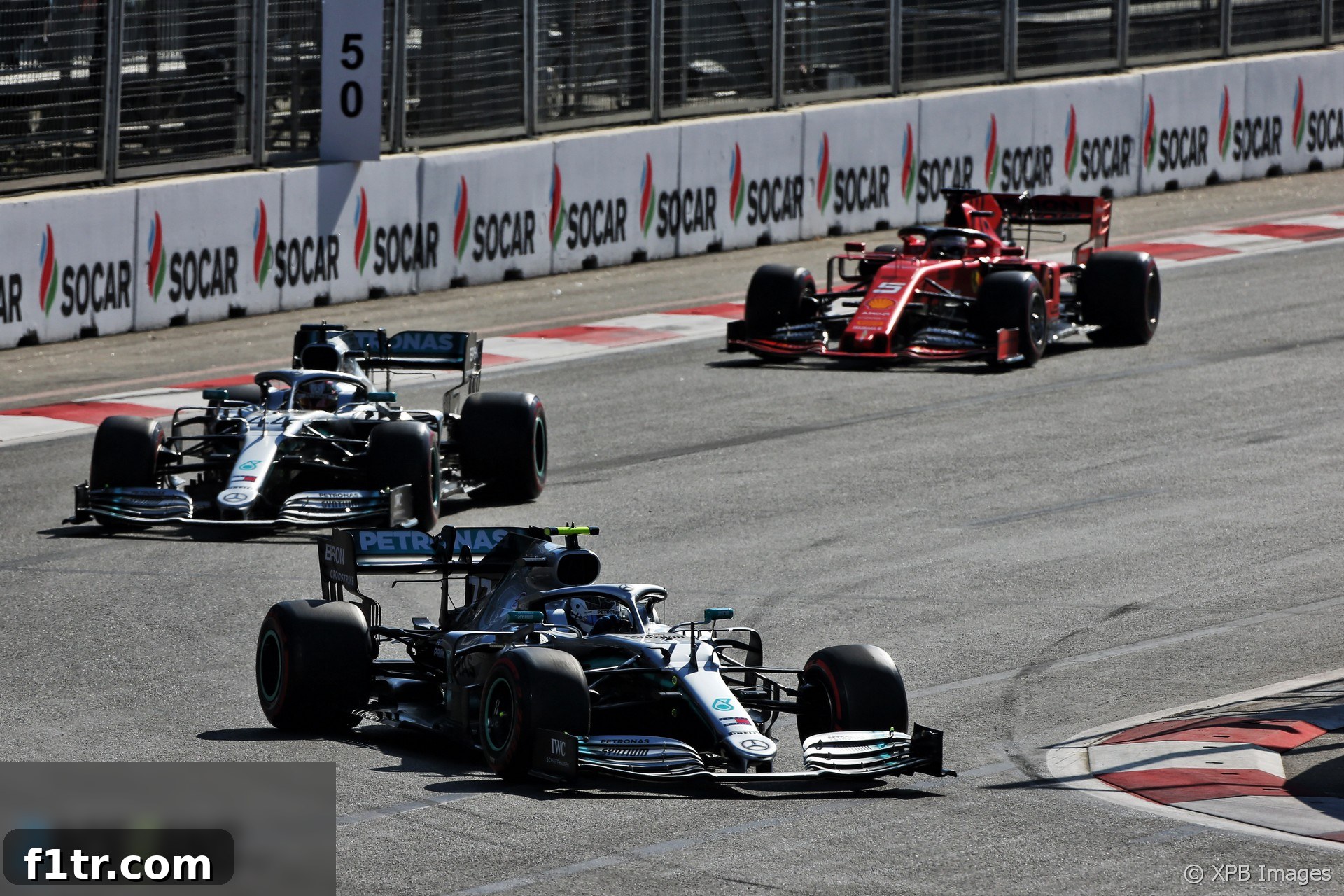
In the high-octane world of Formula 1, where every millisecond counts and championships are decided by the narrowest of margins, the delicate balance between individual driver ambition and team objectives is a constant source of fascination. For the dominant Mercedes-AMG Petronas F1 Team, this dynamic has often been a defining characteristic, particularly during their era of unparalleled success. A prime example of their philosophy in action was evident during the intense 2019 Azerbaijan Grand Prix, where team principal Toto Wolff firmly declared that the fight between his star drivers, Lewis Hamilton and Valtteri Bottas, would not be curtailed. This commitment to letting their drivers race, even under immense pressure, underscores a core tenet of the Mercedes team ethos: a belief in fair competition and the power of sporting integrity.
The 2019 Azerbaijan Grand Prix was a pivotal moment in the early stages of that season. Valtteri Bottas, having secured pole position, was leading the race, but a relentless Lewis Hamilton was hot on his heels, applying immense pressure in the closing laps. The unique demands of the Baku City Circuit, a challenging street track known for its long straights and tight corners, amplified the tension. Spectators and pundits alike braced for potential fireworks, wondering if team orders might be deployed to manage the situation and secure a clean one-two finish. However, as Toto Wolff later confirmed to RaceFans, the idea of intervening and calling off the fight between his two competitive drivers was never on the table for Mercedes.
Wolff’s stance was clear and unwavering: “No, [we] let them race,” he stated emphatically. This wasn’t merely a spur-of-the-moment decision but a reflection of a deeply ingrained philosophy within the Mercedes team. He elaborated on the rationale behind this approach, highlighting the trust and respect he has for his drivers’ capabilities and professionalism. “I think we did, they are experienced, they know that racing must be clean, we see lap one was very clean.” The emphasis on ‘clean racing’ is paramount, especially on a circuit like Baku where the margins for error are minuscule. The high-speed nature of the track, combined with its unforgiving concrete barriers, presents inherent risks. A misjudgment or an overly aggressive move could easily lead to a significant incident, potentially sidelining both cars and costing the team valuable championship points. Wolff’s concern was palpable: “And this is a track where we mustn’t take crazy risks because you could lose both of the cars.” This balanced perspective — encouraging competition while stressing responsibility — is central to Mercedes’ driver management strategy.
Throughout the intense final stages of the race, Toto Wolff was a visible figure on the pit wall, often seen communicating via radio. This naturally led many to speculate whether he was directly instructing his drivers or attempting to influence the outcome of their on-track duel. However, Wolff was quick to dispel such notions, making it abundantly clear that his radio communications were not an intervention in the Hamilton-Bottas battle. The reality of F1 pit wall communication is multifaceted. While certain channels are open and audible to a wider audience, other “intercom” lines are strictly internal, used for strategic discussions among team personnel. It was through these internal channels that Wolff was engaged, rather than speaking directly to his drivers.
Wolff further clarified his personal rule regarding direct communication with drivers during a race, revealing a self-imposed discipline to maintain objectivity. “If I push the driver button, I know it myself, so I am not giving myself permission to talk to the drivers because I get emotional and then sometimes I regret what I say. So I never talk to the drivers directly during the race.” This admission offers a fascinating glimpse into the psychological demands of managing a top-tier Formula 1 team. The pressure is immense, and emotions run high, making disciplined communication crucial. Wolff’s self-awareness in stepping back from direct driver communication highlights his commitment to strategic oversight rather than emotional interference. It ensures that critical race decisions are made based on data and collective expertise, not reactive impulse.
The discussions Wolff was engaged in during those critical laps were, in fact, far broader and more complex than merely managing the lead duo. “It was more a discussion with a group of strategists on the pit wall,” he explained. These conversations delved into a myriad of strategic permutations that are constantly analyzed in real-time during a Grand Prix. “It was a discussion whether Vettel would actually come close, whether we would save the engine, it was about whether Leclerc or Verstappen would go for fastest lap, it was more an overall discussion.” This illustrates the multi-layered challenge of F1 strategy: not only managing your own cars but also constantly monitoring and reacting to the performance and potential threats from rival teams. The strategic team would be weighing factors like engine life, tire wear, fuel consumption, and the looming possibility of a rival clinching an extra point for the fastest lap, all while maintaining awareness of the unfolding intra-team battle at the front. Even amidst these intricate strategic considerations, the decision to allow Hamilton and Bottas to race remained firm. “We acknowledged that it could get a little bit racy at the end, but we didn’t talk to them,” Wolff concluded, underscoring the team’s unwavering commitment to their ‘let them race’ philosophy, trusting their drivers to deliver a clean and thrilling finish.
This approach from Mercedes has been a hallmark of their operation, distinguishing them in an era where team orders have frequently sparked debate and controversy across the paddock. The philosophical underpinning of ‘letting them race’ goes beyond just the immediate result of a single Grand Prix. It fosters a culture of fierce but fair competition within the team, which in turn motivates both drivers to extract every ounce of performance from themselves and their machinery. For the fans, it translates into pure, unadulterated racing spectacle, devoid of artificial interventions that can often diminish the thrill of wheel-to-wheel combat. While managing such intense rivalries, as seen with the famous battles between Lewis Hamilton and Nico Rosberg in previous seasons, can be incredibly challenging for a team principal, it ultimately strengthens the team’s reputation for sporting integrity and provides compelling narratives that resonate deeply with the global F1 audience.
In conclusion, Toto Wolff’s firm stance during the 2019 Azerbaijan Grand Prix was not an isolated incident but a clear affirmation of Mercedes’ long-standing commitment to fair play and exciting competition. By allowing Lewis Hamilton and Valtteri Bottas to race freely, the team not only delivered a thrilling conclusion to the Grand Prix but also reinforced its brand identity as a purveyor of true sporting excellence. This philosophy, while carrying inherent risks, ultimately pays dividends in terms of driver motivation, team morale, and, crucially, fan engagement. It reminds us that at the heart of Formula 1 lies the exhilarating pursuit of speed and victory, best achieved when the most skilled drivers are given the freedom to push the limits, knowing their team trusts them to race cleanly and responsibly. The legacy of Mercedes’ dominance is as much about their engineering prowess as it is about their unwavering belief in the spirit of competition.
Key Moments from the 2019 F1 Season
- Intense Driver Rivalries Defined the Championship
- Groundbreaking Technical Innovations on Display
- Reliving the Most Thrilling Races of 2019
- How the 2019 World Championship Was Won
- Deep Dive into Key Team Strategies from the Season
Browse all 2019 F1 season articles and analysis