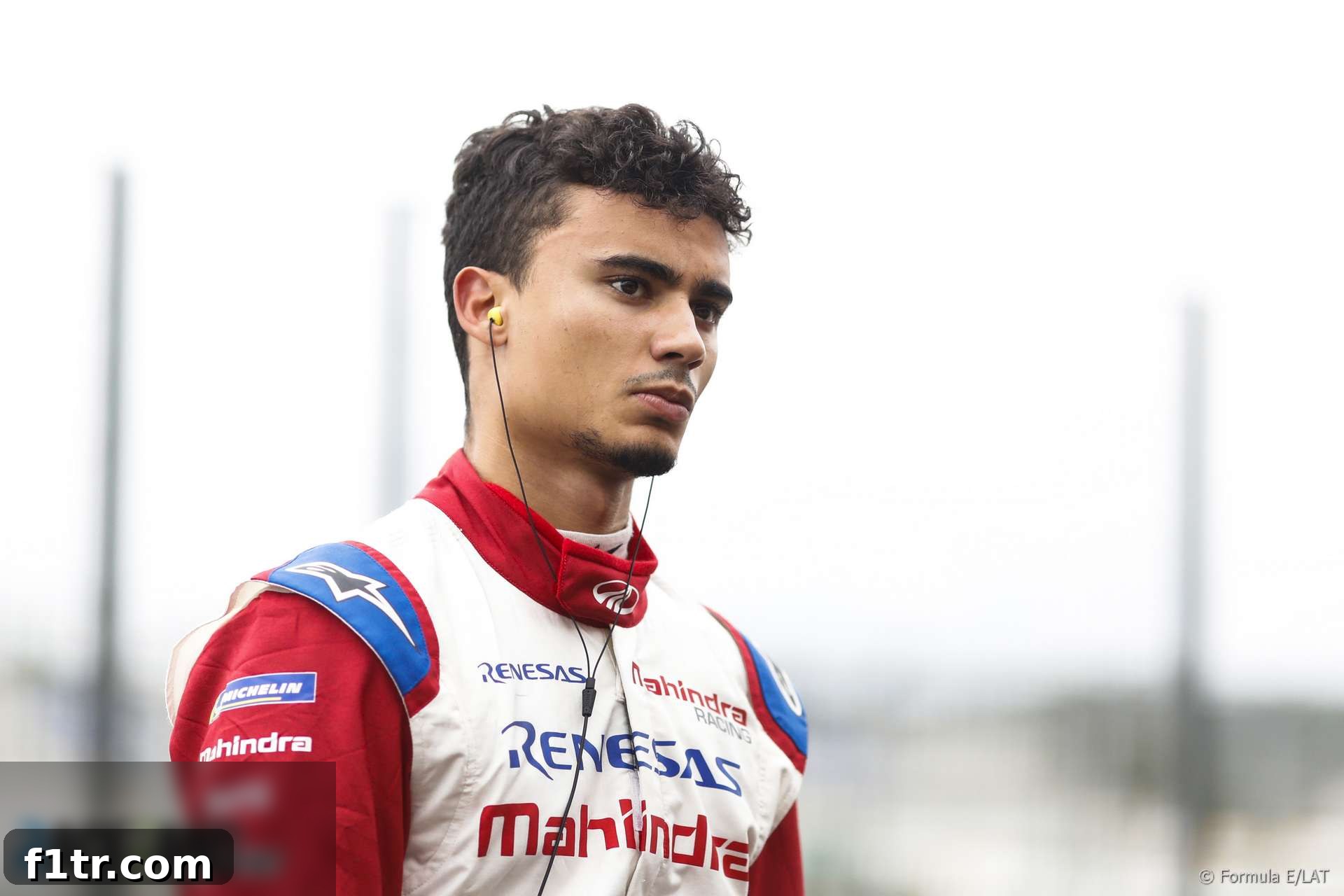
Pascal Wehrlein: No Confirmation Yet on Ferrari Simulator Role for 2019 F1 Season
Former Formula 1 driver and DTM champion, Pascal Wehrlein, has addressed recent speculation linking him to a crucial simulator driver position at Ferrari for the highly anticipated 2019 F1 season. Speaking exclusively to RaceFans from Morocco, where he recently made his Formula E debut for Mahindra Racing, Wehrlein firmly stated that “nothing confirmed” his potential move to the iconic Italian Scuderia.
The murmurs of Wehrlein joining Ferrari’s ranks began circulating following the departure of two key simulator drivers from the previous season. Both Antonio Giovinazzi and Daniil Kvyat, who contributed significantly to Ferrari’s development work in 2018, have secured race seats for the upcoming Formula 1 season. Giovinazzi will be driving for Sauber, while Kvyat makes his return to Toro Rosso, creating a vacant and vital role within Ferrari’s technical setup that an experienced driver like Wehrlein would be perfectly suited for.
The Pivotal Role of a Formula 1 Simulator Driver
In modern Formula 1, the role of a simulator driver has evolved from a supporting position to an absolutely critical component of a team’s performance and development strategy. These drivers spend countless hours “behind the wheel” of highly sophisticated simulators, meticulously replicating real-world track conditions, testing new aerodynamic components, suspension setups, and power unit mapping. Their feedback is invaluable, allowing engineers to gather crucial data and make informed decisions about car development and race strategy before ever hitting the actual circuit.
For a top-tier team like Ferrari, vying for championship glory, the quality and experience of their simulator drivers are paramount. They need individuals who possess a deep understanding of Formula 1 machinery, exceptional technical sensitivity, and the ability to articulate precise feedback to engineering teams. The simulator work often continues late into the night during Grand Prix weekends, providing real-time data and setup adjustments that can be the difference between victory and defeat. Losing two experienced hands like Giovinazzi and Kvyat, who were deeply integrated into Ferrari’s operational rhythm, undeniably creates a significant void that needs to be filled by a driver of considerable talent and F1 pedigree.
Pascal Wehrlein’s Journey: From DTM Champion to F1 Contender
Pascal Wehrlein’s motorsport career has been marked by remarkable highs and a testament to his adaptability across various racing disciplines. A prodigious talent, he burst onto the international scene by becoming the youngest-ever DTM champion in 2015, showcasing immense speed and race craft. This impressive achievement quickly propelled him into Formula 1, where he made his debut with Manor Racing in 2016, a challenging but character-building year where he often punched above the car’s weight, notably scoring a point in Austria.
In 2017, Wehrlein moved to Sauber (now Alfa Romeo Racing), where he continued to demonstrate his capabilities, securing valuable points finishes that were crucial for the team. Despite his strong performances, he lost his F1 seat at the end of that season, leading to a return to the DTM series for 2018. However, his passion for single-seater racing remained undimmed, leading him to pursue a new and exciting chapter in Formula E for the 2018-19 season with Mahindra Racing. Wehrlein’s diverse experience in F1 and DTM, combined with his technical understanding, makes him an exceptionally well-rounded driver, perfectly suited for detailed development work like a simulator role.
Formula E: A Strategic Move and a Platform for Flexibility
Wehrlein’s transition to Formula E is not merely a lateral career move but a deeply strategic decision, as he himself explained. He views the electric single-seater championship as the “best option” for his future in single-seater racing. This perspective is shaped by the rapid growth of Formula E, its innovative technology, and its increasing relevance within the global motorsport landscape. Beyond the technical appeal, Wehrlein also highlighted a significant practical advantage of the Formula E calendar: its inherent flexibility.
“One thing which is really positive about Formula E as well – apart from [that] I wanted to be in Formula E, for me it was the best option, I see my future in a single-seater – is that you can do something else as well,” Wehrlein remarked. The season typically starts early and concludes earlier than many other major championships, creating opportunities for drivers to undertake additional racing commitments. This unique scheduling allows talents like Wehrlein to explore “one or two programmes” alongside their Formula E duties, fulfilling his desire to “be in a car every week” and maximize his racing involvement. This adaptability is precisely why a role like Ferrari’s simulator driver could seamlessly integrate into his broader career ambitions.
The Ferrari Link: Speculation, Opportunity, and Wehrlein’s Stance
The link between Pascal Wehrlein and Ferrari is undoubtedly an intriguing one, sparked by the clear vacancy within the Scuderia’s simulator team. With Antonio Giovinazzi heading to Sauber and Daniil Kvyat returning to Toro Rosso, Ferrari is actively seeking drivers with Formula 1 experience and an acute sense of car development. Wehrlein, with his F1 track record and DTM championship credentials, fits the profile perfectly. His proven ability to provide detailed technical feedback and adapt quickly to different machinery would be a significant asset to any top F1 team.
However, despite the logical connection and clear mutual benefits, Wehrlein remains pragmatic, emphasizing that nothing has been officially confirmed. The world of Formula 1 team appointments, especially for crucial behind-the-scenes roles, often involves protracted negotiations and strict confidentiality until an official announcement is deemed appropriate. For a team like Ferrari, maintaining secrecy around technical and personnel matters is standard practice. Therefore, Wehrlein’s “nothing confirmed” statement, while leaving the door open, also reflects the cautious approach often required in high-stakes motorsport negotiations.
Beyond the Simulator: Wehrlein’s Broader Ambitions and Future Prospects
While the Ferrari simulator role remains unconfirmed, Wehrlein’s broader outlook for 2019 is one of enthusiasm and ambition. He hinted at the possibility of entering another racing series alongside his Formula E commitments, stating, “There could be something else where I’m racing… But it’s also not confirmed yet.” This desire to maintain a busy racing schedule underscores his passion for the sport and his commitment to staying sharp and competitive across different disciplines.
His prior experience of effortlessly switching between categories, as demonstrated by his F1 to DTM and now to Formula E transitions, gives him confidence. “I’ve changed a series in the previous three or four years quite often,” said Wehrlein. “For me I find it easy to do those changes.” At just 24 years old, Wehrlein views 2019 as a pivotal year, a “new chapter” in his career. With the potential for multiple racing programmes, whether including a high-profile simulator role or another competitive series, he anticipates an “interesting year” ahead. This versatility and drive position Pascal Wehrlein as one of motorsport’s most dynamic and sought-after talents, with a future that looks bright and packed with racing action.
Related Motorsport Insights for the 2019 F1 Season
To further explore the events and key narratives shaping the 2019 Formula 1 season and beyond, consider delving into these related articles and analyses:
- Crying in the Melbourne car park at 2019 grand prix was my career low – Ocon
- McLaren Racing reports reduced £71 million loss in 2019
- Kvyat: Hockenheim podium last year was “my biggest achievement” so far
- How the FIA’s new encrypted fuel flow meter targets Ferrari’s suspected ‘aliasing’ trick
- “He smashed my office door”: 23 must-see moments from ‘Drive to Survive’ season two
Browse all 2019 F1 season articles