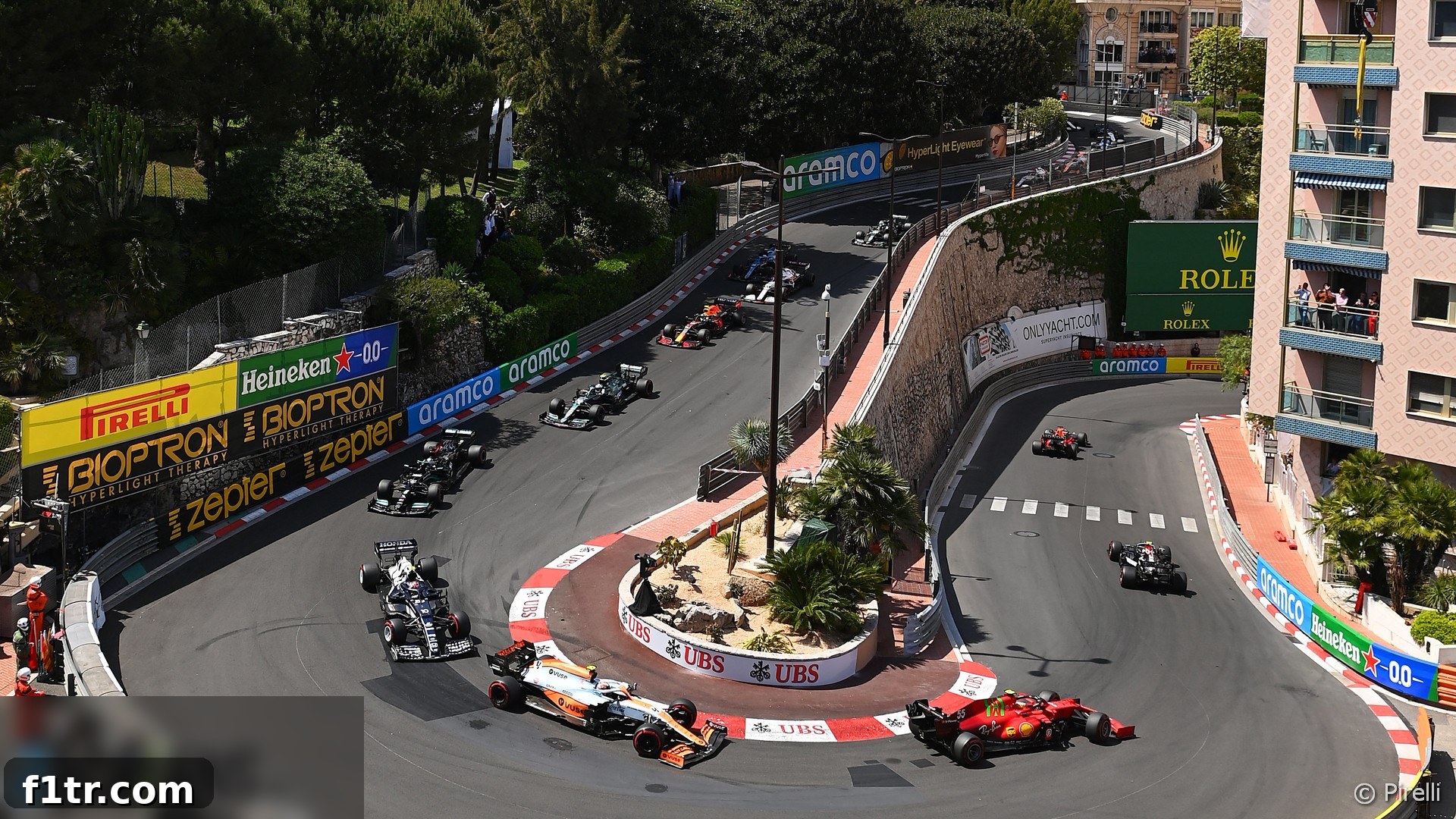
Monaco Grand Prix Future Secure: President Dismisses Calendar Exit Rumours
The iconic Monaco Grand Prix, a crown jewel in the Formula 1 calendar, is not at risk of losing its coveted spot, according to Michel Boeri, president of the Automobile Club de Monaco (ACM). These reassuring comments come amidst swirling speculation regarding the future of several historic European races, fueled by Formula 1’s ambitious global expansion plans and increasing financial demands.
Monaco, synonymous with glamour, challenge, and unparalleled racing heritage, has been a cornerstone of the sport for decades. Its narrow, twisting street circuit through the principality’s affluent districts presents a unique test unlike any other on the global stage. The idea of Formula 1 without Monaco sends shivers down the spines of purists and fans alike, making Boeri’s definitive stance a significant relief for many within the sport.
Addressing the Speculation: High Stakes Negotiations
Speaking confidently at an ACM meeting, Boeri directly confronted the rumours that have been circulating with increasing intensity. “People have been talking about supposed difficulties after this year in organising Grands Prix, Liberty Media’s financial demands being too high for Monaco, and that our Grand Prix is going to disappear,” Boeri stated, in comments widely reported by local media. His response was unequivocal: “It’s not true.”
Boeri’s assertion underscores the ongoing dialogue between the ACM and Liberty Media, Formula 1’s commercial rights holder. He confirmed, “We are still in talks with them and now we have to materialise by signing a contract. I don’t know if the contract will last three or five years, but these are just details.” This pragmatic outlook suggests that while negotiations involve complex details, the fundamental commitment to keeping Monaco on the calendar remains firm. The “details” of contract length and financial arrangements, while crucial, are framed as solvable hurdles rather than insurmountable obstacles.
The core of the issue, as hinted by Boeri, revolves around the evolving financial landscape of Formula 1. Liberty Media has demonstrated a clear strategy of maximizing revenue through higher race hosting fees, and new venues are often willing to pay a premium to join the elite F1 club. This puts pressure on traditional races, which may not have the same financial leverage or may operate under different long-standing agreements.
Monaco’s Unrivaled Legacy and Unique Value Proposition
The Monaco Grand Prix boasts a history few sporting events can match. It first hosted a Grand Prix in 1929, predating the official Formula 1 World Championship by 21 years. It was an integral part of the inaugural championship season in 1950, and since its return to the schedule in 1955, it has missed only one year – 2020, due to the global COVID-19 pandemic. This unbroken run is a testament to its enduring appeal and significance.
But Monaco’s value extends far beyond its historical tenure. It offers a truly unique spectacle that no purpose-built circuit can replicate. The challenging street circuit, with its tight corners like Mirabeau and Rascasse, the iconic Fairmont Hairpin (Loews), and the thrilling tunnel section, demands absolute precision and courage from drivers. It is a circuit where driver skill often triumphs over raw car performance, leading to legendary moments and unexpected heroes.
Furthermore, Monaco is synonymous with glamour and prestige. The principality transforms into a vibrant hub of luxury and celebrity during the Grand Prix weekend, attracting a global audience that transcends traditional motorsport fandom. This unparalleled blend of sporting challenge and high-profile entertainment provides immense marketing and branding value for Formula 1, making it a difficult asset to relinquish, even in the face of escalating financial demands.
The Expanding F1 Calendar: A Global Vision
The context for these discussions is Formula 1’s rapidly expanding calendar. The 2022 season was originally set to feature a record 23 races, once a replacement for the cancelled Russian Grand Prix was found. Looking ahead, two further high-profile events are slated to join the schedule in 2023: Qatar and the highly anticipated Las Vegas Grand Prix. The announcement of the latter in particular, which will push F1 close to its self-imposed limit of 24 races per season, intensified fears that some existing European rounds would be squeezed out.
Liberty Media’s strategy is clear: grow the sport’s global footprint, tap into new markets, and maximize revenue streams. New races in strategically important regions, especially those with significant commercial potential like the USA, are highly sought after. While this expansion brings new fans and greater financial stability to F1, it inevitably creates pressure on the established races, particularly those in Europe which form the traditional heartland of the sport.
The challenge for traditional venues like Monaco, Monza, and Spa-Francorchamps is to demonstrate their continued relevance and unique value proposition in an increasingly crowded and competitive calendar. While new venues often offer state-of-the-art facilities and substantial financial packages, they rarely possess the historical gravitas and unique character that define Monaco.
Navigating the Future: A Balancing Act for Formula 1
The ongoing negotiations with the Automobile Club de Monaco highlight a critical balancing act for Formula 1’s leadership. On one hand, there’s a strong commercial drive to expand into new, lucrative territories and maximize profits. On the other, there’s the imperative to preserve the sport’s rich history, tradition, and the circuits that have defined its legacy.
Monaco represents the very essence of Formula 1’s heritage. Its potential absence from the calendar would be perceived by many as a significant loss, not just for its unique racing spectacle but for the soul of the sport itself. While the “financial demands” are clearly a point of negotiation, Liberty Media understands the unique prestige and brand enhancement that Monaco brings to the entire F1 ecosystem.
Michel Boeri’s confident dismissal of the rumours suggests a belief within the ACM that a mutually beneficial agreement will be reached. The duration of the contract, whether three or five years, may indeed be a detail in the larger picture of ensuring the Grand Prix’s continuity. It signals a recognition by both parties of Monaco’s irreplaceable status and its enduring appeal to drivers, teams, and fans worldwide.
As Formula 1 continues its global ascent, the resolution of the Monaco Grand Prix contract will serve as a significant indicator of how the sport intends to balance its commercial ambitions with its storied past. For now, the reassuring words from the ACM president suggest that the principality’s unique street circuit will continue to host the most glamorous race on the calendar, much to the delight of motorsport enthusiasts globally.