Sebastian Vettel Leads Calls for Early Warnings as Super Typhoon Hagibis Threatens Japanese Grand Prix
As Super Typhoon Hagibis loomed large over the Suzuka International Racing Course, threatening to disrupt the 2019 Japanese Grand Prix, seasoned Formula 1 driver Sebastian Vettel emerged as a prominent voice, urging organizers to prioritize public safety by providing timely warnings if Saturday’s track action faced cancellation. The impending arrival of the formidable typhoon brought with it forecasts of strong winds and torrential rain, casting a long shadow over the crucial practice and qualifying sessions.
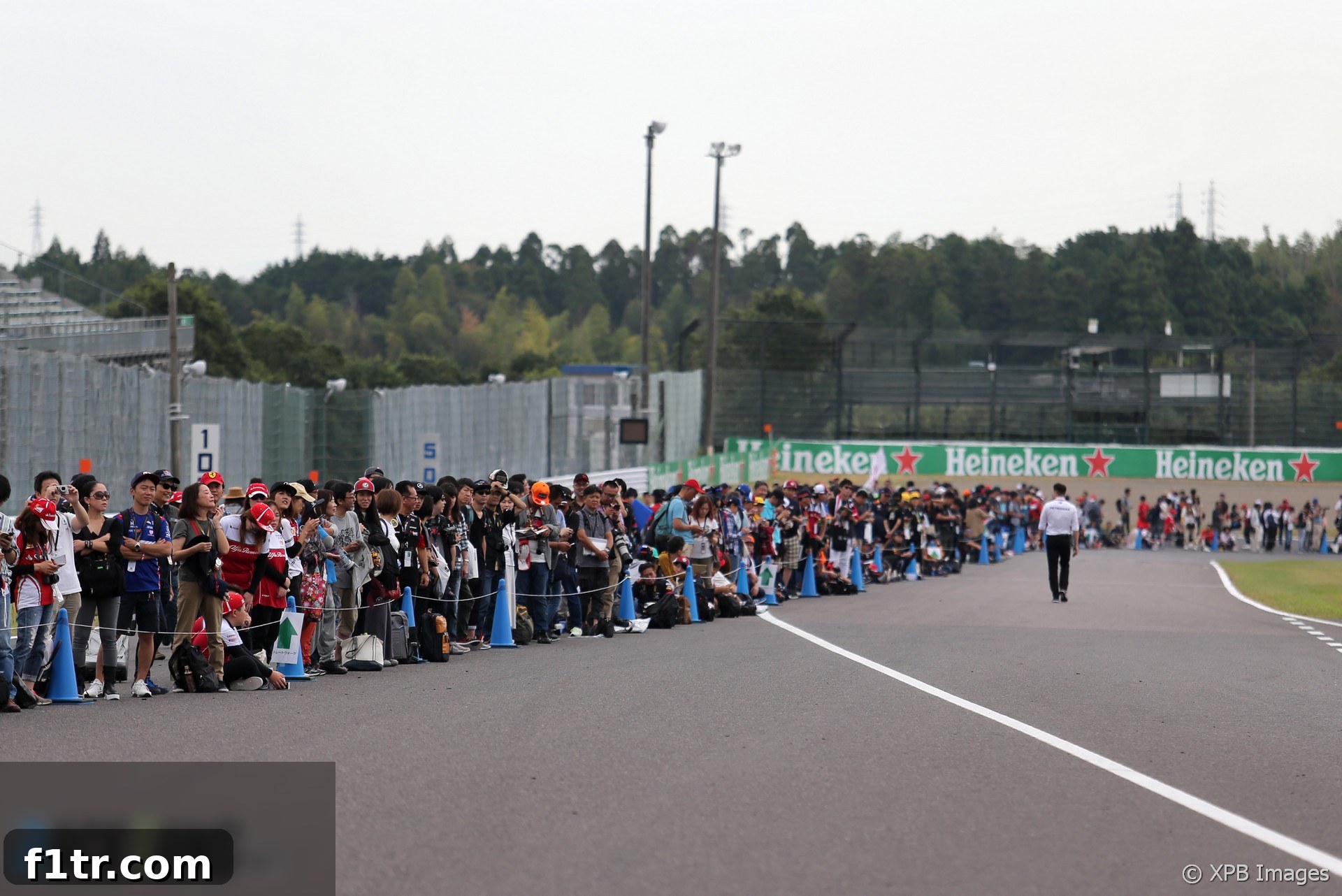
Vettel, a four-time world champion and a respected figure within the paddock, articulated a clear concern for the thousands of dedicated fans expected to descend upon Suzuka. He emphasized that while the teams and drivers enjoy the relative comfort and safety of their garages, the spectators are left exposed to the elements. His plea for proactive communication underscored the moral responsibility of event organizers to protect attendees from potential harm and severe discomfort caused by extreme weather conditions.
The Unpredictable Nature of Typhoons and the Imperative of Safety
Speaking to the media amidst the growing apprehension, Vettel remarked, “I don’t think anybody wants to put anybody’s life in danger. So I think we need to keep things a bit on the ground. Obviously there is a forecast but how many times forecasts have changed, I don’t know.” He acknowledged the inherent uncertainty in long-range weather predictions but stressed the necessity of acting decisively when the evidence becomes overwhelming. At the time, the forecast indicated a “hundred percent” likelihood of the typhoon’s impact, making the situation undeniably clear.
Vettel drew parallels to other rain-affected races, where red flags are deployed, and sessions might never resume. However, he highlighted that a typhoon presents a far more severe challenge than mere heavy rainfall, extending beyond track conditions to encompass broader public safety. “For us it’s nice and cosy in the garage,” he explained, distinguishing the sheltered environment of the pit lane from the precarious situation of spectators. “We’re sheltered – but for all the people to see around the track on the grandstands et cetera, I think it’s not so nice if you sit there and 80kph of wind blasting in your face and the rain comes sideways.” This vivid description powerfully conveyed the miserable and potentially dangerous conditions fans could face without adequate warning.
The call for early action was not just about comfort; it was deeply rooted in safety. Vettel suggested that by Friday night, if there was sufficient evidence, organizers should be prepared to make a definitive proposal or take action regarding Saturday’s schedule. Such foresight would allow fans to adjust their plans, seek shelter, or avoid unnecessary travel to the circuit, thereby mitigating risks associated with travel in extreme weather and preventing large crowds from being stranded in hazardous conditions.
Pierre Gasly’s First-Hand Experience Reinforces Concerns
Adding weight to Vettel’s sentiments was Pierre Gasly, who brought a crucial element of personal experience to the discussion. Gasly had previously endured a double race cancellation at Suzuka in a 2017 Super Formula round, also due to a typhoon. His direct encounter with such an event made his comments particularly poignant and relatable for many within the racing community.
Gasly unequivocally echoed Vettel’s concerns, reiterating the dual importance of both participant and public safety. “Of course there is our safety which is important but also if it’s as they say like a 150kph winds, a typhoon and people trying to come to the track, you don’t want anything bad to happen,” he stated. The prospect of fans attempting to reach the circuit amid typhoon-force winds and torrential rain presented a significant logistical and safety nightmare. Gasly emphasized that the earlier organizers could communicate their decision, the better it would be for everyone involved.
While acknowledging the immense difficulty of making such a call, Gasly’s experience highlighted the critical need for a proactive approach. Cancelling sessions carries significant financial and logistical implications, but the potential cost of inaction, particularly concerning human lives and safety, far outweighs these considerations. His testimony served as a stark reminder of the real-world impact typhoons can have on motorsport events and the communities surrounding them.
The Impact of Super Typhoon Hagibis on Formula 1 Logistics and Fan Experience
Super Typhoon Hagibis, characterized by its immense power and destructive potential, represented a formidable challenge for the meticulously planned Japanese Grand Prix. Unlike typical rain delays, a typhoon brings with it sustained hurricane-force winds, intense rainfall, and the risk of flooding and infrastructure damage. For an event like Formula 1, which relies heavily on precise scheduling, extensive infrastructure, and the movement of thousands of personnel and equipment, such a natural disaster poses unprecedented logistical hurdles.
The decision to cancel or reschedule track sessions is never taken lightly. It involves complex considerations, including the safety assessments from local authorities, the FIA (Fédération Internationale de l’Automobile), and Formula 1 management. The financial ramifications for organizers, broadcasters, and sponsors are substantial, as are the impacts on travel and accommodation for tens of thousands of international and domestic fans. However, paramount to all these considerations is the safety and well-being of everyone present.
For the average fan, attending a Formula 1 Grand Prix is often the culmination of months of planning and significant financial investment. Travel arrangements, hotel bookings, and non-refundable tickets mean that any uncertainty or last-minute cancellation can cause immense frustration and financial loss. More importantly, arriving at a circuit only to find it unsafe or closed due to extreme weather puts individuals at direct risk, especially if public transport is disrupted or shelter is inadequate. This is precisely the scenario Vettel and Gasly wished to prevent, advocating for a clear, decisive communication strategy that empowers fans to make informed decisions for their own safety.
Broader Implications for F1’s Commitment to Safety
The incident surrounding Typhoon Hagibis at Suzuka brought into sharp focus Formula 1’s overarching commitment to safety, extending beyond the track to the entire event ecosystem. While the sport has made tremendous strides in driver safety over the decades, the challenges posed by natural disasters underscore the need for comprehensive safety protocols that include public welfare. This involves robust contingency planning, effective communication channels, and a willingness to make difficult decisions in the face of commercial pressures.
The collective calls from experienced drivers like Sebastian Vettel and Pierre Gasly serve as a powerful reminder that while the spectacle of racing is thrilling, human safety must always remain the ultimate priority. Such events test the adaptability and resilience of Formula 1 as a global sport, demanding that it remains responsive to environmental threats and accountable to its fan base. The proactive stance advocated by the drivers highlights a maturing approach to event management, where preventative measures and transparent communication are valued alongside competitive excellence.
Ultimately, the episode at Suzuka reinforced a crucial lesson: in an increasingly unpredictable world, major sporting events must develop robust strategies to navigate extreme weather, ensuring that the passion for motorsport never compromises the fundamental right to safety for everyone involved, from the drivers on track to the devoted fans in the grandstands.
2019 F1 season
- Crying in the Melbourne car park at 2019 grand prix was my career low – Ocon
- McLaren Racing reports reduced £71 million loss in 2019
- Kvyat: Hockenheim podium last year was “my biggest achievement” so far
- How the FIA’s new encrypted fuel flow meter targets Ferrari’s suspected ‘aliasing’ trick
- “He smashed my office door”: 23 must-see moments from ‘Drive to Survive’ season two
Browse all 2019 F1 season articles