2020 F1 Pre-Season Testing: Decoding Early Insights and Mileage Matters in Barcelona
As the engines roared to life for the 2020 Formula 1 pre-season testing in Barcelona, the paddock buzzed with anticipation and caution. While headline lap times often capture immediate attention, seasoned observers and team principals alike know that these early figures offer little in the way of definitive insight into the pecking order for the upcoming season. The primary objectives at this nascent stage are far more fundamental than outright pace: reliability, extensive data collection, and a thorough understanding of the intricate new machinery.
Understanding the Elusive Lap Times: A Deceptive Indicator of Pace
The quest for speed is inherent in Formula 1, but during pre-season testing, lap times are notoriously misleading. Teams operate with varying fuel loads, engine modes, and tire compounds, all of which significantly impact lap performance. A car running on low fuel with the softest tires and an aggressive engine map will naturally post faster times than one laden with fuel, on harder compounds, and a conservative engine setting focused on long-run data acquisition. The difference between a full tank and a nearly empty one can be as much as three seconds per lap, making direct comparisons between teams’ best times a perilous exercise.
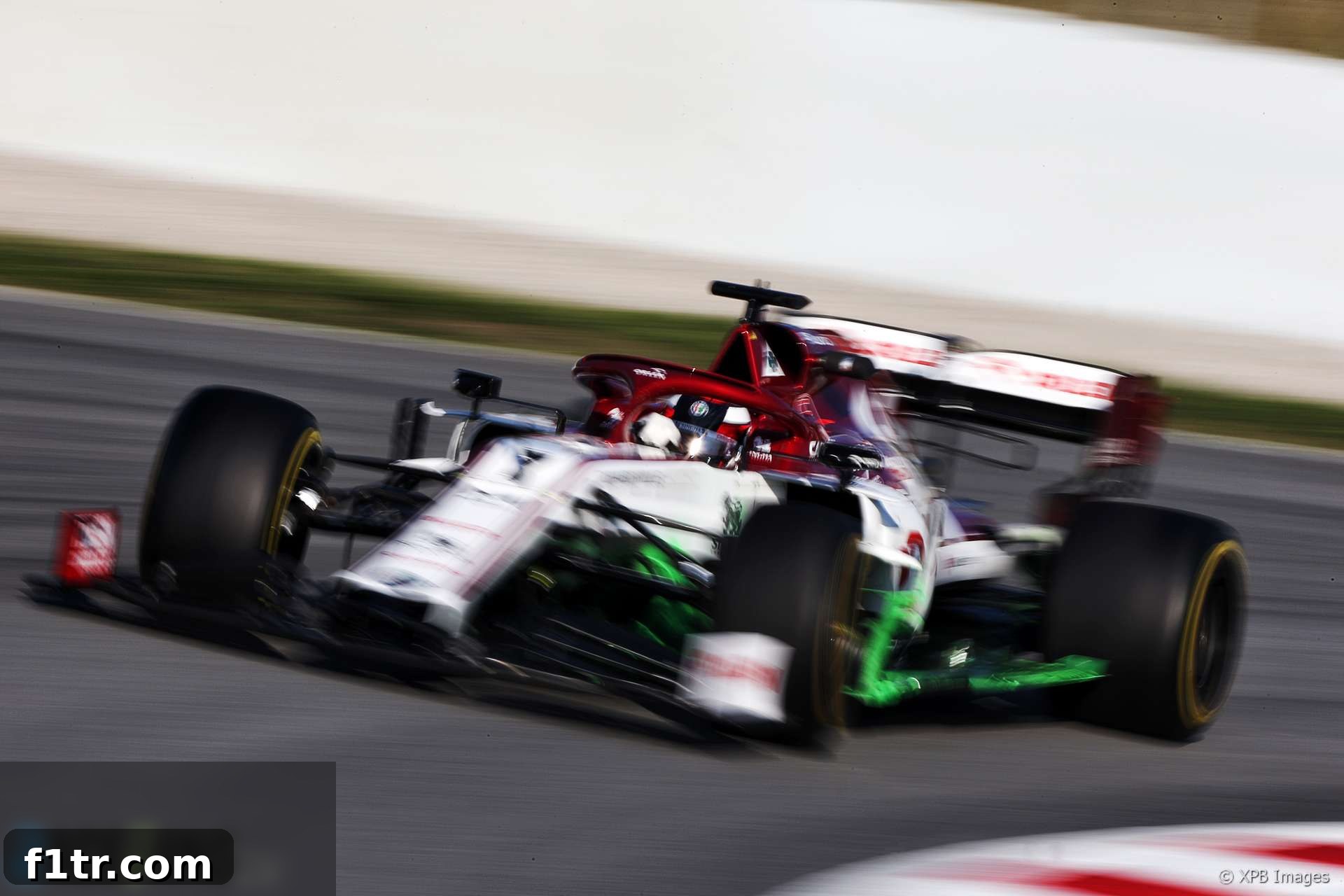
One notable performance came from Alfa Romeo, with Kimi Raikkonen at the wheel, who managed to beat his team’s best time from the previous year. While this might signal a step forward for the Swiss-Italian outfit, it’s crucial to note that Raikkonen achieved this feat using the softest C5 compound tyres. This indicates a potential focus on qualifying simulations or extracting maximum one-lap pace, rather than a definitive statement on their race-day competitiveness. Nevertheless, for Alfa Romeo, such a performance provides a morale boost and suggests their new challenger, the C39, possesses inherent speed that can be further unlocked for the upcoming season.
Interestingly, after the initial days of testing, a mere one-and-a-half seconds separated the fastest team from the slowest. This narrow spread hints at a potentially competitive season, but again, the nuances of testing programs prevent any conclusive judgments. The true picture will only begin to emerge as teams transition from reliability runs to performance simulations in the later stages of testing, and ultimately, at the first Grand Prix of the season.
The Paramount Importance of Mileage: Reliability and Data Acquisition
While outright speed remains a long-term goal, the immediate priority for all teams during pre-season testing is accumulating mileage. Reliability is the bedrock of any successful Formula 1 campaign, and the only way to validate a new car’s systems and components is to run them extensively. High mileage translates directly into more data, which is invaluable for engineers to understand the car’s behaviour, identify potential weaknesses, and fine-tune its setup. Every kilometer completed provides crucial feedback, validating aerodynamic concepts, powertrain integration, and chassis integrity under various conditions.
After two days of intense running, most teams had successfully surpassed the 1,100-kilometre mark, a testament to the general robustness of the 2020 challengers. This collective strong start suggests that the field, on the whole, has produced reliable cars capable of consistent running. However, there was one significant exception to this trend: Renault. The French constructor was notably lagging, yet to cross the 1,000-kilometre threshold, placing them under considerable pressure as the clock ticked down on the first test session.
Team-Specific Challenges and Early Performance Indicators
Mercedes: A Display of Unwavering Reliability and Strength
Mercedes once again demonstrated their characteristic strength, racking up an impressive number of laps. They were well on their way to completing 200 laps in a single day before a minor technical issue sidelined Valtteri Bottas towards the very end of the session. Despite this minor setback, Mercedes’ overall mileage performance was exemplary, signaling that their W11 chassis is not only fast but also remarkably reliable straight out of the box. Such a high volume of running allows the reigning champions to thoroughly explore different setups, understand tire degradation across various compounds, and validate a wide range of aerodynamic components. This strong foundation gives them a significant advantage, freeing up resources to focus on performance optimization rather than troubleshooting during the limited testing window.
Renault: Facing an Uphill Battle with Limited Running
In stark contrast to Mercedes, Renault’s pre-season campaign got off to a worrying start. Their struggle to accumulate significant mileage raises serious concerns about their readiness for the upcoming season. While the team indicated minimal overarching problems, an incident involving Daniel Ricciardo damaging his car’s floor at Turn 9 necessitated extensive repairs. Such incidents, though seemingly minor, eat valuable track time and disrupt carefully planned testing schedules. With tomorrow being the last day of the first test, and only three more days of running scheduled for the following week, Renault finds itself under immense pressure to quickly rectify any underlying issues and start clocking up the laps. Every lost kilometer means less data, a poorer understanding of their R.S.20, and a potential handicap at the initial races of the season. Their ability to recover from this early setback will be crucial for their aspirations in the constructors’ championship.
Alfa Romeo: Promising Pace Amidst the Midfield Battle
As mentioned, Alfa Romeo showed promising signs with Kimi Raikkonen’s improved lap time. This suggests that the team has made progress in extracting raw speed from their C39. For a midfield contender, finding incremental gains in performance is vital for challenging rivals and moving up the pecking order. While reliability will also be key, this early demonstration of pace indicates that Alfa Romeo could be a strong contender in the tight midfield battle, providing a foundation upon which they can build throughout the season and challenge for valuable points.
Analyzing the Data: Key Metrics from Pre-Season Testing
Although interactive data visualizations are not presented here, the fundamental metrics derived from pre-season testing provide invaluable insights. Typically, data charts would highlight several crucial aspects:
- 2020 Pre-season Lap Times by Team: This summary would showcase the fastest lap recorded by each team during the testing period. While not directly comparable due to varying programs, these times offer a glimpse into the raw performance potential when teams push their limits. Mercedes, Red Bull, and Ferrari often feature prominently, while midfield teams use these sessions to gauge their competitive standing.
- 2020 Pre-season Lap Times Compared to Last Year: A year-on-year comparison is a powerful indicator of a team’s developmental progress. If a team consistently beats its own previous year’s times, it suggests effective design and optimization. Kimi Raikkonen’s improved lap time for Alfa Romeo is a prime example of such a positive comparison point, indicating a successful evolution of their car.
- 2020 Pre-season Mileages Compared to Last Year: This chart is arguably the most telling statistic at this early stage. It visually represents the total distance covered by each team. Teams like Mercedes, which consistently put in long runs, accumulating thousands of kilometers, demonstrate strong reliability and a well-understood car package. Conversely, teams like Renault, with their lower mileage count, would stand out, indicating potential reliability concerns or significant program disruptions. This chart serves as a strong indicator of a team’s preparedness for the season, illustrating who has managed to complete their planned testing schedule and who is playing catch-up.
Strategic Outlook for the F1 2020 Season
The first few days of pre-season testing lay the crucial groundwork for the entire Formula 1 season. Teams use this period not just for mechanical validation, but also for comprehensive strategic planning. Understanding tire degradation on long runs, evaluating different aerodynamic configurations, and optimizing energy recovery systems are all vital components of a robust testing program. The limited testing window, now more condensed than in previous years, amplifies the pressure on teams to maximize every minute on track and gather as much relevant data as possible.
For Mercedes, their strong start suggests they are once again the benchmark, likely entering the season with a highly refined and dependable package that can immediately compete for victories. Renault, on the other hand, faces a challenging road ahead. Their limited running could translate into a delayed understanding of their car’s full potential, forcing them to learn on the fly during the initial races – a scenario no team desires. The midfield battle appears set to be fiercely contested, with multiple teams showing flashes of pace and good reliability. The remaining testing days will be critical for all teams to finalize their preparations, dial in their cars, and make the final adjustments before the lights go out for the first race of the 2020 F1 season, promising an exciting and unpredictable championship ahead.
Related 2020 F1 Season Articles
- Grosjean to make F1 test return tomorrow for first time since Bahrain horror crash
- Pictures: Wrecked chassis from Grosjean’s Bahrain fireball crash to go on display
- Bottas vs Rosberg: Hamilton’s Mercedes team mates compared after 78 races each
- F1 revenues fell by $877 million in Covid-struck 2020 season
- Hamilton and Mercedes finally announce new deal for 2021 season
Browse all 2020 F1 season articles