The world of motorsport, particularly Formula 1, has faced unprecedented challenges in recent times, with the global health crisis causing widespread disruption across its meticulously planned calendar. This period of uncertainty has cast a long shadow over the sport, leading to significant financial concerns, especially for smaller teams, and forcing a re-evaluation of how events are managed and how the sport engages with its global fanbase. From the highest echelons of governing bodies to individual drivers finding new ways to compete, the motorsport community is navigating a complex landscape, striving for resilience and innovation in the face of adversity. This comprehensive overview delves into the critical issues, from financial stability and race postponements to the burgeoning role of esports and the enduring spirit of the sport.
Motorsport Insights & Key Developments
As the motorsport world adapts to an evolving landscape, several key developments and expert opinions highlight the significant challenges and strategic shifts taking place:
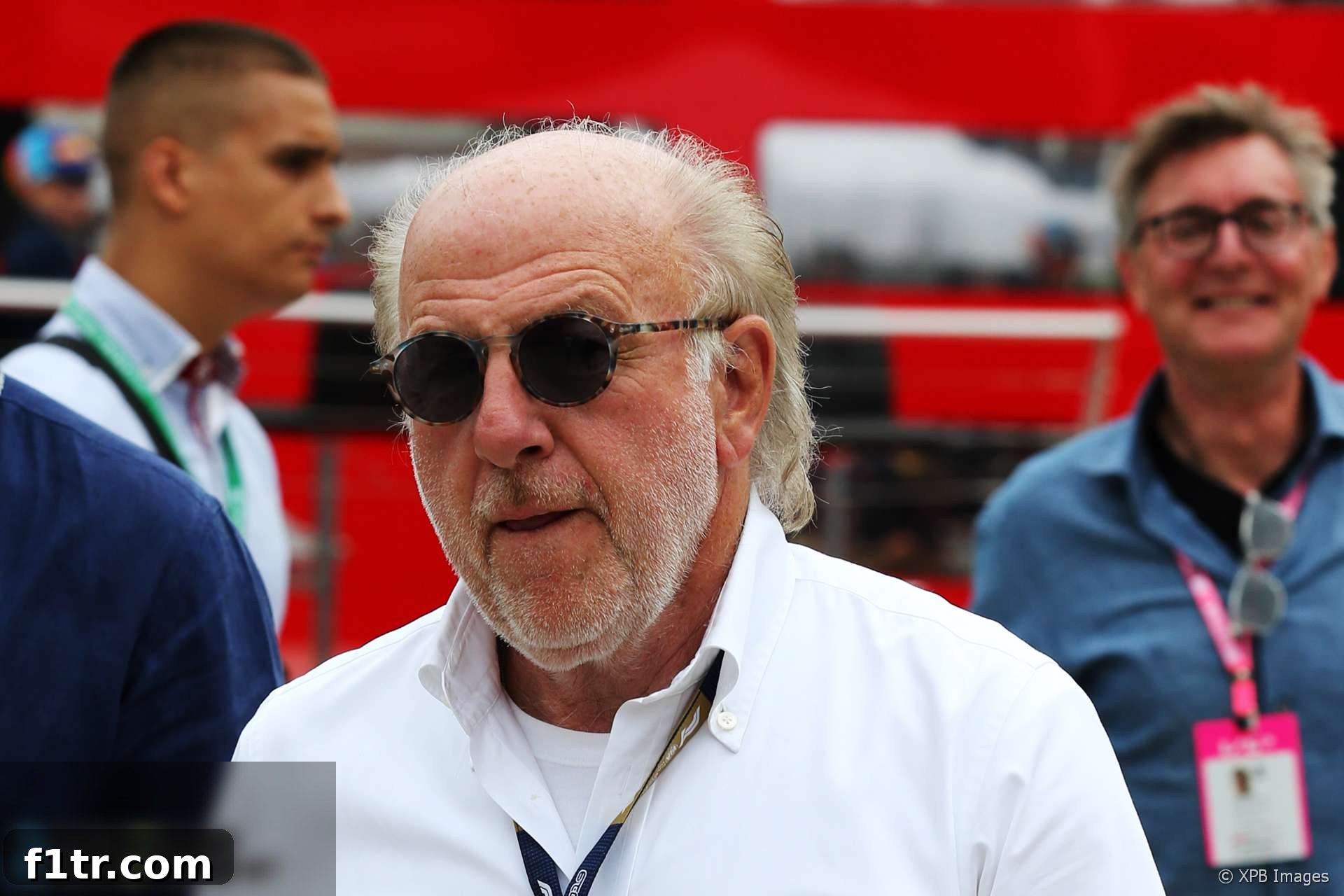
The financial stability of Formula 1 teams has emerged as a paramount concern amidst the disrupted 2020 season. David Richards, the esteemed chairman of Motorsport UK, issued a stark warning regarding the potential for smaller teams to face severe financial distress, or even go out of business, due to the extended hiatus. Richards emphasized the stark contrast between the financial resilience of large manufacturers like Mercedes and Renault, who benefit from vast corporate backing, and independent outfits such as Williams and Racing Point. These smaller teams are heavily reliant on prize money, sponsorship deals, and the revenue generated from races, all of which have been significantly impacted by the absence of on-track action. The delay in the championship start means a reduction in immediate income streams, making it incredibly difficult for these teams to sustain operations, pay staff, and continue critical development work. Richards’ plea to F1 owners underscores the urgent need for a protective financial mechanism to safeguard the diversity and competitiveness of the grid. Without decisive intervention, the sport risks losing some of its most historic or ambitious participants, leading to a less diverse and potentially less engaging championship. This situation highlights the fragile economic ecosystem of Formula 1, where every race cancellation or postponement ripples through the entire structure, threatening the very existence of its smaller, yet vital, components.
The repercussions of the global health crisis have also extended to crucial contract negotiations for iconic races, with the Brazilian Grand Prix facing significant delays in its efforts to renew its contract with Formula 1. Interlagos, a circuit steeped in history and known for its thrilling races, has been a staple on the F1 calendar for decades. The postponement of discussions due to the ongoing pandemic introduces an element of uncertainty for one of F1’s most popular venues. Such delays are not merely administrative; they reflect a broader cautious approach by both F1 management and local organizers as they grapple with the unpredictable nature of future event planning. The Brazilian Grand Prix’s situation mirrors similar challenges faced by other circuits globally, where long-term commitments are being reconsidered or put on hold until there is greater clarity regarding the feasibility and financial viability of hosting major international sporting events. This pause in negotiations could have significant implications for the future of the race, potentially impacting local economies and the fervent South American fanbase.
Across the Atlantic, the fate of the Canadian Grand Prix in Montreal also hung in the balance, with promoter Francois Dumontier stating that a final decision on the race’s feasibility would be made by May 1st. The Canadian event, held at the Circuit Gilles Villeneuve, is a highlight of the North American leg of the championship, renowned for its challenging track and vibrant city atmosphere. The deadline for a decision reflected the logistical complexities involved in organizing such a large-scale international event, including travel restrictions, public health guidelines, and the readiness of infrastructure. For promoters, the timing of a decision is critical, as last-minute cancellations incur massive financial losses and logistical nightmares. The uncertainty surrounding races like the Canadian Grand Prix underscores the ripple effect of the global health crisis on local economies that benefit from tourism, hospitality, and employment generated by these events. Ultimately, the priority for all stakeholders remained the health and safety of fans, teams, and local communities, guiding the difficult choices made regarding the 2020 F1 calendar.
The dramatic cancellation of the Australian Grand Prix at the eleventh hour served as a sobering lesson for other event organizers, prompting the promoters of the Baku City Circuit to voice their determination to avoid a similar “disaster.” The Australian GP’s last-minute cancellation, after teams and personnel had already gathered in Melbourne, resulted in immense financial losses, logistical chaos, and significant reputational damage for all involved. “I really want to say that I think no promoter should be in a situation that the Australian promoters have been in, and I really feel sorry for Andy Westacott (Australian Grand Prix Corporation CEO) and his team,” a Baku promoter stated. “I think it’s absolutely terrible what he had to go through, and cancelling the event last-minute is a disaster for the promoter.” This sentiment highlights the severe consequences of indecision and the need for clear communication and proactive planning during times of crisis. Race promoters around the world were compelled to learn from this experience, pushing for earlier decisions and contingency plans to mitigate risks. The goal was to protect their investments, safeguard their staff, and ensure a more orderly process should a race be postponed or canceled, reflecting a collective effort to adapt to the new realities of global event management.
In the absence of real-world racing, the world of esports has surged to the forefront, providing an outlet for drivers and fans alike. Formula 3 driver Robert Shwartzman shared his initial impressions on making his esports debut, noting the distinct differences in physics compared to actual racing. “‘The physics of it all is quite different,’ Shwartzman commented. ‘Compared to the real car the PC’s reaction seems quite slower so you need to predict it and change your driving a bit.'” This insight from a professional driver underscores the unique skill set required for top-tier sim racing. While esports offers a valuable platform for maintaining competitive instincts and engaging with a global audience, it also highlights that virtual racing, while highly realistic, is not a perfect replication of the physical demands and subtle nuances of real-world motorsport. The rise of virtual Grand Prix events, featuring professional F1 drivers, celebrities, and sim racing specialists, has been instrumental in filling the void left by postponed races. This phenomenon has not only showcased the adaptability of the sport but also introduced a new generation of fans to motorsport, demonstrating its potential as both a standalone competitive discipline and a complementary aspect of traditional racing.
We are committed to providing the most accurate and timely information. If you have a tip for a link to feature in an upcoming motorsport round-up or wish to highlight an original source, please send it in via our contact form. Your contributions help us keep our readers fully informed.
Social Media Spotlight: Engaging with Motorsport History and Fan Culture
In times of racing hiatus, social media platforms have become vital channels for motorsport teams, circuits, and fans to stay connected, share memories, and generate discussion. These platforms offer a unique glimpse into the sport’s rich past and its vibrant community. Notable posts from Twitter, Instagram, and other channels continue to celebrate iconic moments and personalities, ensuring the spirit of racing remains alive and accessible.
We like to remind everyone once in a while that Ayrton Senna once raced in a Talbot Sunbeam Celebrity Race at Oulton Park.
We even have the photo to prove it….
📸: Alan Cox pic.twitter.com/TFpU9feRut
— Oulton Park (@Oulton_Park) March 25, 2020
This delightful post from Oulton Park is a perfect example of how circuits and historical archives leverage social media to bring unique, often forgotten, aspects of motorsport history to light. The image of Ayrton Senna, a legend of Formula 1, competing in a Talbot Sunbeam Celebrity Race offers a charming and unexpected perspective on his diverse talent and willingness to participate in different forms of racing. Such posts resonate deeply with fans, sparking nostalgia and demonstrating the broader appeal of motorsport beyond just the pinnacle of F1. They also serve as an excellent engagement tool, inviting followers to share their own memories or little-known facts about their racing heroes. Social media’s ability to instantly share images and stories from the past helps to preserve and celebrate the sport’s heritage, keeping its legends vibrant for both long-time enthusiasts and new generations of fans. It’s a powerful reminder that while the future of racing may evolve, its foundational stories and heroes continue to inspire.
- For enthusiasts eager to follow more official F1 accounts and key figures in the sport, our F1 Twitter Directory provides a comprehensive guide to staying connected with the pulse of Formula 1 on social media.
Fan Perspectives: The Future of F1 Teams and Manufacturer Commitments
The ongoing uncertainty surrounding the Formula 1 season has naturally prompted extensive discussion among the fanbase, with many expressing deep concerns about the sport’s long-term sustainability and the fate of its teams. The community’s voice, as captured in various forums and comment sections, offers valuable insight into the anxieties and hopes of those who passionately follow the sport.
I have a feeling we might lose a team before Liberty acts to support those that are struggling. There are potential owners waiting in the wings so hopefully teams can be saved.
I can’t see car sales doing well for a while, so I wouldn’t be surprised if Renault call it a day even if finances aren’t dire, F1 doesn’t seem a priority for current management. Uncertain times ahead for sure.
Anthony (@Antznz)
Anthony’s insightful comment resonates with a significant portion of the F1 community, highlighting the dual threat of financial instability for independent teams and the potential withdrawal of manufacturer entries. The fear that a team might collapse before governing bodies or commercial rights holders, like Liberty Media, can implement effective support measures is palpable. The history of Formula 1 is replete with examples of teams struggling or exiting due to financial pressures, and the current economic climate only exacerbates these anxieties. The mention of “potential owners waiting in the wings” offers a glimmer of hope, suggesting that even if current structures falter, the inherent value and appeal of an F1 team might attract new investment.
Furthermore, Anthony’s speculation about Renault’s future reflects a broader concern about how global economic downturns could influence corporate priorities. If automotive sales suffer, a costly motorsport endeavor like F1 might be viewed as a luxury rather than a strategic investment for some manufacturers. While Renault has a storied history in F1, a shift in corporate strategy could see them prioritize core business activities over a demanding racing program. This perspective underscores the complex interplay between the global economy, corporate objectives, and the future landscape of Formula 1. The fan community’s engagement on these critical issues demonstrates a deep understanding of the sport’s vulnerabilities and an ardent desire to see F1 navigate these “uncertain times” successfully, preserving its competitive spirit and the diversity of its participants.
Celebrating the F1 Community: Happy Birthday to Our Dedicated Fans!
At the heart of Formula 1 lies its passionate global fanbase, whose unwavering support and enthusiasm fuel the sport year after year. Even amidst periods of quiet on the track, the community remains vibrant, and we love to celebrate the special moments of its members.
A very happy birthday goes out to Alianora La Canta, Fallon, Henrique Pinheiro, Jake, Jorge H., and both Lyndell D Wolffs! We hope you all have a fantastic day filled with joy, celebration, and perhaps a moment to reminisce about your favorite F1 memories.
If you’d like to receive a birthday shout-out in our future round-ups and be recognized within our fantastic community, simply let us know when your special day is! You can easily inform us via the contact form on our website, or alternatively, contribute your birthday details by adding to our established list here. Your participation makes our community stronger and more connected, and we look forward to celebrating with many more of you!
On This Day in F1 History: Schumacher’s Brazilian Grand Prix Saga (1995)
- Twenty-five years ago on this day, Formula 1 witnessed a memorable and contentious event at the Brazilian Grand Prix. Michael Schumacher, driving for Benetton, initially claimed victory, seemingly beginning his title defense in dominant fashion. However, the celebrations were short-lived and embroiled in controversy.
- Schumacher, along with second-placed David Coulthard of Williams, faced immediate scrutiny from the FIA regarding fuel irregularities following post-race inspections. Both drivers were subsequently disqualified from the results due to issues related to the composition of their fuel, which was deemed to be non-compliant with the regulations of the time. This decision sent shockwaves through the paddock and significantly altered the outcome of the opening race of the season.
- The disqualifications ignited a fierce debate and appeals process. Benetton and Williams argued vehemently against the penalties, challenging the technical interpretations and the methods of analysis. After a period of intense deliberation and further investigation, the FIA later reinstated both drivers, reversing their initial disqualifications. This highly unusual reversal underscored the complexities of technical regulations in Formula 1 and the often fine line between innovation and infringement.
- Schumacher’s eventual reinstatement meant his victory stood, marking a dramatic start to what would be his second consecutive World Championship season. This incident serves as a classic example of the technical controversies that have often shaped F1’s history, showcasing the intense scrutiny under which teams operate and the high stakes involved in adhering to every letter of the rulebook. It remains a fascinating chapter in the storied career of one of F1’s greatest drivers and a testament to the sport’s ever-present drama both on and off the track.