Welcome to our comprehensive motorsport roundup, where we dive deep into the latest news and insights from the world of Formula 1, endurance racing, and beyond. This edition brings you exclusive perspectives from F1 drivers, crucial updates on athlete well-being, team developments, and a curated selection of compelling stories from across the racing globe. From the unique challenges faced by Japanese drivers in their ascent to Formula 1 to the critical importance of track safety, we cover the stories that matter most to fans and enthusiasts.
Motorsport Headlines: F1 Insights, Driver Updates, and Team Developments
In this section, we provide detailed coverage of the most significant happenings in motorsport, ensuring you stay informed about the key players and pivotal moments shaping the current season and future prospects.
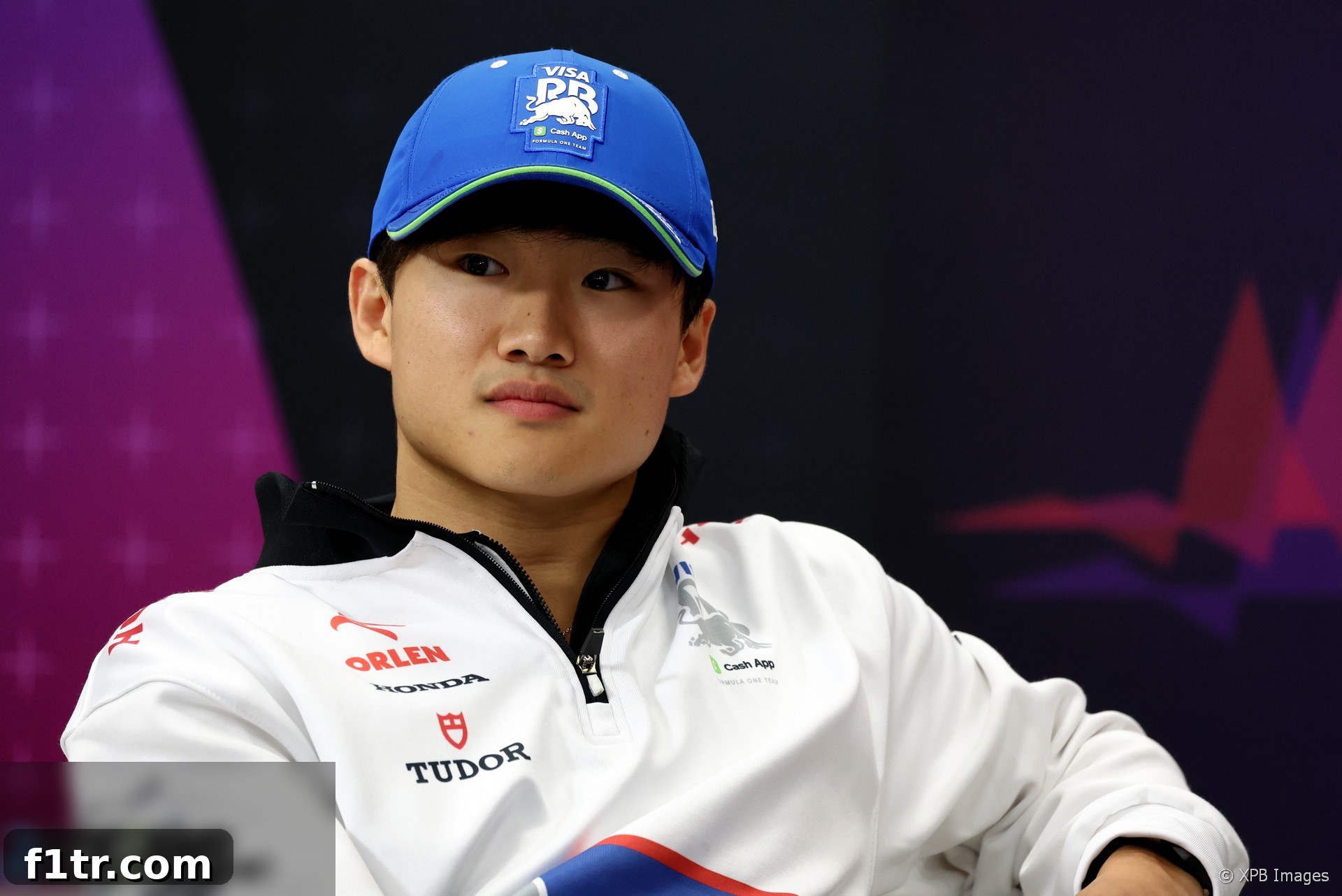
Yuki Tsunoda Highlights “Late Start” Challenge for Japanese Drivers in F1
Yuki Tsunoda, Japan’s sole representative in Formula 1, has shed light on a significant hurdle faced by aspiring Japanese racing drivers: a comparative “late start” in single-seater categories compared to their European counterparts. Tsunoda believes this disadvantage is rooted in the regulatory differences imposed by the Japanese motorsport federation, which effectively puts young Japanese talent behind the curve.
According to Tsunoda, the age at which drivers can begin competing in single-seater championships varies notably between Japan and Europe. “In Japan, you can start from 16 years old, from [date of] birth,” Tsunoda explained, “and I think in Europe, drivers can start from 14 years old.” This two-year discrepancy creates an immediate disadvantage, pushing Japanese drivers to initiate their crucial single-seater careers later. By the time they gain experience, many European drivers have already accumulated substantial track time and competitive knowledge, vital for climbing the motorsport ladder.
This regulatory gap necessitates that ambitious Japanese drivers relocate to Europe at a young age to compete on an equal footing. “That’s why you have to go to Europe to race and to compete against the European drivers, so that probably makes it a little bit difficult,” Tsunoda elaborated. This early international migration not only demands significant financial investment but also requires a challenging cultural and personal adjustment for young athletes far from home. The pursuit of Formula 1 is inherently global, but these initial age restrictions add an extra layer of complexity for those starting their journey in Japan.
Beyond the age difference, Tsunoda also emphasized the language barrier as another substantial obstacle. “The Japanese don’t speak as much good English, like me,” he candidly admitted. Effective communication is paramount in motorsport, particularly when working with an international team of engineers and strategists. Being able to articulate precise feedback on car setup, handling characteristics, and race strategy is crucial for optimizing performance. “So it’s hard to communicate well and tell what you want specifically from the car set-up, for example. These things will take a little bit of time,” Tsunoda noted. This initial period of adaptation can consume valuable time and resources, potentially hindering a driver’s immediate progress and ability to fully integrate with their team’s technical processes. Overcoming these systemic and practical challenges is essential for increasing Japanese representation at the pinnacle of motorsport.
Ferdinand Habsburg Suffers Fractured Vertebrae in Test Crash
In a concerning development from the world of endurance racing, Alpine hypercar driver Ferdinand Habsburg has sustained two fractured vertebrae following a high-speed crash during a test session at Spain’s challenging Aragon circuit. The incident, which occurred last month, has raised questions about driver safety and the rigorous demands placed on athletes in top-tier motorsport.
Alpine, the team for which Habsburg races the number 35 Alpine A424 alongside teammates Paul-Loup Chatin and Charles Milesi, issued a statement confirming the injuries. The team indicated that the crash took place at Turn 7, a demanding section of the Aragon track known for its speed and technicality. Immediately following the accident, Ferdinand was transported to the hospital in Alcaniz for thorough medical examinations, from which he was discharged the same evening, a testament to the initial assessment of his stable condition.
However, further examinations upon his repatriation to Austria revealed the full extent of his injuries: two fractured lumbar vertebrae. Crucially, the team’s statement clarified that there has been “no neurological impact,” which is a significant relief given the potential severity of spinal injuries. Habsburg has now commenced his recovery process, though the duration of this period remains undefined. The exact timeline for his return to racing will be crucial, as his participation in the upcoming round of the FIA World Endurance Championship (WEC) at Imola is now uncertain. This incident underscores the inherent risks in motorsport, even during testing, and highlights the ongoing efforts by teams and governing bodies to enhance driver safety without compromising the thrill of competition. The cause of the accident is currently under investigation, aiming to understand the factors involved and prevent similar occurrences in the future.
Pierre Gasly Optimistic as Alpine Introduces First Season Upgrades
Pierre Gasly, one of Alpine’s factory drivers, has expressed cautious optimism regarding the team’s first significant upgrade package of the season. As Alpine currently languishes at the bottom of the constructors’ championship table, these developments are seen as a critical “first step in the right direction” towards improving their competitive standing in Formula 1.
The introduction of these upgrades comes at a pivotal moment for the French outfit, which has openly struggled with the performance of its A524 challenger since the start of the 2024 season. Both Gasly and his teammate Esteban Ocon have found themselves battling at the rear of the grid, a stark contrast to their aspirations and the team’s historical performance. The initial feedback from the drivers and engineering team will be crucial in determining the effectiveness of these modifications and guiding future development paths.
Gasly revealed that the upgrade schedule was part of a pre-planned development roadmap, emphasizing a methodical approach rather than a reactive one. “It was planned already before the season started, so it’s sort of following the sort of development plan that we had already in place,” he stated. This indicates that while the team faces immediate performance challenges, their long-term strategy remains intact. Such planned updates are vital for any F1 team, providing incremental gains throughout the season as they gather more data and refine their understanding of the car’s aerodynamic and mechanical characteristics.
However, the Frenchman tempered expectations, acknowledging that while important, these initial upgrades are unlikely to be a silver bullet for Alpine’s current woes. “We don’t expect it to be major. We know it’s not going to bring us where we want to be, but it’s a first step in the right direction, so definitely looking forward to see what it brings,” Gasly commented. This realistic perspective is common in F1, where marginal gains accumulate over time. For Alpine, this means focusing on continuous improvement and diligently analyzing the data from these new components to extract maximum performance. The team and its drivers will be eagerly anticipating how these upgrades translate into tangible improvements on track, hoping they mark the beginning of a sustained recovery throughout the season.
Advert | Become a RaceFans supporter andgo ad-free
Further Motorsport Insights and Recommended Reads
Explore a curated selection of intriguing articles and discussions from around the motorsport world, offering deeper dives into various topics including F1, IndyCar, and broader industry initiatives.
Japan F1 Host Hopes Calendar Shift, Weak Yen Will Boost Foreign Fans (Reuters)
With the Japanese Grand Prix moving to an earlier slot in the calendar, coinciding with the popular cherry blossom season, local organizers are optimistic about attracting a greater influx of international visitors. Coupled with the current depreciation of the Japanese yen, which makes travel more affordable for foreign tourists, there’s a strong expectation that fan attendance will match or even surpass last year’s figures. This calendar strategic shift aims to maximize tourism and engagement, offering a unique cultural experience alongside the thrilling motorsport action.
Sky F1 Presenter Bernie Collins: ‘I Don’t Just Represent Women in Formula 1 – But Engineers Too’ (Independent)
Bernie Collins, a prominent Sky F1 presenter and former senior strategist, shares her journey and perspective on her role in motorsport. She emphasizes that while her presence as a woman in a male-dominated field is notable, she primarily represents the broader engineering community within Formula 1. Collins recounts instances where her gender defied expectations, such as a manufacturer calling McLaren asking for ‘B Collins’ and being surprised to find a woman on the other end. Her story highlights the gradual shift in perceptions and the increasing recognition of diverse talent within the sport’s technical spheres.
How IndyCar Crash Ended Franchitti’s ‘Handshake’ Porsche LMP1 Deal (Motor Sport)
Dario Franchitti, a celebrated IndyCar champion, reveals a fascinating anecdote about a promising opportunity to join Porsche’s prestigious LMP1 program for 2015. He had engaged in discussions with Wolfgang Hatz of Porsche, which culminated in a seemingly firm “handshake deal” to race the revolutionary 919 Hybrid. However, a devastating IndyCar crash ultimately forced his retirement from racing, tragically cutting short his chance to embark on this exciting new chapter in endurance motorsport. This story underscores the fragility of racing careers and the sudden turns fate can take.
Advert | Become a Supporter & go ad-free
FIA and Government of Albania Announce Historic Partnership in Coalition Against Online Abuse in Sport (FIA)
The FIA (Fédération Internationale de l’Automobile) and the government of Albania have forged a landmark partnership, joining forces in a global coalition aimed at combating online abuse in the sporting world. Albania’s entry into this growing network signifies a critical commitment to fostering a safe and inclusive online environment for athletes, officials, and fans alike. This collaboration will facilitate wider education, knowledge sharing, and awareness campaigns, promoting best practices to tackle abuse and protect individuals within the vibrant global sporting community.
Thursday Testing Canceled Due to Sonoma Track Conditions (Sportscar365)
Pre-season testing for SRO America at Sonoma Raceway faced an unexpected setback when Thursday’s planned track activity was entirely canceled due to unforeseen track conditions. Patches of the newly resurfaced circuit began to lift and degrade during Wednesday’s action, prompting track management and series officials to make the difficult decision to call off the second and final day of testing. This incident highlights the challenges of track maintenance and resurfacing, and the critical importance of ensuring optimal and safe track conditions for competitive motorsport.
Max Plays F1 23 with his Race Engineer! (Red Bull via YouTube)
Witness a rare and entertaining glimpse into the dynamic between a Formula 1 driver and his race engineer as Max Verstappen takes on a challenge in the F1 23 video game. The reigning world champion attempts to set a target lap time at the iconic Suzuka circuit, all while enduring (and reacting to) playful yet pointed criticism from his real-life race engineer, Gianpiero Lambiase. This lighthearted video offers fans an amusing insight into their working relationship and competitive spirit, even when away from the real cockpit.
We always endeavour to credit original sources. If you have a tip for a link relating to single-seater motorsport to feature in the next RaceFans round-up please send it to us via the contact form.
Advert | Become a RaceFans supporter andgo ad-free
Social Media Buzz: Driver Banter and F1 Discussions
Catch up on some of the most notable posts and discussions circulating on social media platforms, featuring engaging interactions among drivers and insightful commentary from F1 personalities.
|@GeorgeRussell63 says he “bumped into” Fernando Alonso in a coffee shop after the #AustralianGP@Max33Verstappen: “Did you brake-test him?”#F1 #JapaneseGP #RaceFans
— RaceFans (@racefansdotnet) April 4, 2024
A humorous exchange unfolded when George Russell mentioned encountering Fernando Alonso in a coffee shop post-Australian Grand Prix. Max Verstappen couldn’t resist interjecting with a playful “Did you brake-test him?”, referencing the controversial incident between the two drivers at the previous race. This lighthearted banter showcases the competitive yet often friendly atmosphere among the F1 grid, even after on-track skirmishes.
It is incredible that Carlos Sainz Jr, Australian GP winner, does not currently have a drive for next season. It means that one of F1’s quickest and most consistent performers is now available to Mercedes, Aston Martin and Red Bull.
He must be very motivated in #JapaneseGP
— Mika Häkkinen (@F1MikaHakkinen) April 4, 2024
Two-time F1 World Champion Mika Häkkinen voiced his astonishment at Carlos Sainz Jr.’s current situation, noting that the Australian Grand Prix winner remains without a confirmed seat for the upcoming season. Häkkinen highlighted Sainz’s proven speed and consistency, suggesting that such a talented driver’s availability presents a unique opportunity for top teams like Mercedes, Aston Martin, and Red Bull. He speculated that this uncertainty would undoubtedly fuel Sainz’s motivation, particularly at the Japanese Grand Prix, as the Spaniard strives to secure his future in the sport.
😂👍🏻
— Damon Hill (@HillF1) April 4, 2024
Former F1 World Champion Damon Hill offered a concise, yet universally understood, reaction of “😂👍🏻” on social media. This simple emoji combination, often in response to an earlier post or news item, perfectly conveys amusement and approval, demonstrating how even short messages from prominent figures can resonate with fans and reflect the prevailing sentiment within the F1 community.
Advert | Become a RaceFans supporter andgo ad-free
- Find more official F1 accounts to follow in the F1 Twitter Directory
Fan Focus: Discussing Albert Park’s Turn Six Safety Concerns
Each day, we highlight a standout comment from our readership that sparks crucial discussions. Today, GT Racer weighs in on the ongoing debate surrounding Turn 6 at Albert Park, proposing potential modifications after a series of incidents.
The issue is that the run-off and barrier layout was designed around the corner as it was and that now doesn’t suit the way the corner now is. It’s not just that the corner is faster now but the trajectory through it is also different so if you go off there you’re not only hitting the barriers at a higher speed but also a different angle as the apex is now further over to the right. Altering the run-off may not be possible as they are restricted by what they can do due to it been parkland and public roads, so the best thing to do may to just be reconfigure the corner back to the way it was before.
GT RacerGT Racer’s insightful analysis identifies a critical issue with Albert Park’s Turn 6: its design, initially conceived for an older circuit layout, is no longer adequate for the faster, reconfigured corner. The key problem lies in the misaligned run-off areas and barrier placements. Modern F1 cars, combined with the updated track design, now allow drivers to carry significantly more speed through this section. More importantly, the racing line and apex have shifted further to the right, meaning that if a driver loses control, they are not only impacting the barriers at a higher velocity but also at a much more acute and dangerous angle. This compounds the risk of severe accidents, as demonstrated by several recent incidents.
The challenge of modifying the run-off areas at Albert Park is considerable due to its unique nature as a temporary street circuit within a public park. The surrounding parkland and public roads impose strict limitations on how much the circuit’s footprint can be expanded or altered. This environmental constraint often limits the scope for extending gravel traps or repositioning concrete barriers to accommodate higher speeds. Given these restrictions, GT Racer suggests a pragmatic solution: reverting the corner to its previous configuration. This would involve adjusting the geometry of Turn 6 to better match the existing safety infrastructure, potentially reducing speeds and aligning the trajectory of errant cars with safer impact zones. The debate around Turn 6 underscores the constant tension between increasing track speeds for spectacle and ensuring paramount driver safety, a balance that circuit designers and governing bodies continually strive to achieve.
Happy Birthday to Motorsport Enthusiasts!
A special shout-out and warmest wishes go out to our beloved community members celebrating their birthdays today: Andy Mail, Red Andy, and Matt88! We hope you have a fantastic day filled with joy and perhaps some thrilling motorsport action.
On This Day in Motorsport History: Button’s Rain-Shortened Malaysian GP Win
- 15 years ago today, Jenson Button clinched a memorable, albeit rain-shortened, victory at the Malaysian Grand Prix, earning half points due to the premature cessation of the race.
- The 2009 Malaysian Grand Prix at Sepang is etched in Formula 1 history for its extraordinary circumstances. Held on April 5, 2009, the race saw Brawn GP’s Jenson Button dominating the early stages, but torrential rain led to a red flag and eventual abandonment after only 31 laps. Due to the regulations at the time, which stipulated that half points would be awarded if less than 75% of the race distance was completed, Button secured a unique half-points victory. This chaotic race underscored the unpredictable nature of F1 in adverse weather conditions and became a significant moment in Button’s championship-winning season, further solidifying Brawn GP’s early dominance.