Formula 1’s mechanism to balance engine performance between manufacturers is working as intended, says Mercedes team principal Toto Wolff. The FIA has already notified teams of the first changes under the Additional Development Upgrade Opportunity (ADUO) rules ahead of the most recent race in Spain, and Wolff believes the system is meeting its aims.
The ADUO scheme allocates the number of opportunities a manufacturer has to introduce upgrades across an entire power unit, based solely on the measured performance of the combustion engine. After the latest assessment, Red Bull’s engine was identified as the strongest across the field, and other manufacturers, including Mercedes and Ferrari, were granted extra chances to develop and improve their designs.
Wolff explained the rationale behind ADUO by pointing to the sport’s recent history, when one manufacturer gained a dominant advantage following a major rule change. “It was intended to be a protection mechanism to avoid the 2014 situation, where one engine manufacturer was having such an advantage and was running away with testing mileage and race results,” he said, referencing the period when one team effectively dominated the sport. “We were on the good end of that.
“But this is what we wanted to avoid, especially with newcomers coming in like Audi and to a certain degree Honda with Aston Martin, Red Bull, of course. That’s what it is, and that’s how it should be.”
The ADUO is one of several tools F1 uses to encourage convergence and closer competition. Separately, teams that fall further behind in the constructors’ championship are permitted additional aerodynamic development time, measured in wind tunnel or Computational Fluid Dynamics (CFD) sessions, so those teams can try to close the gap on the leaders.
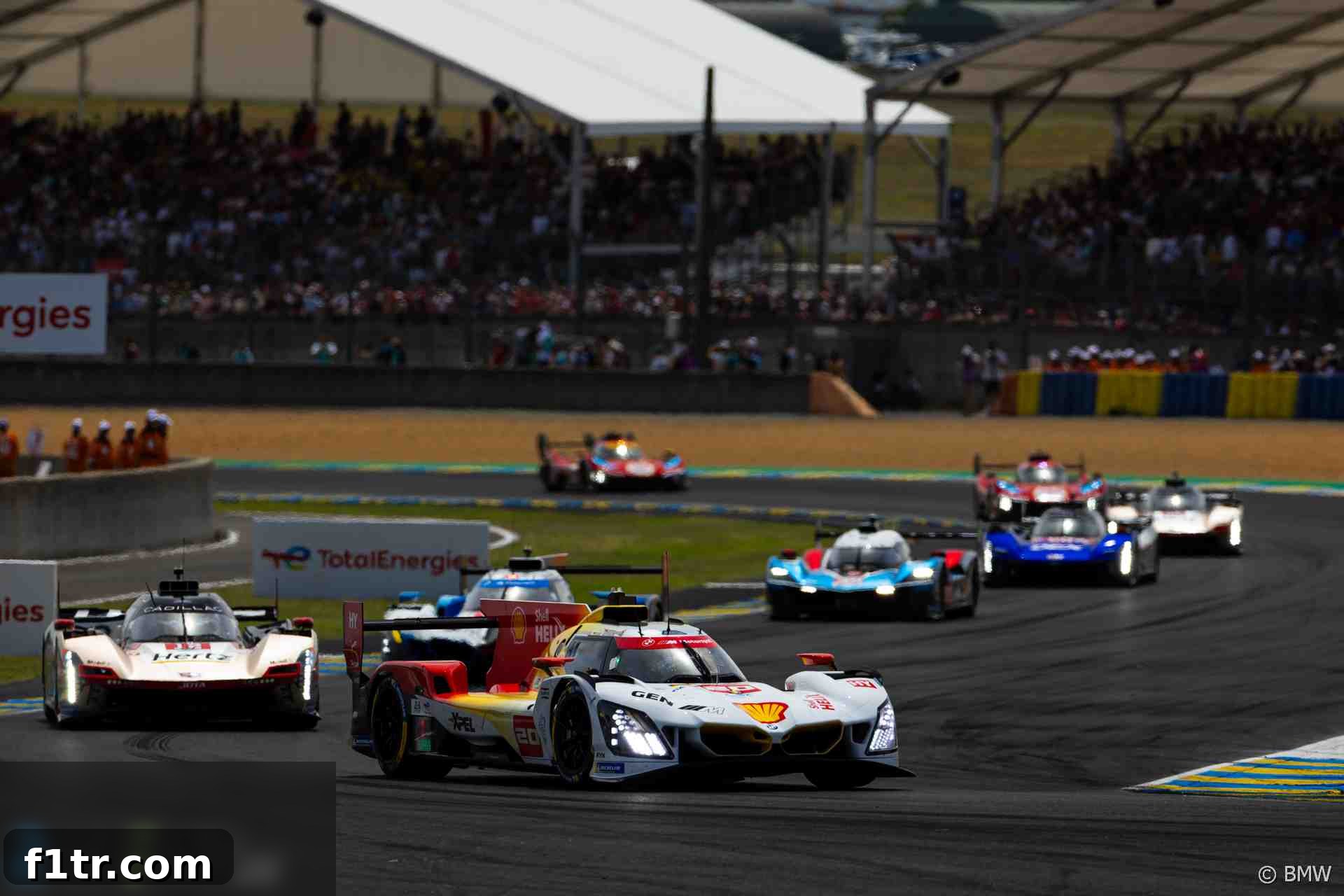
Wolff was keen to draw a clear distinction between ADUO and the kind of Balance of Performance (BoP) systems used in other series. In championships such as the World Endurance Championship, organizers apply weight penalties, engine restrictions and other measures to equalize different cars’ on-track performance. Wolff warned that such systems carry political risks and unintended consequences.
“I get a rash of allergy when talking about BoP,” he said. “This is something that we should stay far away from in Formula 1. It’s a political mess in all the other series. It makes manufacturers go out of the sport, also, and I’ve been very close to that, as you can imagine, in DTM, in GTs, in Le Mans. We should never be tempted to have someone agree on how the Balance of Performance should fall out.”
Instead, Wolff favours a mechanism that fine-tunes opportunities so no manufacturer is left publicly embarrassed by a large shortfall on the power unit side. “If there is a mechanism that consists of fine-tuning in order to make sure that nobody’s embarrassed on the power unit side, I think that’s the right way to go, because when you look at aerodynamics, that was invented for a completely different situation,” he said.
Not everyone agrees the current ADUO framework is perfect. Audi CEO Mattia Binotto argued the rules could be adjusted so power unit development opportunities are allocated in a way similar to chassis development, where teams behind in the standings receive more wind-tunnel time and CFD allowances.
“There is an ADUO as well for the chassis, which is described differently,” Binotto said. “If you are behind in the standings, you’ve got more opportunity in wind tunnel timing, etcetera, and that’s a way for teams somehow to converge. Now, when we discuss the power unit regulations, what would have been the way to assess it? It was decided to use pure kilowatts. Is that the right way to do it? We may argue again.”
Binotto suggested a unified approach between chassis and power unit development might better serve the convergence objective: using championship positions or a similar ranking to determine how many upgrade chances a manufacturer receives. “Maybe we should do something very similar to the chassis, where you base it on standings of the previous seasons, because if the purpose of convergence is to have a closer field, maybe that’s the most straightforward, and you would have a unique system framework between chassis and power units,” he said.
For now, the regulations remain as written and both Wolff and Binotto expressed confidence that the FIA carried out the correct initial assessments. The debate, however, underlines the balance F1 is trying to strike between preventing runaway dominance, encouraging new entrants to invest in the sport, and keeping development rules fair and transparent for all manufacturers involved.