Delve into the latest developments from the Formula 1 paddock as we bring you insightful updates and candid perspectives from key figures shaping the sport. From high-profile team principal departures to crucial driver strategies and budget cap debates, the world of F1 is constantly buzzing with news. This comprehensive round-up aims to capture the essence of these discussions, offering a deeper understanding of the motivations, challenges, and aspirations within the elite motorsport community.
F1 Paddock Insights: Unpacking the Latest Team Dynamics and Strategies
Otmar Szafnauer’s Candid Departure: Navigating the ‘One Pope’ Dynamic at Aston Martin
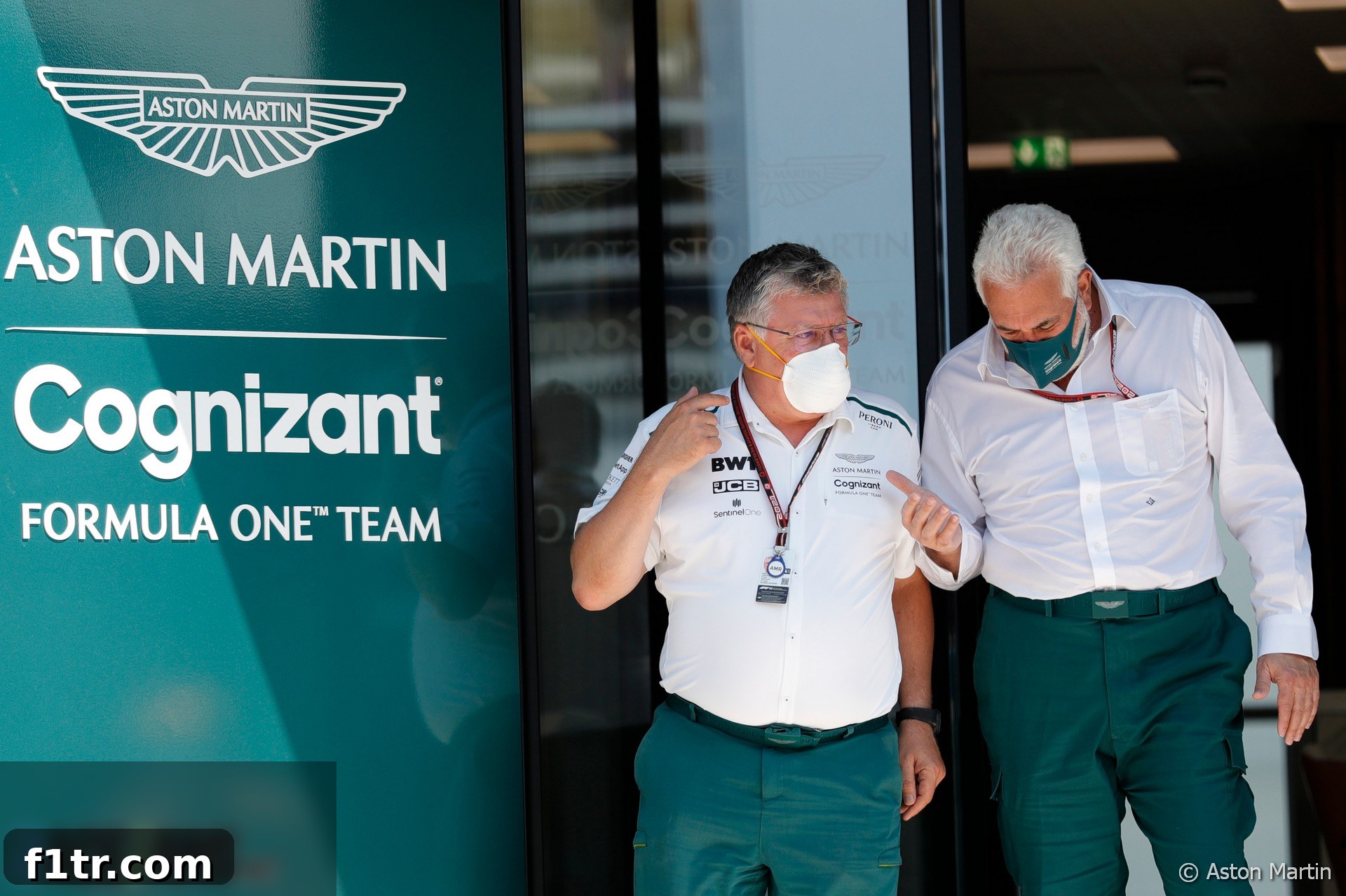
Alpine team principal Otmar Szafnauer recently shed light on the circumstances that led to his departure from Aston Martin at the close of the previous year. His reflections suggest that the distinct management philosophy of Aston Martin team owner Lawrence Stroll played a significant role in his decision to seek a new challenge with Alpine. Szafnauer’s tenure with the Silverstone-based team began when it was known as Racing Point, a squad acquired by a consortium led by Stroll in 2018. Over the years, Szafnauer was instrumental in the team’s growth and transformation, eventually leading it into its current incarnation as Aston Martin. His move to Alpine earlier this year marked a significant shift in the F1 managerial landscape, raising questions about internal team dynamics.
In a revealing interview with Sky, Szafnauer expressed a deep connection with his former colleagues, stating, “I have a great relationship with the men and women at Silverstone.” He underscored his pivotal role in the team’s expansion over his 12-year tenure, during which he more than doubled its size. He recounted his active involvement in recruiting and assembling a cohesive and effective team, emphasizing, “A lot of the people that were hired when I was there were, I don’t want to say hand-picked, but I had a hand in hiring them and recruiting them from other teams and putting a team together that gelled well and it worked well.”
However, the underlying tension became apparent as Szafnauer invoked a powerful analogy to explain his departure: “But like a friend of mine told me, the Catholic church only has one pope. And when you have two popes, it’s just not right.” This metaphor pointed to a perceived divergence in leadership and vision, suggesting a conflict in authority or strategic direction that ultimately made his continued presence untenable. He concluded, “So I think it was time to leave and leave Aston Martin to their one pope, and I’m going to go try to help Alpine to the best of my ability.” This statement not only clarifies his reasons for leaving but also highlights the unique challenges of leadership within Formula 1 teams, particularly when ownership exerts a strong, singular influence on operations and strategy. Szafnauer’s move to Alpine signals his ambition to apply his extensive experience to a new project with distinct goals and a clear leadership structure, aiming to elevate the French team’s competitive standing.
Ferrari’s Unwavering Stance: No Number One Driver for the Upcoming Season
Ferrari team principal Mattia Binotto has reaffirmed the Scuderia’s commitment to equal opportunity for both its drivers, Charles Leclerc and Carlos Sainz Jnr, ahead of the impending opening race in Bahrain. This declaration signals a continuation of the policy established in the previous season, firmly stating that Ferrari will not designate a ‘number one’ driver to be prioritised with equipment or strategic advantages.
Historically, Ferrari has often operated with a clear hierarchy within its driver lineup, a strategy intended to maximize the chances of one driver contending for the coveted drivers’ championship. This approach typically involved directing resources and tactical decisions to the designated lead driver, particularly in crucial championship battles. However, Binotto’s recent comments indicate a departure from this traditional model, embracing a more balanced approach for the 2022 season.
Addressing the team’s strategy, Binotto unequivocally stated, “We didn’t appoint any number one and number two last last year. We will not do it this year. We will give both equal opportunity and I hope that both of them can have a good championship.” This commitment to treating Leclerc and Sainz Jnr equally is a testament to the belief in the capabilities of both drivers and the team’s desire to foster a competitive yet harmonious environment. The decision reflects a modern outlook, recognizing that two strong, equally supported drivers can potentially yield more points for the constructors’ championship and offer greater strategic flexibility throughout a long and demanding season. It places the onus on both Leclerc and Sainz Jnr to deliver their best performances, knowing that success will be judged purely on merit and on-track results without predetermined biases.
Williams CEO Jost Capito on Haas-Ferrari Partnership: Confidence in FIA Oversight Amidst Budget Cap Realities
Williams CEO Jost Capito has expressed confidence in the FIA’s stringent regulations concerning information sharing between Formula 1 teams, despite rivals Haas establishing a technical facility within Ferrari’s Maranello factory. This arrangement has drawn scrutiny, given the close technical partnership between the two teams and the inherent competitive dynamics within F1.
Capito acknowledged that such arrangements make strategic sense within the confines of F1’s budget cap restrictions. The cost cap introduced in recent years has compelled teams, particularly larger ones, to re-evaluate their operational structures and find innovative solutions to manage resources efficiently while retaining skilled personnel. For a smaller, customer team like Haas, leveraging the infrastructure and expertise available at Ferrari, within the rules, can be a sensible economic and technical decision.
“I think there are rules in place and as long as the rules are applied then everything is fine,” Capito stated, underscoring his belief in the regulatory framework. He further elaborated on the FIA’s vigilance, noting, “For sure, the FIA has a close look because it was very obvious that Haas set a facility up close to Ferrari and Ferrari people are working there, but the bigger teams had to find solutions because of the cost cap.” Capito highlighted the pragmatic aspect of such collaborations, suggesting that it is preferable for teams to find compliant ways to keep their employees engaged rather than resorting to layoffs due to budget constraints. “I think if they find solutions for their people to still be employed, it’s a much better solution than to make people unemployed. And if that’s within the rules and it’s legal in the rules, then it’s absolutely fine.” This perspective from a rival team principal provides a nuanced view of resource sharing in the F1 era, emphasizing adherence to rules while acknowledging the economic pressures driving teams towards such innovative solutions.
Social Media Pulse: Unpacking the Latest from the Motorsport World
The digital sphere continues to be a vibrant hub for motorsport news, candid insights, and fan engagement. Here’s a look at some of the most notable posts from Twitter, Instagram, and other platforms that have captured the attention of the racing community:
- **IndyCar Intensity from Rinus VeeKay:** IndyCar driver Rinus VeeKay offered a visceral insight into the sheer physical demands of oval racing. He tweeted about popping blood vessels on the right side of his body due to the intense G-forces experienced during a recent test at Texas Motor Speedway. This post vividly illustrates the extreme physiological toll that top-tier motorsport takes on athletes, emphasizing that these machines are not just driven but physically wrestled into submission at incredible speeds.
- **The Elusive Shot: Jamey Price Photo’s Frustration:** Motorsport photographer Jamey Price shared a humorous yet relatable complaint about a driver making it “impossible” to get a decent picture. He highlighted a new trend where the driver intentionally blocks their face from photographers and TV cameras. This tweet offers a behind-the-scenes glimpse into the challenges faced by media professionals attempting to capture key moments, adding a touch of humor to the often-serious world of professional racing.
- **Mick Schumacher’s Progress: A Strong Start in the VF-22:** Will Wood from RaceFans highlighted a significant performance marker for Mick Schumacher. Schumacher’s lap time of 1’32.241 in his new VF-22 was notably faster than any lap he set during the entire Bahrain Grand Prix weekend of the previous year. This performance update provides an early indication of improved pace for the young German driver and his Haas team, hinting at a more competitive season ahead for him.
- **’Drive to Survive’ Gender Representation:** Vincenzo Landino posted an interesting statistical analysis regarding gender representation in Netflix’s “Drive to Survive” series. His data showed that Episode 6, featuring substantial screen time for Claire Williams, achieved the highest percentage of women’s screen time at nearly 7%. Conversely, Episode 4, which focused heavily on Nikita Mazepin, had the lowest. This analysis sparks discussion about diversity and representation within F1 media content, providing a quantitative look at who gets featured.
- **Press Conference Slip-up from Claire Cottingham:** Journalist Claire Cottingham shared a lighthearted moment from an F1 press conference where she humorously admitted to mispronouncing her own name. Such candid posts reveal the human side of the F1 paddock, showcasing that even seasoned professionals can have amusing slip-ups, making them more relatable to their audience.
For more official F1 accounts and insights, explore our extensive F1 Twitter Directory.
Beyond the Headlines: Essential Motorsport Reads & Views
Stay informed and engaged with a curated selection of motor racing links, offering deeper dives into current discussions, behind-the-scenes perspectives, and historical retrospectives:
Formula 1 is ‘not run for Netflix’ (BBC)
This BBC article delves into the relationship between Formula 1 and the hugely popular Netflix documentary series “Drive to Survive.” It addresses the perception that the sport might be tailoring its narratives or outcomes for dramatic effect for the show. The piece highlights assurances that F1’s core integrity remains paramount, with officials stating, “Nobody could point to any misrepresentations or inaccuracies in the series.” This offers a crucial counter-narrative for fans concerned about the impact of media on authentic sporting competition.
Lights, camera, action! (McLaren)
McLaren provides its own insider’s view on the production of “Drive to Survive” through this article. It offers a fascinating glimpse into how the DTS crew operates within the high-pressure environment of an F1 team. The piece emphasizes the documentary makers’ skill in “hiding in plain sight, taking everything in without casting a shadow.” Tim Bampton, McLaren Racing’s chief communications officer, explains the meticulous planning and extensive negotiation required to facilitate such intimate access, revealing the complex balance between transparency and protecting team operations for the cameras.
Marcus Armstrong feeling liberated with new team ahead of 2022 Formula Two season (Stuff NZ)
New Zealand’s Marcus Armstrong shares his renewed sense of freedom and focus as he approaches the 2022 Formula Two season with a new team. Armstrong recounts his previous year, where he spent “Close to three to four days a week… doing 9-5 simulator work” for Formula 1 development. This demanding role, while valuable, was “mentally demanding.” Now, he feels he “can fully focus on F2 and not have the role of being a full-time development driver,” suggesting a significant psychological boost and enhanced commitment to his F2 championship aspirations.
Mastering one-lap pace will be key to Lawson mounting a title charge with Carlin (Formula 2)
This Formula 2 feature highlights the importance of qualifying performance for Liam Lawson’s championship bid with Carlin. Lawson reflects on his varied motorsport experience, noting, “I learned completely different things in DTM.” While the driving styles of DTM and F2 cars are distinct, he emphasizes the benefit of “racing all the time.” Unlike many F2 drivers who experienced significant downtime, Lawson’s continuous racing honed his “racecraft,” a crucial skill that he believes will aid his F2 title challenge, particularly if he can couple it with strong one-lap speed.
75 years of Ferrari (Ferrari via YouTube)
Ferrari celebrates a monumental milestone with a commemorative video marking 75 years since the first Ferrari, the iconic Ferrari 125S, rolled out of the gates of Maranello. This YouTube feature is a tribute to the enduring legacy of innovation, passion, and exquisite craftsmanship that has defined the brand for three-quarters of a century. The video offers a journey through time, showcasing the evolution of a marque that has become synonymous with motorsport excellence and automotive artistry, from its humble beginnings to its global icon status.
We always endeavour to credit original sources. If you have a tip for a link relating to single-seater motorsport to feature in the next RaceFans round-up please send it in via the contact form.
Commentary Corner: Analyzing Mercedes’ Pre-Season Form and Championship Aspirations
Following George Russell’s assessment that Red Bull and Ferrari appeared stronger than Mercedes heading into the inaugural race of the season, our reader @mashiat offered a compelling analysis, suggesting that this year’s pre-season cautiousness from Mercedes feels more authentic compared to previous years. The comment delves into the implications of Mercedes’ potential early-season deficit and their long-term championship strategy.
I actually do believe them when they say they are behind Red Bull and Ferrari right now. If you watched the session, the Mercedes exhibited a lot more negative characteristics than either of those two teams. But, just because they are behind right now doesn’t mean they can’t turn up to Bahrain next week and win. You can never discount this team, I would be surprised if they didn’t have some tweaks that will tame the car considerably. And this is a long season with 23 races, you don’t have to start out the quickest car to win the title. If Mercedes believe their concept has more potential than other cars (Hamilton possibly alluded to this), they can afford to start the season slower but ramp it up when the European season hits.
This might have shades of Red Bull in 2012 when they started out the season without the fastest car, but they got it to a very good level where it was capable of picking up some wins in the first half of the season, before introducing their major update in Singapore and winning four races in a row and wrestling the title back.
@mashiat
@mashiat’s comment highlights the observed “negative characteristics” of the Mercedes car during testing, lending credibility to Russell’s remarks. However, the analysis also provides a crucial counterpoint: Mercedes’ formidable track record and development capabilities mean they cannot be discounted, even if they begin the season slightly off the pace. The strategic thinking presented suggests that if Mercedes has confidence in the inherent potential of their car’s concept – a point potentially hinted at by Lewis Hamilton – they might prioritize long-term development over immediate pre-season pace. The comparison to Red Bull’s 2012 season is particularly insightful. In that year, Red Bull did not start with the dominant package but systematically improved their car throughout the season, culminating in a strong second half that secured the championship. This historical parallel offers a hopeful outlook for Mercedes fans, suggesting that patience and strategic development could still lead to a successful championship campaign, even if the initial races prove challenging.
Celebrations in the Paddock: Happy Birthday to Motorsport Personalities
Wishing a very happy birthday to several notable individuals within the motorsport community: Armen, Pabs, Starosta, and Aqib! We hope they have a fantastic day filled with joy and celebration.
Motorsport History: Remembering Key Moments and Figures
- **Robert Wickens (Born 1989): An Inspirational Journey of Resilience**
Born on this day in 1989, Robert Wickens is a Canadian racing driver whose career trajectory has been marked by both exceptional talent and incredible resilience. Wickens made a singular Formula 1 appearance during a practice session at the 2011 Abu Dhabi Grand Prix, showcasing his potential on motorsport’s biggest stage. Following his F1 foray, he successfully transitioned to IndyCar, quickly establishing himself as a formidable competitor. His rookie season in 2018 was particularly impressive, featuring numerous strong performances and near-wins that earned him widespread acclaim. However, his promising IndyCar career was tragically interrupted by a severe crash at Pocono Raceway in August 2018, which resulted in a spinal cord injury and paralysis. Despite the life-altering nature of his injuries, Wickens has embodied extraordinary determination. His inspirational journey has seen him return to competitive racing in specially adapted cars, demonstrating an unwavering spirit and continuing to be a beacon of hope and perseverance within the motorsport world. His story stands as a powerful testament to human strength and the enduring passion for racing.