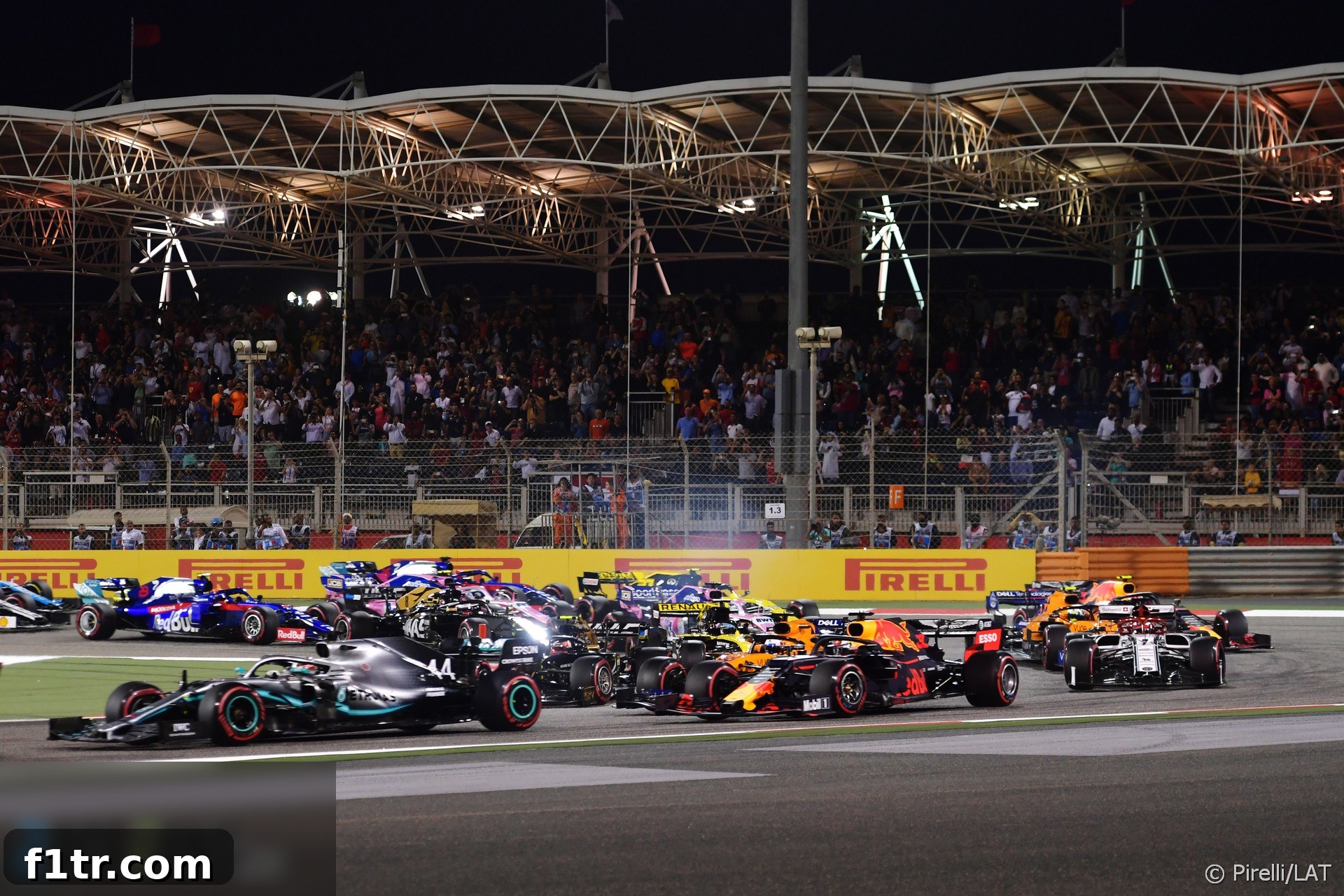
In an unprecedented move reflecting the global challenge of the Coronavirus pandemic, the promoters of the Bahrain Grand Prix have announced a definitive decision: the highly anticipated Formula 1 race, scheduled to take place in two weeks, will proceed without any spectators. This significant update underscores the critical importance placed on public health and safety amidst the ongoing global health crisis.
Advert | Become a Supporter & go ad-free
A formal statement released by the Sakhir circuit confirmed this difficult but necessary resolution. It articulated that, after extensive discussions with international partners and in close collaboration with the Kingdom’s national health task force, Bahrain has opted to host this year’s Bahrain Grand Prix strictly as a participants-only event. This means that while the spectacle of Formula 1 racing will continue, the vibrant atmosphere typically created by thousands of passionate fans will, for this edition, be conspicuously absent.
The Formula 1 World Championship is poised to commence its 2020 season in Australia next week, with Bahrain scheduled to host the second round just one week later. The island nation had already introduced initial restrictions on ticket sales merely three days prior, indicating the escalating concern over the spread of the Coronavirus. However, as the global situation rapidly evolved, more stringent and comprehensive measures were deemed essential to effectively contain the virus and safeguard public well-being.
The circuit’s statement further elaborated on the profound responsibility shouldered by any F1 host nation. “As an F1 host nation, balancing the welfare of supporters and race-goers is a tremendous responsibility,” the statement conveyed. This sentiment highlights the complex decision-making process involved, weighing the excitement and economic benefits of a major international sporting event against the paramount need to protect human lives and prevent further transmission of COVID-19.
Given the relentless global propagation of COVID-19, the decision to proceed with a major sporting event open to the public, which inherently facilitates the close interaction of thousands of international travelers and local enthusiasts, was deemed unsuitable at this critical juncture. Such an event would inevitably create a high-risk environment for mass gatherings and potential cross-border transmission. However, in a determined effort to ensure that neither the integrity of the sport nor its expansive global fanbase is unduly affected, the race weekend itself will still unfold as a fully televised event. This commitment allows millions of fans worldwide to experience the thrill of Formula 1 from the safety of their homes, albeit without the immediate presence of a live audience.
Bahrain’s proactive and decisive actions to prevent, identify, and isolate individuals afflicted with COVID-19 have, to date, yielded remarkable success. The national strategy has encompassed rapid, forward-thinking measures, including the swift identification of those affected by the virus. A significant majority of these cases have been linked to individuals traveling into the country by air, emphasizing the vulnerability of large international gatherings. Furthermore, the implementation of aggressive social distancing protocols has considerably bolstered the effectiveness of preventing the virus’s broader dissemination. Maintaining such rigorous containment strategies would undoubtedly be rendered virtually impossible had the race proceeded with the anticipated large-scale public attendance, thereby justifying the current, necessary spectator ban.
The news of this spectator exclusion will undoubtedly bring considerable disappointment to many, especially those dedicated fans who had meticulously planned their travel to attend what has firmly established itself as a cornerstone event on the international F1 calendar. For many, the Bahrain Grand Prix is not just a race; it’s a vibrant cultural experience and a highlight of their year. Yet, the overriding principle guiding this decision is the unwavering commitment to safety, which must, at all times, remain the utmost priority. The promoters expressed their understanding of the public’s frustration but emphasized that health considerations supersede all others.
This unprecedented situation underscores the profound impact of the global health crisis on major international sporting events. The decision by the Bahrain International Circuit sets a significant precedent for how other Formula 1 races and indeed, other global sports championships, might need to adapt in response to the escalating COVID-19 pandemic. It highlights a critical juncture where the allure of sport must temporarily yield to the imperative of collective public health, demonstrating a responsible approach in extraordinary times.
The economic ramifications of such a decision for the promoter, local businesses, and even Formula 1 itself, are considerable. The absence of ticket sales, merchandise purchases, and tourism revenue will undoubtedly create financial challenges. However, the commitment to proceed with a televised event ensures that commercial partners, broadcasters, and the teams can still fulfill their obligations, maintaining a degree of normalcy in an otherwise disrupted season. This balancing act reflects the complex ecosystem of Formula 1 and the determination to keep the sport alive and engaging for its global audience, even under the most trying circumstances.
This “participants-only” model represents a new frontier for elite sports during a global pandemic. It necessitates stringent protocols for all personnel involved, including drivers, teams, officials, and media, ensuring their safety and minimizing any potential for virus transmission within the circuit confines. The focus shifts entirely to the competition on track, stripped bare of its usual fanfare but still delivering the high-octane drama that defines Formula 1. The world will be watching, not just for the racing action, but also for how effectively such an event can be conducted in an environment prioritising health and safety above all else.
Advert | Become a RaceFans supporter and go ad-free
2020 F1 season
- Grosjean to make F1 test return tomorrow for first time since Bahrain horror crash
- Pictures: Wrecked chassis from Grosjean’s Bahrain fireball crash to go on display
- Bottas vs Rosberg: Hamilton’s Mercedes team mates compared after 78 races each
- F1 revenues fell by $877 million in Covid-struck 2020 season
- Hamilton and Mercedes finally announce new deal for 2021 season
Browse all 2020 F1 season articles