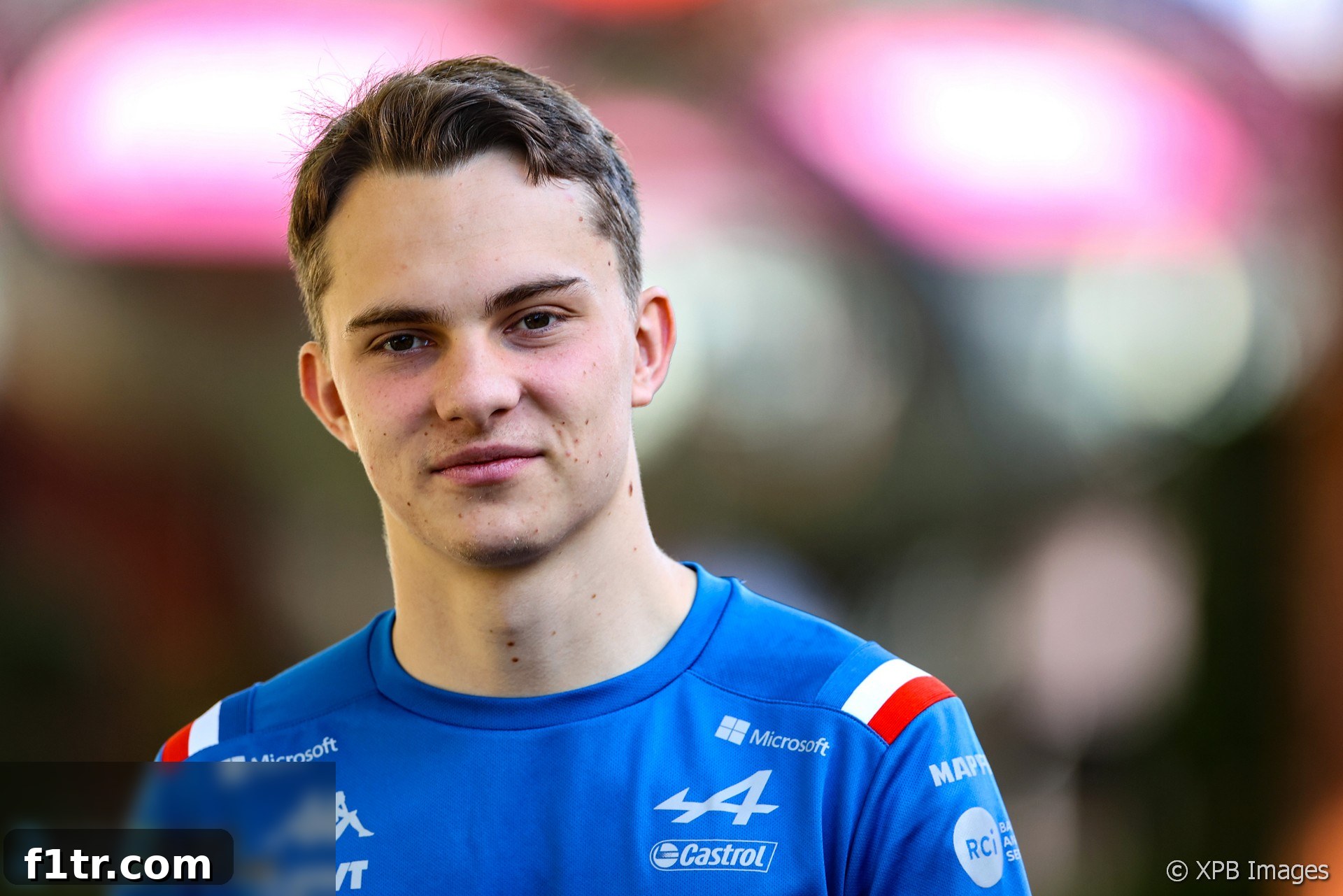
The thrilling, high-stakes world of Formula 1 is often as captivating off the track as it is on it, with the annual “silly season” consistently delivering unexpected twists and turns. Few sagas in recent memory have encapsulated this drama quite like the public dispute between the Alpine F1 Team and its highly-touted reserve driver, Oscar Piastri. This contentious situation, which erupted into the public eye with a startling announcement and a swift repudiation, has drawn widespread attention, raising fundamental questions about contractual integrity, team loyalty, and the cutthroat nature of securing a coveted F1 seat.
At the heart of the controversy stands Otmar Szafnauer, the team principal of Alpine, who has publicly expressed profound disappointment in Piastri. His candid remarks highlight a perceived breach of trust and a lack of “integrity” on Piastri’s part. The dispute began when Alpine, following the surprise departure of two-time world champion Fernando Alonso to Aston Martin, announced Piastri as their new driver for the 2023 season. However, Piastri quickly countered this statement, declaring it “wrong” and asserting that he would not be driving for the team next year. This unprecedented public rejection of a team announcement ignited a firestorm, leaving Alpine scrambling and the F1 paddock abuzz with speculation.
Advertisement
Szafnauer’s frustration stems from a long-standing commitment Alpine believes it made to Piastri. The young Australian, a reigning Formula 2 champion, has spent 2022 on the sidelines as Alpine’s reserve driver, a common path for promising talents awaiting their F1 break. Alpine’s investment in Piastri goes beyond a simple contract; it includes significant financial outlays for testing, simulator time, and comprehensive development programs designed to prepare him for the pinnacle of motorsport. Szafnauer emphasized that Piastri signed an agreement in November of the previous year, outlining clear obligations. “He signed a piece of paper as well, back in November, and we’ve done everything on our end of the bargain to prepare him for Formula 1,” Szafnauer told Sky. “His end of the bargain was to either drive for us or take a seat where we would place him, for the next three years.”
For Alpine, this agreement was the foundation of their long-term plan for Piastri, a talent they had nurtured through their junior academy for several years. The expectation was that Piastri would honor this commitment, viewing Alpine as his gateway to Formula 1. Szafnauer’s plea, “I just wish Oscar would have remembered what he signed in November and what he signed up to,” underscores the depth of the team’s feeling of betrayal. This situation is not merely a contractual disagreement; it’s a deeply personal one for a team that has invested heavily in a young driver’s future, only to see that investment potentially walk away.
The Contract Recognition Board: A Decisive Battle Ahead
The complexity of the situation necessitated intervention from a higher authority within Formula 1: the Contract Recognition Board (CRB). This independent body is tasked with resolving contractual disputes between drivers and teams, ensuring fairness and upholding the integrity of agreements within the sport. The CRB’s decision is highly anticipated and will have far-reaching consequences for all parties involved. Szafnauer affirmed Alpine’s intent to pursue the matter rigorously: “The right thing for us to do is go to the CRB on Monday, see how that pans out, and then start looking at some negotiations in earnest.”
The CRB hearing represents a critical juncture. Its ruling could compel Piastri to honor his supposed contract with Alpine, potentially forcing him into a seat he seemingly does not desire. Alternatively, it could invalidate Alpine’s claim, freeing Piastri to pursue opportunities elsewhere, most notably with McLaren, the team he is widely believed to have agreed a deal with. The implications of such a ruling extend beyond the immediate future of one driver; they will set a precedent for how F1 contracts, particularly those involving young drivers emerging from junior categories, are interpreted and enforced. The outcome will undoubtedly influence how teams approach driver development and how drivers navigate their career paths in the future.
Beyond Piastri: Alpine’s Search for Stability
While the CRB ruling remains pending, Alpine must concurrently explore alternative options to fill their vacant seat for 2023. The sudden loss of Fernando Alonso and the uncertainty surrounding Piastri have left the team in a precarious position. Among the prominent names emerging as potential candidates is Daniel Ricciardo, a familiar face who previously drove for Alpine (then Renault) from 2019 to 2020. Ricciardo’s career has taken an unexpected turn since leaving Renault for McLaren, where he has struggled to consistently match the pace of his teammate Lando Norris, leading to an early termination of his contract at the end of the current season.
Szafnauer’s comments about Ricciardo suggest a mutual respect and a potential path for reconciliation. “The team speak very highly of Daniel and his time here,” he noted, adding, “We haven’t had those strategic discussions. But I’ve asked the engineering team and everybody really speaks highly of his skill as a driver and a team motivator.” A return to Alpine could offer Ricciardo a chance to reignite his F1 career in a familiar environment, while Alpine would gain an experienced driver with a proven track record, strong marketing appeal, and valuable insights into the team’s operations. His struggles at McLaren might be viewed by Alpine as a temporary blip, rather than a permanent decline, making him an attractive option for a team aiming for consistent podiums and championship contention.
Exploring Other Avenues: A Broader Driver Market
Beyond Ricciardo, Alpine’s options are not limitless but certainly extend to other talented drivers within the F1 paddock or waiting in the wings. While this article focuses on the most prominent candidates discussed at the time, the “silly season” is notorious for its unpredictability. Alpine’s long-term strategy will weigh heavily on their choice:
- Experience vs. Youth: Do they prioritize a seasoned veteran like Ricciardo to lead the team alongside Esteban Ocon, or do they take a risk on a promising rookie, should Piastri indeed depart?
- Internal Talent: Alpine also has drivers like Jack Doohan within their own academy, though perhaps a step too soon for an immediate F1 promotion in a competitive seat.
- External Prospects: Other drivers, possibly from rival teams or those with F1 experience but currently without a permanent seat, might also emerge as viable candidates depending on their contractual status and performance. Nyck de Vries, for example, a former F2 champion and Formula E world champion, was making strong cases for an F1 seat around this time.
The team’s decision will be crucial in shaping its immediate competitive future and its long-term trajectory in Formula 1.
The Larger Narrative: Driver Development and Loyalty in F1
The Piastri-Alpine saga transcends the personal conflict, shining a spotlight on the broader issues of driver development, contractual agreements, and loyalty within the high-pressure environment of Formula 1. Teams invest millions in nurturing young talent, from junior karting categories all the way up to Formula 2, with the expectation that these drivers will eventually contribute to the senior team. This investment, both financial and emotional, forms the basis of the trust that Szafnauer feels has been violated.
For young drivers, the path to Formula 1 is incredibly narrow and competitive. Securing any F1 seat is a monumental achievement, often requiring significant personal sacrifice and a keen understanding of contractual nuances. The desire to secure the “best” possible seat can sometimes lead to complex situations, particularly when multiple teams express interest. The Piastri case will undoubtedly prompt both teams and drivers to review their contracts, ensuring clarity on obligations, options, and release clauses. It underscores the vital importance of transparent communication and robust legal frameworks in preventing such public disputes from overshadowing the sporting spectacle.
Advertisement
Conclusion: A Future Defined by Key Decisions
As the Formula 1 season progresses, the eyes of the motorsport world remain fixed on the ongoing drama surrounding Alpine’s second driver. The upcoming CRB ruling is poised to be a pivotal moment, determining not only Oscar Piastri’s immediate future but also setting a precedent for driver contracts across the sport. For Alpine, the challenge is clear: secure a strong, reliable driver for 2023 who can contribute to their championship aspirations. Whether it’s a return for Daniel Ricciardo, the emergence of another talent, or a resolution that sees Piastri remain, the team’s ability to navigate this turbulent period will be crucial for its stability and success.
The Piastri saga serves as a stark reminder that while Formula 1 is a sport of speed and precision, it is also a complex arena of human ambition, contractual obligations, and fierce competition, where the decisions made off-track can be just as impactful as those made at 200 mph.
Related F1 News & Updates
- Reflecting on Lewis Hamilton’s unprecedented winless F1 season.
- Carlos Sainz’s take on Red Bull’s dominant performance at Spa.
- Fernando Alonso discusses media reaction to his comments about Hamilton.
- Ferrari raises concerns about Formula 1’s budget cap enforcement.
- Williams’s impressive Belgian GP pace and its underlying factors.
Browse more articles from the 2022 Belgian Grand Prix weekend.