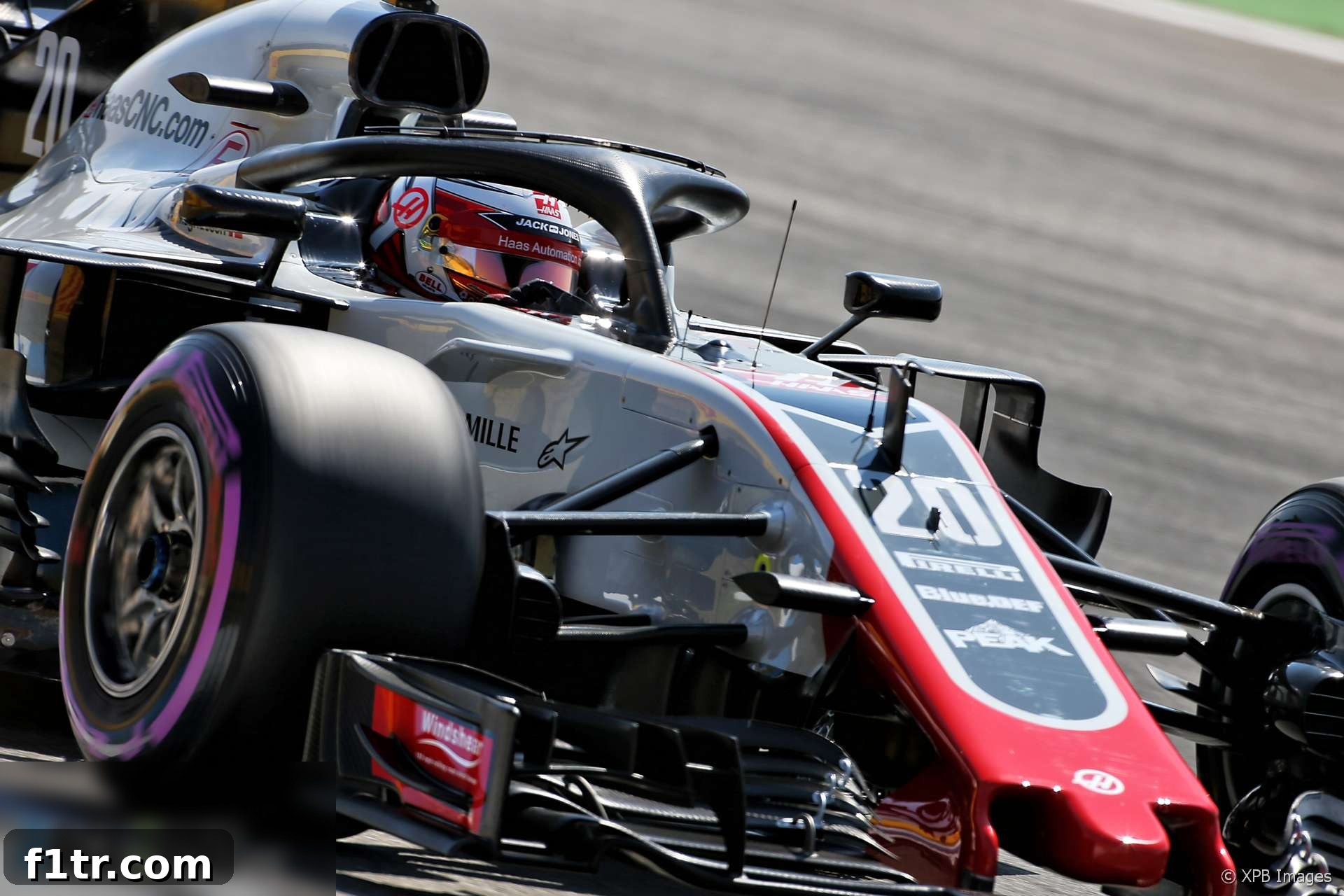
In a strategic move reflecting a pragmatic approach to Formula 1 resource management, Haas F1 Team Principal Guenther Steiner has publicly articulated the team’s decision to forgo the upcoming in-season test following the Hungarian Grand Prix. Steiner firmly stated that attending the two-day session at the Hungaroring circuit would represent a significant and unnecessary expenditure, given the team’s current operational directives and data acquisition status.
Haas’s Calculated Decision: Why Skipping the Hungaroring Test Makes Sense
Steiner’s rationale is rooted in a clear philosophy of efficiency and focused resource allocation. Addressing the media, he posed a rhetorical yet poignant question: “Why should we spend money to do nothing? In the end it doesn’t make sense. We have nothing to test. We have got so much data from testing and stuff to do at home.” This statement encapsulates the team’s belief that additional track time, at this juncture, would not yield a proportional return on investment, particularly for a team that consistently strives for optimal performance within a stringent budget.
The modern era of Formula 1 is characterized by immense technical complexity and a relentless pursuit of marginal gains. Every dollar spent must be justified by a clear potential for performance enhancement. For Haas, a relatively smaller outfit compared to some of its factory-backed rivals, financial prudence is not merely a virtue but a necessity. Deploying personnel, equipment, and resources for a test where no specific new components or major experimental setups are planned would indeed be a financially questionable endeavor. Instead, the team prioritizes maximizing the utility of existing data and focusing on refinements that can be achieved through simulation and factory analysis.
Advert | Become a Supporter & go ad-free
Navigating a Grueling F1 Calendar: Prioritizing Factory Analysis Over Track Time
The context surrounding this decision further reinforces Steiner’s stance. The Hungaroring test is scheduled immediately after an exceptionally demanding period in the Formula 1 calendar, comprising five Grands Prix within a span of just six weeks. This relentless schedule places immense strain on team personnel, logistics, and equipment. Additionally, Haas had already participated in a crucial Pirelli tyre test between the British and German Grands Prix, providing them with valuable data and track time relevant to future tyre development.
Steiner elaborated on the cumulative fatigue and logistical burden this schedule imposes: “In a period like this when you have five races in six weeks and then we have a test at Silverstone and then another test after the next one it’s like, guys, what are we trying to do?” His perspective highlights a critical aspect of F1 operations often overlooked by external observers: the human element and the finite capacity of engineering teams. While the allure of ‘more testing’ might seem universally beneficial, there comes a point where the sheer volume of track activity can lead to diminishing returns, diverting resources from crucial analytical work back at the factory.
For Haas, the priority is not simply to accumulate more raw data, but to effectively process and extract meaningful insights from the vast amounts of information already gathered. Steiner’s discussions with his engineering team underscored this point. “I sat down with my engineers and said we have got too much to do already. Why should we get more stuff and spend more money from my side not to achieve anything?” This statement perfectly illustrates the team’s commitment to internal efficiency and the strategic allocation of resources to tasks that genuinely contribute to performance gains. The focus shifts from merely collecting data to analyzing it, understanding its implications, and translating those findings into actionable improvements for the car.
Quality Over Quantity: Haas’s Approach to Data and Development
Steiner strongly believes that the team can make substantial progress by leveraging the information already at their disposal from previous tests and race weekends. His philosophy emphasizes quality over sheer volume when it comes to data acquisition and analysis. “We have so much information. We need to analyse what we have got before we get more. More is not always better. Quantity doesn’t out-perform quality. We are trying to use what we have got instead of just getting more and more, getting bigger and bigger, and in the end we achieve nothing.”
This viewpoint is particularly pertinent in an era where F1 teams generate terabytes of data during every track session. The challenge lies not in gathering information, but in effectively sifting through it, identifying correlations, understanding cause-and-effect relationships, and translating complex data into clear directives for car development. A smaller team like Haas, with potentially fewer analytical resources than the sport’s giants, must be exceptionally judicious about where it focuses its intellectual capital. Overloading the system with more data before fully comprehending existing datasets can be counterproductive, leading to analysis paralysis rather than innovative breakthroughs.
By opting out of the Hungaroring test, Haas can redirect its engineering talent and factory resources towards a deeper dive into the performance data accumulated over the demanding preceding weeks. This dedicated time for analysis allows the team to meticulously review telemetry, driver feedback, and component wear, fostering a more profound understanding of the VF-18’s strengths and weaknesses. This strategic pause from track action is, in essence, an investment in intellectual horsepower, enabling the team to refine their simulation models, optimize setup parameters, and strategically plan future upgrades based on robust, well-understood data rather than reactive, last-minute track experiments.
The Santino Ferrucci Situation and Haas’s Junior Driver Policy
The decision to skip the test also sidesteps the complex situation surrounding junior driver Santino Ferrucci. Ferrucci had previously tested for Haas, but his recent career has been marred by controversy. He was notably dropped by his Trident F2 team and subsequently banned from four F2 races following a series of serious incidents during the British Grand Prix weekend. While the test could have offered an opportunity for a junior driver to gain experience, Steiner clarified that Haas had not even finalized who would drive for them prior to cancelling their participation, further emphasizing that the test was not a priority.
Steiner also made it clear that Haas’s approach to testing, particularly regarding junior drivers, is not merely about providing seat time for a fee. “It was not decided who it will be,” he stated, adding, “A lot of people bring money to the test but in the end we are not a hire car company. We want something out of it.” This statement reinforces the team’s commitment to deriving tangible benefits from any track activity. While some teams might use in-season tests as an opportunity to generate revenue by offering drives to pay-drivers, Haas prioritizes genuine development and meaningful data collection. For any driver, junior or otherwise, to participate in a Haas test, there must be a clear developmental objective that aligns with the team’s engineering goals, rather than simply filling a seat for financial gain.
The junior driver program in Formula 1 is a critical pipeline for future talent, and testing opportunities are invaluable for young prospects. However, Haas’s stance suggests that such opportunities must be symbiotic, benefiting both the driver and the team in terms of technical feedback and development. The Ferrucci situation, combined with the team’s explicit rejection of being a “hire car company,” highlights a principled approach to driver selection for tests, focusing on merit and developmental relevance rather than purely commercial considerations. This decision allows Haas to maintain control over its testing agenda, ensuring that any track time is maximized for the team’s core objective of improving its competitiveness on the grid.
Advert | Become a RaceFans supporter andgo ad-free
2018 F1 season
- F1 feared “death knell” for Drive to Survive after Ferrari and Mercedes snub
- McLaren staff told us we were “totally crazy” to take Honda engines in 2018 – Tost
- ‘It doesn’t matter if we start last’: How Red Bull’s junior team aided Honda’s leap forward
- Honda’s jet division helped F1 engineers solve power unit problem
- McLaren Racing losses rise after Honda split
Browse all 2018 F1 season articles