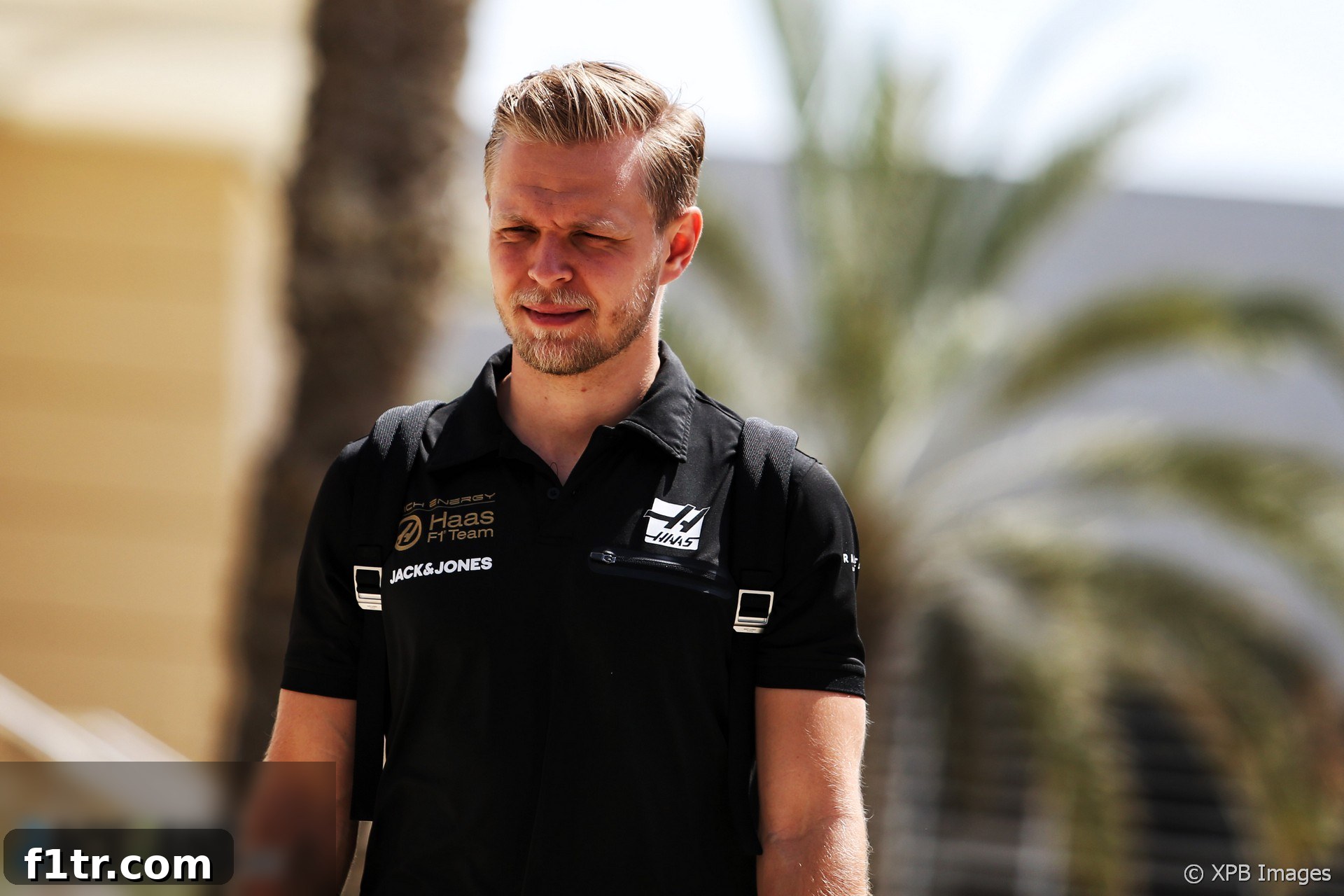
The exhilarating world of Formula 1 consistently seeks to refine the spectacle for its global audience, often introducing strategic changes to enhance on-track action. One such measure is the Drag Reduction System (DRS), a controversial yet integral part of modern F1 racing. Designed to aid overtaking and boost excitement, DRS has become a staple, but its implementation and effectiveness are subjects of ongoing debate. In the build-up to the highly anticipated 2019 Bahrain Grand Prix, the decision by the FIA to implement a third DRS zone at the Bahrain International Circuit sparked significant discussion among drivers, team principals, and dedicated fans alike. Among those weighing in with a notably nuanced perspective was Haas F1 driver Kevin Magnussen, who voiced his skepticism regarding the necessity of this additional overtaking aid at a track he already considers inherently conducive to thrilling and genuine racing maneuvers.
The Formula 1 landscape is constantly evolving, with regulations often tweaked to promote closer competition and more thrilling overtakes. The Drag Reduction System, introduced in 2011, allows drivers to open a flap on their rear wing, reducing drag and increasing top speed on designated straight sections of the track. Its primary aim is to facilitate overtaking, especially in an era where complex aerodynamics often make it challenging for cars to follow each other closely and execute passes. Typically, most F1 circuits feature one or two DRS zones. However, for the 2019 Bahrain Grand Prix, race organizers and the FIA opted to add a third activation zone to the Sakhir track, believing it would further elevate the excitement.
Advert | Become a Supporter & go ad-free
Advertisement
This new, third DRS zone was strategically placed on the straight section between turns three and four of the Bahrain International Circuit. This addition complemented the two existing zones that were already integral to the circuit’s layout and racing dynamics. The first existing zone spanned the lengthy pit straight, offering a classic, high-speed overtaking opportunity into the challenging Turn 1. The second was located between turns 10 and 11, leading into the technical final sector of the track, providing another crucial chance for drivers to gain an advantage. The introduction of a third zone, therefore, suggested a clear and ambitious intent to further increase the number of overtaking maneuvers and potentially generate more sustained wheel-to-wheel battles across various sections of the circuit, aiming for an even more action-packed race.
When directly questioned about the implications of this new addition, Kevin Magnussen, known for his forthright and often candid opinions, expressed clear reservations. “I think this was a track that was easy to overtake [at] already,” Magnussen told members of the media, including RaceFans, during the Bahrain race weekend. His comments immediately highlighted a broader, philosophical debate within the paddock and among fans: the optimal balance between creating artificial overtaking opportunities through technological aids and allowing the natural characteristics of a circuit and pure driver skill to dictate the outcome of racing battles. Magnussen’s viewpoint strongly suggested that the Bahrain International Circuit already possessed inherent design qualities that made it naturally suitable for thrilling overtaking, perhaps rendering an additional DRS zone unnecessary or even excessive.
“So for me it’s not the most necessary. I think other tracks need it more,” he added, directly implying that resources or strategic changes like additional DRS zones might be better allocated to circuits historically known for their procession-like races, where true overtaking is often more challenging and requires greater intervention. This perspective resonates with many purists of the sport who believe that while DRS certainly has a role to play in modern Formula 1, it should be deployed judiciously and thoughtfully to avoid making overtakes feel too “easy” or predetermined. Over-reliance on DRS, some argue, can diminish the spectacle and the genuine skill involved in a pass, rather than truly enhancing it.
Despite his initial skepticism regarding the necessity of a third DRS zone, Magnussen also displayed a profoundly pragmatic approach, acknowledging the realities of competitive racing at the highest level. He candidly admitted that his ultimate stance on the extra zone would likely depend significantly on its personal impact and benefit during the high-stakes race. “It’s hard to say what is too easy,” he reflected with a smile. “If it comes out to my advantage then I’ll be saying that it’s perfect. If it doesn’t then I will say the opposite.” This candid admission underscores a common dilemma for racing drivers: while principles of pure racing are important, personal performance and favorable race outcomes often color perceptions of regulatory changes. For a driver fiercely fighting for positions and points, any tool that aids progress, regardless of its perceived artificiality, can be a welcome and strategically vital asset.
Beyond his potential personal gain on track, Magnussen also recognized the overarching goal of such innovations: to significantly improve the overall fan experience. “It is what it is. Hopefully it will improve the racing, the show, for people watching,” he concluded. This statement touches upon the crucial commercial and entertainment aspects of Formula 1, where captivating the audience is paramount. The sport continually strives to keep its global fanbase engaged and entertained, and DRS, despite its detractors and the ongoing debate, remains one of the primary mechanisms employed by the FIA to create dramatic moments, closer racing, and unexpected overtakes, thereby keeping viewers riveted whether they are trackside or watching from millions of homes around the world.
The Bahrain International Circuit itself has consistently earned a reputation as one of F1’s more engaging and exciting venues for racing, a sentiment strongly echoed by the Haas F1 driver. “I think it’s a good track,” he affirmed with conviction. “It’s got a bit of everything.” This concise description of having “a bit of everything” refers to the diverse range of challenges the circuit inherently presents to both cars and drivers. Its meticulously designed layout features a compelling blend of high-speed straights that push engine limits, sharp braking zones demanding precision, and technical corners that rigorously test both driver skill and the aerodynamic performance of the car. The wide track layout, a distinguishing characteristic of modern circuits, coupled with varying corner speeds and apexes, naturally creates multiple organic opportunities for drivers to strategically outmaneuver their rivals.
Magnussen further elaborated on the circuit’s inherent merits, solidifying his view: “You’ve got some fast corners, good braking and overtaking opportunities. You can race here, it’s a good place to race.” The significant braking zones into Turn 1 and Turn 4, for instance, are classic and well-established overtaking hotspots, allowing drivers to effectively utilize slipstreaming down the preceding lengthy straights before attempting a decisive, late-braking maneuver. The natural presence of such prime overtaking zones is precisely why Magnussen initially questioned the necessity of introducing an additional, third DRS zone. For many purists and seasoned observers, the true test of a driver’s ability and courage lies in executing overtakes through sheer skill, strategic prowess, and raw nerve, rather than relying solely on a technological advantage granted by the DRS. The persistent challenge for the FIA and Formula 1 management is always to strike this delicate and often elusive balance: facilitating exciting, close-quarters racing without inadvertently making it feel overly contrived or artificial, thereby preserving the essence of motorsport.
The debate surrounding the utility and proliferation of DRS zones is a microcosm of the larger, philosophical discussion about the future direction of Formula 1. While some staunchly argue that DRS provides an essential and much-needed boost to the excitement, effectively preventing cars from getting stuck in frustrating “DRS trains” where no one can truly pass, others contend vehemently that it overly simplifies the intricate art of overtaking, potentially making it less rewarding for both the driver who executes the move and the spectator who witnesses it. Kevin Magnussen’s thoughtful and pragmatic comments from the 2019 Bahrain Grand Prix eloquently reflect this ongoing tension and the challenging balance the sport continually faces. On one hand, he clearly appreciates and champions a track like Bahrain that offers inherent, organic racing quality and natural overtaking opportunities; on the other, he also fully understands the practical, entertainment-driven benefits of a system explicitly designed to improve the overall spectacle. Ultimately, the true success of the third DRS zone in Bahrain, and indeed all such nuanced regulatory changes, is judged by the quality of racing it undeniably produces and the genuine enjoyment and engagement it brings to the millions of passionate Formula 1 fans worldwide.
Don’t miss anything new from RaceFans
Follow RaceFans on social media:
- Join RaceFans on Facebook
- Follow RaceFans on Twitter
- Get daily email updates from RaceFans
Advert | Become a RaceFans supporter andgo ad-free
Advertisement
2019 F1 season
- Crying in the Melbourne car park at 2019 grand prix was my career low – Ocon
- McLaren Racing reports reduced £71 million loss in 2019
- Kvyat: Hockenheim podium last year was “my biggest achievement” so far
- How the FIA’s new encrypted fuel flow meter targets Ferrari’s suspected ‘aliasing’ trick
- “He smashed my office door”: 23 must-see moments from ‘Drive to Survive’ season two
Browse all 2019 F1 season articles