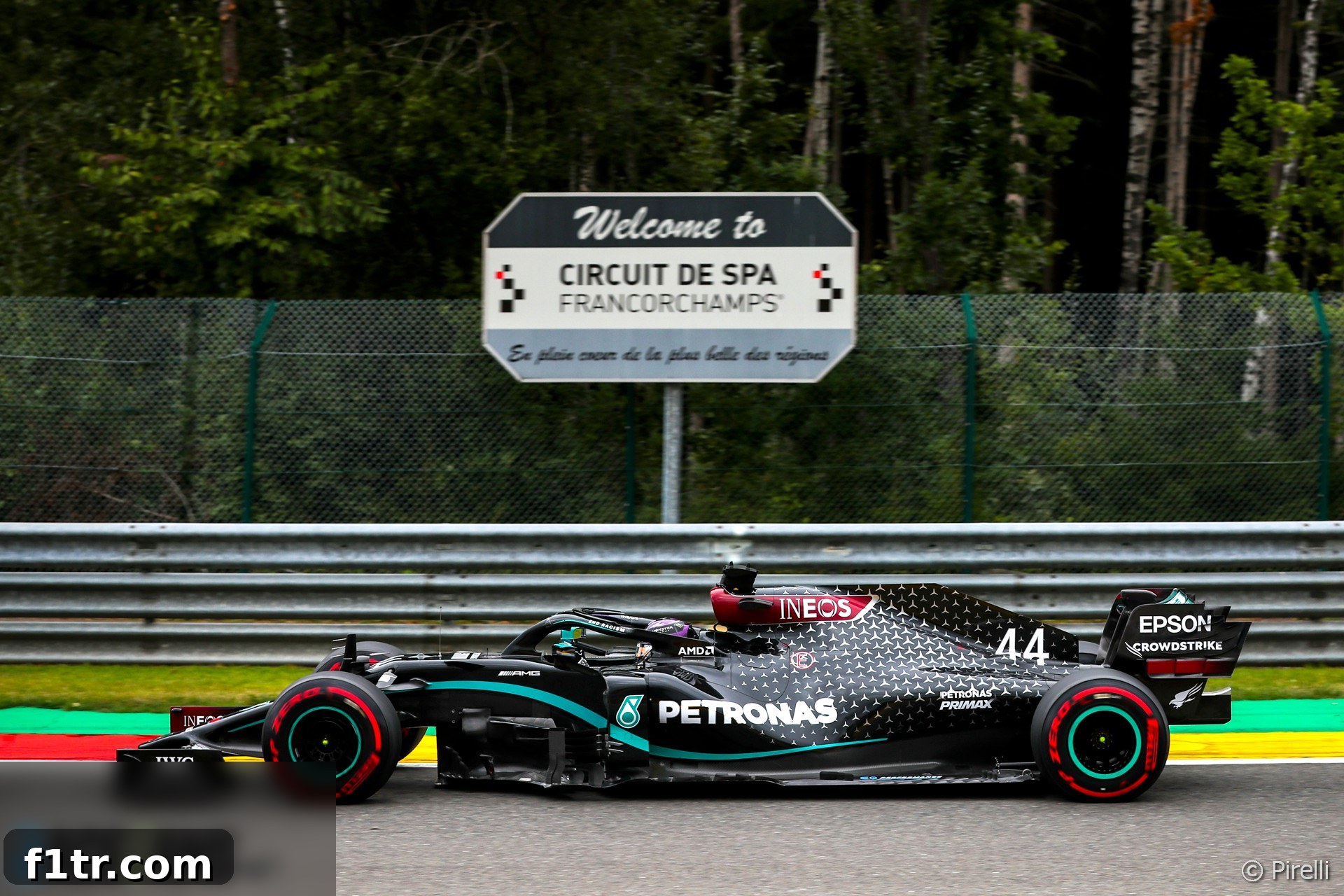
After an extended hiatus of 270 days, the familiar hum of Formula 1 returned, and with it, my journey back to the legendary Spa-Francorchamps circuit. It felt like an eternity since I last scanned my media pass at Yas Marina, marking the end of the previous season. This return, however, was unlike any other, as I joined a select group of journalists reporting live from the Belgian Grand Prix, navigating a landscape profoundly altered by global events.
Upon my arrival on Thursday morning, the sheer anticipation was palpable. Yet, referring to this column as a ‘Paddock Diary’ feels somewhat of a misnomer in this new era. Strict Covid-19 restrictions have regrettably barred journalists from accessing the very heart of the action – the paddock itself. Our media centre, perched strategically above, offers tantalizing glimpses: we can witness the activity, catch the distinct scent of race fuel, and hear the engines roar. But the physical barrier remains, a frustrating few metres separating us from our contacts and the buzzing epicentre of F1. This new reality, though challenging, is one we must adapt to for the foreseeable future.
Advert | Become a Supporter & go ad-free
My race weekend unofficially commenced with a vital pilgrimage back to Spa on Wednesday, specifically to the Blanchimont sector, for a mandatory Covid-19 test. This crucial step allowed me to collect my coveted 2020 media pass, now updated with a QR code denoting my verified Covid-19 status – a status meticulously confirmed by both nostril and throat swabs. As I finally slipped the pass over my head, a profound sense of ‘completeness’ washed over me, a feeling I hadn’t experienced all year, a symbol of F1’s cautious but determined return.
The Covid test itself was a first for me, and I admit to a degree of apprehension. Tales of discomfort, ranging from tingling sensations to outright burning, had circulated widely. Thankfully, the actual experience proved to be more uncomfortable than painful. It was a peculiar sensation, one that initially left me concerned about whether it had been administered correctly. However, my anxieties were quickly alleviated the following morning when the test station confirmed my ‘negative’ result, clearing my path for an official return to Spa on Thursday.
Thursday: Reacquainting with the Temple of Speed
The 140-kilometre drive to Spa-Francorchamps felt like a journey to a sacred place. I unequivocally declare it the best circuit in the world, not merely as a proud, naturalised Belgian, but also as a dedicated student of Formula 1 history. While other venues might offer more glitz, blindingly fast average speeds, or superior accessibility, none, in my opinion, so majestically encapsulates the raw essence and challenge of F1 racing. Its undulating topography, sweeping corners, and dramatic elevation changes are unparalleled, demanding the utmost skill and courage from every driver.
One immediate and striking difference was the conspicuous absence of crowds. Usually, this drive during a Grand Prix weekend would be a battle against relentless traffic. Today, however, the roads were clear, offering an unhindered passage to the circuit. Parking was equally hassle-free. From there, I headed towards the media centre, but the journey itself highlighted another significant change. Gone were the familiar minibuses that would shuttle us directly to the paddock. Instead, we faced a somewhat tortuous walk, bypassing the team areas and navigating a back door into the administration building – a small but constant reminder of the new operational realities.
The media centre itself bore little resemblance to its usual bustling state. During a normal Grand Prix, it would typically be packed with around 200 journalists, with another 80 or so photographers occupying an adjacent room. Under the stringent Covid conditions, these numbers were drastically reduced to approximately 30 journalists and 25 photographers, all accommodated within the same, significantly larger room. Rows that once seated 30 now comfortably held just four, allowing for ample social distancing. The atmosphere was certainly quieter, more contemplative, yet still infused with the shared passion for the sport.
My morning was dedicated to familiarising myself with the revised protocols and catching up with long-unseen colleagues. Amidst these reacquaintances, a major developing story demanded immediate attention: the intriguing news of the new ownership at Williams Racing. This was a critical development, and I spent considerable time delving into the details, sifting through information, and connecting with sources to understand the implications for one of F1’s most iconic teams.
Another notable change was the lunch arrangement. The days of visiting various team hospitality areas, sampling their diverse offerings, were a distant memory. Instead, the circuit thoughtfully provided three-course meals, meticulously prepared by local caterers. While the food was undoubtedly tasty and well-presented, a part of me longed for the former normality, not least for the wider array of culinary choices and the informal networking opportunities those lunches provided.
The FIA press conferences with all the drivers were conducted exclusively via Zoom. This process, which had been outlined previously, remained consistent for both remote journalists and those of us physically present at the circuit. It ensured that everyone had equal access to the drivers’ insights, albeit through a screen, further underscoring the shift to virtual interactions.
As the day drew to a close, I headed home to pack for a two-night stay closer to the track. In hindsight, a three-night stay would have been a more sensible decision, but old habits die hard. For Spa, I typically only book Friday and Saturday nights due to the notoriously inflated hotel rates during a race weekend. However, with the absence of fans this year, the profiteering had vanished, offering a rare opportunity for more affordable accommodation. This small comfort was another unexpected consequence of the unprecedented circumstances.
Advert | Become a RaceFans supporter andgo ad-free
Friday: The Rhythm of the Race Weekend
Friday brought a renewed sense of purpose. I found myself appreciating the continued lack of traffic on the journey to the circuit, a stark contrast to the usual Friday morning rush. However, a deeper reflection quickly led me to conclude that I would gladly endure any traffic jams if it meant the return of the passionate fans whose presence defines a Grand Prix weekend. Once inside the media centre, it was business as usual, albeit conducted primarily via telephone or text message, a testament to the persistent communication barriers.
A persistent source of frustration was the inability to get trackside during the first practice session. The unique thrill of feeling the immense speed and proximity of the cars from the track’s edge was sorely missed. Nonetheless, standing on the balcony just outside the media centre offered a decent alternative. From there, I could still absorb the familiar sights, the distinct sounds of the engines, and the unmistakable smells of racing. It was a powerful reminder that, despite the restrictions, being present at Spa was undeniably superior to watching the action unfold from home via F1 TV.
The hot topic dominating the team principals’ press conference was the recently signed 2021-2025 Concorde Agreement. All teams had committed to the new commercial pact since the Spanish Grand Prix, but the discussions revealed an ongoing point of contention. While the agreement aimed for greater equality, it became clear that all teams were treated equally *bar* Ferrari. The Scuderia, by virtue of its historical significance, continued to receive an additional $50 million per year. Yet, with the introduction of a stringent budget cap, this additional income became largely academic from a performance perspective, as their spending remained restricted. The annual break clause, a detail RaceFans had previously reported, was also indirectly confirmed during these discussions, adding another layer of intrigue to F1’s long-term future.
Following a relatively routine second practice session, my focus shifted to a more personal story: Lando Norris’s decision to revert to a helmet in his traditional colours, foregoing the ‘Flemish Lion’ version he had initially planned. It was a regrettable situation where what began as an innocent, heartfelt family tribute had, sadly, been politicised by certain factions, compelling the young driver to make a difficult choice for the sake of neutrality and avoiding further controversy.
- Norris explains decision to shelve “inappropriate” Belgian GP helmet design
Later in the afternoon, I had the privilege of conducting an exclusive interview with Red Bull team principal Christian Horner, also via Zoom. He was in excellent spirits, and our conversation flowed between serious discussion and light-hearted banter. It was a unique reunion, as he wryly reminded me that I still had hair when we first met back in his Formula Renault days in 1992. Horner offered some particularly serious insights into his future at Red Bull and, naturally, the burgeoning talent and immense potential of Max Verstappen. Keep an eye out for more of his profound observations later this week.
For dinner, I grabbed a simple ham baguette provided by the media centre before making my way to the parking area, relieved that the day’s intermittent rain had finally ceased. That night, I settled into a small, family-run hotel in St Vith, a charming German-speaking hamlet located approximately 25 kilometres from the circuit. The quiet, idyllic setting offered a welcome respite from the intensity of the track, a perfect end to another day in this altered F1 world.
Advert | Become a RaceFans supporter andgo ad-free
Saturday: Unravelling Intrigue and Political Maneuvers
Saturday morning saw me back at the circuit, my primary objective to continue chasing information regarding the unfolding Williams ownership saga. My persistence eventually paid off, as I managed to track down crucial details through an unconventional, “left-field” source. What I was told began to connect various disparate dots, revealing a fascinating narrative. A surprising royal connection to the new ownership emerged, alongside the involvement of former personnel from the Manor F1 team. As I worked the phones, another consistent thread amongst my sources was the intense lobbying efforts of Mercedes motorsport boss Toto Wolff concerning the contentious Renault versus Racing Point brake duct matter, a dispute that Ferrari had now decided to appeal.
This raised a significant question: why would an allegedly outside party, seemingly self-appointed as a mediator, push so vehemently for Ferrari to withdraw its appeal? The explanation, patiently clarified to me, was that Ferrari was not the sole appellant in this complex issue. Racing Point itself would also need to withdraw its appeal to completely resolve the matter. Otherwise, Racing Point would effectively remain ‘guilty as charged.’ The strong suggestion, therefore, was that Wolff would prefer Racing Point to plead guilty and accept the penalty rather than risk the International Court of Appeal conducting a full, deeper investigation into the specifics of the case, which might potentially expose Mercedes’ own involvement or influence in the design of the controversial brake ducts. This intricate web of politics highlighted the constant, high-stakes maneuvering that often takes place behind the scenes in Formula 1.
In the evening, I drove back to St Vith with my colleague Christian Menath, who graciously hosted me for a delightful dinner at a local restaurant. The meal provided a brief, much-needed break from the day’s relentless news gathering. Afterwards, I returned to my room, dedicated to finalising and filing my comprehensive analysis of the Williams ownership story, ensuring it would be ready to hit the site first thing the following morning.
- Who are the mystery buyers now in charge at Williams?
Sunday: Reflecting on a Unique Grand Prix and Looking Ahead
After a hearty breakfast on Sunday morning, I checked out of my hotel and made my way to the Covid testing station, a now-familiar pre-requisite for my upcoming trip to Monza. My route to the testing station serendipitously took me along sections of the original Spa-Francorchamps layout, a legendary configuration last utilised by F1 in 1970. Lined by towering trees and embraced by quaint houses, this historic circuit had a fearsome reputation, regularly claiming the lives of drivers – sometimes up to two per Grand Prix – in an era when safety was a secondary concern.
As I passed through the notorious Masta Kink, a corner that drivers once tackled at a breathtaking 300 kilometres per hour, I drove at a sedate, perfectly legal pace. This stark contrast allowed me to truly marvel at the incredible courage and sheer audacity of the drivers from that bygone era, who raced on what was then a monstrous 14-kilometre track. It offered a poignant moment of reflection on the evolution of both the sport and its circuits.
Following the Covid test, I headed to the media centre, then availed myself of the ‘mix zone,’ a dedicated room set aside for structured meetings between team personnel and media members. While it featured separate entrances, and we were seated at opposite ends of a large round table – making whispered confidences impossible due to the distance – it undeniably represented a significant step in the right direction. It offered a crucial opportunity for face-to-face (albeit socially distanced) interaction, and I sincerely hoped this improved format would be replicated in Monza, fostering better communication amidst the ongoing restrictions.
After the conclusion of the race, I remained immersed in media calls until eight o’clock in the evening, gathering reactions and insights from various team members and drivers. Finally, I packed up my belongings, departing Spa-Francorchamps after my first experience of a ‘Covid grand prix.’ It had been a weekend unlike any other, challenging in its new protocols, yet fulfilling in its return to the sport.
While the pervasive pathogen can rightfully be blamed for a multitude of global problems, it cannot, in fairness, be held responsible for what turned out to be arguably the most boring Grand Prix I have attended at Spa out of the 20 I’ve had the fortune to witness. The lack of on-track excitement was a significant disappointment. However, the season is not even halfway through, and there remains hope that the competitive landscape will shift beyond the current dominance of Mercedes. Nevertheless, this race should prompt Formula 1 to ask itself some probing questions about how to genuinely enliven the racing, especially given that the highly anticipated new technical regulations have been delayed by a full year. The sport needs to find immediate solutions to inject more unpredictability and excitement into the races.
On my journey home, my mind was occupied by the inherent weirdness of F1 in 2020-style. Without a doubt, Liberty Media has done a commendable job in salvaging a season that, at one point, seemed entirely lost. Similarly, the FIA’s protocols, while occasionally feeling ponderous and perhaps even over-the-top, are undeniably effective in ensuring safety. My hope is that we will see further relaxations of these protocols in Monza, and again at Mugello, as the season progresses. I look forward to connecting with you from Italy.
Go ad-free for just £1 per month>> Find out more and sign up
2020 Belgian Grand Prix Related Articles
- 2020 Belgian Grand Prix Star Performers
- Ricciardo believes Renault’s Spa set-up breakthrough will work on other tracks
- ‘He should have let me pass’: How Raikkonen saw Giovinazzi’s crash
- Sub-54 second laps will produce a “big mess” in qualifying on Bahrain Outer circuit
- McLaren expect Ferrari will “strike back” after Monza
Browse all 2020 Belgian Grand Prix articles