Mercedes Unveils Special White Livery to Honor 125 Years of Motorsport History
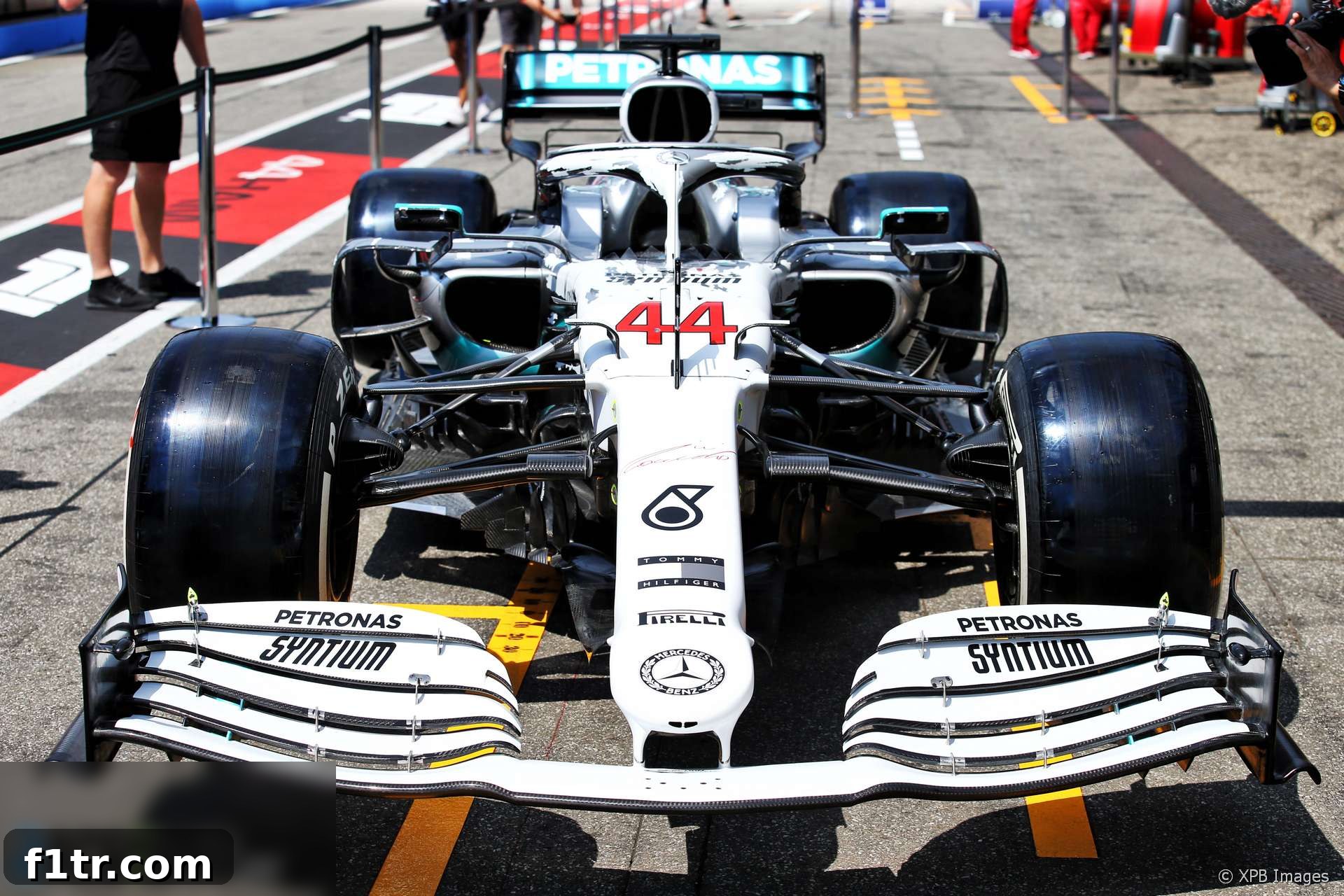
In a captivating nod to its illustrious past, Mercedes-AMG Petronas Formula One Team delighted fans and historians alike by revealing a unique white livery for the 2019 German Grand Prix. This striking design, unveiled at Hockenheim, served as a poignant tribute to 125 years of Mercedes-Benz in motorsport, a remarkable journey that began in 1894. More than just a change of paint, this “commemorative livery” was a meticulously crafted storytelling device, connecting the team’s modern-day dominance with the very origins of its legendary “Silver Arrows” moniker.
The decision to embrace a predominantly white and partially stripped-back design was steeped in rich history, directly referencing the iconic moment that birthed the “Silver Arrows” legend. The Hockenheimring, being Mercedes’ home race and with its parent company also acting as the title sponsor of the event, provided the perfect stage for such a significant commemoration. This special livery not only celebrated a century and a quarter of racing excellence but also offered a rare glimpse into the ingenuity and spirit of innovation that has defined Mercedes-Benz motorsport heritage from its earliest days.
Advert | Become a Supporter & go ad-free
Tracing the Roots: 125 Years of Motorsport Excellence
The year 2019 marked a momentous anniversary for Mercedes-Benz: 125 years since the brand first entered the competitive world of motorsport. This incredible journey began with the world’s first automobile race, the Paris-Rouen race in 1894, where a Daimler engine powered one of the participating vehicles. Since then, Mercedes-Benz has been at the forefront of automotive innovation and racing prowess, accumulating an unparalleled legacy of victories, technological breakthroughs, and iconic vehicles. From the early Grand Prix machines to the dominant Formula One cars of today, the pursuit of speed and engineering perfection has remained a constant thread through the brand’s history.
The German Grand Prix, held in Mercedes-Benz’s native Germany, was an ideal location to celebrate this profound milestone. The special livery wasn’t just a nostalgic gesture; it was a powerful statement affirming the deep connection between the brand’s past achievements and its contemporary success in Formula 1. By visually linking the present-day W10 EQ Power+ cars to the historic machines, Mercedes aimed to inspire both long-time enthusiasts and new fans, reminding everyone of the foundational values of engineering excellence, competitive spirit, and groundbreaking design that have always driven the marque.
The Genesis of a Legend: How the Silver Arrows Were Born
The most compelling aspect of the 2019 German Grand Prix livery lay in its direct homage to the birth of the “Silver Arrows” legend. This iconic nickname, now synonymous with Mercedes’ racing pedigree, has its origins in a dramatic turn of events at the 1934 Eifelrennen, held at the legendary Nürburgring circuit on June 3rd. Mercedes-Benz was set to debut its revolutionary new race car, the W25, designed specifically for the new 1934 Grand Prix season regulations. These rules introduced a strict maximum weight limit of 750 kilograms for the car, excluding fuel, oil, coolant, and tires.
The W25 was a marvel of engineering for its time, embodying a classic vehicle architecture. This formidable rear-wheel-drive machine was powered by a supercharged 3.4-liter in-line 8-cylinder engine, mounted at the front, which produced an impressive output of 354 horsepower (260 kW). Its design showcased Mercedes-Benz’s commitment to innovation, pushing the boundaries within the regulations. However, on the eve of its inaugural race, a critical problem emerged: when the W25 was weighed, it was found to be slightly over the 750 kg weight limit.
According to the revered “Silver Arrows legend,” an audacious and ingenious solution was devised under immense pressure. In a desperate bid to shave off every possible gram and meet the stringent regulatory requirements, the team’s racing manager, Alfred Neubauer, allegedly ordered the white lead paint to be scraped off the car’s bodywork. This drastic measure revealed the gleaming, unpainted aluminum chassis beneath, giving the car a distinct silver appearance. This impromptu decision not only saved the W25 from disqualification but, more importantly, gave birth to the iconic “Silver Arrow” identity, a name that would forever be etched in motorsport history.
The debut of the W25 at the 1934 Eifelrennen was a resounding success, with Manfred von Brauchitsch piloting the newly “silvered” machine to victory. This moment crystallized the image of the Silver Arrows: sleek, powerful, and uncompromisingly fast. The legend not only highlighted the engineering brilliance of Mercedes-Benz but also the quick thinking and determination of its racing team. From that day forward, the unpainted metallic finish became a symbol of German engineering prowess and a testament to the pursuit of performance above all else, even aesthetics.
The 2019 Livery: A Modern Interpretation of a Timeless Tale
For the 2019 German Grand Prix, the Mercedes-AMG Petronas F1 team masterfully reimagined this historical event. Their special livery featured a partially “stripped back” white paint scheme, intentionally designed to appear as if sections of the modern W10 car’s paint had been scratched or peeled away, revealing the underlying silver finish that symbolizes the Silver Arrows era. This visual trickery was a powerful homage to the W25’s dramatic transformation. The white paint was deliberately made to look distressed and incomplete, giving the impression that the team had, once again, scraped off paint to save weight in a race against time, just as their predecessors had done decades ago.
Beyond the primary white and silver elements, the 2019 livery also featured other significant historical details. Mercedes restored its heritage red numbering, a design element that was notably used on its F1 cars from 2010 until the preceding year. This vibrant red provided a striking contrast to the white and silver, further enhancing the retro aesthetic and linking the car to earlier periods of Mercedes’ Grand Prix participation. The meticulous attention to such details underscored the depth of the celebration and the team’s respect for its long and storied racing heritage.
Advert | Become a RaceFans supporter andgo ad-free
Impact and Legacy of the Special Livery
The unveiling of the special white livery generated immense excitement and discussion within the Formula 1 community and beyond. It was universally praised for its creativity, historical accuracy, and the narrative it conveyed. For fans, it was a unique opportunity to witness the intertwining of history and modernity on the grand stage of Formula 1. For Mercedes, it was a proud declaration of its enduring legacy and a reminder of the foundational principles that have driven its motorsport division for 125 years.
This commemorative livery at the 2019 German Grand Prix served as a powerful testament to the enduring appeal of the Silver Arrows legend. It demonstrated how deeply ingrained this story is in the Mercedes-Benz identity and how it continues to inspire the team’s pursuit of excellence. The decision to temporarily move away from their signature silver to embrace a design that subtly revealed it underscored the importance of history not just as a static past, but as a dynamic source of inspiration and identity for one of motorsport’s most successful teams.
Pictures: Mercedes German Grand Prix livery
2019 F1 season
- Crying in the Melbourne car park at 2019 grand prix was my career low – Ocon
- McLaren Racing reports reduced £71 million loss in 2019
- Kvyat: Hockenheim podium last year was “my biggest achievement” so far
- How the FIA’s new encrypted fuel flow meter targets Ferrari’s suspected ‘aliasing’ trick
- “He smashed my office door”: 23 must-see moments from ‘Drive to Survive’ season two
Browse all 2019 F1 season articles