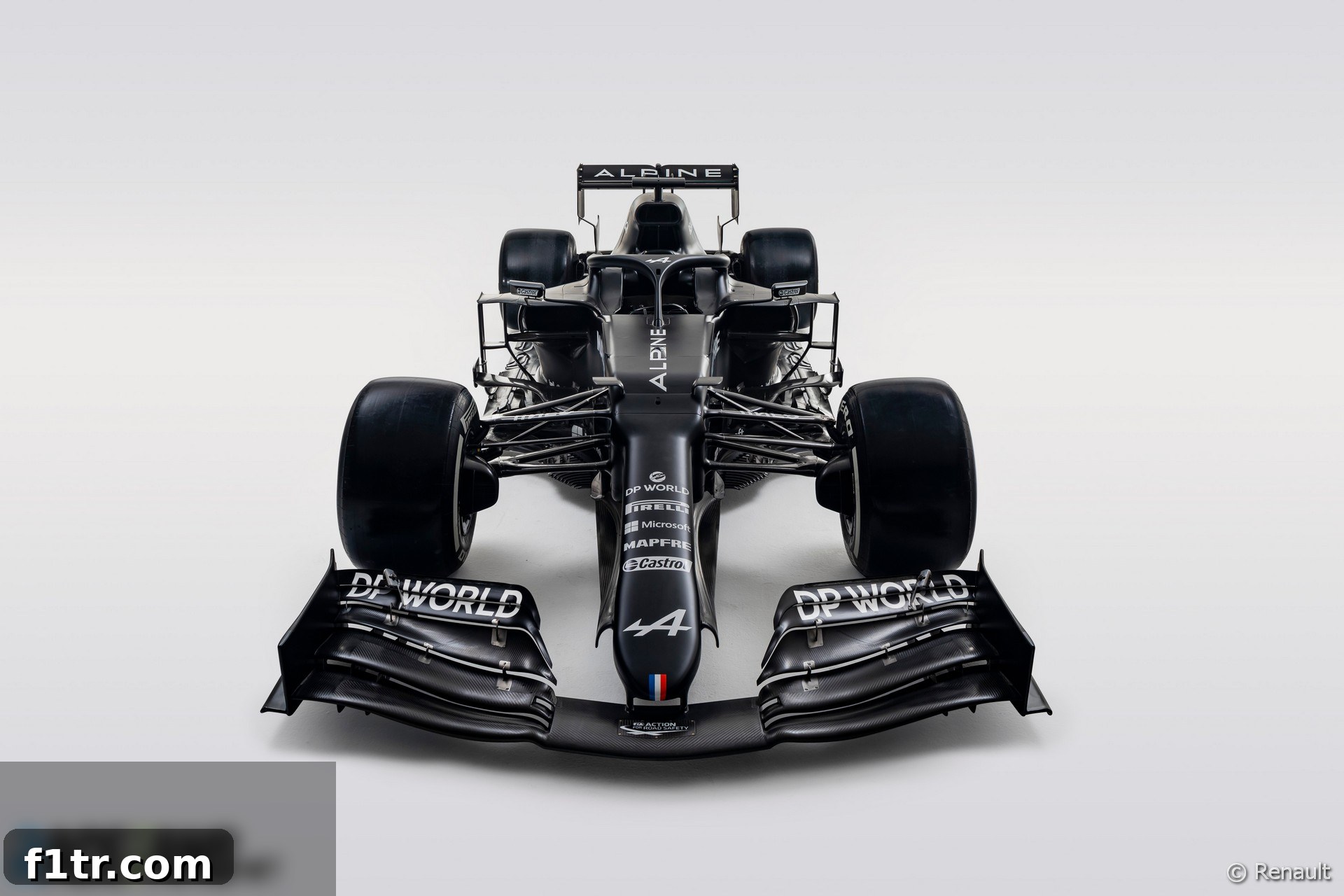
Alpine F1 Team Unveiled: A New Era for Renault in Formula 1
A significant transformation has taken place in the world of Formula 1, as Renault officially rebranded its factory team to Alpine. This strategic move, announced at the dawn of the 2021 season, marked a pivotal moment for the French automotive giant, leveraging its performance sub-brand to forge a distinctive identity on the global motorsport stage. The reveal presented an exciting glimpse into the team’s future, promising a blend of racing heritage and ambitious aspirations under the new Alpine banner.
The rebranding was more than just a name change; it represented a deeper strategic alignment within the Renault Group. Alpine, a name synonymous with French sports car prowess and a rich history in rallying and endurance racing, was thrust into the spotlight as the standard-bearer for Renault’s motorsport endeavors. This decision aimed to strengthen the Alpine brand globally, connecting its high-performance road cars with the pinnacle of motorsport, Formula 1.
The Vision Behind the Alpine Transformation
The announcement came during a press conference where Luca de Meo, who had taken the helm as Renault Group CEO in 2020, outlined the company’s comprehensive strategic plan, dubbed “Renaulution.” This ambitious roadmap for Renault’s future emphasized efficiency, profitability, and innovation across its brands. De Meo articulated a vision where Alpine would not merely be a racing team but a fully integrated, high-end sports car brand, with Formula 1 serving as its ultimate marketing and technological showcase.
For decades, Renault has been an integral part of Formula 1, both as an engine supplier and a full constructor. Their journey has been marked by periods of immense success, including championship victories. The decision to pivot to Alpine was a bold declaration of intent, signaling a fresh chapter that promised renewed focus and a distinct identity, moving away from the broader Renault brand association in F1 while still benefitting from its extensive resources and engineering expertise.
A Look Back: Renault’s Journey to Alpine
Renault’s return as a full constructor in 2016 was met with high expectations. Over the subsequent seasons, the team diligently worked its way up the competitive grid, investing heavily in infrastructure, personnel, and development. The 2020 season, in particular, saw significant progress, with the team securing its first podium finishes since its comeback, signaling that the groundwork was beginning to bear fruit. These successes, achieved with Daniel Ricciardo and Esteban Ocon at the wheel, provided a strong foundation for the transition to the Alpine brand.
The team’s trajectory underscored the commitment of Renault to Formula 1, despite the financial and competitive challenges. The experience gained during these years, coupled with the lessons learned, prepared the outfit for its new identity. The rebranding to Alpine was not a step back but a strategic leap forward, designed to capitalize on Renault’s accumulated knowledge and give the project a sharper, more focused edge.
Leadership Shake-Up and a New Direction
Just prior to the official reveal of the Alpine F1 team, significant changes within the leadership structure were announced, highlighting the profound shift underway. Cyril Abiteboul, who had been the managing director of the Renault F1 team and a prominent figure in its return to the sport, departed the organization. His exit paved the way for Laurent Rossi, an executive with a strong background within the Renault Group, to step into the role of chief executive officer of the Alpine brand.
Rossi’s appointment underscored the integrated nature of the Alpine project, where the F1 team would be tightly woven into the broader strategy of the Alpine performance brand. During the interim look reveal, Rossi expressed immense pride in introducing the team’s new F1 car. While only a temporary livery was shown, he emphasized the excitement building towards the full reveal of the A521, the team’s 2021 challenger, promising a design that would fully embody the spirit and colors of Alpine.
This leadership restructuring was critical for setting the tone and direction for the new era. It signaled a fresh perspective and a renewed impetus for the team, aligning its racing ambitions with the overall business objectives of the Alpine brand, from road cars to motorsport excellence.
Fernando Alonso’s Grand Return: A Champion Joins the Alpine Ranks
Adding another layer of excitement to the Alpine F1 team’s debut was the highly anticipated return of two-time world champion Fernando Alonso. Alonso, who famously secured both his world titles with Renault in 2005 and 2006, rejoined the Enstone-based squad, bringing with him a wealth of experience, unparalleled race craft, and an insatiable hunger for competition. His partnership with the promising Esteban Ocon formed a compelling driver lineup, blending youthful talent with seasoned championship wisdom.
Alonso’s return was viewed not just as a high-profile signing but as a strategic move to infuse the team with a winning mentality and provide invaluable development feedback. His reputation as a fierce competitor and a meticulous technical driver made him an ideal candidate to lead Alpine’s charge up the grid. Fans and pundits alike eagerly awaited to see the Spanish maestro back in action, donning the distinctive blue colors of Alpine, and pushing the team to new heights.
Esteban Ocon, a talented and fast driver in his own right, would undoubtedly benefit from partnering with a legend like Alonso. The dynamic between the two drivers promised healthy internal competition and a strong collective effort to maximize the performance of the A521. This driver pairing was seen as a significant asset for Alpine, capable of both extracting maximum performance on track and providing robust feedback for future car development.
The A521: Anticipation for the 2021 Challenger
While the initial reveal showcased an interim livery – a striking black car adorned with the bold Alpine ‘A’ logo, signaling a dramatic departure from Renault’s traditional yellow – the full design and final shape of the 2021 F1 car, designated the A521, were set to be unveiled shortly thereafter. This phased approach built anticipation, allowing the team to introduce its new brand identity before diving into the specifics of its racing machine.
The interim livery, characterized by its sleek and minimalist design, offered a powerful visual statement. It was a clear indication that Alpine was ready to make its mark, embracing a modern aesthetic while hinting at its performance-oriented philosophy. The final livery, expected to incorporate the French national colors of blue, white, and red, would complete the visual transformation, proudly displaying Alpine’s heritage and national identity on the global stage of Formula 1.
Technically, the A521 would be a crucial evolution from its predecessor. With the continuity of many regulations from 2020 to 2021 due to the COVID-19 pandemic, teams focused on refining existing designs while adapting to specific aerodynamic changes introduced for the new season. Alpine’s engineers and designers worked tirelessly to optimize every aspect of the car, aiming to build on the momentum gained in 2020 and deliver a competitive package that could challenge the established front-runners.
The Impact of Alpine’s F1 Entry
The entry of Alpine into Formula 1 represented more than just a team rebranding; it symbolized a revitalized commitment from the Renault Group to top-tier motorsport and a clear articulation of its strategic future. For the sport itself, the addition of a brand with such a distinct heritage and identity brought fresh narrative and excitement. It underscored Formula 1’s appeal to major automotive manufacturers seeking to showcase their technological prowess and brand values on a global stage.
From a fan’s perspective, the Alpine F1 Team offered a new challenger to root for, especially with the return of an iconic figure like Fernando Alonso. The team’s French roots and the promise of a unique visual identity on track generated considerable buzz, contributing to the overall anticipation for the 2021 season. The rebranding allowed for a sharper focus on performance and a clearer marketing message, aligning the race team directly with Alpine’s high-performance road car aspirations.
This bold step was a testament to Luca de Meo’s vision for the Renault Group, positioning Alpine as a cornerstone of its premium and performance strategy. The Formula 1 team was earmarked to be the spearhead of this strategy, driving innovation, enhancing brand awareness, and embodying the pursuit of excellence. The expectation was that the Alpine F1 Team would not only compete for podiums but also inspire a new generation of motorsport enthusiasts and potential customers for Alpine’s road cars.
Looking Ahead: Alpine’s Future in Formula 1
As the 2021 season unfolded, the Alpine F1 Team, with its striking blue livery and formidable driver lineup, aimed to establish itself as a consistent contender in the midfield, regularly challenging for points and podiums. The long-term vision involved developing into a championship-challenging outfit, leveraging the strong foundation laid by Renault and harnessing the passion and technical expertise associated with the Alpine brand.
The journey for the Alpine F1 Team was just beginning, but the initial announcement and strategic positioning laid a solid groundwork for an exciting future. With strong leadership, a proven driver pairing, and a renewed brand identity, Alpine was poised to write a new chapter in Formula 1 history, building on a rich heritage while forging a path towards future success.
Don’t miss anything new from RaceFans
Follow RaceFans on social media:
- Join RaceFans on Facebook
- Follow RaceFans on Twitter
- Get daily email updates from RaceFans
2021 F1 season
- Masi ‘basically gifted the championship’ to Verstappen says 2021 FIA steward Sullivan
- Las Vegas race backers looking to extend F1 deal beyond 2025
- Why Mercedes put ‘a reminder of joy and pain’ on display in their factory lobby
- Verdict on error in GT race suggests Mercedes would have lost 2021 Abu Dhabi GP appeal
- Title ‘stolen’ from Mercedes made us ‘underdogs people cheer for’ – Wolff
Browse all 2021 F1 season articles