George Russell Leads F1 Drivers in Strong Opposition to Reverse Grid Sprint Race Proposal
Formula 1’s ambition to inject more unpredictability into its race weekends through the introduction of reverse grid sprint races has once again ignited a fierce debate within the paddock. Among the most vocal critics is Williams driver George Russell, who has joined several of his rivals in condemning a proposal he believes fundamentally undermines the sporting integrity of Formula 1. Following the Italian Grand Prix, F1’s motorsport director Ross Brawn indicated his desire to revive the controversial scheme, which would replace traditional qualifying sessions with sprint races where the grid order is determined by championship standings, in reverse.
This isn’t the first time such an idea has been floated, nor is it the first time it has faced substantial resistance. The proposal was previously blocked by teams in 2019 and again earlier in the current season, highlighting a deep-seated philosophical divide within the sport regarding its future direction. While the allure of mixing up the grid and promising more on-track action is undeniable for some, many, especially those directly involved in racing, see it as an artificial gimmick that detracts from the true essence of Formula 1.
Advert | Become a Supporter & go ad-free
Russell’s Uncompromising Stance: The Plight of the Backmarker
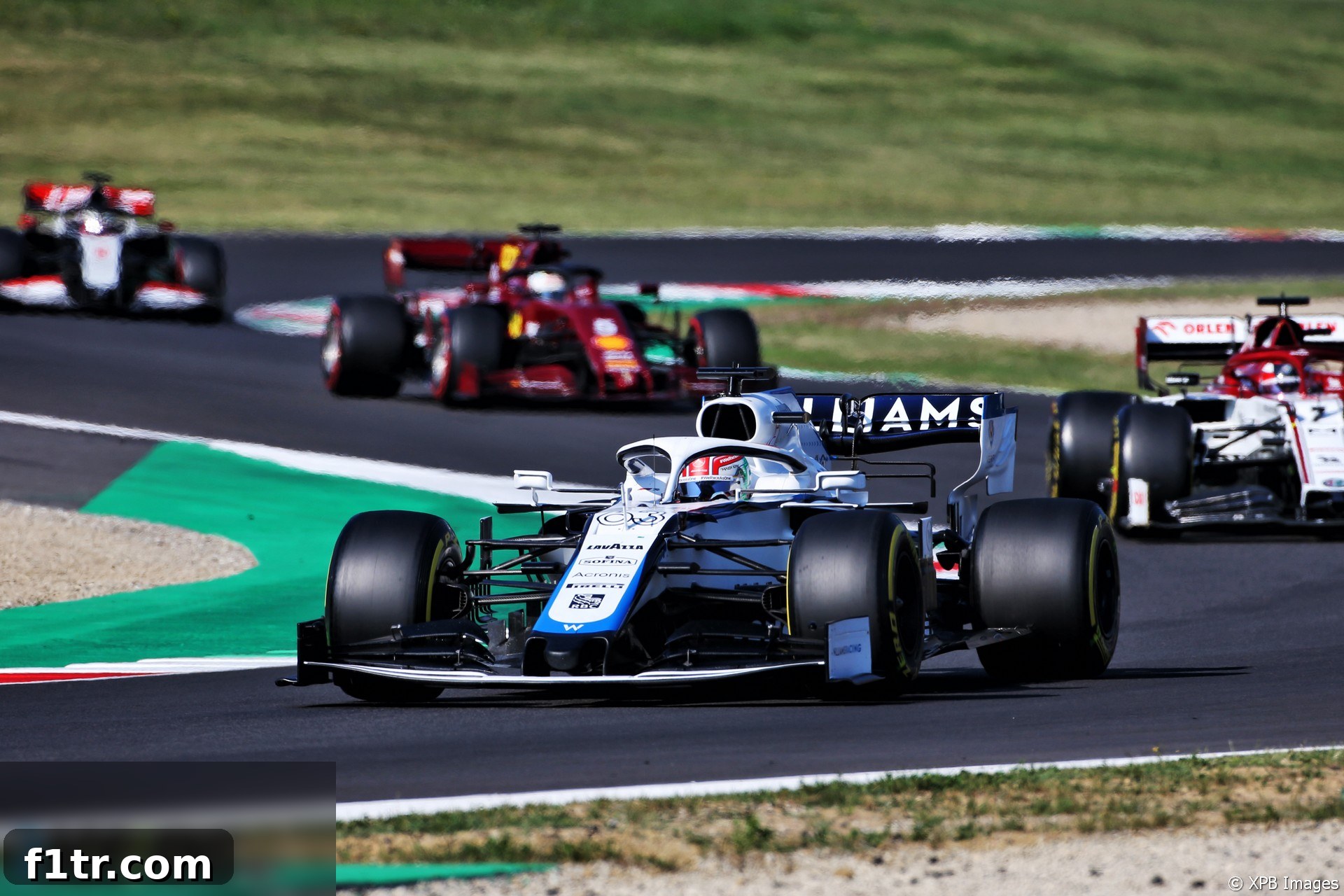
George Russell, currently positioned 20th in the championship, would find himself in an enviable second-place starting position in such a reverse grid sprint race, directly behind Romain Grosjean. On paper, this might appear to be a golden opportunity for a driver in a less competitive car to score valuable points. However, Russell’s perspective is far from enthusiastic, as he unequivocally stated last week that he was “against” the idea, articulating a compelling argument rooted in the stark realities of F1’s performance differentials.
“The fact is we are in the slowest car on the grid, or one of the slowest cars on the grid, and we would just get eaten alive,” Russell explained. This candid assessment reveals the frustration of being at the helm of a machine inherently disadvantaged against the sport’s front-running behemoths. For Russell and his ilk, starting near the front would not be a chance to compete, but rather an extended, high-pressure exercise in futility. The significant performance gap, measured in seconds per lap, means that even with a head start, a Williams, Haas, or Alfa Romeo would be little match for a Mercedes, Red Bull, or Ferrari rapidly closing in from the back.
Russell further elaborated on the demoralizing prospect: “We will be defending like crazy to try and hold the faster cars off who are behind us. But, as drivers, you’ll be made to look a little bit stupid because ultimately you’re battling against guys who are in cars much, much quicker than yours, who can brake 10 metres later into a corner, who can lunge you from really far back.” This speaks to a deeper concern about driver image and perceived competence. A driver’s skill is paramount, but in a reverse grid scenario, the vast performance disparity would render even the most heroic defensive efforts largely symbolic. The inevitable overtake, often executed with relative ease by a superior car, would strip away any illusion of genuine competition, potentially making the slower drivers appear less capable than they are.
The Illusion of Heroism: Car vs. Driver Superiority
One of the most insightful points Russell raised touches upon the perception of skill and success within Formula 1. He admitted that if he were driving one of the top cars, his perspective might shift dramatically. “If I was in one of the top cars, I’d actually really, really want it because it would make those drivers look like heroes, lunging drivers from miles back purely because they’re in a superior car.” This statement cuts to the heart of the matter: would such a format genuinely highlight driver skill, or merely exaggerate the existing advantage of superior machinery?
Formula 1 prides itself on being the pinnacle of motorsport, a blend of cutting-edge technology and unparalleled driving talent. However, the reverse grid concept risks skewing this balance. When a top driver carves through the field from the back, a portion of that spectacle is undoubtedly due to their exceptional ability. Yet, a significant part is also attributable to the engineering marvel they command. In a reverse grid scenario, where a Mercedes or Red Bull starts 15th while a Williams starts 2nd, the “heroics” of the former would be amplified by an artificial advantage, making it difficult to discern pure skill from mere car dominance. This risks devaluing the achievements of drivers who genuinely climb through the field under normal, meritocratic circumstances.
While acknowledging that such a proposal might, in theory, give him and team mate Nicholas Latifi a better chance of scoring points, Russell quickly underscored his priority: “But for our image, not just me and Nicholas but the Haas guys, the Alfa guys, it’s just impossible to race cars that are so much faster than yours.” For teams and drivers operating at the sharp end of the grid, a genuine fight for points is a hard-earned reward for their combined efforts. The idea of potentially stumbling into points through an artificial format, only to be utterly outclassed in the process, is not only unappealing but also potentially damaging to their standing and reputation within the sport. It would be a hollow victory, undermined by the glaring performance disparity.
The Broader Debate: F1’s Identity and the Reverse Grid Proposal
Russell’s concerns are not isolated; they echo a broader sentiment among many within Formula 1 who believe that the sport’s fundamental identity as a meritocracy should be preserved. The core principle of F1 has always been to reward the fastest car and the most skilled driver combination. Any deviation from this, such as artificially manipulating the grid, raises questions about the integrity and authenticity of the competition. While the pursuit of “entertainment” is a legitimate goal for any sport, critics argue that this should not come at the cost of genuine sporting merit.
Ross Brawn’s continued advocacy for reverse grid races stems from a desire to address the perceived predictability of some F1 weekends, especially those where a dominant team dictates the pace from qualifying to the checkered flag. The Italian Grand Prix, with its dramatic overtakes and unexpected podium finishers, was cited by Brawn as an example of how mixing things up can lead to thrilling spectacles. However, the counter-argument is that true excitement should emerge organically from competitive racing, tactical masterstrokes, and genuine driver skill, rather than from manufactured scenarios. The very unpredictability that F1 seeks to enhance could, paradoxically, be undermined if the outcomes become overtly influenced by artificial rules rather than raw performance.
The repeated blocking of the reverse grid proposal by teams underscores the deep philosophical rift. While some team principals and stakeholders might see commercial benefits or increased fan engagement from such a format, a significant number prioritize the long-standing values of the sport. Their resistance often centers on the belief that F1 should remain a platform where technological innovation, relentless development, and driver excellence are paramount. Introducing a “gimmick” like reverse grids could be seen as an admission that the sport cannot generate excitement on its own terms, potentially alienating purist fans who value true sporting competition above all else.
The Unintended Consequences and Future of F1
Beyond the immediate concerns about image and fairness, there are broader implications for the sport if reverse grid races were to become a regular feature. Consider the impact on team strategy and car development. Would teams intentionally underperform in certain sessions to secure a better starting position for a reverse grid sprint? Such tactical maneuvering, while potentially adding a layer of intrigue, would fundamentally contradict the spirit of racing to be the absolute fastest at all times. It could lead to a perverse incentive structure where outright speed is not always the optimal path to success, which seems antithetical to F1’s DNA.
Furthermore, the introduction of artificial elements risks alienating a segment of the fanbase that cherishes F1’s rich history and tradition. Fans flock to Formula 1 to witness the pinnacle of motorsport engineering and driver talent, not to see a pre-determined scramble designed for television spectacle. While casual viewership might initially spike due to the novelty, the long-term sustainability of interest relies on genuine competition and authentic heroic performances. Over-reliance on artificial formats could diminish the prestige of a Grand Prix victory, turning it into another event rather than a coveted achievement earned through unadulterated speed and strategy.
The debate around reverse grids also distracts from more fundamental issues that Formula 1 is actively trying to address, such as reducing the performance gap between teams through budget caps and new technical regulations. These initiatives aim to foster closer, more natural racing across the grid, which would intrinsically lead to more exciting events without resorting to artificial grid manipulation. Many argue that the focus should remain on creating a truly level playing field where every team has a realistic chance to compete, rather than implementing temporary fixes that paper over deeper structural disparities.
Conclusion: A Stance for Sporting Purity
George Russell’s emphatic rejection of Formula 1’s reverse grid sprint race proposal is more than just the complaint of a driver in a less competitive car; it is a principled stand for the fundamental values of the sport. His arguments illuminate the profound difference between manufactured excitement and genuine sporting spectacle, highlighting how such a format could inadvertently diminish the efforts of drivers and teams, particularly those battling at the back of the grid. While the quest for enhanced entertainment is understandable, the consensus among many drivers and purists suggests that F1’s integrity and meritocratic foundation should not be compromised for short-term thrills.
The ongoing discussion around reverse grids is a critical barometer of Formula 1’s identity crisis: whether it will prioritize pure sporting competition and technological excellence, or lean more heavily into entertainment at any cost. For George Russell and many of his peers, the choice is clear: true heroism in motorsport is earned through skill, dedication, and the relentless pursuit of speed, not through an artificial advantage that risks making both the fast and the slow look foolish in the process. The debate will undoubtedly continue, but the strong opposition from within the cockpit makes the path forward for reverse grids increasingly challenging.
Don’t miss anything new from RaceFans
Follow RaceFans on social media:
- Join RaceFans on Facebook
- Follow RaceFans on Twitter
- Get daily email updates from RaceFans
Advert | Become a RaceFans supporter andgo ad-free
Formula 1
- Verstappen loathes F1’s new generation of cars – but what do his rivals reckon?
- The ‘throwback weekend’ is back in fashion. But it’s a flawed concept – especially for F1
- Is Formula 1’s double race cancellation a blessing in disguise?
- Todt admits Schumacher crashed on purpose – but did it really cost him two titles?
- 25 of the most memorable radio exchanges from the ‘Max and GP show’
Browse all Formula 1 articles