Red Bull’s Pivotal 2019 Engine Decision: Renault or Honda?
The highly anticipated 2019 Formula 1 season brought with it a significant strategic crossroad for Red Bull Racing: choosing their engine supplier. Team Principal Christian Horner openly expressed his satisfaction, stating it was “great” to finally have a genuine choice between two potential power unit providers. This decision carried immense weight, not just for Red Bull’s immediate championship aspirations, but also for its long-term trajectory in the fiercely competitive world of Formula 1.
For over a decade, since 2007, Red Bull had been powered by Renault engines, a partnership that yielded four consecutive Drivers’ and Constructors’ Championships between 2010 and 2013. However, the more recent years saw increasing friction and public criticism from Red Bull regarding the performance and reliability of Renault’s power units. This strained relationship set the stage for a potential departure, with Honda emerging as a compelling, albeit somewhat uncertain, alternative.
The Strategic Advantage of Toro Rosso’s Honda Partnership
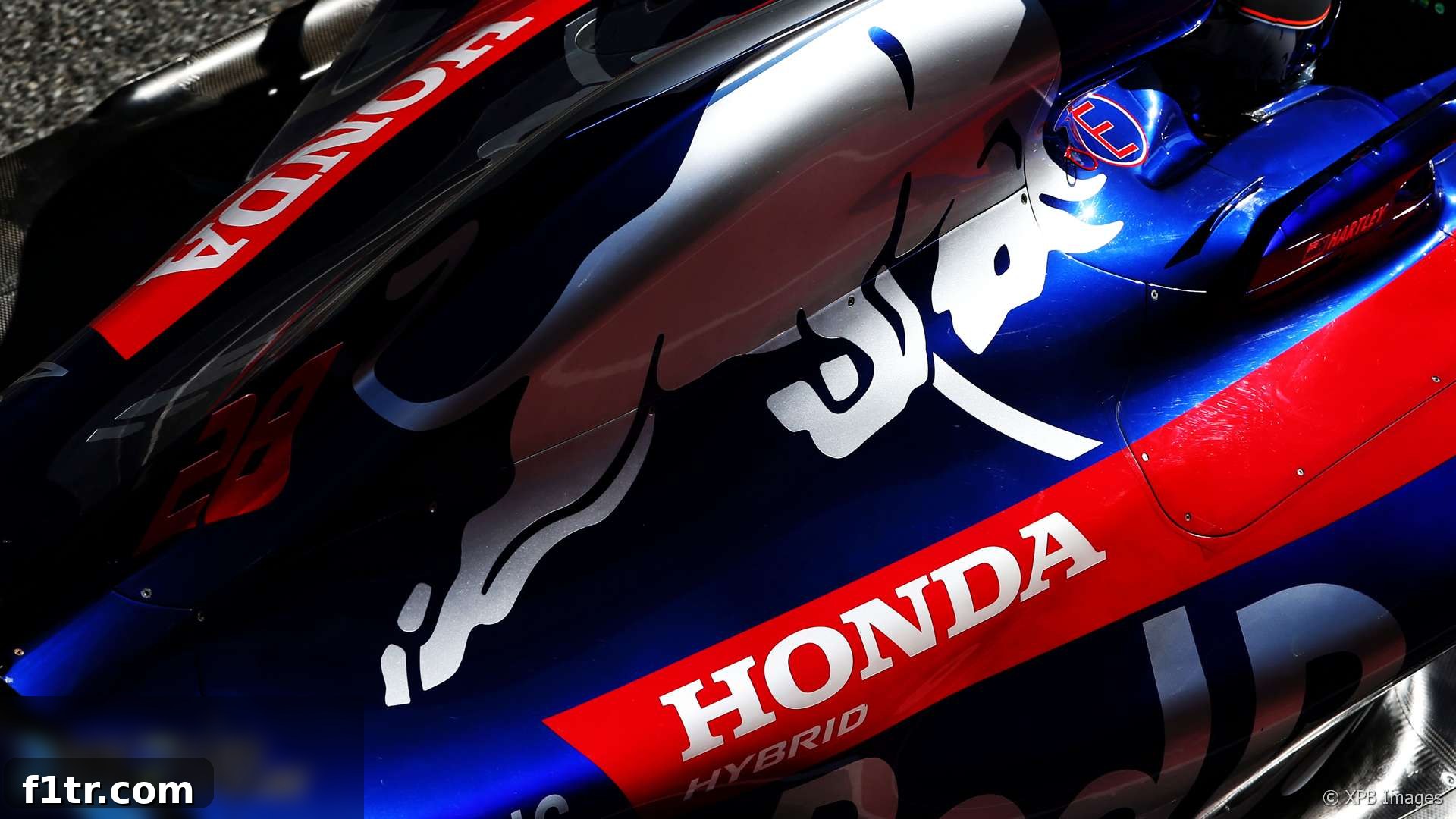
A crucial element influencing Red Bull’s decision-making process was the arrangement with their junior team, Toro Rosso. For the 2018 season, Toro Rosso switched to Honda engines, a move that Christian Horner shrewdly recognized as providing Red Bull with “a front row seat to see how things are progressing and evolving.” This direct, real-time observation of Honda’s progress was invaluable. It allowed Red Bull to gather critical data, assess the power unit’s reliability, and understand its integration with a chassis, all without committing their senior team prematurely.
This “live test bed” approach was a stroke of genius. While other teams might rely on simulations or hearsay, Red Bull had direct access to comprehensive performance metrics and feedback from their sister team’s engineers and drivers. This insight offered a unique advantage in evaluating whether Honda, despite its well-documented struggles with McLaren in previous seasons, had truly turned a corner and could provide the competitive edge Red Bull desperately sought.
Conflicting Deadlines: Red Bull vs. Renault
The process of making this critical engine decision was not without its public disagreements, particularly concerning deadlines. Cyril Abiteboul, Team Principal of Renault, had publicly indicated that a decision regarding their continued partnership with Red Bull needed to be finalized by May. This timeline was crucial for Renault’s own long-term planning, including manufacturing schedules, resource allocation, and potential commitments to other customer teams.
However, Christian Horner presented a different perspective to RaceFans, asserting that Renault’s stated May deadline differed significantly from the conversations Red Bull had privately engaged in with the French manufacturer. Horner maintained that, “The reality is we have until the summer break to make a decision.” He further clarified, “Ideally we’d like to make that decision prior to August, but end of July is probably the cut-off.”
This discrepancy highlighted the power dynamics at play. While manufacturers typically prefer earlier commitments for logistical reasons, Red Bull, as a highly successful and influential customer, aimed to maximize its negotiating leverage. Horner pointed out that FIA regulations, while requiring manufacturers to indicate their intentions early, were not “a hard and fast rule,” citing the precedent set by McLaren and Toro Rosso’s late engine deals in the preceding year. This assertion underscored Red Bull’s confidence in securing an engine, regardless of the perceived deadlines, emphasizing their position of strength.
Renault’s Perspective: Planning and Practicality
From Renault’s standpoint, the urgency was understandable. Abiteboul’s comments to the media, including RaceFans, in Spain conveyed a sense of impatience: “We are not going to hang around forever for Red Bull to decide.” He acknowledged Red Bull’s options, stating, “I know what Christian is referring to when he says that he has options. He’s right, he’s absolutely right. I know, like him I can read contracts and the obligation we have towards the sport, not towards Red Bull Racing.”
Abiteboul’s emphasis on “planning” and “obligation towards the sport” rather than specifically to Red Bull Racing was a clear signal. While Renault was contractually bound to supply engines to a certain number of teams, their strategic interests also dictated clarity. The potential loss of a high-profile customer like Red Bull would free up resources, but it also required significant readjustment in their long-term manufacturing and development strategies. For Renault, clarity by May was essential for budgeting, allocating engineering talent, and preparing for the following season’s engine production cycle. The looming deadline was less about coercing Red Bull and more about the practical necessities of running a Formula 1 engine program.
Go ad-free for just £1 per month>> Find out more and sign up
The Honda Factor: A Calculated Risk for Red Bull
The prospect of a switch to Honda represented a bold, yet calculated, gamble for Red Bull. While Honda’s previous partnership with McLaren had been disastrous, leading to consistent unreliability and underperformance, their subsequent alliance with Toro Rosso showed promising signs of recovery. The data collected from Toro Rosso’s 2018 campaign would have been meticulously analyzed by Red Bull’s engineering team, weighing the potential for increased performance against the inherent risks of adopting a relatively unproven power unit.
A primary appeal of Honda was the potential for a closer, ‘works team’ style relationship, which Red Bull had long desired. Unlike with Renault, where Red Bull was a customer team, a partnership with Honda could offer a more integrated development process, allowing the chassis and engine teams to work hand-in-hand from an early stage. This synergy could unlock greater performance potential and offer more bespoke solutions tailored to Red Bull’s design philosophy, a luxury rarely afforded to customer teams. The downside, of course, was the uncertainty. If Honda failed to deliver, Red Bull’s championship hopes would be severely impacted, and the team would face the challenge of an engine manufacturer with less experience in modern F1 hybrid systems than their rivals.
Broader Implications for the 2019 Season and Beyond
Red Bull’s engine choice was not just a team-specific matter; it had broader implications for the 2019 F1 season and the sport’s engine landscape. A decision to stay with Renault would likely signify a renegotiated, perhaps more amicable, relationship or simply a lack of a genuinely superior alternative. Conversely, a switch to Honda would signal a significant shift, creating a formidable new partnership that could challenge Mercedes and Ferrari at the front of the grid.
This decision would also influence the competitive balance among the engine suppliers themselves. If Red Bull, a top team, chose Honda, it would provide a massive boost to Honda’s credibility and investment in F1. If they stayed with Renault, it would reinforce Renault’s position as a key engine supplier, despite their internal team’s own championship aspirations. The saga underscored the complex interplay between commercial agreements, technical performance, and strategic vision that defines Formula 1 at the highest level.
The Verdict Looms
As the summer break approached, the racing world awaited Red Bull’s definitive announcement. Christian Horner’s confidence in having a choice highlighted a newfound leverage for the team, moving away from a period where options felt limited. The differing timelines articulated by Horner and Abiteboul merely added to the intrigue, underscoring the high stakes and the meticulous negotiation behind the scenes. Ultimately, Red Bull’s engine decision for 2019 would be a defining moment, shaping their competitive future and potentially altering the championship fight for years to come.
Read our full exclusive interview with Christian Horner later today on RaceFans.
Don’t miss anything new from RaceFans
Follow RaceFans on social media:
- Join RaceFans on Facebook
- Follow RaceFans on Twitter
- Get daily email updates from RaceFans
2019 F1 season
- Crying in the Melbourne car park at 2019 grand prix was my career low – Ocon
- McLaren Racing reports reduced £71 million loss in 2019
- Kvyat: Hockenheim podium last year was “my biggest achievement” so far
- How the FIA’s new encrypted fuel flow meter targets Ferrari’s suspected ‘aliasing’ trick
- “He smashed my office door”: 23 must-see moments from ‘Drive to Survive’ season two
Browse all 2019 F1 season articles