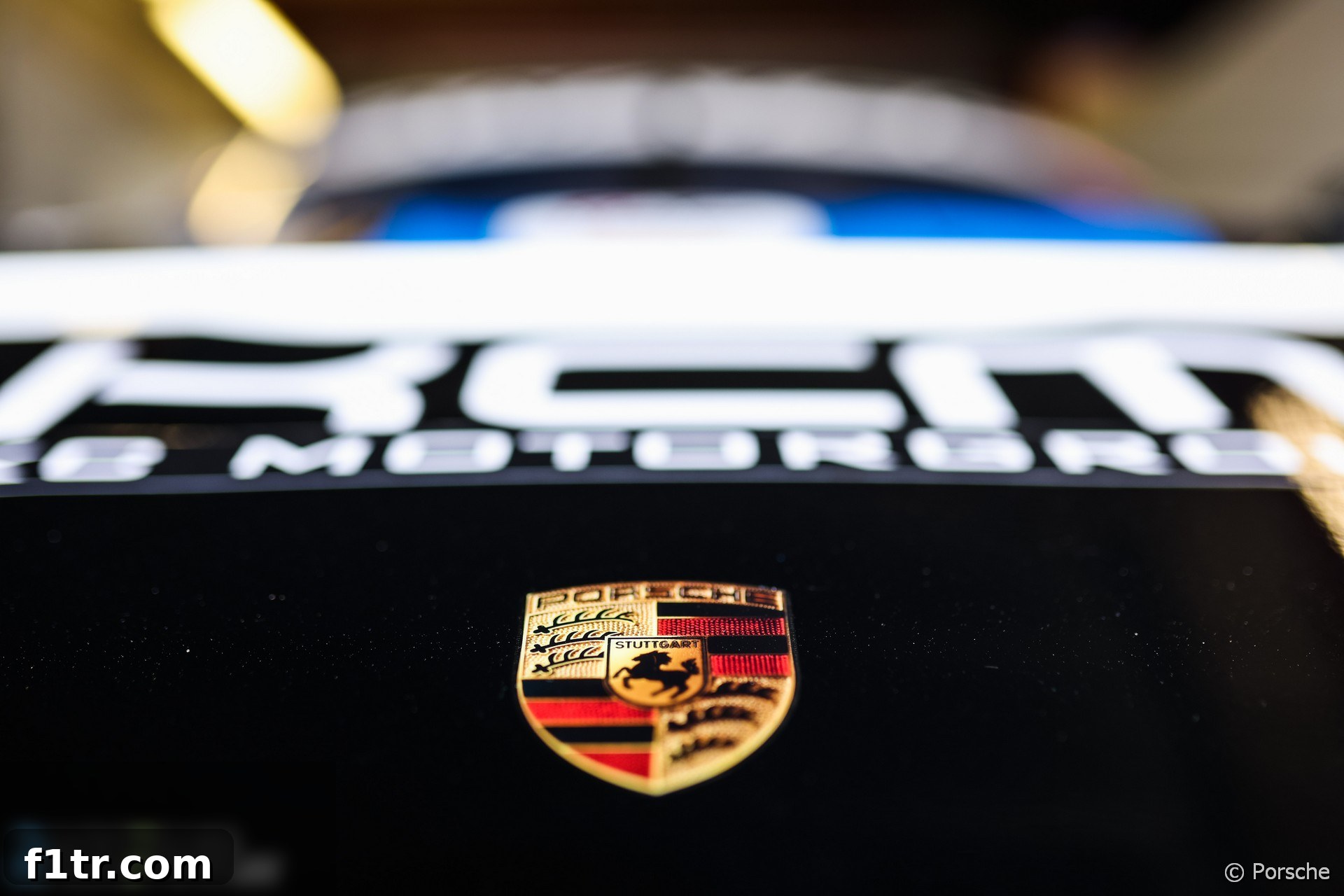
Porsche’s Formula 1 Ambitions: Red Bull Partnership Collapses, But F1 Dream Lingers
In a significant development that has sent ripples through the motorsport world, Porsche has officially confirmed the termination of its discussions with Red Bull regarding a potential partnership for a future entry into Formula 1. The highly anticipated collaboration, which aimed to see the iconic German sports car manufacturer join forces with one of F1’s most dominant teams, has concluded without an agreement. This news leaves many questions about Porsche’s path to the pinnacle of motorsport, even as the manufacturer states that a move into the series at a future point still remains highly attractive.
The F1 team and the esteemed road car manufacturer had been engaged in months of intricate talks, exploring the feasibility of joining forces ahead of the pivotal 2026 season. This particular timeline is critical due to the introduction of a new set of engine regulations designed to reshape the sport’s power unit landscape. These forthcoming changes have already prompted a firm commitment from Porsche’s fellow Volkswagen Group brand, Audi, to enter Formula 1, setting a precedent that Porsche was widely expected to follow.
The Unraveling of a Grand Ambition: Porsche’s F1 Dream with Red Bull
The discussions between Porsche AG and Red Bull GmbH had been ongoing for an extended period, fueling widespread speculation and excitement among fans and industry insiders alike. In May, Herbert Diess, the then-CEO of the Volkswagen Group, had even suggested publicly that both manufacturers had “decided to enter Formula 1,” citing the burgeoning global interest in the series. At that time, Diess described Porsche’s plans as “already relatively concrete,” while noting Audi’s were “not so much.” However, contrary to initial expectations, the narrative has shifted dramatically.
While Audi unequivocally confirmed its impending arrival on the F1 grid just last month, Porsche’s parallel talks with Red Bull ultimately reached an irreconcilable impasse. A statement issued by Porsche articulated the conclusion: “In the course of the last few months, Porsche AG and Red Bull GmbH have held talks on the possibility of Porsche’s entry into Formula 1. The two companies have now jointly come to the conclusion that these talks will no longer be continued.”
The Sticking Point: A Partnership on “Equal Footing”
The crux of the disagreement, as elucidated by Porsche, revolved around the extent of the luxury brand’s integration into the Red Bull team. The two parties were unable to align on the terms necessary for what Porsche envisioned as a partnership built on an “equal footing.” This foundational premise, as explicitly stated by Porsche, dictated that such a collaboration “would include not only an engine partnership but also the team.” Ultimately, this crucial condition “could not be achieved.”
This “equal footing” clause suggests Porsche was seeking a far deeper level of involvement than merely becoming an engine supplier. It implies a desire for significant strategic input, shared ownership, or at least substantial influence over the team’s operational and sporting direction, extending beyond purely technical contributions to the power unit. For a fiercely independent and successful outfit like Red Bull Racing, which has built its empire on a unique philosophy and leadership structure, ceding such control would have represented a monumental shift. The inability to bridge this gap in strategic vision proved to be the ultimate undoing of what many believed was a foregone conclusion.
The Allure of Formula 1: Why Manufacturers Are Eyeing the Grid
Despite the setback with Red Bull, Porsche’s statement concluded with a clear indication that the manufacturer is leaving the door wide open for a future move into F1. The finalized rule changes for 2026, according to Porsche, mean that “the racing series nevertheless remains an attractive environment for Porsche, which will continue to be monitored.” This sentiment underscores the undeniable appeal that Formula 1 currently holds for major automotive manufacturers.
The 2026 Engine Regulations: A Catalyst for Change
The impending 2026 engine regulations are a primary driver behind renewed manufacturer interest. These new rules aim to simplify power units, reduce costs, and place a greater emphasis on electrical power and sustainable fuels. Specifically, the hybrid component of the engines will see a significant increase in electrical output, moving towards a 50/50 split with the internal combustion engine. This technological shift aligns perfectly with the current direction of the automotive industry, where electrification and sustainability are paramount.
For brands like Porsche, renowned for their engineering excellence and commitment to innovation, F1 offers an unparalleled proving ground for cutting-edge technologies that can eventually trickle down to road cars. The development of advanced hybrid systems and sustainable fuel solutions in a hyper-competitive environment like F1 provides invaluable research and development opportunities, not to mention a powerful marketing platform to showcase these advancements to a global audience. The move away from the complex MGU-H (Motor Generator Unit-Heat) component is also seen as a way to lower the barrier to entry for new manufacturers, making the sport more accessible and attractive.
The Global Phenomenon of F1 and its Commercial Appeal
Beyond the technical challenges, Formula 1 has experienced an explosive surge in global popularity in recent years. Driven by engaging content such as Netflix’s “Drive to Survive” series, an expansion into new markets, and a younger, more diverse fan base, F1 has transformed into a cultural phenomenon. This heightened visibility presents an irresistible commercial proposition for premium brands like Porsche.
The ability to connect with hundreds of millions of viewers worldwide, promote brand values of performance, luxury, and innovation, and tap into a passionate fan community makes F1 an unparalleled marketing tool. For Porsche, a brand deeply rooted in motorsport history and heritage, an F1 entry would not only reignite its legacy at the absolute apex of racing but also serve as a powerful statement about its future direction in high-performance electric and hybrid vehicles. The prestige and global reach of Formula 1 provide an unmatched platform for brand building and customer engagement, making it a highly strategic investment for any ambitious automotive giant.
Audi’s Different Path: A Tale of Two VW Group Brands
The contrasting outcomes for Porsche and Audi, both part of the colossal Volkswagen Group, offer an intriguing study in corporate strategy. While Porsche’s talks with Red Bull faltered over control, Audi successfully cemented its entry, acquiring a significant stake in the Sauber-run Alfa Romeo team, which will become its factory team from 2026. This approach suggests Audi opted for a more direct route to becoming a full constructor, rather than solely an engine supplier, possibly requiring a different kind of integration or a more flexible existing team structure.
Herbert Diess’s earlier statements highlighted the VW Group’s collective strategic interest in F1. The group likely viewed F1 as a crucial battleground for technological innovation and brand showcasing. While both brands share the parent company’s backing, their specific strategies for F1 appear to diverge. Audi’s acquisition of an existing structure (Sauber) allows them a clear path to brand integration and technical control without the immediate complexities of negotiating with an established championship-winning outfit like Red Bull, which naturally seeks to protect its operational autonomy.
What’s Next for Porsche in Formula 1?
With the Red Bull chapter now closed, the pertinent question is: what are Porsche’s alternative routes into Formula 1? The luxury sports car brand clearly remains committed to the idea of an F1 future, especially with the favorable 2026 regulations approaching. Several possibilities could emerge for Porsche.
One avenue could involve seeking a partnership with another existing team. Teams like Williams, McLaren, or even Aston Martin, while having different competitive standings than Red Bull, could potentially offer a structure more amenable to Porsche’s “equal footing” requirement. Such a collaboration could see Porsche providing engines and potentially taking a significant stake in the team, influencing its strategic direction and technical development. The challenge, however, lies in finding a team that is both willing to dilute some control and has the infrastructure to compete at the desired level.
Another, more ambitious option could be for Porsche to enter F1 as a standalone works team, either through a complete buyout of an existing team or by building an entirely new operation from scratch. The latter, while requiring immense investment and a longer lead time, would grant Porsche full control over its F1 destiny. However, time is a critical factor, with 2026 rapidly approaching. Developing an engine from the ground up and establishing a competitive team infrastructure within that timeframe would be a colossal undertaking, even for a company with Porsche’s resources.
Porsche’s rich history in motorsport, including multiple victories at Le Mans and success in various racing categories, underscores its deep-seated competitive spirit. Their desire to compete at the highest echelons of global motorsport remains unwavering. The company will undoubtedly conduct thorough due diligence on all available options, weighing the benefits of a full works entry against a strategic partnership, always with an eye on ensuring that any future involvement aligns with its brand identity and competitive aspirations.
The Broader Impact on the F1 Landscape
The collapse of the Porsche-Red Bull deal has significant implications for both parties and the wider F1 grid. For Red Bull, it means they must now finalize an engine solution for 2026. While their Red Bull Powertrains division is making progress, a partnership with an established automotive giant like Porsche would have brought immense financial and technical advantages. Red Bull may now need to accelerate their in-house engine development further or seek out another external partner, perhaps from the automotive industry or even extend their current partnership with Honda beyond 2025 in some capacity, though Honda is currently not officially committing to 2026.
For Formula 1 as a whole, while one high-profile entry is off the table for now, the continued interest from a brand of Porsche’s stature reinforces the sport’s robust health and growing appeal. The prospect of an additional major manufacturer entering F1, either independently or with another team, maintains the momentum towards a more competitive and technologically diverse grid in the coming years. The 2026 regulations were specifically designed to entice new entrants, and Porsche’s unwavering interest, despite this specific partnership failure, validates that strategic intent.
Conclusion: A New Chapter for Porsche’s F1 Pursuit
The termination of talks between Porsche and Red Bull marks a definitive end to one of Formula 1’s most anticipated potential partnerships. While the dream of seeing Porsche engines power Red Bull cars in 2026 has evaporated, the underlying ambition of the Zuffenhausen-based manufacturer to join the F1 grid remains vibrantly alive. The lure of the new engine regulations, coupled with the sport’s booming global popularity, ensures that Porsche will continue to monitor opportunities closely. As the motorsport world looks towards 2026, the question is no longer if Porsche will enter Formula 1, but rather with whom, and on what terms, they will ultimately embark on their next grand racing chapter.
Related Articles from the World of Motorsport
- Helmet rows, hot mics and more forgotten motorsport stories from 2022
- McLaren ‘surprised two teams found more performance than everyone else’ in 2022
- Alpine confident for Singapore and Suzuka races after “massive” floor upgrade
- Red Bull’s RB18 suits Verstappen more than Perez now – but that’s not by design
- “We’ll have four racing laps’: How F1’s Safety Car confusion unfolded at Monza
Browse all 2022 Italian Grand Prix articles