F1 Drivers’ Overtaking Struggle: Pirelli Responds to Tire Performance Complaints
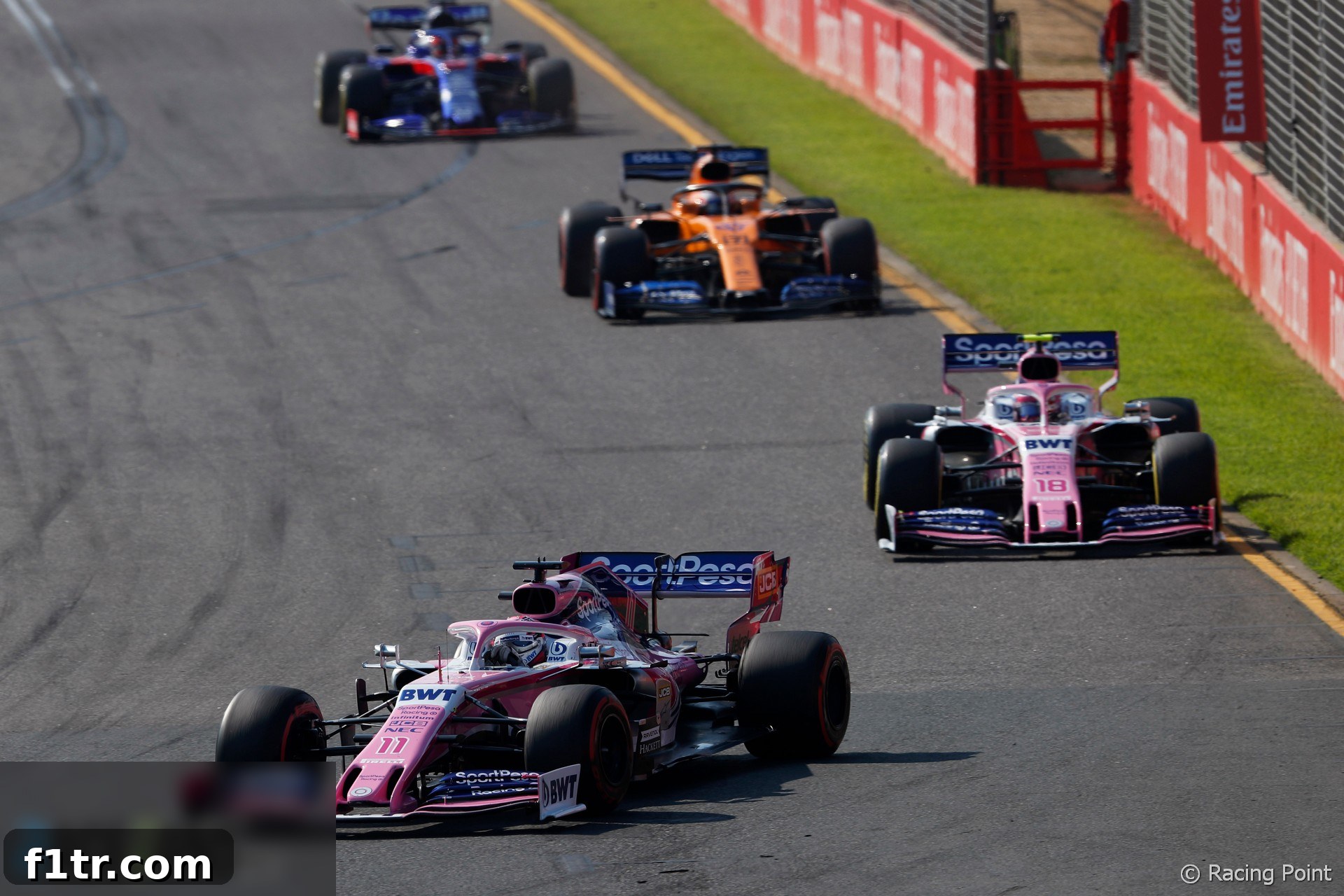
The quest for exhilarating, wheel-to-wheel racing is a perennial challenge in Formula 1. While aerodynamic advancements often dominate headlines, the tires – the sole connection between car and track – frequently emerge as a critical factor influencing the spectacle. In the wake of significant aerodynamic rule changes introduced for the 2019 season, designed specifically to foster closer racing and more overtaking, a familiar complaint resurfaced from the drivers: tire performance was still making it exceptionally difficult to pass rivals. Mario Isola, motorsport director for Pirelli, the sport’s exclusive tire supplier, has been at the forefront of responding to these concerns, emphasizing the need for detailed feedback to drive meaningful improvements.
F1’s Aerodynamic Overhaul: A Step Towards Closer Racing
The 2019 Formula 1 season ushered in a wave of aerodynamic modifications with a clear objective: reduce the impact of “dirty air” and enable cars to follow each other more closely. These changes included simplified front wings, revised brake ducts, and larger, higher rear wings. The scientific premise was straightforward: by altering how air flows over and around the cars, the turbulent wake generated by a leading car would be mitigated, allowing a chasing car to maintain more downforce and thus stay within striking distance. Initial reports from drivers and teams suggested a degree of success in achieving closer following distances, indicating that the aero philosophy was moving in the right direction.
However, the initial optimism quickly met the reality of racing. While cars could indeed follow more closely through high-speed corners and straights, the crucial final step – executing a successful overtake – remained elusive. Drivers soon identified the tires as the primary bottleneck, arguing that the characteristics of the rubber negated much of the aerodynamic gains. This created a new layer of complexity in F1’s ongoing pursuit of improved racing quality, shifting the spotlight from aerodynamics to the intricate science of tire compounds and construction.
Drivers Speak Out: The Tire Conundrum in Close Combat
The frustration among drivers was palpable, with several top talents voicing their concerns about how tires behaved when pushing hard in traffic. Among the most vocal were Haas driver Romain Grosjean and then-rookie Alexander Albon, whose experiences highlighted the core of the problem. Grosjean succinctly articulated the dilemma: “The new rules are great for following another car, but the tyres are still what they were last year. As soon as you push, you slide, and then you lose the grip.” This statement encapsulates the vicious cycle drivers face: increased pushing leads to tire overheating, which rapidly diminishes grip, forcing the driver to back off to cool the tires, effectively ending any genuine overtaking attempt.
Alexander Albon, experiencing the nuances of Formula 1 racing for the first time, echoed these sentiments, expressing surprise at the extent of grip loss. “When you’re following cars it’s really bad for tyres,” he observed. “So battling is really difficult. You can’t spend more than two laps in a row, really, without overheating them.” Albon’s comments underline the short window of opportunity drivers have before their tires compromise performance. This severe thermal degradation, where the tire’s surface temperature rises rapidly, often takes precedence over physical wear degradation in preventing sustained wheel-to-wheel action. Drivers are essentially forced into a management role, preserving tires rather than attacking, which inevitably leads to less thrilling racing and fewer overtakes.
Pirelli’s Stance: A Call for Specificity in Feedback
Pirelli, as the exclusive tire supplier to Formula 1, consistently faces the dual challenge of designing high-performance tires that also offer the desired strategic variables through degradation. Mario Isola has consistently expressed Pirelli’s willingness to listen and adapt, but he emphasized the critical need for precise and detailed information from the drivers. “I accept the comment if they explain a bit more in detail which is the problem that’s related to the tyre. Is it overheating? Is it degradation? Is it what?” Isola queried. Generic comments, while conveying frustration, provide little actionable data for engineers tasked with complex tire development.
The technical precision demanded by Formula 1 means that vague feedback is largely unhelpful. Pirelli’s engineers require specific data points to understand whether the issue stems from excessive thermal degradation, structural integrity under certain loads, or rapid wear. Isola highlighted the difficulty in addressing the issue when the problems are described broadly. “When they make generic comments like this one it’s a bit more difficult because I need to understand who made the comment [and] why they made the comment,” he explained, noting that direct communication can sometimes be challenging to facilitate during hectic race weekends. Nevertheless, Isola acknowledged the invaluable insights gained from direct engagement: “But as you know sometimes I go to the drivers’ briefing and I like to understand from their perspective which are the areas of improvement and it’s very useful because they drive the car, they have the feeling and they know what to suggest.” This direct dialogue is crucial for translating subjective driver experience into objective engineering solutions.
The Road Ahead: 13-inch vs. 18-inch Tires and Future Development
Pirelli’s tire development strategy is significantly influenced by the sport’s evolving regulations. At the time of these discussions, the Formula 1 landscape was poised for a monumental shift with the planned introduction of 18-inch wheels and low-profile tires for the 2021 season (subsequently delayed to 2022). This impending change presented a unique dilemma for Pirelli regarding their immediate development focus. Isola acknowledged their ongoing efforts: “Obviously we are always working to improve the product we supply. We are already developing the product for 2020.”
However, he also articulated the strategic hesitation to invest heavily in the outgoing 13-inch tire specification: “Even if we know that for 2020 it’s the last year of 13-inch tyres. So putting an additional fork in developing these tyres could be useless because we can focus our development on 18 inches instead of spending money or resources on developing the 13-inches while we are doing that because we want to supply a better product.” This pragmatic approach underscores the substantial resources required for tire development. Committing significant funds and engineering talent to a design that would soon be obsolete made little strategic sense when a completely new generation of 18-inch tires demanded comprehensive research and testing. The transition to 18-inch wheels offered Pirelli an unprecedented opportunity to design a fundamentally new tire from the ground up, potentially incorporating lessons learned from the 13-inch era and specifically addressing issues like thermal degradation to improve the quality of racing for future seasons.
The Intricate Balance: Performance, Strategy, and the Spectacle
The debate surrounding F1 tires is a complex one, touching upon the very essence of what makes Formula 1 exciting. On one hand, drivers and many fans advocate for tires that allow drivers to push to the absolute limit for the duration of a stint, showcasing pure speed and skill. On the other hand, F1 management and strategists often desire tires with intentional degradation, creating strategic variations, pit stop windows, and unpredictable race outcomes that add layers of drama to the spectacle. Pirelli finds itself at the epicenter of these often-conflicting demands, tasked with engineering a product that satisfies multiple stakeholders.
The choice of tire compounds – soft, medium, and hard – is Pirelli’s primary tool for introducing strategic depth into races. Each compound is designed with different levels of grip and durability, forcing teams to make critical decisions about when to pit and which tire to use. The goal is to create scenarios where different strategies can lead to success, thereby promoting overtaking and closer racing. However, if the tires overheat too quickly when following another car, even the most ingenious strategy can be undone, as drivers are effectively neutralized in close quarters. The continuous dialogue between Pirelli, the FIA, teams, and drivers aims to strike the optimal balance, ensuring that tires contribute positively to the racing spectacle without inadvertently becoming the primary impediment to exciting on-track action.
Conclusion: Charting a Course for Better Racing
The feedback from Formula 1 drivers regarding tire performance in traffic highlights a crucial and ongoing challenge for the sport. While the 2019 aerodynamic regulations offered a promising step towards enabling closer following, the unique characteristics of the Pirelli tires, particularly their susceptibility to overheating and grip loss during intense battles, continued to hinder overtaking opportunities. Mario Isola’s measured response, emphasizing the need for specific, detailed feedback, underscores the collaborative effort required to address such complex technical issues in motorsport.
As Formula 1 progresses, the impending transition to 18-inch tires represents a significant opportunity for Pirelli to develop a new generation of rubber that can better meet the demands of modern F1 racing, potentially mitigating the issues drivers have highlighted. The continuous exchange of information between the tire manufacturer and the athletes who push these machines to their limits is paramount. Ultimately, the shared goal remains clear: to deliver a product that enhances the spectacle, empowers drivers to showcase their talent in sustained battles, and ensures that Formula 1 continues to be the pinnacle of motorsport excitement.
Related Insights from the 2019 F1 Season
- Crying in the Melbourne car park at 2019 grand prix was my career low – Ocon
- McLaren Racing reports reduced £71 million loss in 2019
- Kvyat: Hockenheim podium last year was “my biggest achievement” so far
- How the FIA’s new encrypted fuel flow meter targets Ferrari’s suspected ‘aliasing’ trick
- “He smashed my office door”: 23 must-see moments from ‘Drive to Survive’ season two
Browse all 2019 F1 season articles