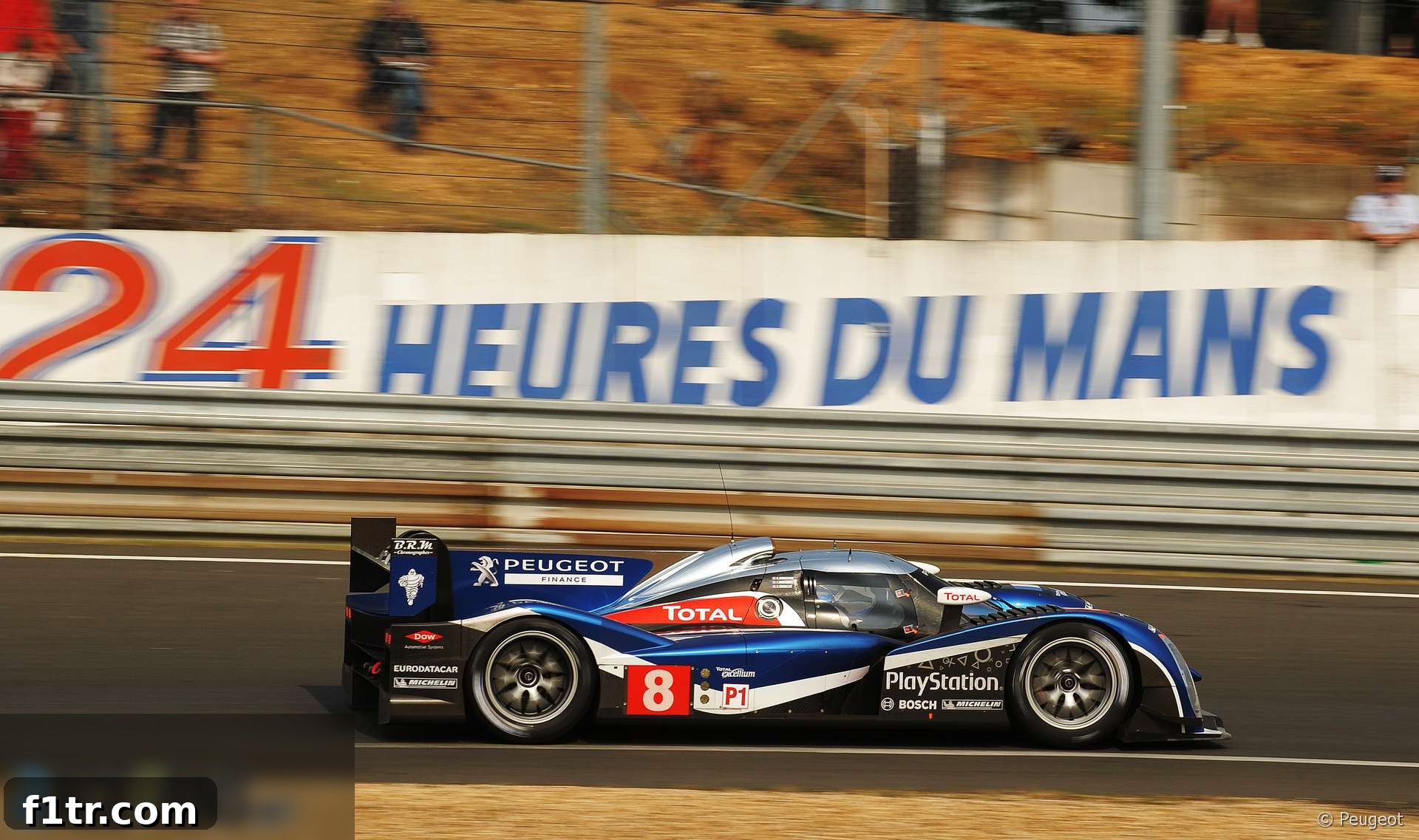
The roar of a lion is set to echo through the prestigious circuits of the World Endurance Championship (WEC) once again, as French automotive giant Peugeot officially confirmed its highly anticipated return to top-flight endurance racing in 2022. This monumental announcement signals a thrilling new chapter for both the marque and the championship, promising to inject a fresh wave of competition and excitement into the sport. Peugeot, a name synonymous with innovation and multiple triumphs at the legendary Le Mans 24 Hours, will campaign a cutting-edge hybrid power hypercar, aligning perfectly with the WEC’s forward-thinking new regulations designed to usher in a golden era of sports car racing. While initial details released via social media remained tantalizingly brief, the promise of comprehensive information at the beginning of next year has fans and competitors alike on the edge of their seats, eagerly awaiting a deeper insight into Peugeot’s ambitious plans.
For several seasons, the World Endurance Championship has grappled with a significant challenge: a noticeable decline in manufacturer participation within its premier class. The high-stakes environment of LMP1, coupled with escalating development costs, led to the regrettable departures of storied brands such as Audi, Porsche, and Nissan. This exodus left Toyota as the sole factory-backed car manufacturer competing at the pinnacle of the championship, casting a shadow of uncertainty over the series’ long-term health and the competitive diversity that makes endurance racing so compelling. The absence of multiple works teams vying for overall victory diminished the spectacle, prompting a critical re-evaluation of the championship’s future direction and regulatory framework.
In response to these challenges, the Fédération Internationale de l’Automobile (FIA) and the Automobile Club de l’Ouest (ACO) meticulously crafted a revolutionary set of regulations. These new rules, initially slated for the 2020-21 season and centered around the Le Mans Hypercar (LMH) class, were specifically designed to foster greater accessibility, reduce costs, and, crucially, entice manufacturers back into the fold. The vision was clear: to create a platform where performance is still paramount, but sustainable development and more controlled budgets would allow a wider array of carmakers to compete for overall victory at iconic events like Le Mans. This strategic shift is already bearing fruit, with Aston Martin previously committing to fielding a non-hybrid hypercar under these new rules, demonstrating the appeal of the revised framework even before Peugeot’s declaration.
The return of Peugeot is particularly significant given its deep historical ties to endurance racing and its connection to key figures within motorsport governance. FIA president Jean Todt, himself a legendary figure who masterminded Peugeot’s hugely successful sports-prototype team in the early nineties, has been a vocal advocate for these new regulations. Todt had previously expressed his fervent hope that the revised WEC rules would attract several new manufacturers to the championship, envisioning a vibrant, multi-brand top class. His direct involvement with Peugeot’s past glories adds a layer of poetic justice to this announcement, as his former team now spearheads the resurgence of manufacturer interest in a series he has championed with unwavering dedication. The new Hypercar category promises a blend of road-relevant technology and prototype performance, making it an attractive proposition for manufacturers looking to showcase their engineering prowess in a cost-effective manner.
Peugeot’s re-entry marks its return to the elite tier of sports car racing a decade after its abrupt and somewhat controversial withdrawal from its previous programme. That decision, made in 2012, came as a significant blow to the then-revived WEC series. Having meticulously rebuilt its structure, the championship faced the unfortunate scenario of losing a key manufacturer entrant just before its inaugural race, a testament to the difficult economic climate and strategic shifts manufacturers sometimes face. Peugeot Sport had been preparing to launch its 908 HYbrid4, a highly anticipated successor, and its sudden exit left a void that took time to fill. This history underscores the significance of the current announcement, as it signals a renewed, robust commitment from the French brand, ensuring that the mistakes of the past are not repeated and that their presence will be a long-term asset to the series.
The rich tapestry of Peugeot’s endurance racing history is woven with threads of triumph, innovation, and iconic victories, particularly at the Le Mans 24 Hours – the blue riband event of the series. The marque has conquered the legendary Circuit de la Sarthe three times, each victory etched into the annals of motorsport. Its most recent triumph came in 2009, when the formidable Peugeot 908 HDi FAP, powered by a pioneering V12 turbodiesel engine, broke a formidable 11-year stranglehold by Audi. This victory was monumental, showcasing Peugeot’s technical prowess and strategic brilliance, and remains a highlight in the history of diesel-powered prototypes at Le Mans. Prior to this modern-era success, Peugeot secured back-to-back victories in 1992 and 1993 with its iconic 905 Evo 1B. These triumphs were achieved during an era when the team was under the masterful leadership of none other than Jean Todt, who guided the 905 to dominance against formidable competition. The 905, with its distinctive silhouette and powerful V10 engine, became a symbol of French engineering excellence, cementing Peugeot’s legacy as a true force in top-tier endurance racing. The forthcoming hybrid hypercar will carry the weight of this illustrious past, aiming to add new chapters to a story of consistent innovation and relentless pursuit of victory.
The return of Peugeot to the World Endurance Championship signifies more than just another competitor joining the grid; it represents a powerful endorsement of the new Hypercar regulations and a monumental shot in the arm for the entire championship. Their commitment, especially with a hybrid entry, reinforces the WEC’s vision for a future-proof series that aligns with global automotive trends towards electrification and sustainable performance. Fans can look forward to epic battles, not just on track, but also in the technological development race behind the scenes. Peugeot’s return is expected to galvanize other manufacturers, potentially leading to a revitalized grid bristling with factory-backed entries, harking back to the golden eras of endurance racing. This influx of high-profile teams and advanced machinery promises to elevate the WEC’s profile, drawing in new audiences and intensifying the spectacle of every race, culminating in the unparalleled drama of the Le Mans 24 Hours. The stage is set for an exhilarating new era where heritage meets innovation, and the spirit of competition burns brighter than ever.
Stay Connected with RaceFans for All the Latest Updates
To ensure you never miss a moment of the thrilling World Endurance Championship action, alongside all the latest news from the world of motorsport, make sure to follow RaceFans on our various social media platforms:
- Join the RaceFans community on Facebook
- Follow RaceFans on Twitter for real-time updates and discussions
- Subscribe to get daily email updates directly from RaceFans
Explore More World Endurance Championship Content
Dive deeper into the world of endurance racing with our extensive archive of articles and news stories related to the World Endurance Championship. From race reports and technical analyses to driver interviews and championship updates, RaceFans is your ultimate source for WEC information.
- WEC cancels its Qatar season-opener due to US-Iran war
- Porsche to end WEC Hypercar programme after just three seasons
- Mercedes won’t return to Le Mans because “we don’t like Balance of Performance” – Wolff
- “Luck” needed to win Le Mans because of Balance of Performance – Verstappen
- McLaren finally confirms it will enter the World Endurance Championship in 2027
Browse all World Endurance Championship articles