Welcome to your comprehensive motorsport news update, where we delve into the latest happenings across the racing world. This digest brings you a curated selection of news, insights, and engaging discussions from Formula 1, endurance racing, and beyond. From critical qualifying sessions determining prime track real estate to ongoing debates shaping the future of elite motorsport, we cover the stories that matter most to enthusiasts.
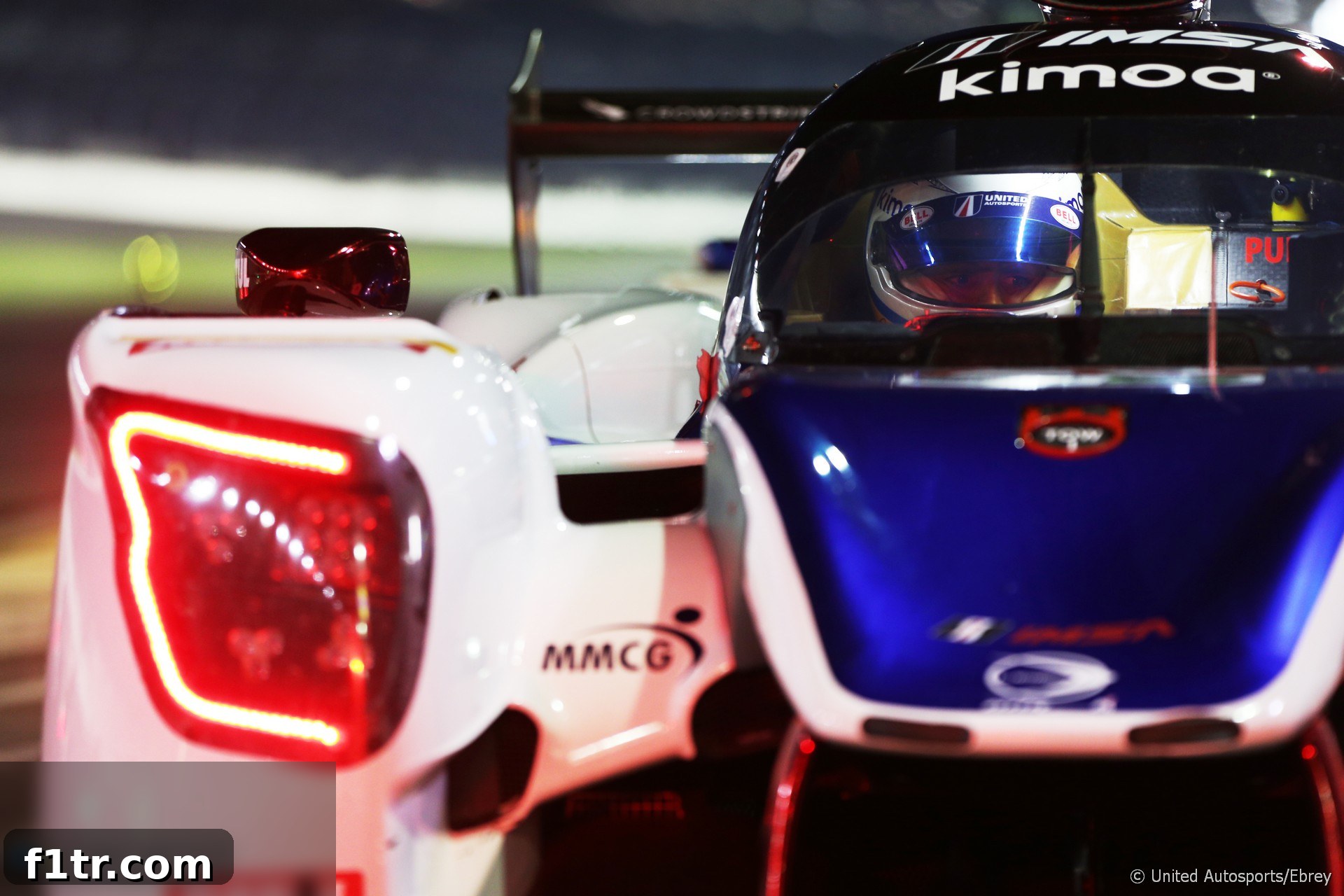
Our lead story takes us to the revered Daytona International Speedway, where the “Roar Before the Rolex 24” qualifying session set the stage for one of endurance racing’s most iconic events. Former Formula 1 driver Felipe Nasr demonstrated his prowess, clocking the quickest time and placing his team in an advantageous position. Meanwhile, the highly anticipated debut of Fernando Alonso in the endurance classic also captured significant attention, with his United Autosports team securing a respectable 12th spot among a formidable field of 20 prototype entries. This session is crucial, as it dictates the coveted garage and pit lane allocations for the main race, offering a strategic edge to the front-runners. The Daytona 24 Hours, a cornerstone of the IMSA WeatherTech SportsCar Championship, draws an international array of talent and machinery, making every preparatory step a fiercely contested affair.
Motorsport Headlines & In-Depth Analysis
Here’s your daily dive into the most compelling news, insightful features, and diverse perspectives from hundreds of motorsport sites across the web. Stay informed on the latest developments, driver stories, and technical revelations shaping the landscape of racing.
Nasr Leads Cadillac DPi Sweep in Roar Before the Rolex Daytona 24 Hours Qualifying (IMSA)
In a powerful display of performance and engineering, Felipe Nasr spearheaded a dominant top-four sweep for Cadillac during the ‘Roar Before the Rolex 24’ qualifying at Daytona. This impressive showing underscores Cadillac’s strong ambition to secure its second consecutive Rolex 24 win, following its triumphant debut in the race last year. The manufacturer has clearly laid down a formidable marker, signaling their intent to remain at the pinnacle of endurance racing. Nasr’s exceptional pace not only secured pole for his team but also highlighted the raw speed and reliability of the Cadillac DPi-V.R chassis, setting a high standard for the upcoming endurance challenge. The qualifying results are not merely about bragging rights; they directly influence critical race week logistics, including garage and pit stall assignments, which can play a pivotal role in a 24-hour race.
Pierre Gasly: Proving F1 Dreams Are Possible Without Financial Backing (Autosport)
In a sport often criticized for its reliance on “pay drivers” and substantial financial backing, Pierre Gasly’s journey to Formula 1 stands as a beacon of hope and a testament to pure talent. The young French driver confidently declared, “I’m really happy I managed to do it without any manager and without paying for my seat.” Gasly’s ascent through the junior ranks, culminating in his F1 debut, highlights a narrative that prioritizes skill and dedication over financial resources. His comments resonate deeply within the motorsport community, challenging the perception that F1 is exclusively for the wealthy. Gasly’s career path, marked by impressive performances in GP2 (now Formula 2) and Super Formula, serves as an inspiring example for aspiring racers who may lack significant personal funding. His success reinforces the idea that with relentless hard work, raw speed, and unwavering determination, a place at the pinnacle of motorsport can still be earned on merit.
Mercedes Admits ‘Confusion’ Over 2017 F1 Car Performance (Motorsport)
Even championship-winning teams like Mercedes-AMG Petronas F1 are not immune to technical puzzles, as evidenced by their admission of being “pretty confused” by the nuances of their 2017 challenger. Despite ultimately securing both the Drivers’ and Constructors’ titles that year, the Mercedes W08, affectionately dubbed “the diva,” presented unique challenges. The team observed a distinct pattern in the car’s performance: “We found tracks like Silverstone, Montreal, or Monza, Austin, Suzuka – these are really good tracks for us, but the slower tracks, the hotter circuits, we struggled more.” This candid admission reveals the intricate complexities of modern Formula 1 car design and operation. The W08 excelled on high-speed, flowing circuits where its aerodynamic efficiency could be maximized, but often struggled with tire degradation and achieving optimal balance on tighter, more thermally demanding tracks. This situation highlights the constant battle for engineers to understand and extract maximum performance from their highly sophisticated machines, even when they are at the very top of the sport. It underscores how fine the margins are and how even a dominant car can have its Achilles’ heel.
Scots Grid Girl Responds to F1 Bosses Over Axe Threat Amidst Sexism Row (Daily Record)
The long-standing tradition of “grid girls” in Formula 1 became a focal point of intense debate and controversy, prompting a strong reaction from those directly affected. A Scottish grid girl publicly expressed her concerns, stating, “The skimpy outfits are going to go. I’ve worn catsuits, lycra dresses and hotpants on the grid and those days are numbered.” This statement encapsulates the broader societal discussion about gender representation and image within sports. Critics argue that the use of grid girls is outdated and contributes to the objectification of women, while supporters often cite tradition and the personal choice of the individuals involved. The potential decision by F1 bosses to discontinue the practice reflected a concerted effort to modernize the sport’s image and align it with contemporary values. This ongoing dialogue underscores the evolving relationship between tradition, entertainment, and social responsibility in global sporting events, pushing organizations to critically evaluate their practices and public perception.
Jenson Button’s Super GT Winter Test Experience (YouTube)
Former Formula 1 world champion Jenson Button offers fans a unique glimpse into his new racing venture with this video from a Sepang Super GT winter test. Following his illustrious F1 career, Button transitioned to the highly competitive Japanese Super GT series, showcasing his versatility and passion for motorsport beyond the F1 paddock. This clip provides an insider’s view of the rigorous testing involved in preparing for a new season in a different discipline. Super GT is renowned for its thrilling multi-class racing, featuring heavily modified production cars, and attracts top talent from around the globe. Button’s participation brought significant international attention to the series, and his candid video updates allow fans to follow his journey as he adapts to new machinery and racing environments, reaffirming his enduring love for racing at the highest level.
Have a hot tip for a link to feature in the next essential motorsport round-up? We’d love to hear from you!
- Contact F1 Fanatic: Share Your Insights
Social Media Spotlight: Insights & Fan Reactions
In the fast-paced world of motorsport, social media provides an immediate window into the paddock, offering candid updates, behind-the-scenes glimpses, and the pulse of fan engagement. Here’s a snapshot of notable posts from Twitter, Instagram, and other platforms, capturing key moments and discussions.
So that’s P12 for @alo_oficial and P15 for @BSenna – that determines our garage and pit box for the @Rolex24Hours race week. So come see us in garage 9 #BeUnited
— United Autosports (@UnitedAutosport) January 7, 2018
This update from United Autosports highlights the crucial impact of qualifying at the Daytona 24 Hours. With Fernando Alonso securing P12 and Bruno Senna P15, the team confirmed their garage and pit box allocations for the main race week. For endurance racing, the positioning of your garage and pit stall is more than just symbolic; it has practical implications for driver changes, technical adjustments, and overall strategy during the gruelling 24-hour event. A well-positioned pit box can save precious seconds and provide easier access for the crew, reinforcing the strategic depth of the “Roar Before the Rolex 24” qualifying. Fans were encouraged to visit their garage, fostering a connection with the team as they prepared for one of motorsport’s toughest challenges.
Did anything ever look more wrong than a red Williams? This livery was launched 20 years ago today (the car came a few days later).
#F1 @WilliamsRacing https://t.co/GUYw4GiFs5
— RaceFans (@racefansdotnet) January 7, 2018
RaceFans sparked a wave of nostalgia and debate with their tweet questioning whether anything could look “more wrong than a red Williams.” This commentary refers to a specific period in Williams’ history when their iconic blue and white livery, synonymous with their dominant eras and legendary drivers, was temporarily replaced with a red design. For long-time Formula 1 fans, team liveries are deeply ingrained in their memory and identity, and significant changes can be quite jarring. The tweet tapped into the sentiment that some color schemes just don’t feel right for certain teams, regardless of the sponsorship reasons behind them. It’s a reminder of how powerful visual identity is in F1 and how deeply fans connect with the historical aesthetics of their favourite teams, often leading to passionate discussions about tradition versus modernization.
Oh dear God! Jeff Bloxham just sent me this… pic.twitter.com/SbO3zJRp3i
— Joe Saward (@joesaward) January 7, 2018
Veteran Formula 1 journalist Joe Saward shared a rather dramatic reaction to a piece of content sent by Jeff Bloxham, a renowned motorsport photographer. While the specific image or content remains a mystery without clicking the link, Saward’s exclamation “Oh dear God!” suggests something striking, surprising, or perhaps amusingly outlandish. This type of tweet is typical of the informal, yet engaging, commentary often found on motorsport social media. It creates intrigue and demonstrates how figures within the sport frequently share interesting, unusual, or thought-provoking material with their followers, offering glimpses into the lighter or more unexpected side of the racing world. It’s these personal touches that make social media an indispensable tool for fans seeking a more intimate connection with the sport and its personalities.
- Discover more official F1 accounts to follow and enhance your fan experience in our comprehensive F1 Twitter Directory.
Comment of the Day: The Tire Strategy Conundrum in F1
Today’s featured comment addresses a recurring and often contentious debate within Formula 1: the obsession with manipulating race strategies to achieve a higher number of pit stops. Is F1 truly chasing the wrong goal by trying to eliminate one-stop races at all costs?
I just don’t get the obsession with trying to get every race to feature two or three stops. A one-stop race can be just as interesting to watch as a two/three stop race just like a two/three stop race can be just as dull to watch as a one-stop race.
Give teams access to the full tyre range, Remove the (silly) rule forcing everyone to make a mandatory stop to run two compounds and let them do what they want be it no stops or a few stops. Open the rules up rather than locking them down to try and force everyone down a similar route via somewhat artificially generated means.
@Stefmeister
Stefmeister eloquently articulates a widespread sentiment among many F1 purists and strategic thinkers. The commenter questions the prevailing desire to artificially engineer multi-stop races, arguing that the number of pit stops does not inherently dictate the excitement level of a Grand Prix. Indeed, some of the most memorable races have featured daring one-stop strategies executed perfectly, while others with multiple stops have unfolded with little on-track action. This debate often centers around the role of Pirelli, F1’s sole tire supplier, and the prescriptive tire regulations designed to promote varied strategies. The mandatory use of two different tire compounds during a dry race, for instance, forces teams into at least one pit stop, regardless of tire wear. Stefmeister advocates for a more open approach: allowing teams full access to the entire tire range and removing restrictive rules. This philosophy suggests that genuine strategic diversity, born from teams optimizing their choices without artificial constraints, would lead to more organic and ultimately more compelling racing. It’s a call for less intervention and more freedom, trusting teams to innovate and create their own captivating narratives within the race, rather than following a pre-determined, “artificially generated” path.
From the Forum: F1 Safety Regulations and Fan Engagement
Our forum consistently hosts insightful discussions from dedicated F1 fans. This week, a particularly thought-provoking topic explores the impact of evolving safety regulations on how fans perceive and consume the sport.
- Have Changes to F1’s Safety Rules Affected How Much You Watch the Sport?
The question of how changes to F1’s safety rules have influenced viewing habits is a profound one. Over the decades, Formula 1 has made monumental strides in driver and spectator safety, driven by tragic accidents and continuous innovation. From the introduction of mandatory crash tests and HANS devices to the controversial Halo cockpit protection device, the sport has prioritized minimizing risk. However, these advancements sometimes spark debate among fans who weigh the undeniable importance of safety against concerns that certain measures might alter the aesthetic or perceived “purity” of racing. This forum thread delves into these complex feelings: Do modern safety innovations make the sport feel less raw or dangerous, thereby reducing its appeal for some? Or do they enhance the sport by protecting its greatest assets – the drivers – and ensuring F1 can continue to push technological boundaries responsibly? It’s a testament to the passionate F1 community that such critical questions are openly discussed, reflecting the varied perspectives on balancing tradition, excitement, and paramount safety within motorsport.
Happy Birthday!
We extend our warmest wishes to Michael Roberts on his birthday!
If you’d like a special birthday shout-out in our future round-ups, please let us know when yours is. You can easily get in touch with us via the contact form or by adding your date to our dedicated list here. We love celebrating with our community!
On This Day in F1 History
- Marking a moment in Formula 1’s rich past, former BRM team owner Louis Stanley passed away on this day in 2004. Stanley played a significant role in the history of British Racing Motors (BRM), a team that achieved notable success in the sport, including winning the Constructors’ Championship in 1962 with Graham Hill taking the Drivers’ title. His legacy is part of the intricate tapestry of individuals who have shaped the sport.