Unveiling the Miami Grand Prix: A New Era for Formula 1 in the USA
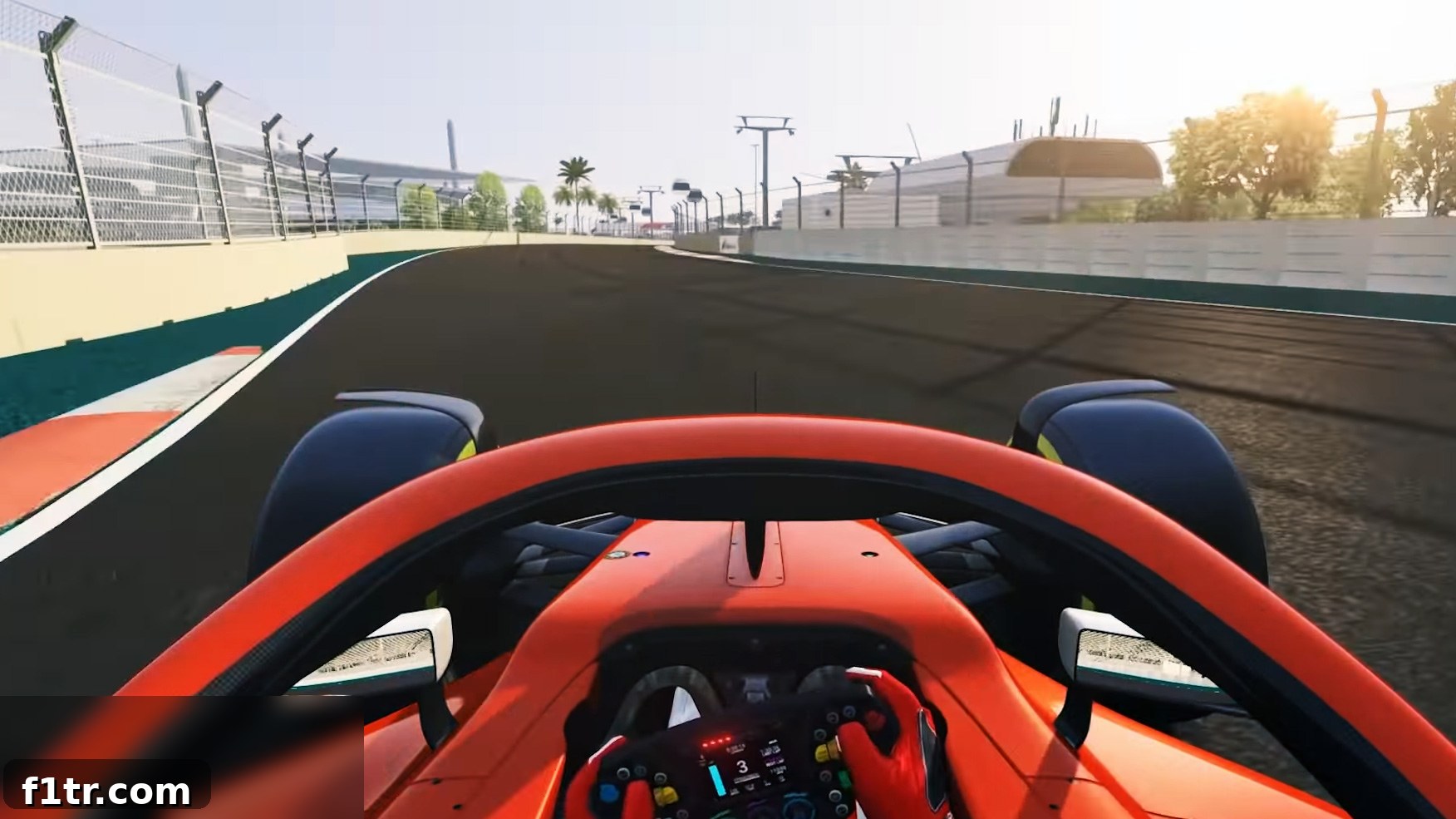
The highly anticipated Miami Grand Prix, poised to make its debut during the 2022 F1 season, has already captured the imagination of motorsport enthusiasts worldwide. Promoters of the event recently offered an exciting preview, revealing a simulated onboard lap of the innovative Hard Rock Stadium circuit. This glimpse into the future of Formula 1 racing in the United States underscores the sport’s growing presence and ambition in the lucrative North American market.
The Hard Rock Stadium Circuit: A Blueprint for Speed and Strategy
Designed by the renowned Apex Circuit Designs, the 5.41-kilometer (3.36-mile) course is a testament to modern track engineering, ingeniously laid out within the car park surrounding the iconic Hard Rock Stadium. This multi-purpose venue, home to the NFL’s Miami Dolphins, undergoes a remarkable transformation to host a world-class Formula 1 event. The anti-clockwise layout, featuring a challenging 19 corners, promises a dynamic and demanding experience for drivers while offering spectacular viewing opportunities for fans.
The creation of a temporary street circuit presents unique challenges, blending urban infrastructure with high-performance motorsport requirements. Apex Circuit Designs has meticulously crafted a track that not only adheres to stringent F1 safety standards but also prioritizes thrilling racing. The design incorporates a mix of high-speed sections and intricate, technical turns, ensuring that both driver skill and car setup will be paramount to success. This delicate balance aims to create a spectacle that is both visually arresting and fiercely competitive.
Engineering Thrills: DRS Zones and Unrivalled Top Speeds
A crucial element in modern Formula 1 racing designed to promote overtaking is the Drag Reduction System (DRS). The Miami Grand Prix circuit is strategically equipped to feature up to three DRS zones, a clear indication of the promoters’ commitment to exhilarating, wheel-to-wheel action. These zones, positioned on long straights or key acceleration areas, will allow drivers to temporarily reduce drag, gaining a significant speed advantage for passing maneuvers. The judicious placement of these zones is expected to foster multiple strategic opportunities for drivers to challenge their rivals, elevating the excitement for spectators.
With these aerodynamic aids and the circuit’s design, Formula 1 cars are projected to reach staggering top speeds of approximately 320 kilometers per hour (199 miles per hour). Such velocity demands immense bravery and precision from the drivers, pushing the limits of both man and machine. These high speeds, coupled with aggressive braking zones leading into tight corners, will create prime overtaking spots, ensuring that the Miami Grand Prix will be far from a procession. The blend of high-speed blasts and technical sections will test every aspect of an F1 car’s performance, from engine power and aerodynamic efficiency to braking stability and tire management.
A Grand Vision: Stakeholder Perspectives and Design Philosophy
The vision behind the Miami Grand Prix is deeply rooted in a desire to create an exceptional event for both competitors and fans. Tom Garfinkel, managing partner of the Miami Grand Prix, articulated the primary objective during the design phase: “creating a great racing circuit for the drivers, for fans [with] multiple passing opportunities.” This philosophy underscores a commitment to the very essence of Formula 1 – pure, unadulterated racing spectacle.
Formula 1 CEO Stefano Domenicali has been a vocal proponent of expanding F1’s footprint in the United States, and the Miami Grand Prix represents a significant milestone in this endeavor. Domenicali confirmed that the inaugural race would take place in the second quarter of next year, highlighting the strategic timing and importance of this new addition to the calendar. The collaboration between Formula 1 management, local organizers, and Apex Circuit Designs has been integral to realizing this ambitious project, ensuring that the circuit meets the stringent technical and sporting regulations of the FIA while delivering a uniquely American flavor to the Grand Prix experience.
Beyond the Track: The Unparalleled Fan Experience
The Miami Grand Prix is not merely about the racing; it’s about crafting an immersive and unforgettable experience for every attendee. Tom Garfinkel emphasized the unique opportunities for spectators, stating, “There’s going to be vistas really from the stadium which sits at the centre of the circuit. You could walk around the top deck of the stadium and see every turn in the racetrack. That’s a pretty unique opportunity.” This unprecedented access means fans can enjoy panoramic views of the entire 5.41-kilometer layout, following the intricate strategies and fierce battles unfold from a single vantage point.
Beyond the unique stadium viewing, the event promises to be a celebration of Miami’s vibrant culture, combining world-class motorsport with luxurious hospitality, entertainment, and culinary experiences. The integration of the Hard Rock Stadium as a central hub for the event will create an atmosphere unlike any other on the F1 calendar. Fans can expect a festival-like environment, where the thrill of racing meets the glamour and energy synonymous with Miami. This innovative approach aims to attract not only die-hard F1 fans but also a broader audience, making the Miami Grand Prix a true destination event.
Bringing F1 to Florida: A New Era for American Motorsport
The introduction of the Miami Grand Prix signifies a pivotal moment for Formula 1 in North America. With the United States now boasting two Formula 1 races on its calendar (alongside the established US Grand Prix in Austin, Texas), the sport is aggressively pursuing growth in a market historically dominated by other racing categories. This strategic expansion reflects a surging interest in F1 across the US, fueled by popular media and the inherent drama of the championship.
The economic impact of hosting an event of this magnitude is substantial. The Miami Grand Prix is expected to generate significant revenue for the local economy, creating jobs, attracting tourism, and showcasing Miami Gardens on a global stage. The transformation of a car park into a world-class racing venue is a complex logistical undertaking, requiring months of meticulous planning and construction. From laying down specialized asphalt to erecting grandstands, hospitality suites, and temporary infrastructure, the effort involved is monumental. The anticipation leading up to the inaugural race is palpable, with fans eagerly awaiting to witness history unfold in the Sunshine State. The Miami Grand Prix is set to become a fixture, embodying the fusion of cutting-edge motorsport and the distinct, vibrant culture of South Florida.
Visualizing the Action: Onboard Laps and Track Maps
Miami Gardens Hard Rock Stadium onboard lap simulation
The release of a simulated onboard lap provided an invaluable first look at the circuit’s character and flow. These simulations are crucial not only for fan engagement but also for drivers and teams to begin their preliminary analysis of the track. It allows them to understand the rhythm, corner sequences, and potential overtaking spots even before setting foot on the asphalt. The virtual journey through the 19 corners highlighted the tight sections, the long straights, and the dynamic elevation changes that will challenge drivers.
Lights out and away we go… in Miami Gardens. Take a lap through our @F1 circuit at @HardRockStadium coming in 2022😎 pic.twitter.com/GyYuo4j8wS
— F1 Miami Grand Prix (@f1miami) April 22, 2021
Miami Gardens Hard Rock Stadium track map
Complementing the simulated lap, the official track map offers a bird’s-eye view of the circuit, detailing its complex layout, corner numbers, and key features. This visual aid is essential for understanding the strategic nuances of the race, from pit lane entry and exit to the placement of spectator zones. It allows fans to trace the path of their favorite drivers and anticipate the drama that will unfold on race day. The map also highlights the seamless integration of the circuit within the existing Hard Rock Stadium complex, showcasing the ambitious scale of the project.
Related Content from the 2022 F1 Season
Explore more articles from the 2022 F1 season:
- Mercedes told me “you’re wrong” about 2022 car’s problems – Hamilton
- FIA confirms all 10 F1 teams complied with 2022 cost cap
- Steiner “not ashamed” of panning “slow” Schumacher in Drive to Survive
- Albon believes year out of F1 improved him as a driver
- Hamilton sees diversity gains in F1 years on from his ‘traumatising’ experience of racism
Browse all 2022 F1 season articles