FIA’s New F1 Pit Stop Rules: Safety Concerns, Strategic Shifts, and the Championship Battle
Formula 1 racing, a sport synonymous with relentless innovation and the pursuit of marginal gains, is once again at the crossroads of safety and performance. The FIA, the sport’s governing body, has introduced a significant revision to the regulations concerning pit stops. These new rules, designed to subtly slow down the lightning-fast pit procedures, have ignited considerable debate, particularly as they come into effect for the Hungarian Grand Prix, a crucial point in the intense 2021 championship season.
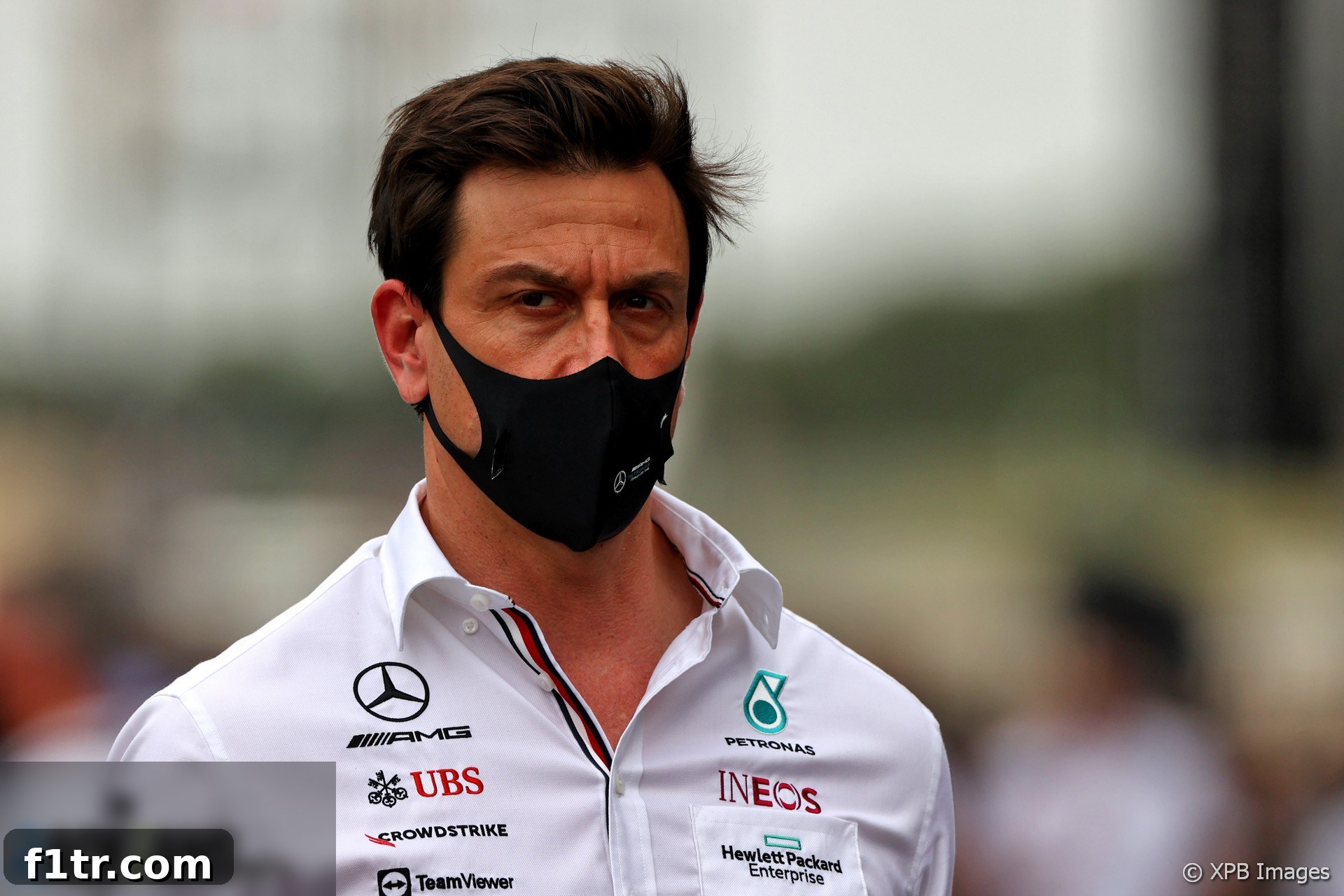
The genesis of these changes can be traced back to a query raised by Mercedes several weeks ago. However, Mercedes CEO Toto Wolff has stated that he is unsure whether their inquiry directly prompted the FIA’s subsequent technical directive. “We enquired with the FIA on a safety mechanism which is related to a system that we are using and whether that could be optimised,” Wolff explained. “That happened, I would say, three or four weeks ago, and it was a technology question. Did that trigger anything else? Maybe, I don’t know, but this is the question we’ve asked.” This nuanced statement underscores the complexity surrounding the rule changes and the perpetual interplay between technical innovation, safety imperatives, and competitive advantage in Formula 1.
The updated technical directive, which was formally announced recently, outlines stricter requirements for mechanics during pit stops. Specifically, it stipulates minimum reaction times for personnel at various critical stages of the pit stop process. Crucially, it mandates a compulsory 0.2-second delay between the moment a pit stop is deemed completed and the actual release of the car from its pit box. This seemingly minor delay is intended to allow an extra fraction of a second for human verification, significantly reducing the risk of a car being prematurely released with a wheel not properly secured. The intricate operation of the wheel gun and the subsequent release of the car are indeed “highly complex matters,” as Wolff aptly put it, where every millisecond counts and potential errors can carry severe consequences.
Advertisement
The Red Bull Advantage and the Pit Stop as a Strategic Weapon
The timing of these rule revisions has injected a fresh layer of controversy into an already thrilling championship battle, primarily due to their potential impact on Red Bull Racing. The Austrian team has consistently demonstrated unparalleled excellence in pit stop execution throughout the current season, regularly recording the fastest pit stops and leveraging them as a formidable strategic tool. A prime example of this was at the preceding French Grand Prix, where Red Bull meticulously orchestrated a rapid and perfectly timed pit stop for Max Verstappen, propelling him into the lead and ultimately securing a crucial victory. For a team like Red Bull, where every strategic advantage is meticulously exploited, these new regulations could be perceived as a direct challenge to one of their core strengths.
The ability to perform an ultra-quick pit stop has long been a hallmark of successful Formula 1 teams. It’s not merely about changing four wheels; it’s a symphony of precision, coordination, and split-second decision-making involving over 20 mechanics. These stops, often completed in under two seconds, can be race-defining moments. They allow drivers to undercut rivals, extend stints, or simply gain track position that might otherwise be impossible to achieve on track. For Red Bull, their pit stop prowess has not only delivered tangible results but also served as a psychological boost, showcasing their operational efficiency and competitive edge.
Mercedes’ Stance: Prioritizing Safety in Pit Lane Operations
While the competitive ramifications are undeniable, Toto Wolff has consistently framed the discussion around the core issue of safety. He emphasized that Mercedes has historically operated its pit stops with an inherent extra margin, specifically to mitigate the remote but catastrophic possibility of a car being released with an unsecured wheel. “You will always put everything into your pit stops so you avoid the wheel just detaching or coming off because the damage is enormous,” Wolff stated, highlighting the severe risks involved, not just for the driver but also for pit lane personnel and even spectators.
Mercedes’ internal policy has been to incorporate “circuit breakers” into their pit stop systems. These safeguards, designed to prevent any release without absolute confirmation of wheel security, inevitably add a tiny fraction of time to their pit stops. While this decision means they might not always register the absolute fastest stop times, it reflects a conscious prioritization of safety over marginal speed gains. Wolff clarified that this approach was an internal strategic choice for Mercedes, “it had nothing to do with anybody else.”
Furthermore, Wolff downplayed the overall performance differentiator of ultra-fast pit stops in the grand scheme of a race. He suggested that while a fast pit stop “is nice to have and they look cool,” the actual performance gain is often marginal, perhaps “a tenth or two on average.” This perspective implies that while pit stops are important, their influence on the championship outcome might be overstated compared to other factors like car performance, driver skill, or overall race strategy. The true basis and justification for the FIA’s technical directive will undoubtedly be a topic of ongoing discussion and scrutiny within the paddock.
Advertisement
The Broader Context of F1 Safety and Rule Evolution
Formula 1 has a long and complex history of balancing technological advancement, pure speed, and the paramount concern for safety. From the tragic accidents of past eras that led to massive overhauls in car design and circuit layouts, to the continuous refinement of safety protocols in the pit lane, the sport has always evolved. Pit stops themselves have undergone a dramatic transformation. Decades ago, refueling was a part of every stop, leading to longer, more hazardous procedures. The eventual ban on refueling streamlined pit stops, making them solely about tire changes, thus increasing their speed and complexity.
However, as pit stops became incredibly efficient, reaching sub-two-second territory, the human element, though highly trained, became the ultimate bottleneck and potential point of failure. The current rules, with their emphasis on minimum reaction times and a mandated delay, reflect the FIA’s proactive approach to mitigating risks associated with the relentless pursuit of speed. The governing body’s role is to ensure that while teams push the boundaries of performance, a fundamental baseline of safety is maintained across the board. The potential for a loose wheel, especially at the speeds F1 cars operate, is a hazard too significant to ignore, capable of causing serious accidents not only for the car involved but also for other competitors and trackside personnel.
Impact on the Championship and Future Adaptations
As the new regulations prepare to take effect, the immediate focus shifts to the championship battle between Mercedes and Red Bull. Will these rules level the playing field, effectively neutralizing Red Bull’s pit stop advantage? Or will teams simply adapt their existing procedures, perhaps developing new techniques within the new constraints? Teams will need to re-evaluate their pit stop training regimes, potentially adjusting their automated systems and the coordination of their mechanics to comply with the mandated delays without losing too much time. This could mean a renewed focus on other aspects of race strategy, such as tire management, aerodynamic performance, or driver consistency, which might gain relatively more importance.
The beauty of Formula 1 lies in its constant evolution and the ingenious ways teams find to adapt to new regulations. While the initial reaction might be one of frustration for some, history shows that teams quickly find ways to optimize within new parameters. The Hungarian Grand Prix will not only be a test of raw pace but also a critical indicator of how successfully teams have adapted to these new, subtle, yet significant changes in the high-stakes world of Formula 1 pit stops. The saga of balancing speed, strategy, and safety continues, promising an even more intriguing spectacle for fans worldwide.