Strict Track Limit Enforcement Set for Hungarian Grand Prix at Hungaroring
Formula 1 is poised to implement a rigorous new procedure for enforcing track limits at three critical corners of the Hungaroring circuit during this weekend’s highly anticipated Hungarian Grand Prix. This move comes as part of the sport’s ongoing efforts to ensure fair play and maintain the integrity of racing, building on lessons learned from recent events.
The Evolving Challenge of Track Limits in Modern F1
Track limits have become a recurring point of contention in modern Formula 1, particularly with the proliferation of vast asphalt run-off areas that have replaced traditional gravel traps. While these run-offs enhance driver safety, they simultaneously present drivers with the temptation to exceed the white lines marking the track’s edge, often to carry more speed through a corner or to gain an unfair advantage. The FIA (Fédération Internationale de l’Automobile), the sport’s governing body, constantly seeks to strike a balance between allowing drivers to push the limits and ensuring that the track layout is respected.
The debate around track limits is multifaceted. On one hand, purists argue that staying within the lines is a fundamental aspect of racing and demonstrates superior car control. On the other, some drivers and teams contend that the rules can sometimes be overly prescriptive, hindering the spectacle of flat-out racing. Regardless, consistent and clear enforcement is paramount for all competitors to understand the boundaries and compete fairly.
Hungaroring: A Test of Precision and Discipline
The Hungaroring, a tight and twisty circuit often described as a ‘Mickey Mouse’ track due to its numerous corners and lack of long straights, demands immense precision from drivers. Overtaking is notoriously difficult, placing an even greater emphasis on qualifying performance and maximizing every millisecond through the challenging bends. Its flowing nature, combined with a demanding rhythm, means that even a slight deviation from the racing line can lead to a significant time loss or, conversely, a potential gain if a driver exploits the run-off areas.
For the Hungarian Grand Prix, three specific corners have been identified as zones where strict track limit enforcement will be applied: Turns Four, Eleven, and Twelve. These corners likely feature characteristics such as wide run-offs, high-speed exits, or angles that tempt drivers to ‘straighten out’ the corner by running wide over the kerbs. The FIA’s focus on these particular points suggests a proactive approach to prevent widespread infringements that could undermine the competitive balance of the race weekend.
Understanding the New Enforcement Procedure at Turns Four, Eleven, and Twelve
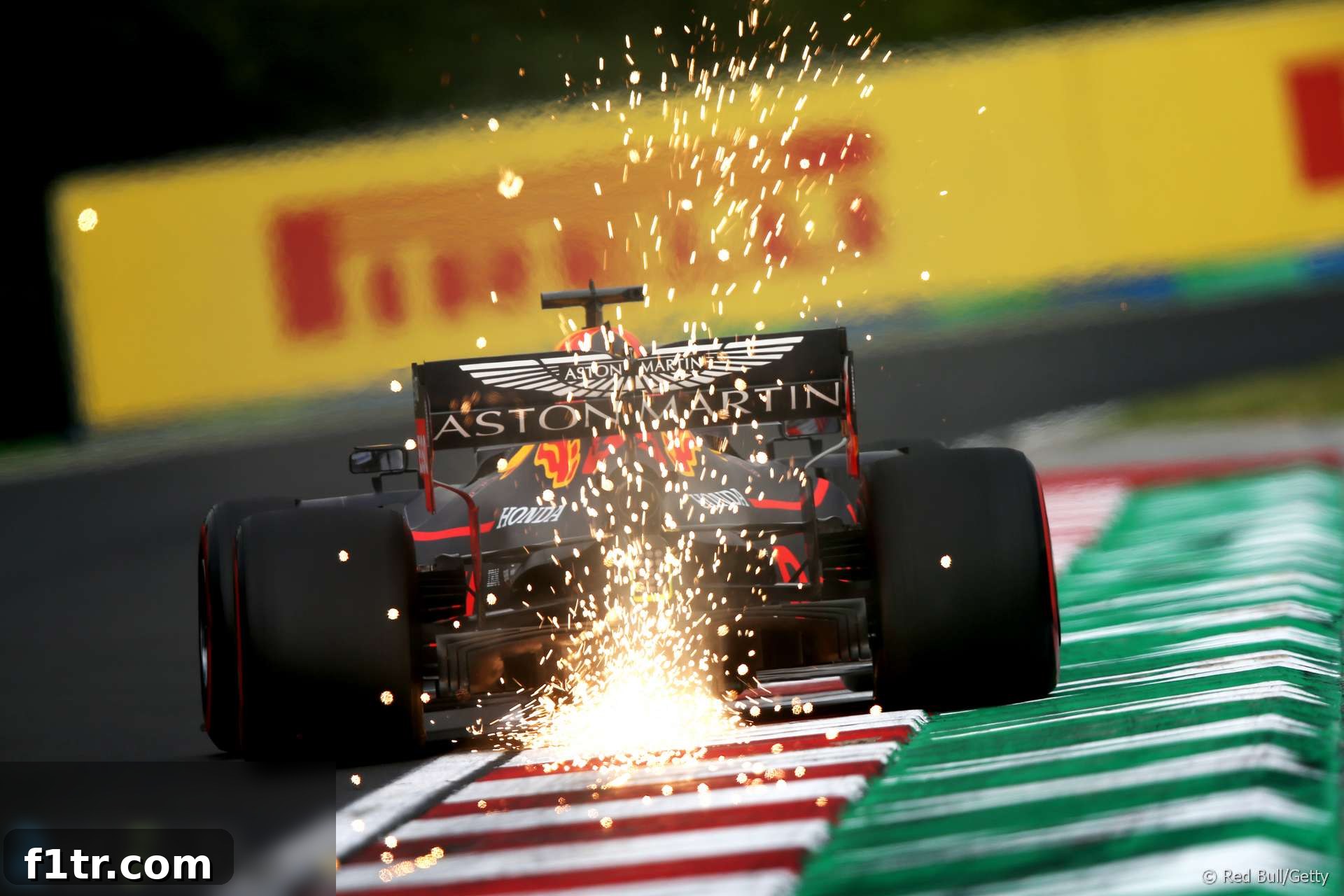
The new procedure at the Hungaroring stipulates that drivers will have their lap times deleted if they pass completely over the red and white kerbs at Turns Four, Eleven, and Twelve during any session throughout the weekend – including practice, qualifying, and the race. This immediate penalty serves as a powerful deterrent, directly impacting a driver’s ability to set competitive times.
Beyond immediate lap time deletion, the system incorporates a ‘three strikes’ rule for the race itself, escalating the penalties for persistent infringements:
- On the third occasion a driver cuts behind the red and white exit kerb at Turns Four, Eleven, or Twelve during the race, they will be shown a black and white flag. This flag serves as a final warning, indicating that further infractions will lead to more severe consequences.
- Crucially, the instructions given to drivers emphasize that this refers to “a total of three occasions combined, not three at each corner.” This means a driver cannot incur two infringements at Turn Four, two at Turn Eleven, and two at Turn Twelve without receiving a black and white flag. Any combination totaling three will trigger the warning.
- Should a driver incur any further cutting beyond the third offense (after being shown the black and white flag), the incident will be reported directly to the stewards. This leaves the door open for a range of potential penalties, including five-second time penalties, ten-second time penalties, or even drive-through penalties, depending on the severity and context of the infraction.
This graduated penalty system aims to provide drivers with clear warnings while ensuring that persistent abuse of track limits is met with appropriate sanctions.
Lessons from the Austrian Grand Prix: The Precedent for Stricter Rules
The decision to implement stricter track limit enforcement at the Hungaroring is not without precedent. Just a week prior, during the Austrian Grand Prix, a staggering total of 20 lap times were deleted due to drivers exceeding track limits. This high number highlighted the need for clearer guidelines and more decisive action from race control.
Alfa Romeo driver Antonio Giovinazzi notably received a black-and-white flag during the Austrian Grand Prix for going wide twice at Turn 10 and once at Turn 9. His experience serves as a clear illustration of how quickly infringements can accumulate and the immediate consequences drivers face under such rules. The consistency of this enforcement across different circuits underscores the FIA’s commitment to maintaining a level playing field.
Driver Responsibilities and Important Exceptions
Beyond simply avoiding track limit infringements, drivers are also reminded of their broader responsibilities when rejoining the circuit. The official notes explicitly state: “In all cases, the driver must only rejoin the track when it is safe to do so and without gaining a lasting advantage.” This two-fold requirement emphasizes safety, preventing dangerous re-entries, and sporting fairness, ensuring that a driver cannot profit from going off track.
There is, however, an important exception to these rules designed to account for unavoidable circumstances. The notes add: “The above requirements will not automatically apply to any driver who is judged to have been forced off the track; each such case will be judged individually.” This provision ensures that drivers who are pushed off by another competitor or are forced wide due to an incident are not unfairly penalized, relying on the discretion of the race stewards to assess each unique situation.
Impact on Race Strategy and Driver Performance
The stricter enforcement of track limits will undoubtedly have a significant impact on driver performance and team strategy at the Hungarian Grand Prix. During qualifying, drivers will have to be exceptionally precise, as even minor excursions could see their fastest lap times erased, potentially costing them crucial grid positions. This adds an extra layer of pressure and highlights the importance of consistency over outright raw pace that might verge on exceeding limits.
In the race, the ‘three strikes’ rule will force drivers to manage their track positions and aggression carefully. A driver pushing hard in pursuit or defence might be tempted to run wide, but the threat of a black and white flag and subsequent steward referral will likely temper such risks. This could lead to a more cautious approach at the designated corners, potentially influencing overtaking manoeuvres and the overall race dynamic. Teams will need to monitor their drivers’ infringements closely and communicate any warnings immediately to avoid escalating penalties.
The FIA’s Stance and Future Implications
The FIA’s consistent and clear stance on track limits reflects its commitment to maintaining the purity of racing. These rules are not designed to stifle competition but rather to ensure that success is achieved through skill and adherence to the defined boundaries of the track. As Formula 1 continues to evolve with faster cars and more sophisticated circuits, the challenge of managing track limits will remain a key aspect of race officiating.
The Hungaroring procedure serves as a strong signal that the FIA is prepared to take decisive action where necessary, using technology and clear guidelines to ensure fair and competitive racing. This proactive approach at a high-profile event like the Hungarian Grand Prix will be closely watched by teams, drivers, and fans alike, setting a potential precedent for similar enforcement at other circuits where track limits have proven problematic.
Conclusion
The Hungarian Grand Prix at the Hungaroring circuit is set to feature not only thrilling on-track action but also a heightened focus on driver discipline regarding track limits. With a clear, escalating penalty system in place for Turns Four, Eleven, and Twelve, drivers will be under immense pressure to stay within the lines. This strict enforcement, building on recent experiences from the Austrian Grand Prix, underscores Formula 1’s unwavering commitment to fair competition and the integrity of its sport. As the cars hit the track, every millimetre will count, promising an exciting and meticulously officiated race weekend.
Don’t miss anything new from RaceFans
Follow RaceFans on social media to stay updated with the latest news, analysis, and insights from the world of Formula 1:
- Join RaceFans on Facebook
- Follow RaceFans on Twitter
- Get daily email updates from RaceFans
Explore More F1 Content
Delve deeper into the 2020 F1 season and other related topics with these articles:
- Grosjean to make F1 test return tomorrow for first time since Bahrain horror crash
- Pictures: Wrecked chassis from Grosjean’s Bahrain fireball crash to go on display
- Bottas vs Rosberg: Hamilton’s Mercedes team mates compared after 78 races each
- F1 revenues fell by $877 million in Covid-struck 2020 season
- Hamilton and Mercedes finally announce new deal for 2021 season
Browse all 2020 F1 season articles