The Pirelli Tyre Controversy: Is Mercedes’ Dominance Fueled by a Tread Change?
As the Formula 1 season progresses, one topic has dominated paddock discussions and fuelled frustration among rival teams: the characteristics of Pirelli’s 2019 specification tyres. With Mercedes having clinched victory in every race so far, questions are being raised about whether the official tyre supplier’s decision to introduce thinner treads this year has inadvertently played a significant role in their unparalleled success, prompting calls for a reintroduction of last year’s tyre specifications to restore competitive balance.
The core of the debate lies in a subtle yet profound change to the tyre construction for the current season. Pirelli, in collaboration with the FIA and teams, opted for tyres with a thinner and stiffer gauge and profile. This modification, while intended to address issues like blistering and overheating observed in previous seasons, has had a dramatic and unforeseen impact on how teams interact with their crucial black circles of rubber.
Understanding the 2019 Tyre Specification: Thinner Treads, Tighter Operating Windows
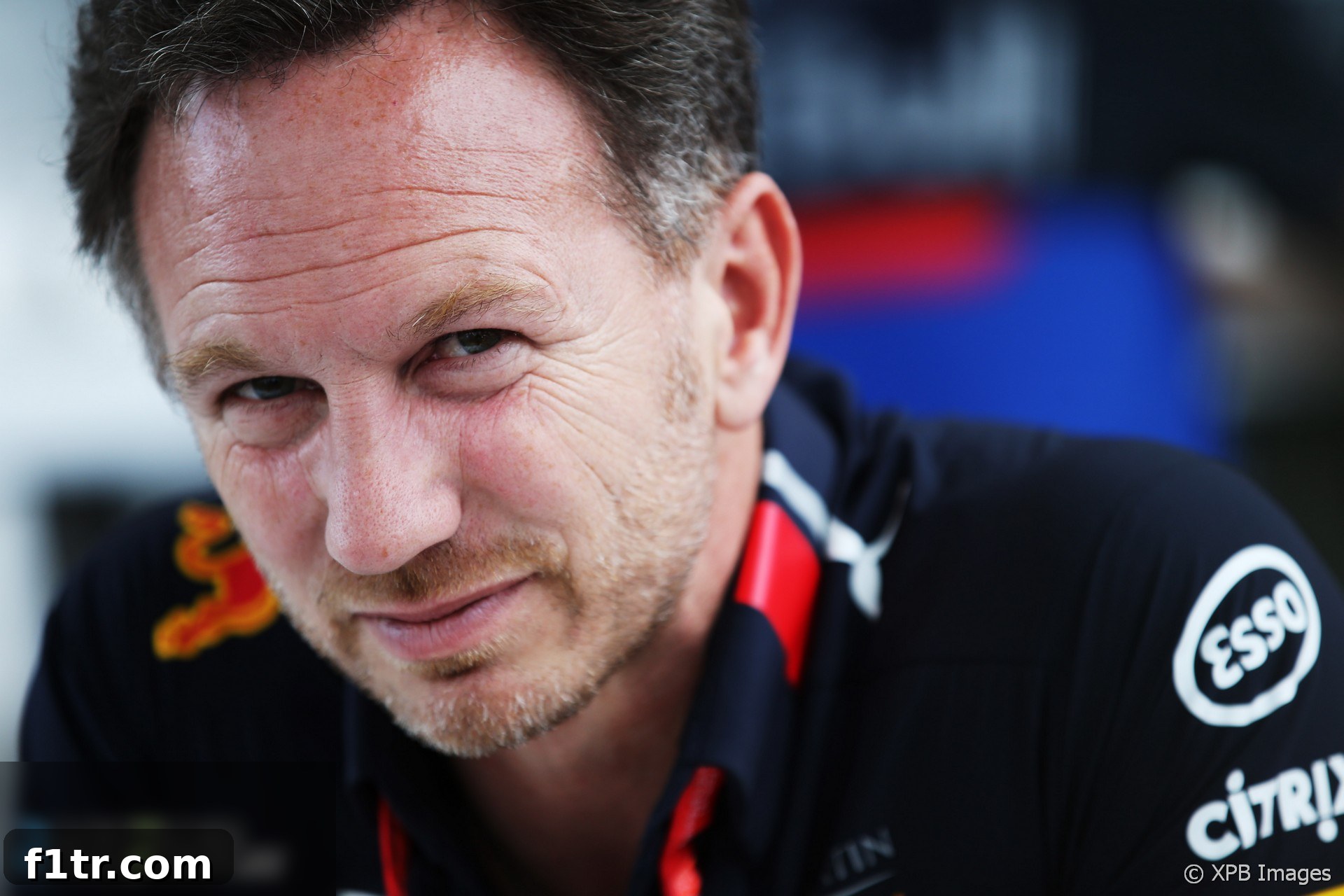
The 2019 Pirelli tyres feature a tread reduced by 0.4mm, a seemingly minor alteration that has, in practice, led to a significant shift in performance dynamics. Christian Horner, the outspoken team principal of Red Bull Racing, succinctly articulated the challenge presented by these new tyres. “The tyre was made thinner and stiffer gauge and profile for this year,” he explained. “That therefore takes an awful lot more energy and it’s an awful lot harder to get the tyre going and to generate that heat in the tyre.”
Formula 1 tyres operate within a very specific temperature range, known as the “ideal operating window,” to deliver optimal grip and performance. If a tyre is too cold, it lacks adhesion and can lead to understeer or oversteer. If it’s too hot, it can degrade rapidly, blister, or lose structural integrity. The thinner tread, by reducing the amount of rubber, makes it considerably more challenging for teams to generate and maintain the necessary heat. This means cars must work harder, often sliding more, or be perfectly balanced to warm the tyres efficiently and keep them in their sweet spot throughout a lap or race stint.
For most teams, this has proven to be an immense hurdle. Their cars, designed around a different set of tyre characteristics, are struggling to adapt their aerodynamic and mechanical setups to bring the new tyres into their optimal window. This struggle translates directly into slower lap times, reduced pace, and an inability to challenge Mercedes, who appear to have unlocked the secret to consistently activating these notoriously difficult tyres.
Mercedes’ Uncanny Advantage: A Perfect Match for the New Tyres
Mercedes’ extraordinary performance in the early stages of the 2019 season cannot be solely attributed to the tyres, yet there’s a compelling argument that the tyre change has played significantly into their strengths. Horner himself pointed out a telling detail: “Mercedes, when we ran these tyres at the races last year, won all the races these tyres actually were introduced on.”
He referenced the Circuit de Catalunya, Paul Ricard, and Silverstone circuits, where the thinner-tread tyres were trialled in 2018. Mercedes secured pole position at all three events and went on to win the first two, underscoring their immediate affinity with this specific tyre construction. This historical data suggests that their car concept, even in its 2018 iteration, was inherently better suited to the thinner-tread tyres, indicating a deeper, perhaps unconscious, alignment with Pirelli’s future direction.
The Mercedes W10, the championship-leading car of 2019, seems uniquely capable of generating the required tyre temperature while simultaneously managing degradation. This could be due to a confluence of factors: its aerodynamic efficiency, which allows for consistent downforce application through corners; a sophisticated suspension system that can precisely control tyre load and contact patch; or perhaps a chassis that simply has the right balance to put energy into the tyres without overheating them. As Horner noted, “I think just by good fortune for them this tyre change this year, on a car that was usually quite hard on its tyres, particularly its rear tyres, has actually worked in their favour and puts them in a really nice window.” This suggests that a car once known for being aggressive on its tyres has found a new harmony with the 2019 specification, turning a potential weakness into an undeniable strength.
The Rivals’ Predicament and the Call for Change
For the rest of the grid, the situation is stark. Teams like Red Bull and Ferrari, expected to be Mercedes’ fiercest competitors, have openly admitted their struggles. Despite significant investment in research and development, many teams have found it incredibly difficult to consistently get the 2019 specification tyres into their ideal operating window. This inability manifests as a lack of pace, inconsistent performance across different compounds, and often a visible struggle for drivers to extract the maximum performance from their machines.
The call for a return to the 2018 tyre specification is not merely a complaint; it’s a strategic suggestion aimed at re-igniting the championship battle. “The best thing obviously would be if they went back to last year’s tyres,” Horner asserted. He then painted a vivid picture of the potential impact: “You’d probably find nine teams happy with that and one team fairly unhappy with that. But in the interests of entertainment in Formula 1 that would be a noble thing for Pirelli to do.”
This sentiment highlights a deeper tension within Formula 1: the balance between technical innovation and sporting spectacle. While teams are expected to adapt to regulations and design their cars accordingly, a situation where one team appears to have an almost insurmountable advantage due to a specific component — especially one supplied to all competitors — can detract from the overall entertainment value of the sport. Fans yearn for close racing, multiple contenders, and unpredictable outcomes, elements that have been noticeably absent in the face of Mercedes’ current dominance.
Pirelli’s Mandate and the Future of Tyre Development
Pirelli, as the sole tyre supplier, faces an unenviable task. Their mandate is to provide tyres that are safe, reliable, and contribute to exciting racing, all while adhering to the technical regulations set by the FIA. Developing a tyre that performs optimally across eleven different chassis concepts, each with unique aerodynamic and mechanical characteristics, is an engineering challenge of immense proportions.
While the thinner tread was introduced with good intentions – primarily to reduce the risk of blistering and improve overall durability – its unintended consequence has been to exacerbate the performance gap between the front-runners and the rest. Any decision to revert to the 2018 specification mid-season would be complex, requiring unanimous agreement from all teams and approval from the FIA. Such a move would be unprecedented and would inevitably be met with fierce opposition from Mercedes, who would rightly argue that they have simply done a better job adapting to the rules. However, the pressure from other teams and the broader F1 community for a more competitive spectacle is mounting.
The ongoing debate underscores the critical importance of tyre design in modern Formula 1. A seemingly minor adjustment can shift the competitive landscape dramatically, turning potential championship contenders into struggling midfielders and catapulting an already strong team into an untouchable position. As the season progresses, all eyes will remain on Pirelli, Mercedes, and the disgruntled rivals, as the sport grapples with how to ensure fair competition without stifling innovation or penalizing a team for simply mastering the current rules. The question of whether the 2019 tyres are truly the great equaliser or simply a great divider remains one of the most compelling narratives of the year.
2019 F1 Season Insights
- Crying in the Melbourne car park at 2019 grand prix was my career low – Ocon
- McLaren Racing reports reduced £71 million loss in 2019
- Kvyat: Hockenheim podium last year was “my biggest achievement” so far
- How the FIA’s new encrypted fuel flow meter targets Ferrari’s suspected ‘aliasing’ trick
- “He smashed my office door”: 23 must-see moments from ‘Drive to Survive’ season two
Browse all 2019 F1 season articles