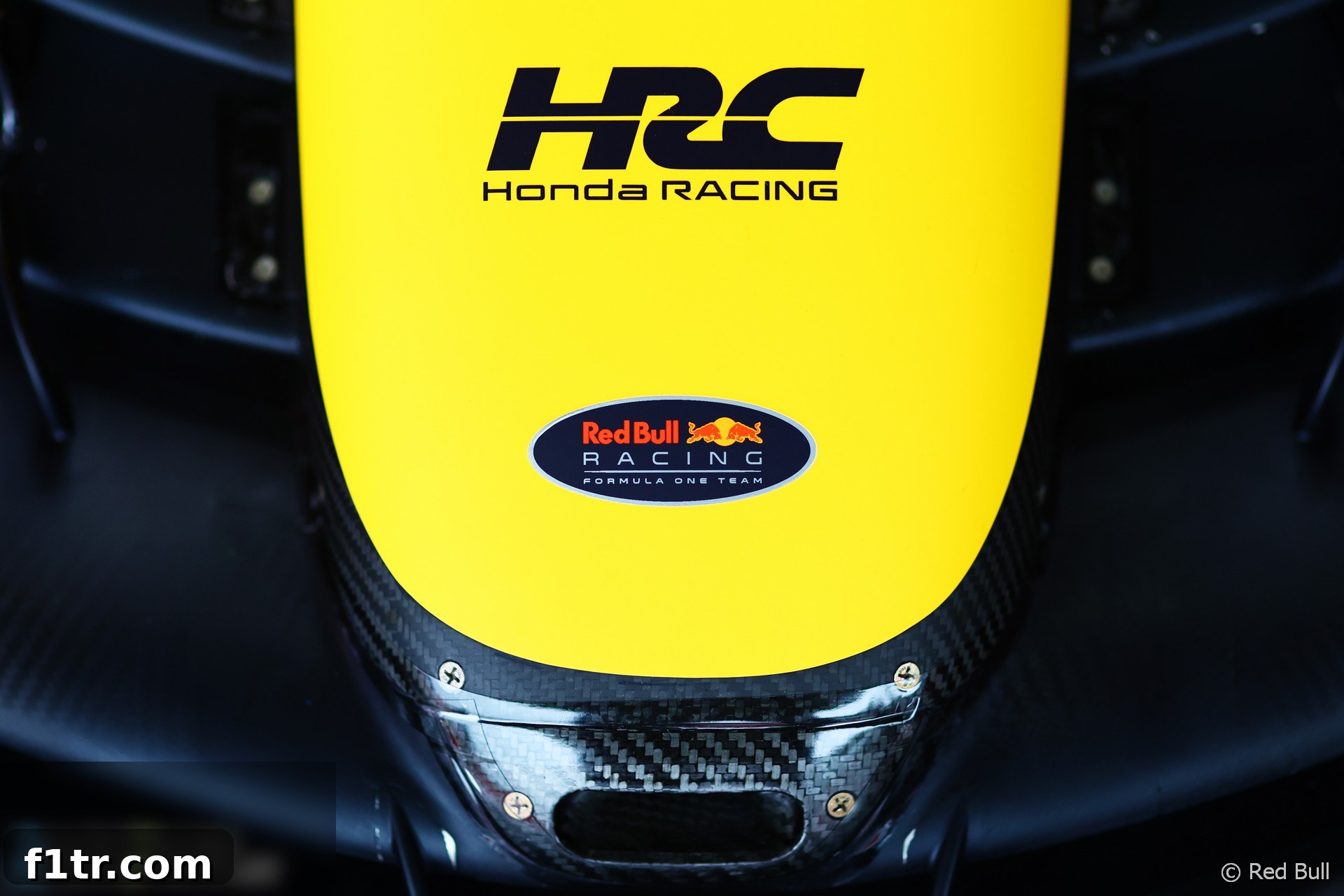
Honda is embarking on a significant strategic move in the world of Formula 1, establishing a new operational base in the United Kingdom. This crucial development underscores the Japanese automotive giant’s unwavering commitment to the pinnacle of motorsport as it prepares for its highly anticipated return as a full power unit manufacturer in 2026.
Honda’s Strategic UK Hub: Powering the Future of F1
The establishment of Honda Racing Corporation UK Limited (HRC UK) represents a pivotal step in Honda’s long-term Formula 1 strategy. Located within the heart of the UK’s bustling “Motorsport Valley,” this new base will serve as a vital operational hub for Honda’s future engine supply to the Aston Martin Aramco Formula 1 Team. The choice of the UK is no coincidence; it offers unparalleled access to a rich talent pool of motorsport engineers, logistics experts, and a well-established supply chain, placing Honda directly at the epicenter of F1 innovation and competition.
HRC UK’s primary responsibilities will encompass a broad spectrum of activities critical to successful Formula 1 participation. These include the meticulous maintenance and servicing of Honda’s advanced power units between demanding race weekends, ensuring optimal performance and reliability. Furthermore, the UK facility will be instrumental in preparing the engines for upcoming events, managing logistics, and providing crucial trackside support during the season. Beyond the technical aspects, the new company will also house a public relations operation, facilitating communication and engagement with media, fans, and stakeholders in the European market.
The leadership of this significant undertaking includes prominent figures from Honda’s global leadership. Honda President Koji Watanabe and Honda Motor Europe Executive Vice President Ian Howells have been appointed as directors of Honda Racing Corporation UK Limited, signaling the high strategic importance placed on this venture by the parent company. Recruitment efforts for the new UK operation are slated to commence in the spring, attracting top-tier talent to build a formidable team dedicated to F1 excellence.
While the operational and logistical support will be centered in the UK, the core design and manufacturing of Honda’s cutting-edge power units will continue at its revered facility in Sakura, Japan. This dual-location approach allows Honda to leverage its deep engineering expertise and advanced R&D capabilities in Japan, while benefiting from the logistical and strategic advantages of a UK presence directly within the F1 ecosystem.
The Dawn of a New Era: 2026 F1 Regulations and Honda’s Return
Honda’s commitment to return as a full power unit manufacturer in 2026 aligns perfectly with the introduction of new Formula 1 technical regulations. These regulations are designed to usher in a more sustainable, innovative, and cost-effective era for the sport. Key changes include a significant increase in electrical power output from the hybrid systems, a move towards 100% sustainable fuels, and the removal of the complex MGU-H component, simplifying the power unit architecture while retaining its hybrid essence.
For Honda, these new regulations represent a fresh challenge and an opportunity to showcase its technological prowess in areas directly relevant to its broader corporate vision. The emphasis on electrification and sustainable fuels resonates deeply with Honda’s global environmental goals and its ambition to achieve carbon neutrality. By engaging directly in the development and supply of these next-generation power units, Honda reaffirms its position at the forefront of automotive innovation and its dedication to pushing the boundaries of performance and efficiency on motorsport’s biggest stage. The 2026 season promises a fiercely competitive landscape, and Honda aims to be a leading force in this new chapter.
A Legacy Forged in Steel: Honda’s Illustrious F1 Journey
Honda’s upcoming partnership with Aston Martin will mark its fourth distinct era as an engine manufacturer in Formula 1, a testament to its enduring passion for racing and engineering excellence. Its history in the sport is rich with both pioneering triumphs and arduous challenges, each contributing to its legendary status.
The Pioneering Spirit of the 1960s
Honda first entered Formula 1 in the 1960s as a full works team, a bold move for a relatively young Japanese manufacturer. With their ambitious and technologically advanced V12 engines, they quickly made an impression. Despite facing formidable established European rivals, Honda achieved its first Grand Prix victory at the 1965 Mexican Grand Prix with Richie Ginther at the wheel. This early success proved Honda’s capability to compete at the highest levels of motorsport, though the intense financial and logistical demands of running a full factory effort eventually led to their withdrawal after winning a second Grand Prix in 1967.
Dominance in the 1980s and Early 1990s
Honda’s return to F1 in the 1980s as an engine supplier ushered in one of the sport’s most dominant eras. Teaming up with Williams, they quickly found success, culminating in multiple constructors’ championships. The partnership with McLaren, however, etched Honda’s name into F1 folklore. From 1988 to 1991, with legendary drivers like Ayrton Senna and Alain Prost, McLaren-Honda secured four consecutive drivers’ and constructors’ world championships. Their V6 turbo engines and later V10 and V12 naturally aspirated units were renowned for their power, efficiency, and reliability, setting new benchmarks for performance. This period of unparalleled success firmly established Honda as a formidable force in Formula 1 engine technology before their withdrawal again after the 1992 season.
The Millennial Comeback: Mixed Fortunes (2000s)
The allure of Formula 1 brought Honda back for a third stint at the turn of the millennium. Initially serving as an engine supplier to British American Racing (BAR), the partnership showed flashes of potential but struggled to deliver consistent victories. In 2006, Honda acquired the BAR team entirely, transforming it into a full works entry once more. Despite significant investment and talent acquisition, this era proved challenging, yielding only one memorable victory at the 2006 Hungarian Grand Prix with Jenson Button. The global financial crisis and a period of limited success ultimately led to Honda’s third withdrawal from the sport after the 2008 season.
The Hybrid Era: From Adversity to Unprecedented Success
Honda’s most recent return to Formula 1 in 2015, following the introduction of the V6 hybrid turbo regulations, initially faced significant hurdles. A high-profile partnership with McLaren struggled with persistent reliability issues and a lack of performance, leading to a frustrating period for both parties. However, Honda demonstrated remarkable resilience and an unyielding commitment to improvement. A strategic pivot saw them partner with Toro Rosso (now AlphaTauri) and subsequently with the senior Red Bull Racing team.
This collaboration proved to be the turning point. Through relentless development and a deeper integration with the chassis team, Honda’s power units began to consistently challenge for victories. The breakthrough moment arrived in 2021 when Max Verstappen, powered by Honda, clinched the Formula 1 Drivers’ World Championship in a thrilling season finale. Even after Honda officially withdrew as a full manufacturer at the end of 2021, its engines, rebranded as Red Bull Powertrains Honda (RBPTH), have continued to dominate the sport, securing multiple championships and solidifying a new era of supremacy for Red Bull Racing.
The Shifting Sands of Alliances: Red Bull’s Transition and Aston Martin’s Ascent
The current arrangement sees Red Bull Racing continuing to utilize power units based on Honda’s 2021 designs, operating under the Red Bull Powertrains Honda (RBPTH) designation, until the close of the 2025 season. This successful partnership has been foundational to Red Bull’s recent string of championships and record-breaking performances. However, looking ahead to the 2026 regulatory changes, Red Bull has announced its intention to develop its own power units in collaboration with Ford at its state-of-the-art Red Bull Powertrains division in Milton Keynes. This strategic decision by Red Bull created a unique opening in the market, an opportunity that Honda, eager to re-engage as a full manufacturer under the new regulations, was perfectly positioned to seize.
This transition for Red Bull directly paves the way for Honda’s renewed and exclusive partnership with Aston Martin. It highlights the dynamic nature of alliances within Formula 1, where strategic decisions are often influenced by evolving regulations, corporate objectives, and the pursuit of competitive advantage.
Forging a New Dynasty: The Aston Martin Honda Partnership
The union between Honda and Aston Martin heralds a new and exciting chapter for both entities. Aston Martin, under the ambitious leadership of Lawrence Stroll, has demonstrated a clear intent to compete at the very front of the grid, backed by significant investment in infrastructure, personnel, and a new state-of-the-art factory. Partnering with Honda, a manufacturer with a proven track record of championship success and unparalleled engineering prowess, provides Aston Martin with a critical component in its quest for F1 glory.
The synergies between the two brands are compelling. Aston Martin brings a burgeoning racing team with a strong vision and growing capabilities, while Honda brings decades of experience in high-performance engine development, hybrid technology, and a deep understanding of what it takes to win in Formula 1. This partnership is expected to be a true works relationship, fostering close collaboration between the chassis and power unit developers, a model that has historically led to the most successful teams in F1 history. The potential for this alliance to create a formidable force on the grid from 2026 onwards is immense.
Beyond the Track: Honda’s Broader Vision for F1
Honda’s sustained involvement in Formula 1 extends far beyond the immediate goal of winning races and championships. The sport serves as an invaluable proving ground for advanced technologies, particularly in areas like hybrid power, energy management, and sustainable engineering. Insights gained on the F1 track often find their way into Honda’s road car divisions, driving innovation and improving efficiency for consumers worldwide. Furthermore, Formula 1 provides an unparalleled global platform for brand visibility, reinforcing Honda’s image as a leader in high-performance engineering and technological sophistication. It also plays a crucial role in talent development, attracting and nurturing top engineers and strategists who are passionate about pushing technological boundaries. For Honda, F1 is a powerful embodiment of its corporate philosophy and a cornerstone of its global brand strategy.
Looking Ahead: The Road to 2026
As Honda strategically positions itself with the new UK base and a rejuvenated commitment, the anticipation for the 2026 Formula 1 season grows. This move signifies not just a return, but a strategic re-engagement designed for long-term success. With a rich history, a renewed focus on innovation under new regulations, and a promising partnership with Aston Martin, Honda is poised to write another glorious chapter in its storied Formula 1 legacy. The groundwork is being laid, and the motorsport world watches with keen interest as Honda prepares to once again challenge for supremacy at the pinnacle of racing.
Formula 1
- “Overtaking is overtaking”: Domenicali denies F1’s yo-yo racing is “artificial”
- The crashes F1 is trying to prevent may be rare – but the danger is obvious
- F1 returning to India soon after 2027 sounds like wishful thinking
- Verstappen loathes F1’s new generation of cars – but what do his rivals reckon?
- The ‘throwback weekend’ is back in fashion. But it’s a flawed concept – especially for F1
Browse all Formula 1 articles