The 2021 Formula 1 season has delivered one of the most enthralling and fiercely contested championship battles in recent memory, pitting the seven-time world champion Lewis Hamilton against the formidable young challenger Max Verstappen. As the season nears its dramatic conclusion, the stakes have never been higher, with every race, every overtake, and every strategic decision carrying immense weight. The intensity of this rivalry has led to discussions not just about raw pace and driving skill, but also about the fine line between aggressive racing and potentially controversial collisions that could ultimately decide the title. Amidst this backdrop of escalating tension, Lewis Hamilton has firmly stated his unwavering commitment to winning the championship through fair play, emphasizing that he will not resort to the contentious tactics that have marred past Formula 1 title deciders.
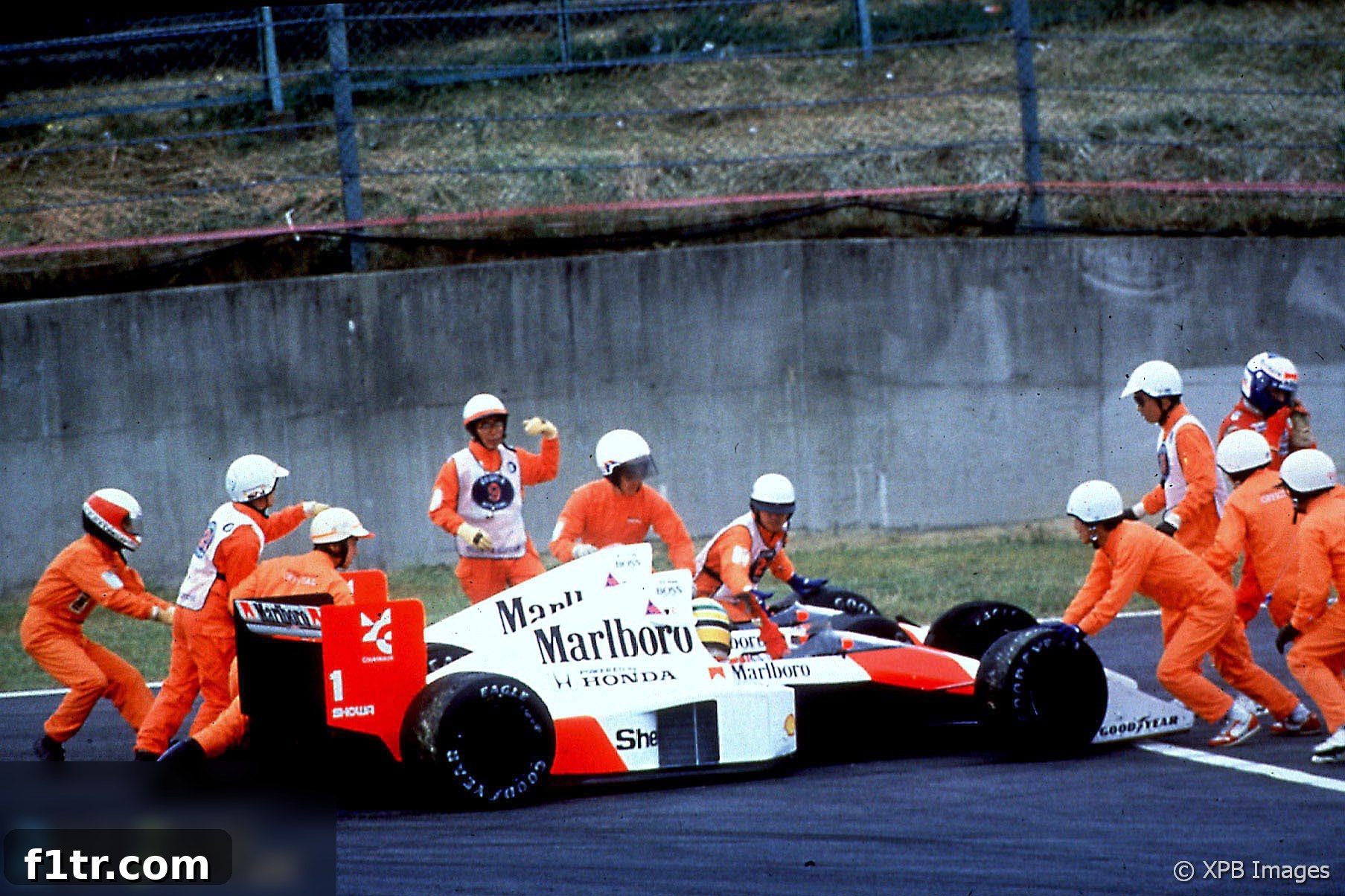
Hamilton’s principled stance comes in response to observations made by his Mercedes team principal, Toto Wolff. Earlier in the week, Wolff publicly speculated about the escalating nature of the Hamilton-Verstappen rivalry, drawing parallels to some of Formula 1’s most infamous championship showdowns. The Mercedes boss suggested that as the championship battle intensifies towards the final races, particularly the hypothetical scenario of a winner-takes-all finale in Abu Dhabi, the pressure might lead to desperate measures. He openly raised the possibility of a clash, reminiscent of the legendary and often controversial encounters that defined eras involving icons like Ayrton Senna, Alain Prost, and Michael Schumacher. These historical precedents, often cited in discussions of F1 championship psychology, involve incidents where drivers intentionally or unintentionally made contact in high-stakes situations, directly impacting the outcome of the title fight.
The suggestion of potential collisions is not unfounded given the season’s history. Hamilton and Verstappen have already been involved in two significant on-track incidents this year, both of which generated considerable debate and divided opinion across the motorsport world. The first major clash occurred at the British Grand Prix at Silverstone, where a high-speed collision saw Verstappen career into the barrier, resulting in a DNF for the Red Bull driver. Later in the season, at the Italian Grand Prix in Monza, the two title rivals again made contact, with Verstappen’s car landing on top of Hamilton’s Mercedes in a dramatic moment that saw both drivers out of the race. These incidents, far from being isolated, have fueled the narrative of an uncompromising rivalry, adding an extra layer of tension to every Grand Prix weekend.
Wolff did not mince words when discussing the Monza incident, offering a blunt assessment of Verstappen’s actions. “What happened in Monza? Verstappen took Lewis out because he was about to overtake and he was quicker,” Wolff asserted in an interview with the Daily Mail. He elaborated on his view, suggesting that such actions, while controversial, are a grim reality of championship racing when a driver feels their advantage slipping away. “If you are racing for the championship and you see it fading away because the other guy is overtaking you, what tool have you got other than the one that makes sure he can’t overtake? We’ve seen it with Schumacher and Villeneuve, we saw it with Senna and Prost twice.” Wolff’s remarks underline a cynical but historically validated perspective on the desperate measures drivers might take when faced with losing a world title, invoking the infamous 1997 Jerez collision between Michael Schumacher and Jacques Villeneuve, or the repeated Senna-Prost tangles at Suzuka in 1989 and 1990. These historical flashpoints are often discussed as examples of drivers pushing the boundaries of sportsmanship in pursuit of ultimate glory.
Despite Wolff’s provocative comments, Lewis Hamilton, currently trailing Verstappen by a narrow 12 points as the championship heads into the final races, firmly distanced himself from any suggestion of deliberately causing a collision. “I haven’t read what Toto said but I highly doubt that he would insinuate that would ever be the case,” Hamilton stated, clearly indicating his personal code of conduct. He reiterated his long-held belief in winning ethically and with integrity. “We’ve never won a championship that way, I’ve never won a championship in that way and would never want to. So that’s from my perspective and my point of view. I’m here to win in the right way and that’s through sheer skill and determination and hard work.” This statement from Hamilton serves as a powerful testament to his character and his approach to professional sport, underscoring his desire to be remembered not just as a champion, but as a fair competitor who achieved success through genuine merit.
Hamilton continued to articulate his philosophy, emphasizing the importance of sportsmanship even in defeat. “You know how I’ve won my championships in the past, I always want to win it the right way,” Hamilton added. “If you’re going to lose it, you lose it the right way also, with dignity and knowing that you’ve given it your all and you’ve done things the right way and you worked as hard as you could.” This perspective highlights a crucial aspect of Hamilton’s competitive spirit: the belief that the manner of victory or defeat is as important as the outcome itself. For a driver of his stature, with numerous records to his name, maintaining a legacy of fair play is paramount. He believes that true satisfaction comes from knowing one has performed to their absolute best, adhering to the rules and spirit of the sport, rather than resorting to questionable tactics. “All you can do is give it your all and work as hard as you can with the team. If it doesn’t work out, then you live to fight another day.” This sentiment speaks to a broader understanding of resilience and long-term perspective in a demanding sport like Formula 1.
The psychological warfare and verbal sparring between the two teams and drivers are undoubtedly part of the spectacle that is Formula 1. Wolff’s comments, whether intended as a warning, a psychological tactic, or a genuine concern, certainly add another layer to the already intense rivalry. However, Hamilton’s response reaffirms his commitment to a clean fight, placing the onus on skill and strategy rather than aggressive contact. As the championship hurtles towards its thrilling climax, the world will be watching to see if the battle remains one decided by pure racing prowess, or if the pressure of the title fight will indeed lead to further contentious incidents. The hope of fans and purists alike is for a championship determined by the extraordinary talent of both drivers, culminating in a memorable and truly sporting conclusion.
The journey to the ultimate F1 crown is fraught with challenges, and both Hamilton and Verstappen have demonstrated exceptional skill, bravery, and determination throughout the 2021 season. Their rivalry has captivated audiences globally, injecting an unparalleled level of excitement into every Grand Prix. The lingering question, however, remains: can two drivers of such fierce competitive spirit navigate the remaining races without further controversial moments? Hamilton’s declaration provides a clear answer from his side, setting a standard for sportsmanship that many hope will define the resolution of this epic championship battle. The integrity of the sport, and the legacy of these incredible athletes, will ultimately be judged by how they conduct themselves in these decisive moments on track, aiming for a conclusion that is both thrilling and fair.
2021 Mexico City Grand Prix Related News
- No one will win more F1 races than Verstappen this year
- Alfa Romeo’s misjudgement which prompted Giovinazzi’s sarcastic radio ‘thanks’
- “Nice catch”: How Verstappen’s canny bid to thwart Bottas almost succeeded
- 2021 Mexico City Grand Prix Star Performers
- Wolff “surprised” stewards did not investigate Ricciardo over Bottas collision
Browse all 2021 Mexico City Grand Prix articles