Advert | Become a Supporter & go ad-free
Haas F1 Team Confirmed for 2015 Formula 1 Season: A New Era Dawns for Formula 1
The global motorsport community buzzed with anticipation following the official announcement from the FIA, confirming the entry of Haas Formula to participate in the prestigious 2015 Formula 1 season. This monumental decision marked a pivotal moment for the sport, signaling a potential expansion of the grid and the reintroduction of an American-led presence to the pinnacle of motorsport.
The approval for the new team, spearheaded by renowned NASCAR team owner Gene Haas, was granted following a crucial meeting of the World Motor Sport Council held in Morocco. This green light wasn’t just a formality; it represented a significant vote of confidence in Haas’s vision and the robustness of his proposal, especially given the tumultuous history of new entrants in Formula 1. Gene Haas, a seasoned entrepreneur with a proven track record of success in American stock car racing, brought not only financial stability but also a profound understanding of competitive motorsport infrastructure, an attribute highly valued by the FIA.
The Road to the Grid: Haas Formula and the Hope for Expansion
In addition to accepting Haas Formula’s bid, the FIA also disclosed that it was “in the process of conducting further investigations for Forza Rossa,” another applicant vying for a coveted slot on the F1 grid. This revealed the FIA’s proactive approach to expanding the field, meticulously evaluating each proposal to ensure the long-term viability and competitiveness of any new team. While Forza Rossa’s application ultimately did not materialize into a grid entry, the dual announcement underscored the sport’s desire to grow and diversify its participant base.
The governing body lauded the submitted applications, describing them as “of a high standard,” underscoring the serious intent and comprehensive planning demonstrated by the prospective teams. The decision-making process was further highlighted as having been taken in “close consultation” with Formula 1’s then-commercial supremo, Bernie Ecclestone. This collaborative approach between the FIA and F1 management was crucial, ensuring that any new entries aligned not only with sporting regulations but also with the commercial interests and strategic direction of the sport. Ecclestone, ever keen on expanding F1’s global footprint and maintaining a competitive grid, saw the potential for renewed interest and commercial opportunities that new teams could bring.
The potential addition of both Haas Formula and Forza Rossa held the promise of an invigorated Formula 1 grid, potentially reaching a full 26-car field for the first time in two decades. Such an expansion would not only enhance the spectacle for fans by adding more cars and drivers but also provide more opportunities for talent within the motorsport world, fostering greater competition throughout the paddock. However, the path to Formula 1 is fraught with challenges, as history has repeatedly shown, making the FIA’s vetting process all the more critical.
A Look Back: The Treacherous Path for New F1 Entrants
The excitement surrounding new team entries is often tempered by the harsh realities of Formula 1’s demanding environment. The sport’s history is littered with stories of ambitious projects that ultimately faltered under the immense pressure of financial demands and technical prowess required. A stark reminder of these difficulties was the fate of the last American team to attempt entry, US F1, which tragically collapsed before the first race of the 2010 season. Their ambitious plans, despite significant public interest and patriotic fervor, could not overcome the immense financial and logistical hurdles inherent in building a competitive F1 operation from scratch within a tight timeframe.
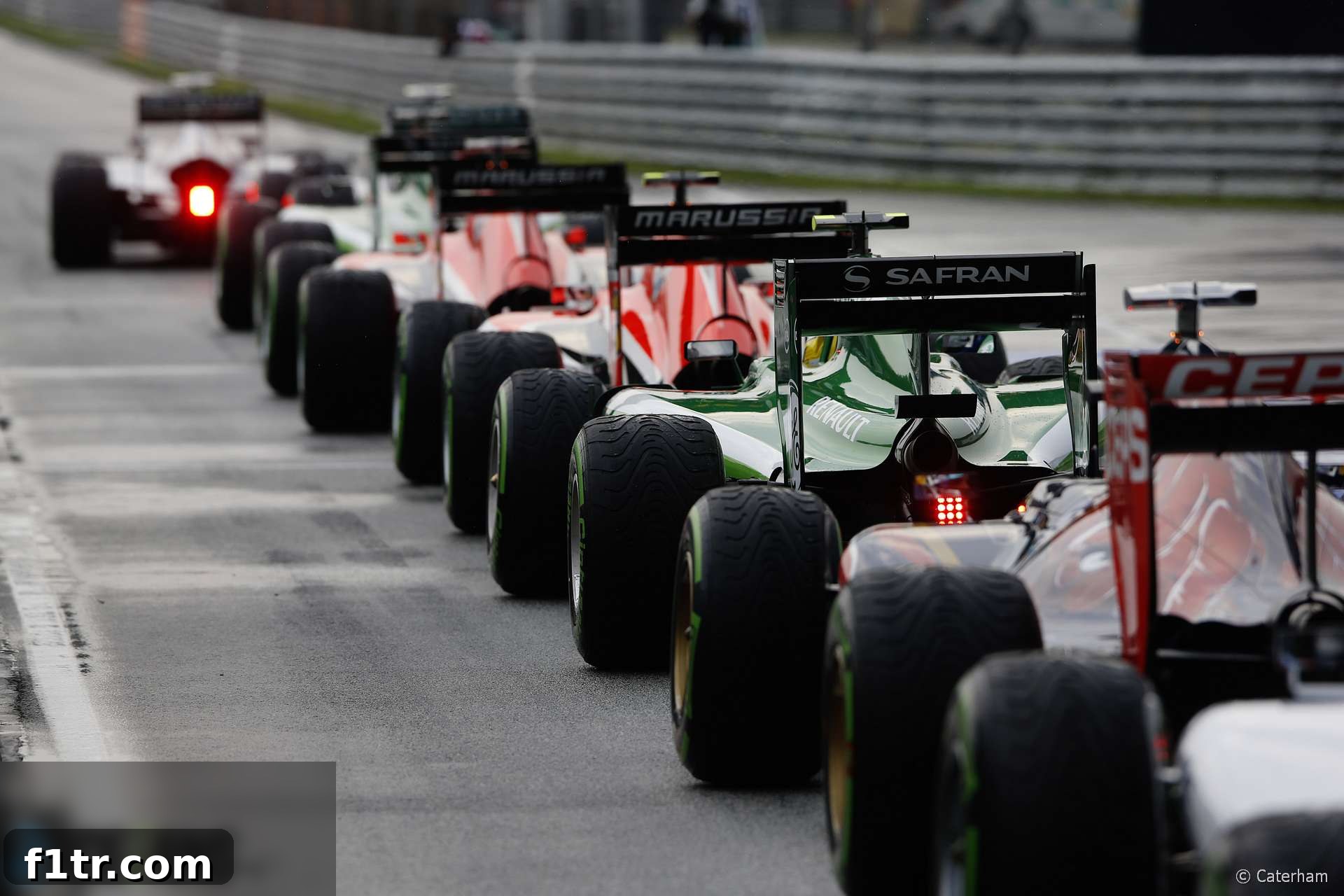
The year 2010 itself was a significant period for new entries, seeing the arrival of Lotus Racing (later Caterham F1 Team), Virgin Racing (later Marussia F1 Team, then Manor Marussia F1 Team), and HRT F1 Team. While these teams initially boosted grid numbers and added diverse narratives, their tenures were largely characterized by struggle, often battling at the back of the grid and facing persistent financial difficulties. HRT, for instance, ceased operations at the end of the 2012 season, unable to secure the necessary funding to continue its participation. Lotus and Virgin, despite rebranding and continuing for a few more seasons as Caterham and Marussia respectively, also faced persistent financial difficulties and ultimately exited the sport, underscoring the brutal economic landscape of Formula 1.
These historical precedents underscored the high stakes involved in the FIA’s approval of Haas Formula. The governing body and commercial rights holder were keenly aware of the need to avoid a repeat of past failures, actively seeking financially robust and technically sound operations that could genuinely contribute to the sport’s long-term health and competitiveness. Gene Haas’s proven track record in NASCAR, his significant personal investment, and his innovative approach to F1 entry – which involved a close technical partnership with Ferrari and Dallara – likely played a crucial role in distinguishing his application and offering a more sustainable model compared to previous attempts.
Addressing F1’s Core Challenges: Cost Reduction and Engine Sound
Beyond the excitement of new teams, the FIA also highlighted its ongoing commitment to addressing fundamental challenges within Formula 1. A key issue, perennially debated within the paddock, is that of cost reduction. To tackle this, a critical meeting was scheduled for May 1st, designed to bring together all Formula 1 teams, along with FIA President Jean Todt and Bernie Ecclestone. This high-level summit aimed to forge consensus on measures to rein in spiraling expenses, a factor that often proves prohibitive for smaller teams and new entrants alike. The outcomes of this meeting would then inform the subsequent deliberations of the influential F1 Strategy Group, which holds significant sway over the sport’s future direction and regulations.
The quest for cost efficiency is not merely about financial prudence; it’s about safeguarding the future diversity and competitiveness of the grid. High costs exacerbate the performance gap between well-funded factory teams and independent outfits, making it incredibly difficult for smaller teams to compete and for new teams to establish themselves sustainably. Discussions around potential solutions included budget caps, standardized components, limitations on development resources, and more equitable revenue distribution. These are recurring themes in the ongoing effort to create a more level playing field and a more accessible Formula 1 for aspiring teams and independent constructors.
In a further development addressing fan and participant concerns, the World Motor Sport Council also announced that “preliminary results” were expected shortly regarding the possibility of altering the noise characteristics of the 2014 specification engines. The introduction of the V6 turbo-hybrid power units in 2014, while a technological marvel showcasing incredible efficiency, had sparked considerable debate among fans and some personalities within the sport due to their significantly quieter sound compared to the screaming V8s and V10s of previous eras. Many argued that the diminished engine noise detracted from the visceral thrill that is a hallmark of Formula 1.
The FIA’s initiative to investigate sound alteration reflected a responsive approach to fan feedback, acknowledging that the iconic roar of Formula 1 engines is an integral part of the sport’s appeal and heritage. While the technical complexities of modifying engine sound without compromising performance, reliability, or introducing unnecessary costs were considerable, the willingness to explore solutions demonstrated a commitment to preserving the sensory experience that makes F1 so captivating. This delicate balancing act between technological innovation, cost control, and fan engagement remains a constant challenge for the sport’s governing bodies, as they strive to evolve without losing the essence of what makes Formula 1 the pinnacle of motorsport.
The Broader Impact: An American Dream and a Sustainable Future
The acceptance of Haas Formula marked a significant moment, not just for Gene Haas and his team, but for the entire ecosystem of Formula 1. It reignited hopes for a stronger American presence in a sport long dominated by European teams, potentially expanding F1’s appeal in a crucial market and fostering new fan bases. The team’s subsequent performance, leveraging a unique technical partnership model, would indeed prove many skeptics wrong, establishing Haas F1 as a resilient and competitive force on the grid for years to come. Their entry demonstrated that with the right approach, new teams could not only survive but also thrive in the challenging world of Formula 1.
This period in F1 history was characterized by intense discussions about its identity, future direction, and sustainability. The simultaneous efforts to bring in new blood, address financial disparities, and refine the spectacle for fans underscored a sport in flux, striving to evolve while staying true to its high-octane roots. The decisions made during this time, particularly regarding new entries and cost management, laid important groundwork for the Formula 1 we know today, shaping its regulations, commercial structure, and competitive landscape for years into the future.
Advert | Become a RaceFans supporter andgo ad-free
2014 F1 Season: Related Articles and Insights
Delve deeper into the events and discussions shaping the 2014 Formula 1 season and its legacy, exploring key races, technical debates, and title fights:
- Which was F1’s best down-to-the-wire title fight?
- Fear of rules change led Mercedes to run dominant 2014 engine in “idle mode”
- Mercedes’ Bahrain battle “too dangerous” – Warwick
- Streiff’s comments on Bianchi crash investigation prompts legal action from FIA
- Is stewarding improving? Analysing 2014’s penalties
Browse all 2014 F1 season articles