2019 Japanese Grand Prix: The Chequered Flag Controversy and Its Lasting Impact on F1 Results
The exhilarating spectacle of Formula 1 racing thrives on precision, speed, and unwavering adherence to rules. However, even in a sport at the pinnacle of technological advancement, human error can sometimes cast a shadow over proceedings. One such notable incident occurred during the 2019 Japanese Grand Prix, where an untimely display of the chequered flag, or more accurately, the chequered light panel, led to a significant alteration of the official race results. This event reignited discussions about the protocols for ending races and the fundamental importance of absolute accuracy in motorsport.
In a bizarre turn of events, the final lap of the 2019 Suzuka race was effectively nullified due to an error with the end-of-race signal. Instead of reflecting the full 53-lap distance, the official results were ultimately taken based on the completion of lap 52. This seemingly minor technical glitch had tangible and immediate consequences for several drivers, reshaping their final classifications and, crucially, their championship points tallies.
Immediate Repercussions: How the Error Shifted the Grid
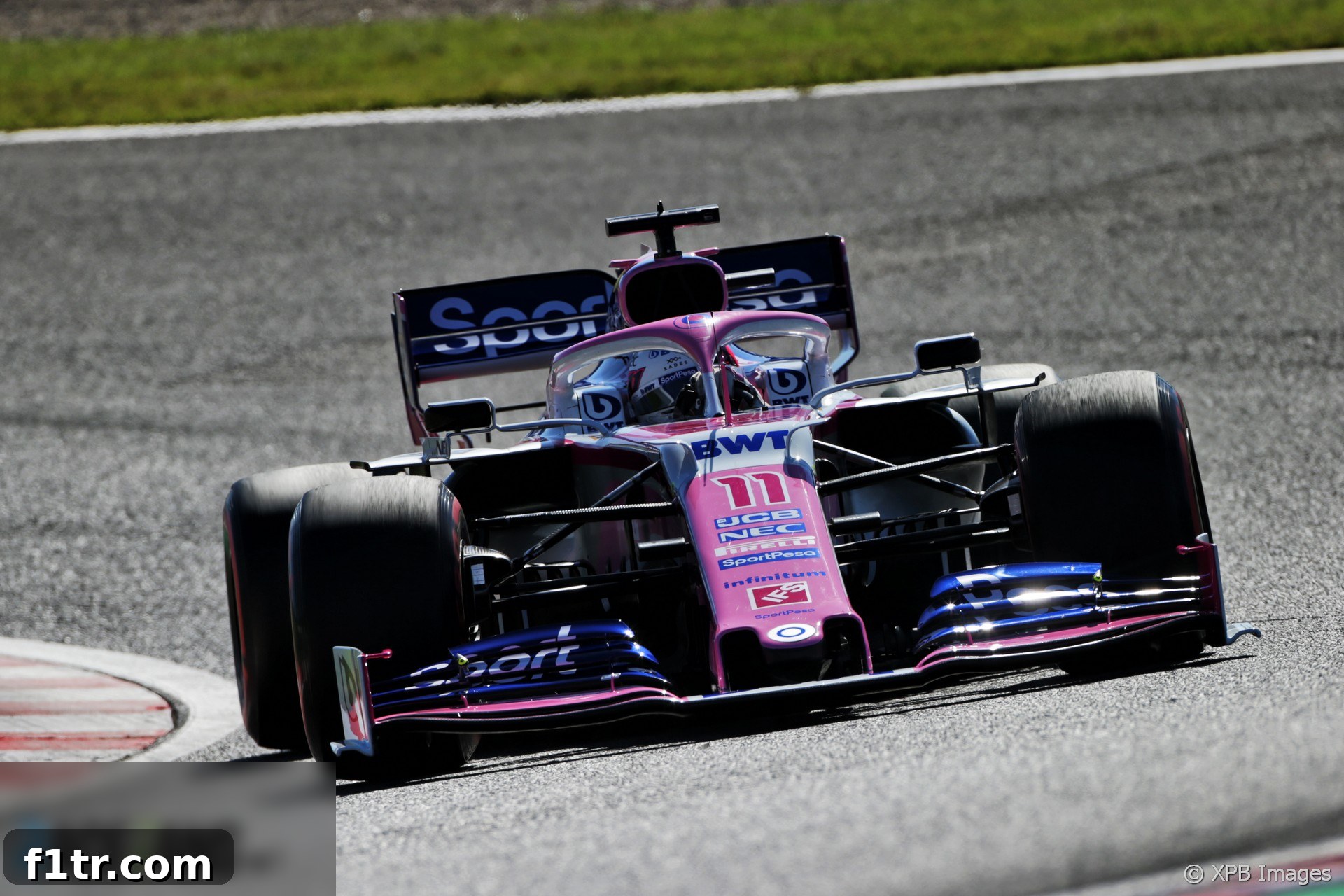
The most direct impact of the premature signal was felt by those drivers whose positions changed between the end of lap 52 and the intended conclusion of lap 53. Sergio Perez, for instance, had been involved in a collision on what should have been the final lap of the race. Under normal circumstances, this incident might have seen him drop out of the points. However, because the results were reverted to lap 52, Perez was officially classified in ninth place, securing two valuable championship points that might otherwise have eluded him.
Conversely, other drivers found themselves losing out. Nico Hulkenberg, who had been provisionally classified in ninth place before the ruling, was bumped down to tenth. This change meant he still scored a point but lost one position. More significantly, Lance Stroll, who had been battling for the final points-scoring position, finished 11th instead of 10th. This single position meant he missed out on scoring a championship point altogether, a crucial outcome in the tightly contested midfield battle of the 2019 Formula 1 season. For teams vying for constructors’ championship positions, even a single point can translate into millions of dollars in prize money, underscoring the weight of such an error.
A History of Errors: Learning from the Past, Yet Repeating Mistakes
The 2019 Japanese Grand Prix incident was not an isolated event but rather echoed a similar controversy from the previous season. The 2018 Canadian Grand Prix saw the chequered flag shown a lap too early, creating confusion among drivers and race control. That particular gaffe involved celebrity flag-waver Winnie Harlow being instructed to wave the flag prematurely, highlighting the vulnerability of manual processes.
Following the 2018 Montreal mishap, the FIA (Fédération Internationale de l’Automobile), the sport’s governing body, introduced a revised regulation for the 2019 season. The primary aim was to eliminate human error associated with the physical chequered flag. The new rule stipulated that the official signal for the end of the race would be a “chequered light panel,” not the traditional flag. This electronic system was intended to provide a definitive and unambiguous signal, synchronized with race control systems.
The FIA Formula 1 Sporting Regulations clearly defined this new protocol:
“A chequered light panel will be the end‐of‐race signal and will be shown at the Line as soon as the leading car has covered the full race distance.”
This part of the regulation aimed to standardize the signal. However, the rule also accounted for potential errors, providing a contingency plan:
“Should for any reason the end‐of‐race signal be given before the leading car completes the scheduled number of laps, or the prescribed time has been completed, the race will be deemed to have finished when the leading car last crossed the Line before the signal was given.”
It was this crucial second clause that came into play at Suzuka. Despite the transition to a more technologically advanced system, an operational error meant the chequered light panel was activated a lap too early. Consequently, race control had no option but to revert to the previous lap’s standings, strictly adhering to the established regulation designed for such eventualities.
The Irony and the Search for Perfection in Race Management
The irony of the 2019 Japanese Grand Prix incident was palpable: a new rule implemented specifically to prevent premature race endings due to human error seemingly resulted in a similar outcome, albeit through an electronic signal malfunction rather than a physical flag being waved too soon. This highlights the complex challenges faced by race control in ensuring flawless execution of regulations, especially under the immense pressure and rapid pace of Formula 1.
The incident served as a stark reminder that while technology can enhance precision, it still requires diligent human oversight and robust backup systems. The integrity of the race results is paramount, not just for the drivers and teams competing for championships, but also for fans, statisticians, and the betting industry. Any ambiguity or error can undermine public confidence in the fairness and accuracy of the sport.
Beyond Suzuka: The Unending Quest for Flawless Race Management
Formula 1 has a rich history filled with dramatic finishes, some of which have been influenced by unforeseen circumstances or controversial decisions. From fuel management issues on the final lap to safety car deployments dictating the race’s conclusion, the end of a Grand Prix can be as unpredictable as the start. The chequered flag, whether physical or digital, represents the ultimate definitive moment – the point at which all competition ceases and the results are sealed.
For fans, such errors can be frustrating, leading to debates about fairness and the efficiency of race operations. For the FIA and race organizers, each incident serves as a critical learning experience. The goal is to continually refine protocols, invest in redundant systems, and enhance training to minimize the possibility of such errors recurring. The aim is to ensure that the thrill of the race is never overshadowed by administrative glitches, and that the sporting integrity remains uncompromised.
The 2019 Japanese Grand Prix’s chequered flag error was a momentary lapse in an otherwise meticulously managed sport. It underscored the ongoing, relentless pursuit of perfection in every aspect of Formula 1, from car design to race day operations. While the specific incident was rectified according to existing rules, it undoubtedly prompted further reviews and strengthened the resolve to prevent similar occurrences in the future, ensuring that the final verdict of a Grand Prix is always beyond reproach.
Related Formula 1 Insights
- Understanding the detailed FIA Sporting Regulations governing race finishes.
- Analysis of significant rule changes in Formula 1 over the past decade.
- The impact of championship points on team standings and financial rewards.
- Historical reviews of controversial moments in Formula 1 history.
- How race control technology has evolved to ensure fairness and accuracy.