Formula 1, often hailed as the pinnacle of motorsport innovation and engineering, consistently pushes the boundaries of automotive technology. As the sport gears up for its groundbreaking 2026 season, new technical regulations are set to redefine power unit architecture, emphasizing sustainability and efficiency. However, even before the new era officially begins, a significant controversy has emerged, prompting the FIA, the sport’s governing body, to intervene with a new testing protocol designed to ensure fair play and adherence to these critical rules.
FIA Introduces New High-Temperature Test Amidst 2026 F1 Power Unit Compression Ratio Debate
The FIA has confirmed its plans to address a contentious issue surrounding Formula 1’s next-generation power units by implementing an additional, more rigorous testing procedure starting in August 2026. This decisive action comes in response to suspicions that at least one prominent engine manufacturer has discovered a method to circumvent a key technical specification outlined in the upcoming 2026 regulations.
The Core of the 2026 Power Unit Regulations: Efficiency and Innovation
The 2026 Formula 1 season marks a transformative chapter for the sport, particularly concerning its power units. The new regulations are designed to foster greater sustainability, increase the electrical component of the power unit, and simplify the internal combustion engine (ICE) design while making it more fuel-efficient. A crucial aspect of these new rules is a strict limit on the engine’s compression ratio, specifically capped at 16:1. This limit is fundamental to the philosophical shift towards efficiency, controlling the peak pressures and temperatures within the engine, and ensuring a more level playing field among manufacturers.
The compression ratio is a vital metric in internal combustion engine design, directly impacting power output and fuel efficiency. A higher compression ratio generally translates to greater thermal efficiency and more power, as it allows the engine to extract more energy from each combustion cycle. Therefore, adhering to the specified 16:1 limit is paramount for maintaining the regulatory intent and preventing any single competitor from gaining an undue performance advantage through engine design.
Unearthing a Potential Technical Loophole: The Temperature Variable
The controversy centers on an alleged ingenious interpretation of the 2026 technical regulations. Reports indicate that at least one engine manufacturer has devised a power unit that, while seemingly compliant with the 16:1 compression ratio limit when measured under cold, ambient conditions, actually exceeds this threshold significantly once the engine reaches its optimal operating temperatures during a race. This temperature-dependent variability in the compression ratio presents a substantial loophole, potentially allowing an engine to deliver greater performance on track than what the static pre-race checks would indicate.
Exploiting such a characteristic could yield a considerable performance boost. As an engine heats up during operation, its components expand. If this expansion is cleverly managed, it could lead to an increase in the effective compression ratio within the combustion chamber. This subtle yet powerful engineering feat could provide an advantage in terms of horsepower and fuel economy, translating directly to quicker lap times and enhanced strategic flexibility during races. The implications for competitive balance are profound, as even a marginal increase in power can be the difference between victory and defeat in the hyper-competitive world of Formula 1.
Mercedes-AMG High Performance Powertrains Under Scrutiny
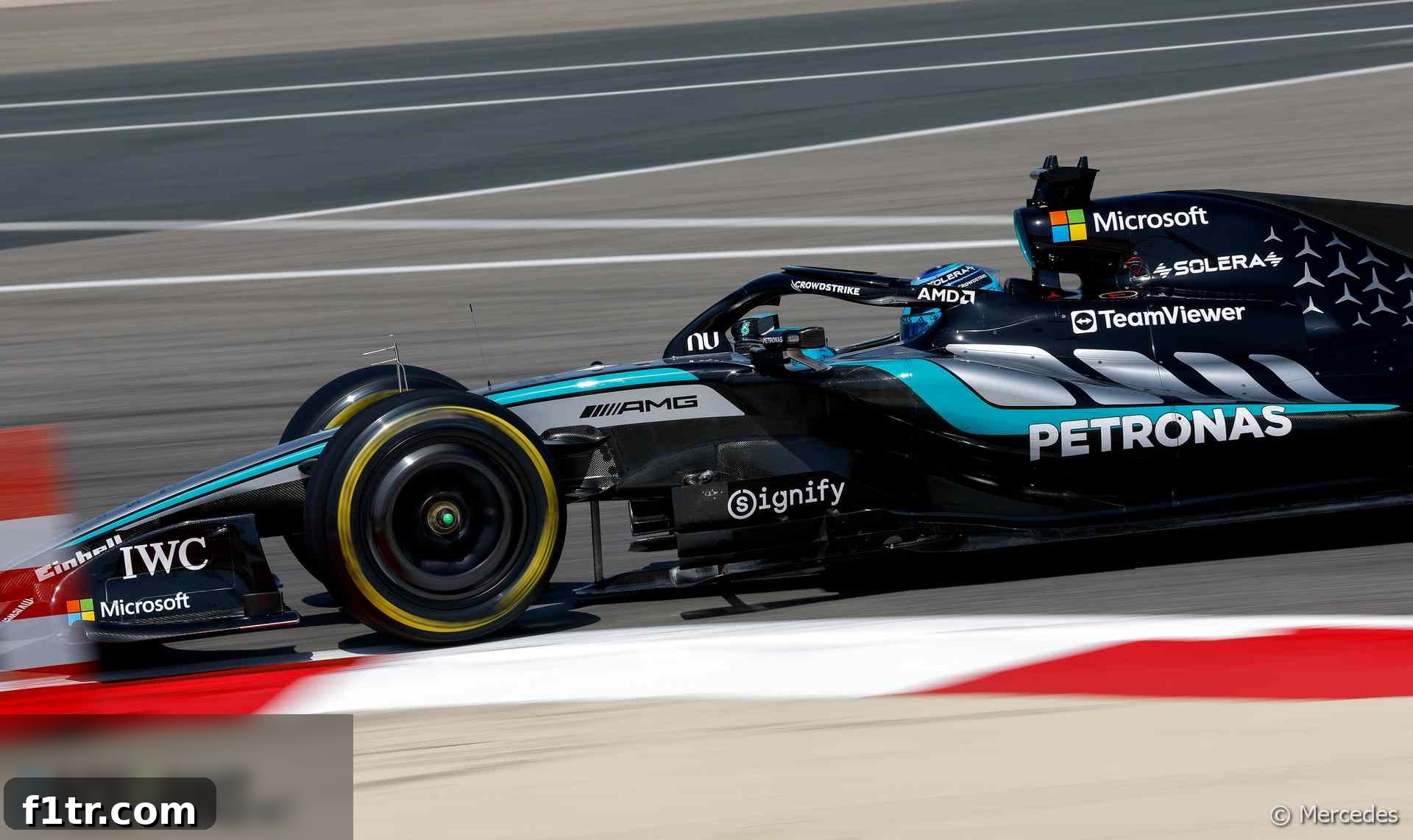
While the FIA’s statement did not explicitly name any manufacturer, industry sources and widespread paddock speculation strongly suggest that Mercedes-AMG High Performance Powertrains is the entity believed to have mastered this sophisticated engineering approach. Mercedes has historically been at the forefront of power unit development in the hybrid era, consistently producing benchmark engines that have powered their own factory team to an unprecedented string of world championships. Their reputation for pushing technical boundaries makes them a natural focal point for such allegations.
If these suspicions prove accurate, the potential performance advantage for Mercedes’ power units in 2026 would be substantial. Beyond their factory team, Mercedes supplies engines to several other prominent outfits, including McLaren, Williams, and Alpine. A superior Mercedes power unit could therefore elevate the performance of a quarter of the Formula 1 grid, potentially shaping the competitive landscape of the 2026 season significantly. This situation underscores the immense pressure on the FIA to act decisively and ensure that all teams operate within the spirit and the letter of the new regulations, maintaining a level playing field for all competitors.
The FIA’s Proactive Response: A New High-Temperature Test
Recognizing the gravity of the situation and the need to uphold the integrity of the sport’s technical regulations, the FIA has taken proactive steps. The governing body intends to introduce a brand-new, more comprehensive testing methodology specifically designed to verify power unit compliance with the 16:1 compression ratio limit at higher, representative operating temperatures. This new test aims to close the identified loophole and ensure that engines maintain their regulatory compliance under real-world racing conditions.
The delay in implementing this new test, however, has raised some eyebrows. The new protocol will not come into force until after the 14th round of the extensive 24-race 2026 season. This means that if any manufacturer has indeed found a way to exploit the current testing methods, they could potentially benefit from this technical advantage for the first half of the season. While the FIA is acting to correct the issue, the timing raises questions about the competitive implications for those initial races and how any early gains might impact championship battles.
Collaborative Development and Regulatory Process
In a recent statement, the FIA elaborated on the collaborative nature of its approach: “Over recent weeks and months, the FIA and the power unit manufacturers have collaboratively developed a methodology to quantify how the compression ratio changes from ambient to operating conditions.” This indicates a shared effort across the technical landscape of Formula 1 to address a complex engineering challenge. Following the validation of this new approach, a proposal has been formally submitted. This proposal mandates that “from 1st August 2026, compliance with the compression ratio limit must be demonstrated not only at ambient conditions, but also at a representative operating temperature of 130°C.”
This collaborative development process, involving all key stakeholders, is crucial for fostering consensus and ensuring the practicality and fairness of new regulations. By working together, the FIA and manufacturers can refine testing procedures that accurately reflect real-world performance parameters. The specification of 130°C as a representative operating temperature is a critical detail, as it provides a concrete and measurable benchmark for compliance, removing any ambiguity from the testing process. This commitment to precise, verifiable standards is essential for maintaining trust and transparency within the sport.
Navigating the Regulatory Landscape: Vote and Approval
The proposed amendment to the technical regulations is currently undergoing a formal review process. “The vote has been submitted to the power unit manufacturers,” the FIA stated, “and its outcome is expected within the next 10 days and will be communicated in due course.” This voting mechanism allows all manufacturers a say in the final adoption of the new rule, reflecting the democratic principles often employed in Formula 1’s governance. Gaining the consensus of rival manufacturers is often a complex task, especially when rule changes could impact competitive standing.
Furthermore, as with all significant regulatory changes in Formula 1, any amendment ultimately remains subject to the final approval by the FIA World Motor Sport Council (WMSC). The WMSC is the supreme legislative body within the FIA, responsible for approving all regulations across motorsport disciplines. Their endorsement is the final step in solidifying the new test as a binding part of the 2026 technical specifications, ensuring that the decision carries the highest level of authority and legitimacy.
Timeline and Impact on the 2026 Season
Should the rule successfully pass through the manufacturer vote and receive the WMSC’s final approval, it is slated to come into force on August 1st, 2026. This means the first Grand Prix where the new high-temperature compression ratio test will be actively enforced will be the Dutch Grand Prix, scheduled for August 23rd. The Zandvoort race is historically the first event after Formula 1’s traditional summer break, making it a significant juncture in the season.
The mid-season introduction of such a critical technical test carries considerable implications. Teams that might have gained an advantage in the initial races of the season through exploiting the temperature-dependent compression ratio could see their performance curtailed from the Dutch Grand Prix onwards. This could lead to a significant reshuffling of the competitive order in the latter half of the season, adding an unpredictable element to the 2026 championship battle. It also means that teams will have to adapt their engine development strategies on the fly, demonstrating agility and engineering prowess throughout what promises to be a demanding inaugural year for the new regulations.
The Ongoing Debate: “Spirit of the Rules” vs. “Letter of the Rules”
The issue has already been a subject of extensive debate within the Formula 1 paddock, touching upon the perennial conflict between the “spirit of the rules” and the “letter of the rules.” Mercedes, while under scrutiny, has consistently maintained that its power units fully comply with the regulations “as written.” This stance highlights a common phenomenon in F1 where engineers meticulously scrutinize every word of the rulebook, seeking any interpretation that allows for innovative, performance-enhancing solutions, even if they appear to bend the underlying intent of the regulation.
The debate gained further traction following recent testing at the Bahrain International Circuit, where Mercedes set the quickest lap time. This strong performance, though in testing, naturally fueled speculation and lent credibility to the whispers of a potential power unit advantage. For Mercedes, compliance “as written” is their legal and ethical defense, emphasizing that any advantage gained is a result of superior engineering within the established framework, rather than an explicit violation. This distinction is vital in Formula 1, where ingenuity is celebrated, but rule-breaking is met with severe penalties.
Upholding Fair Competition and Technical Integrity in Formula 1
The FIA’s swift action underscores its unwavering commitment to ensuring fair competition and preserving the technical integrity of Formula 1. In a sport where fractional differences in performance can determine championships, maintaining a level playing field is paramount. This incident serves as a stark reminder of the constant cat-and-mouse game between regulators and engineers, where the pursuit of ultimate performance often pushes the boundaries of interpretation.
The resolution of this compression ratio debate will be critical not only for the fairness of the 2026 season but also for setting a precedent for how future technical interpretations and potential loopholes will be handled. It reinforces the FIA’s role as the ultimate arbiter, tasked with balancing innovation, competitive equality, and the long-term health and credibility of Formula 1. As the sport moves towards its ambitious 2026 vision, transparent and robust technical enforcement will be key to a successful new era.