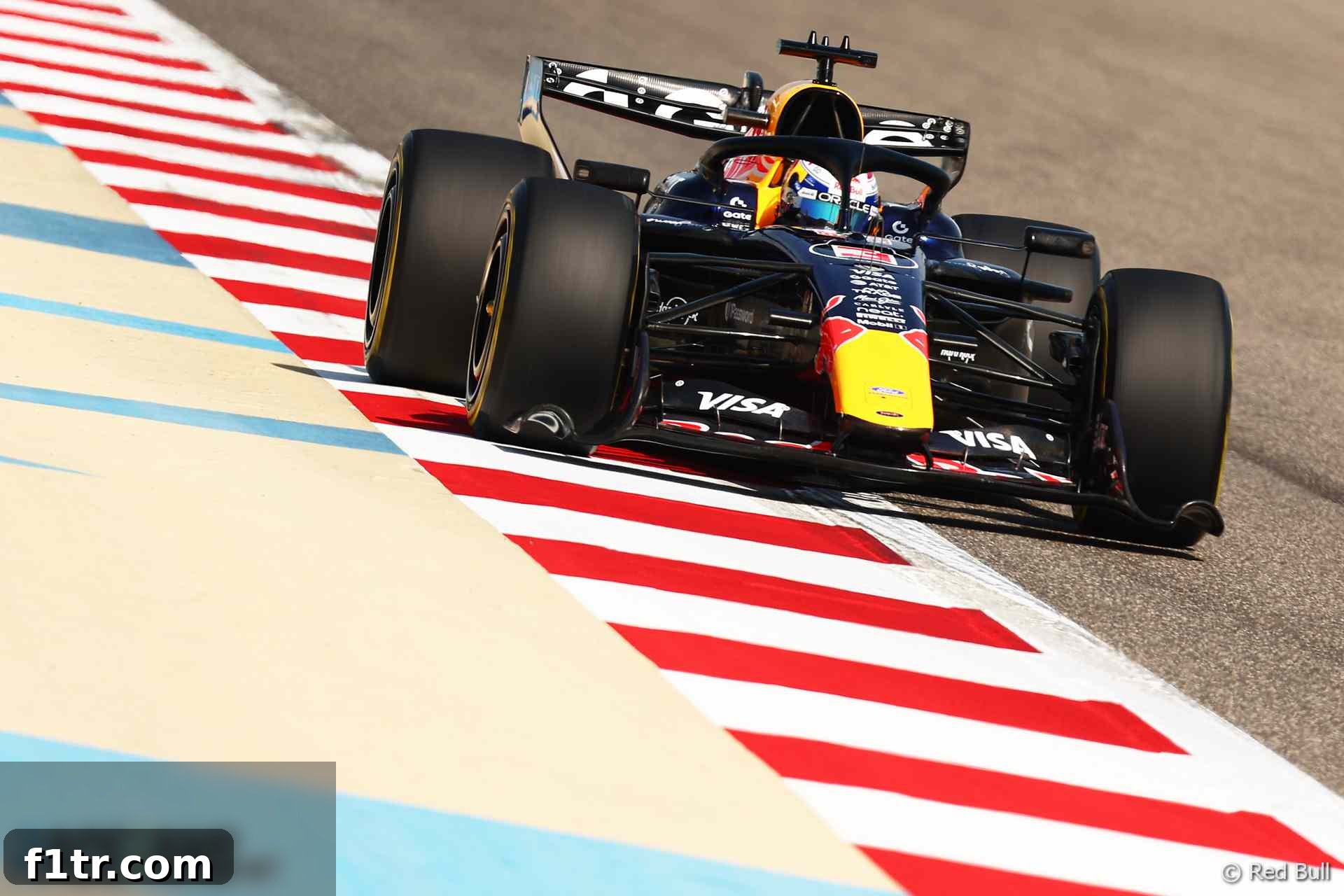
FIA Maintains Course on 2026 Formula 1 Regulations Amidst Initial Driver Feedback
The highly anticipated 2026 Formula 1 season is poised to introduce a new era of technical regulations, promising significant shifts in car design, power unit dynamics, and ultimately, the racing spectacle. However, initial pre-season testing has already sparked lively debate and some concerns among the sport’s most prominent drivers. Despite this early feedback, the FIA has announced its decision not to implement any immediate, sweeping changes to these crucial regulations.
In a recent meeting of the influential Formula 1 Commission, key stakeholders discussed the initial observations and concerns emerging from the testing phase. While some “refinements” to the 2026 rules were agreed upon and are now awaiting approval from the World Motor Sport Council, the consensus was firmly against making any major alterations in the short term. This strategic decision underscores the FIA’s commitment to a carefully planned regulatory framework, prioritizing stability and thorough data analysis over reactive adjustments.
The FIA’s Stance: A Measured Approach to Regulatory Evolution
Explaining their position, the FIA released a statement highlighting the inherent nature of introducing such significant regulatory overhauls. “In common with the introduction of such significant regulatory changes, there are still collective learnings to be taken from pre-season testing,” the governing body stated. This perspective emphasizes that the development of new regulations is an iterative process, requiring continuous evaluation and adaptation as more data becomes available from real-world testing scenarios.
The statement further detailed the collaborative spirit driving this process. “As a group – the teams, the power unit manufacturers, FIA and Formula One Management (FOM) – there was a commitment to work through all technical aspects ahead of the opening race of the 2026 season in Melbourne next month.” This collaborative ecosystem is vital for ensuring that the regulations are robust, fair, and achieve their intended objectives for the future of Formula 1. Constructive discussions, spurred by a comprehensive driver survey instigated by the FIA, covered a wide array of critical topics. These included overall car characteristics, the intricate balance of energy and power unit performance, aerodynamic implications, the potential impact on overtaking and racing dynamics, as well as the behavior of tyres and mechanical grip under the new specifications.
The FIA’s decision to avoid immediate major changes is rooted in a pragmatic assessment of the data collected thus far. It was explicitly agreed that “no immediate major regulatory changes were required given that [the] initial evidence and feedback remains immature and that premature change carried the risk of increased instability ahead of the first race.” This cautious approach seeks to prevent a domino effect of unintended consequences that could arise from hasty alterations, ensuring a more stable and predictable environment for teams as they continue their development work towards the 2026 season.
Driver Feedback: Balancing Innovation with Experience
The feedback from Formula 1 drivers has been a crucial component in this initial evaluation phase. High-profile figures such as three-time world champion Max Verstappen and seven-time world champion Lewis Hamilton have voiced concerns regarding the extensive energy saving requirements mandated by the new generation of cars. The 2026 power units are designed to feature a significantly increased electrical component, shifting the balance of power generation and recovery. While this move aligns with F1’s sustainability goals and technological ambitions, drivers are wary of its potential impact on their ability to push flat-out and engage in close, sustained wheel-to-wheel racing.
The intricate dance of energy deployment and recovery is expected to become an even more critical strategic element, potentially leading to scenarios where drivers might need to manage their energy levels more aggressively than in current regulations. This could fundamentally alter the racing spectacle, prompting concerns about the flow and excitement of races. Drivers are key to the sport’s appeal, and their perception of how the cars handle and perform is paramount. The challenge for the FIA and power unit manufacturers is to refine these systems to ensure that the increased electrical power enhances, rather than detracts from, the driving and racing experience.
However, the feedback wasn’t entirely negative. There were notable positive observations that underscore the progressive aspects of the new regulations. “Positive feedback from drivers was received on the reduced weight and smaller dimensions of the 2026 cars,” the FIA confirmed. The push for lighter and more compact cars has long been a desire within the paddock, aiming to make the cars more agile, responsive, and better suited for dynamic racing on a variety of circuits. Drivers “generally agreed that the new car exhibited improved ride quality and stronger initial acceleration,” indicating that the fundamental driving experience in certain aspects has been enhanced. This lighter, more nimble philosophy is expected to improve maneuverability and potentially open up more diverse racing lines, contributing to a more engaging competition.
Addressing Specific Concerns: The Standing Start Dilemma
Beyond the broader discussion on energy management, the FIA is also taking a proactive stance on specific safety-related concerns raised by some teams. A particular area of focus is the potential increased risk during standing starts under the new regulations. The initial phase of a Grand Prix, where all cars launch from a standstill, is one of the most thrilling and dangerous moments in racing. Any changes to power unit characteristics, energy deployment, or car behavior could introduce unforeseen challenges or elevate existing risks.
Recognizing the gravity of this concern, the FIA stated, “There were constructive talks and proposals centred on the race start procedure during the commission meeting.” The governing body’s commitment to driver safety and fair competition means that such critical operational aspects cannot be overlooked. As a direct result of these discussions, “further evaluation of updates to race systems and on-car management will be undertaken during the current Bahrain test.” This focused assessment aims to identify any potential vulnerabilities in the race start procedure and to develop robust solutions that ensure both safety and the integrity of the competition as the new cars make their debut.
The Road Ahead: Data, Evaluation, and Continuous Improvement
The current pre-season testing in Bahrain serves as a crucial proving ground for the initial concepts and designs of the 2026 regulations. Over the following days, the FIA and teams will intensify their efforts in “further evaluation and technical checks on energy management matters.” This period is vital for gathering comprehensive data, allowing engineers and strategists to understand the intricate dynamics of the new power units and aerodynamic packages. The aim is to move from anecdotal feedback to quantifiable data, providing a solid foundation for any future adjustments.
The iterative process of regulation development in Formula 1 is a testament to the sport’s constant pursuit of perfection. While immediate major changes are off the table, the door remains open for future refinements. “Further reviews will be carried out once more data becomes available,” confirming a dynamic approach where regulations can evolve based on empirical evidence. This ensures that the long-term vision for F1, encompassing greater sustainability, more competitive racing, and technological relevance, is achieved without compromising immediate operational safety or the quality of the spectacle.
The balance between pushing technological boundaries and preserving the essence of racing is delicate. The 2026 regulations represent a significant step towards a more sustainable and technologically advanced Formula 1. The initial feedback, both positive and challenging, is an integral part of this journey. The FIA’s commitment to a measured, data-driven approach, coupled with ongoing collaboration with teams and power unit manufacturers, is essential to successfully navigate the complexities of this transition. As the countdown to the 2026 season continues, the focus remains firmly on continuous learning, refinement, and ensuring that the future of Formula 1 is as thrilling and competitive as ever.
Further Reading & Related Articles on Formula 1
Explore more insights and discussions surrounding the world of Formula 1:
- GT driver killed in multi-car crash at Nurburgring Qualifiers
- Should F1 change tracks or racing guidelines to tackle dangers in 2026 rules?
- Controversies, Norris, Newey and more: Five new motorsport books reviewed
- One of F1’s greatest races happened 15 years ago today. Or did it?
- “Overtaking is overtaking”: Domenicali denies F1’s yo-yo racing is “artificial”
Browse all Formula 1 articles