FIA Cracks Down on ‘Clone Cars’: Shaping the Future of F1 Design and Innovation
In a significant move poised to redefine Formula 1 car development, the sport’s governing body, the FIA, has issued a stern warning: extensive copying of rivals’ car designs will no longer be tolerated. This decisive action is a direct response to the highly contentious Racing Point case, which saw the team heavily penalised for replicating elements of Mercedes’ brake ducts during the 2020 season. The new regulations, set to be introduced for the 2021 F1 season, aim to encourage genuine innovation and ensure a diverse array of car designs on the grid.
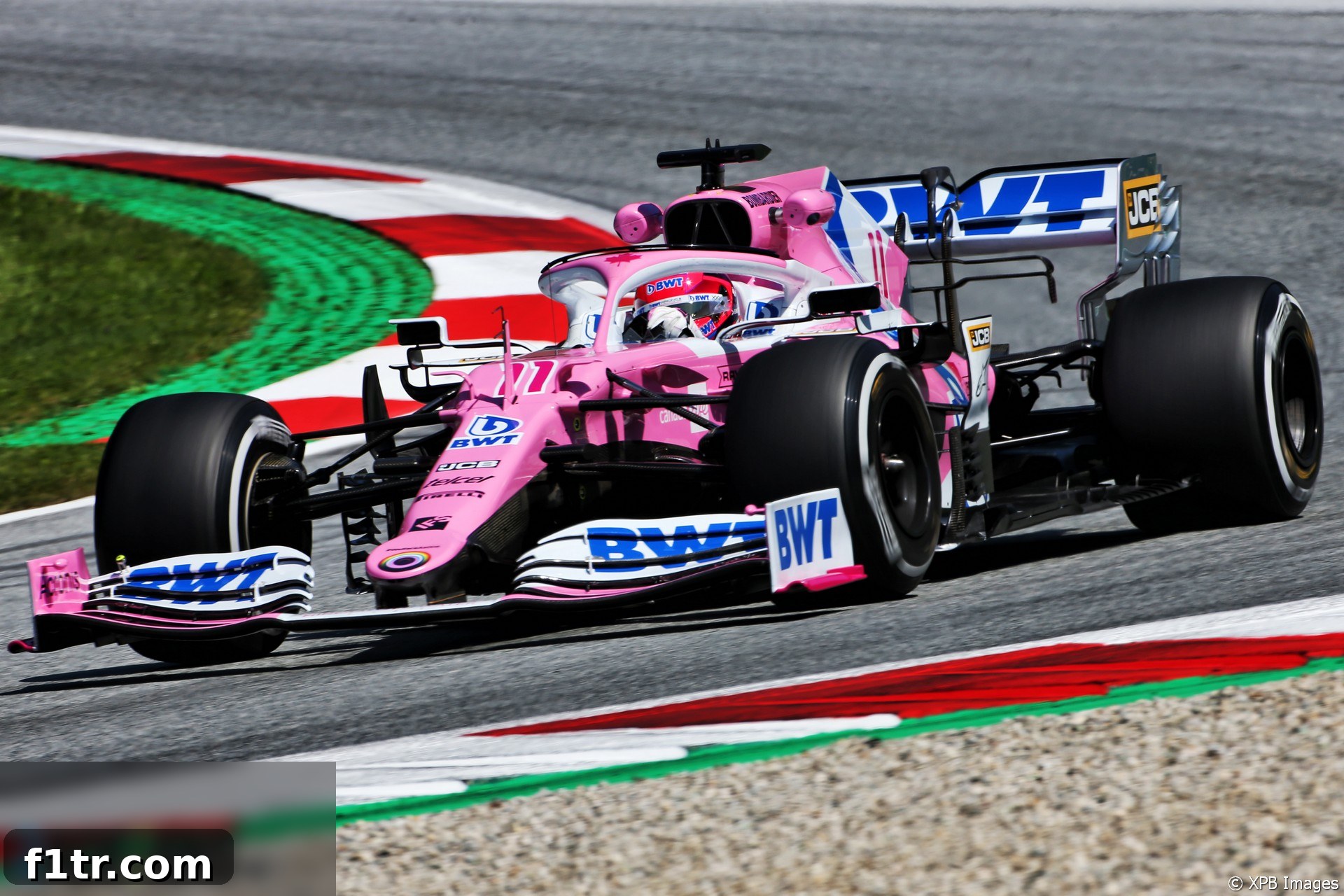
The controversy surrounding the Racing Point team’s 2020 car, widely dubbed the “Pink Mercedes,” brought the issue of design replication to the forefront of Formula 1. The striking visual resemblance of the RP20 to the championship-winning 2019 Mercedes W10 ignited fierce debate about the ethics, legality, and spirit of design in a sport built on technological advancement and unique engineering prowess.
The Racing Point Precedent: A Catalyst for Regulatory Reform
The focal point of the controversy was the design of Racing Point’s brake ducts. Following a formal protest lodged by Renault, a thorough investigation by the FIA stewards largely upheld the claim, concluding that Racing Point had indeed violated sporting regulations. As a consequence, the team faced a substantial penalty: a 15-point deduction in the Constructors’ Championship and a significant fine of £360,000.
The specific ruling highlighted a critical nuance in F1 regulations. While Racing Point had legally obtained the CAD data for the Mercedes brake ducts in 2019, when these components were not considered “listed parts” (meaning they could be sourced externally), the rules changed for 2020. Brake ducts became listed parts, requiring teams to design them independently. The FIA found that Racing Point’s continued use and development of the designs, rather than creating their own from scratch for the 2020 season, constituted a breach.
This incident served as a potent catalyst, compelling the FIA to reconsider its broader stance on design independence. While the penalty addressed the immediate regulatory infraction, the underlying concern was that Racing Point’s design methodology represented a fundamental challenge to the sport’s core values of innovation and fair competition. The case brought to light a potential loophole in existing regulations, prompting the FIA to declare its intention to implement broader changes to prevent similar approaches in the future.
FIA’s Philosophical Shift: Protecting the Essence of F1 Innovation
Nikolas Tombazis, the FIA’s head of single-seater matters, articulated the governing body’s deep concerns regarding Racing Point’s design philosophy. He acknowledged that “copying has been taking place in Formula 1 for a long time,” with teams routinely employing methods like extensive photography and reverse engineering to study rivals’ cars, seeking inspiration, or adapting successful concepts. This form of competitive intelligence, Tombazis conceded, is an inherent and arguably unavoidable aspect of Formula 1 and is unlikely to cease entirely.
However, Tombazis emphasized that Racing Point had taken this practice “to another level,” enacting what he described as a “paradigm shift.” He explained that the team had “used a disruption in the process that has been the norm of designing a Formula 1 car in the last 40 years.” This was not merely about replicating an isolated component; it was about adopting a comprehensive design strategy aimed at largely replicating the entire philosophical concept of a competitor’s car. While Tombazis noted that Racing Point shouldn’t be penalised for their originality in deciding to follow this approach, the FIA views it as an unwelcome direction for the sport.
The FIA’s primary worry is the potential for such practices to dilute the very essence of Formula 1 as the pinnacle of engineering and design innovation. Tombazis issued a stark warning: “We do not want next year to have eight or 10 copies of Mercedes on the grid, where the main skill becomes how you do this process. We don’t want this to become the norm of Formula 1.” This statement clearly outlines the FIA’s commitment to ensuring that teams primarily focus on developing their own unique design solutions, rather than excelling at replicating others’ work. The future vibrancy of the sport, according to the FIA, relies on maintaining a diverse grid of genuinely independent and innovative car designs.
Charting the Course for 2021: New Regulations and Enforcement
To proactively address the potential for widespread “clone cars,” the FIA is rapidly drafting and implementing new regulations for the upcoming 2021 F1 season. These critical amendments to the sporting regulations are specifically designed to establish clear boundaries and stringent prohibitions against the type of extensive copying exemplified by the Racing Point case.
Tombazis confirmed that the revised rules “will prevent teams from using extensive parts of photos to copy whole portions of other cars in the way that Racing Point has done.” This implies a significant tightening of the rules governing how teams gather and utilize competitive intelligence from their rivals’ designs. While the precise definitions of “extensive parts” and “whole portions” are still being finalised, the unequivocal intent is to discourage any design philosophy that heavily relies on replicating large, integrated sections or the fundamental aerodynamic concept of a competitor’s car.
Distinguishing Inspiration from Direct Replication
Crucially, the FIA is striving to maintain a sensible balance. The new regulations will still “accept individual components to be copied in local areas.” This distinction is paramount: a team may legitimately analyze an innovative wing mirror design or a specific diffuser geometry from a competitor and then develop its own interpretation or adaptation of that concept. Such practices are considered healthy competition and a natural driver of engineering evolution in F1.
However, the line is firmly drawn when “the whole car is to be fundamentally a copy of another car.” This signals an unacceptable deviation from the sport’s principles, as it undermines the originality and investment in research and development that should characterize each constructor’s entry. The FIA’s message is clear: while inspiration is welcome, outright duplication of entire car philosophies is not.
The FIA intends to release detailed guidance and the exact wording of these new rulings in the coming weeks. This proactive communication aims to provide maximum clarity to teams, allowing them ample time to adjust their design and development processes for the next season. The message from the governing body is unambiguous: “We want to give a very strong message to teams that they should not be starting doing that now for next year’s car, because that will simply not be allowed.”
The Challenge of “Unlearning” Acquired Knowledge
Acknowledging the practical realities of Formula 1 engineering and the vast accumulation of data, Tombazis conceded that teams cannot realistically “unlearn” knowledge they have already acquired about rivals’ cars. He stated, “It will be, of course, accepted that teams, whatever they have now in the 2020 cars, they are not supposed to delete it or start afresh because that’s never how it works.” This pragmatic approach means that while teams cannot actively *design* new cars based on extensive copying of competitor intellectual property, they are not expected to erase existing data or knowledge bases. Instead, the focus will be on the *process* of future design and the *provenance* of new components, ensuring that developments stem from genuine internal research and development rather than direct replication.
A History of Mimicry: Copying in Formula 1’s Past
Copying, in various nuanced forms, has always been an inherent aspect of the highly competitive world of Formula 1. Teams continuously monitor their rivals, seeking to understand successful concepts and adapt them to their own designs. From meticulously studying aerodynamic solutions on track to scrutinizing gearbox packaging or suspension geometries, designers have historically drawn inspiration from championship-winning cars.
Traditionally, this often involved extensive photography, analysis of publicly available technical drawings, and reverse engineering components or entire philosophies through painstaking observation and deduction. Famous examples abound, ranging from teams emulating the dominant ground effect cars of the early 1980s to adapting the revolutionary double diffuser concept pioneered by Brawn GP in 2009. In these instances, the replication was often a testament to the ingenuity of engineers who could dissect a rival’s innovation and then develop their own, albeit similar, solution through independent R&D.
However, rapid technological advancements in data acquisition, laser scanning, computational fluid dynamics (CFD), and digital design tools have dramatically increased the potential for direct, precise, and extensive replication. This escalation in capability is precisely what the FIA now seeks to address. The Racing Point case highlighted a critical juncture where traditional methods of “inspiration” arguably crossed into direct duplication enabled by modern techniques, pushing the boundaries of what was previously considered acceptable within the sport’s competitive framework.
The Future Landscape of F1 Design and Innovation
These new regulations are poised to significantly reshape the future landscape of Formula 1 car design. For smaller teams, who have often relied on understanding and adapting the approaches of top teams to accelerate their own development curves, the rules will necessitate a greater investment in internal research and development and the cultivation of a more distinct design philosophy. While this might present an initial challenge in terms of resources, it ultimately encourages greater self-sufficiency and genuine innovation across the entire grid.
The FIA’s firm stance reaffirms Formula 1’s commitment to being the ultimate proving ground for cutting-edge automotive engineering. By effectively mandating that teams produce designs that are substantially their own, the sport aims to prevent a homogenization of car performance and aesthetics. This ensures that the primary battle remains one of engineering creativity, efficiency, and original thought, rather than a contest of who can most effectively copy a rival’s solutions. It’s a move to safeguard the intellectual property of individual teams and foster an environment where ground-breaking breakthroughs in design are truly celebrated and rewarded.
Ultimately, the evolution of these regulations reflects the sport’s continuous effort to balance intense competition with the fundamental principles of fair play and innovation. As teams meticulously prepare for the 2021 season and beyond, the emphasis will firmly be on originality, challenging engineers to push the absolute boundaries of design within a framework that champions unique thinking and genuine engineering excellence.
Conclusion: Safeguarding F1’s Core Identity
The FIA’s resolute stance against “clone cars” marks a pivotal moment for Formula 1. Triggered by the Racing Point controversy, these new sporting regulations for 2021 and future seasons send a clear and unambiguous signal: the sport will continue to be a crucible of innovation, demanding that teams cultivate their own distinct engineering identities rather than extensively mirroring others.
Nikolas Tombazis and the FIA’s leadership are determined to maintain Formula 1 as the pinnacle of motorsport engineering, where success is earned through original design, ingenuity, and a relentless pursuit of unique aerodynamic and mechanical solutions. While the inherent challenge of precisely defining and consistently enforcing “originality” in such a technologically advanced and competitive environment will be an ongoing endeavor, these new rules aim to draw a clearer line in the sand. They represent a crucial step towards ensuring a more diverse, innovative, and ultimately more captivating spectacle for fans worldwide, meticulously preserving the core identity of Formula 1 for generations to come.