The global motorsport community, spearheaded by the Fédération Internationale de l’Automobile (FIA), finds itself at a critical juncture, meticulously monitoring the rapidly evolving coronavirus epidemic that originated in China. With widespread concerns over public health and safety, the FIA has indicated its readiness to implement significant changes to its eagerly anticipated motor racing calendar, a measure that could potentially include prestigious events such as Formula 1 and Formula E.
FIA Weighs Calendar Changes Amidst Coronavirus Outbreak: Formula 1 and Global Motorsport Under Scrutiny
The outbreak, believed to have originated in the city of Wuhan, Hubei province, has rapidly escalated into a major public health crisis. As of the time of initial reports, China had confirmed over 7,000 cases spread across the nation, with a reported 170 deaths attributed to the virus. In an unprecedented move to contain the pathogen’s spread, Wuhan and several other cities have been placed under strict lockdown, severely restricting travel and daily life for millions.
The FIA’s Official Stance and Commitment to Safety
In response to the escalating health concerns, the FIA issued a definitive statement underscoring its proactive approach. “Following the coronavirus epidemic that broke out in China at the beginning of the year, the FIA is closely monitoring the evolving situation with relevant authorities and its member clubs, under the direction of FIA Medical Commission President, Professor Gerard Saillant,” the statement affirmed. This highlights the federation’s reliance on expert medical advice and close collaboration with international health organizations and local authorities to assess the risks thoroughly.
The statement further elaborated on the FIA’s commitment to prioritizing safety: “The FIA will evaluate the calendar of its forthcoming races and, if necessary, take any action required to help protect the global motor sport community and the wider public.” This commitment signifies that no event, regardless of its prestige or financial implications, will take precedence over the health and well-being of competitors, team personnel, support staff, spectators, and the broader populations of host nations. Such an evaluation process involves complex considerations, balancing the desire to proceed with scheduled events against the imperative to prevent further transmission of the virus.
Immediate Motorsport Events Under Threat in China
Several high-profile motorsport events are slated to take place in China in the coming months, placing them squarely under the FIA’s watchful eye. Among these, the Formula E Sanya E-Prix is scheduled for March 21st. Sanya, a popular resort city located on Hainan Island, lies approximately 700 kilometers south of Wuhan. While geographically distant from the epicenter, the sheer scale of the outbreak and the restrictions on travel within China pose significant logistical and safety challenges for an international event of this magnitude.
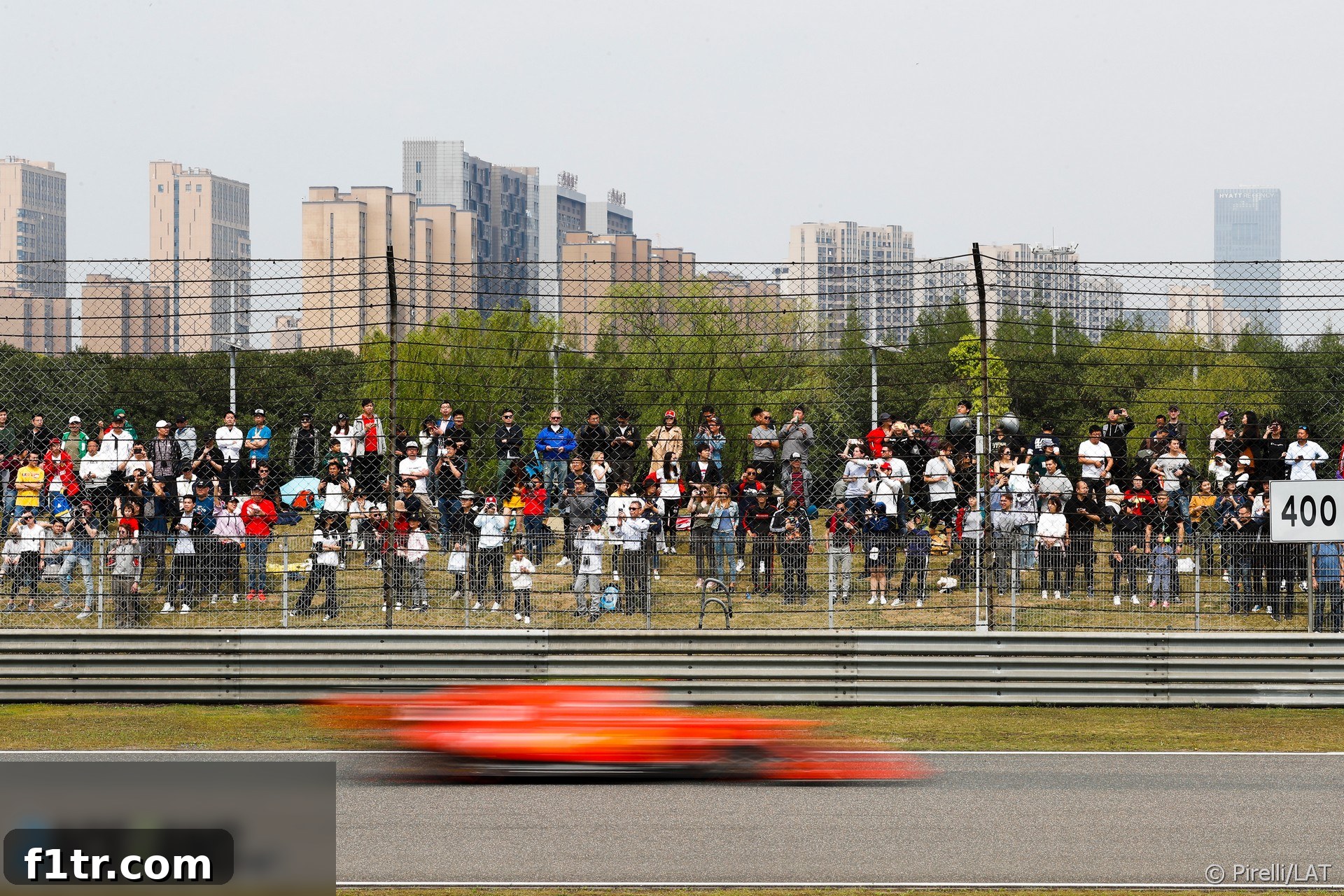
Perhaps the most prominent event facing potential disruption is the Formula 1 Chinese Grand Prix. This flagship event on the Formula 1 calendar is set to be held at the iconic Shanghai International Circuit from April 17th to 19th. Shanghai, a bustling metropolis, is situated roughly 500 kilometers east of Wuhan. The organization of a Formula 1 Grand Prix is a monumental undertaking, requiring thousands of international personnel, intricate logistical planning for equipment and team members, and the assembly of large crowds. The potential for the virus to impact these aspects, or indeed the ability of teams and fans to travel safely, remains a serious concern for organizers and the FIA.
Beyond Formula 1 and Formula E, other FIA-sanctioned races in China are also being monitored. Shanghai is scheduled to host various GT races later in the year, and the World Touring Car Cup (WTCR) is due to visit Ningbo in September. These events, though perhaps less globally prominent than Formula 1, represent vital components of the international motorsport landscape and involve significant travel and gathering of people. The ripple effect of any calendar changes could therefore extend across multiple categories of racing.
Broader Sporting Impact and International Concerns
The threat posed by the coronavirus is not confined to motorsport alone. The article highlights that other international sporting bodies have already taken drastic measures, providing a precedent for the FIA’s considerations. The International Ski Federation, for instance, cancelled the downhill and super-G races that were scheduled for February 15th and 16th in Yanqing, China. Similarly, the World Indoor Athletics Championship, which was planned for March 13th to 15th in Nanjing, has been postponed by a full year. These cancellations and postponements underscore the gravity of the situation and the unified approach by global sporting organizations to prioritize health over sporting schedules.
Adding another layer of complexity, the potential for the virus to spread beyond China’s borders is a significant and growing concern. This geographical risk directly impacts other upcoming motorsport events. The city of Hanoi, Vietnam, for example, is due to host its inaugural Formula 1 Grand Prix on April 5th. Hanoi lies in close proximity to Vietnam’s northern border with China, raising anxieties about potential transmission risks for participants and spectators traveling to or from the region. A new race on the calendar, the Vietnam Grand Prix represents a significant investment and a landmark event for the country, making any disruption particularly impactful.
Historical Precedent: When Races Don’t Go Ahead
While calendar changes due to health crises are rare in motorsport, the sport has faced cancellations and postponements for other reasons in the past. The article references the last time a scheduled Formula 1 race did not proceed for reasons other than contractual disputes: the 2011 Bahrain Grand Prix. This season-opening race was initially postponed and later outright cancelled due to serious security concerns. A month-long protest in the capital was forcibly suppressed, leading to widespread civil unrest that made hosting a major international event untenable.
The circumstances surrounding the 2011 Bahrain Grand Prix provide a valuable historical parallel. Although the triggers – political unrest versus a public health epidemic – are vastly different, the outcome demonstrates the FIA’s willingness to make difficult decisions when faced with credible threats to the safety of its participants and the public. Such decisions are never taken lightly, given the immense financial and logistical commitments involved in Formula 1. The 2011 precedent reinforces the notion that the FIA’s current evaluation of the Chinese Grand Prix and other events is driven by genuine and profound concerns rather than minor logistical hurdles.
Logistical and Economic Implications of Potential Changes
The prospect of postponing or cancelling a Formula 1 Grand Prix, or indeed any major international motorsport event, carries significant logistical and economic ramifications. Formula 1 teams operate with meticulously planned global logistics, shipping vast quantities of equipment, spare parts, and cars across continents. Thousands of team personnel, media representatives, and support staff travel internationally for each race. Any last-minute changes to the schedule would necessitate a complete overhaul of these complex arrangements, leading to substantial additional costs and operational headaches for all involved.
Economically, host cities and national promoters invest immense sums in securing and staging these events, hoping for a significant return through tourism, local spending, and global media exposure. Cancellations or postponements can result in substantial financial losses for these stakeholders, as well as for sponsors, broadcasters, and the sport itself. The interconnected nature of the motorsport ecosystem means that disruption in one area can have a cascading effect throughout the entire industry. Furthermore, the sport’s reputation and its ability to attract future investments could be impacted by perceived risks in certain regions or an inability to manage unforeseen global crises effectively.
Protecting the Global Motorsport Community and Beyond
Ultimately, the FIA’s primary responsibility extends beyond merely organizing races; it encompasses the safeguarding of everyone involved in motorsport and contributing to broader public health efforts. The ongoing consultations with relevant authorities, including medical experts and government agencies, are crucial in making informed decisions based on the most up-to-date scientific and epidemiological information. The FIA’s Medical Commission, led by Professor Gerard Saillant, plays a pivotal role in these assessments, providing the necessary expertise to evaluate the risks posed by the coronavirus.
The decisions that will be made in the coming weeks and months regarding the motorsport calendar will reflect a careful balance between sporting integrity, commercial considerations, and the paramount importance of health and safety. The situation remains fluid, and the FIA, alongside its member clubs and event organizers, will continue to adapt its plans as new information emerges. The message is clear: while the thrill of motorsport is undeniable, the well-being of the global community must always take precedence, even if it means altering a highly anticipated racing schedule.