FIA Reminds F1 Teams: Pit Wall Fence Climbing Strictly Prohibited for Safety
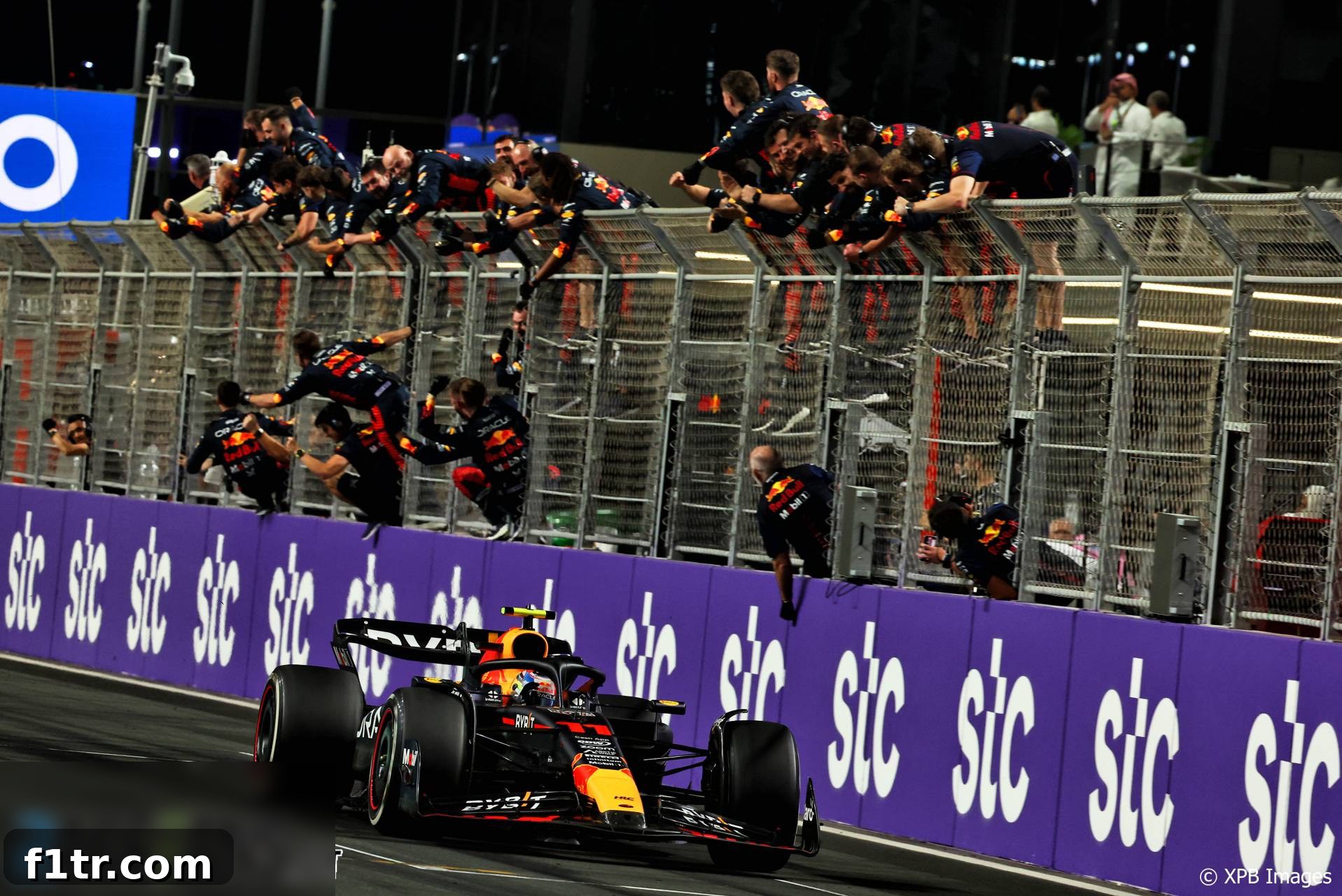
Formula 1, a sport synonymous with speed, precision, and high-octane drama, also thrives on moments of intense emotion and celebration. The sight of team personnel erupting in joy, often scaling the catch fencing along the pit lane, has become an iconic image marking a driver’s victory or a championship triumph. However, behind the scenes of these passionate displays lies a strict regulatory framework designed to ensure safety in one of the most dangerous environments in sports. Recently, FIA Formula 1 Race Director Niels Wittich has reiterated a long-standing prohibition, reminding all teams that allowing personnel to climb the pit wall fence is forbidden under the International Sporting Code.
This reminder underscores the FIA’s ongoing commitment to safety and the consistent application of rules, even in the euphoria of victory. The practice, while visually spectacular, technically breaches Appendix H, Article 2.3.2 of the FIA International Sporting Code (ISC). The directive from Wittich arrives as teams prepare for the Australian Grand Prix, signaling a renewed focus on adherence to all sporting regulations.
The Enduring Prohibition: Understanding Appendix H, Article 2.3.2
The rule prohibiting personnel from climbing pit wall debris fences is not new; it was initially implemented by the FIA for the 2006 Formula 1 season. This historical context is crucial, as it indicates that the concern over such celebratory actions predates many of the current team members and even some drivers. The explicit wording of Article 2.3.2 states unequivocally: “It is forbidden for personnel to climb on pit wall debris fences at any time. Any action by a team breaching this ban will be reported to the stewards.” This clear directive leaves no room for ambiguity regarding the FIA’s stance on the matter.
The International Sporting Code, specifically Appendix H, serves as the comprehensive rulebook governing the conduct of motor racing. Its provisions are meticulously crafted to cover every aspect of competition, from technical specifications to sporting conduct and, critically, safety. The sections relating to pit lane operations are particularly stringent, recognizing the inherent dangers of this high-traffic area during a Grand Prix. The pit wall, in particular, acts as a crucial barrier between the intensely fast racing cars on track and the personnel operating within the pit lane, making its integrity and the orderly conduct around it paramount.
Safety First: Why the Pit Wall Fence Ban Matters
While the act of climbing a fence may seem innocuous in the heat of the moment, the underlying safety rationale for its prohibition is robust. The pit lane is an exceptionally hazardous area. Racing cars enter and exit at high speeds, often during critical pit stops where human error can have severe consequences. The debris fences are designed to protect personnel from potential impacts or flying debris should an incident occur on track or within the pit lane itself. Climbing on these structures compromises their protective integrity and places the individual at significant risk.
There are multiple inherent dangers. Firstly, there is the immediate risk of falling, especially given the adrenaline-fueled environment and potentially slippery conditions (e.g., from rain or spilled liquids). A fall from the pit wall could lead to serious injury for the individual or other personnel below. Secondly, personnel on fences can obstruct the view of marshals, medical staff, or other team members who need an unobstructed line of sight for critical operations or to respond to an emergency. Thirdly, the structure of the fences themselves may not be designed to support the weight of multiple individuals, potentially leading to structural failure and a larger-scale incident. Furthermore, the presence of celebrating individuals on the fence can create a chaotic scene, diverting attention and resources that might be needed elsewhere in an emergency scenario.
The FIA’s role extends beyond merely setting rules; it actively works to minimize risks in a sport where danger is an ever-present factor. Every regulation, especially those pertaining to personnel safety in high-risk zones, is a direct result of extensive analysis and a proactive approach to preventing accidents. This particular ban, therefore, is not about stifling celebration but about upholding an uncompromising standard of safety.
A History of High-Stakes Celebrations and Lenient Enforcement
Despite the clear prohibition in the International Sporting Code, instances of teams breaching this ban have been a regular occurrence, particularly during significant victories. In recent seasons, these celebratory acts have been widely observed without immediate repercussions. For example, Red Bull Racing personnel were notably seen climbing the fence in jubilation when Sergio Perez took the checkered flag in Jeddah. Similarly, Ferrari and Mercedes mechanics also engaged in similar celebratory climbs along the pit wall fencing during their respective victories in the 2022 season.
What makes these occurrences particularly noteworthy is the absence of any subsequent investigation or penalty from the race stewards. This apparent leniency has led to questions regarding the consistency of rule enforcement in Formula 1. If a rule exists and is clearly stated, yet consistently breached without consequence, it can inadvertently erode the perception of strict adherence to regulations. This creates a delicate balance for the FIA: maintaining the spirit of competition and the passionate displays that make F1 so captivating, while simultaneously ensuring that all safety protocols are universally respected and enforced.
The FIA’s decision not to issue penalties in these past instances might stem from various factors, including the context of the moment, the lack of immediate danger posed by a specific incident, or perhaps a pragmatic approach to avoid penalizing teams for spontaneous, albeit non-compliant, expressions of joy. However, Wittich’s recent reminder suggests a shift towards reinforcing the written word of the code, potentially indicating a future with stricter enforcement.
Niels Wittich’s Mandate: Striving for Regulatory Consistency
The current reminder regarding pit wall fence climbing is not an isolated incident but rather the latest in a series of concerted efforts by Niels Wittich to reinforce the application of existing rules. Since taking over as F1 Race Director, Wittich has demonstrated a clear commitment to fostering greater consistency and clarity in the enforcement of the sporting regulations across the board.
Last year, for instance, the FIA clamped down on drivers racing while wearing non-compliant underwear. This seemingly minor detail was rooted in significant fire safety regulations, ensuring drivers wore fire-resistant attire from head to toe. Simultaneously, Wittich reinforced the ban on wearing jewelry and piercings while driving. This regulation, often seen as a personal freedom issue, is actually a critical safety measure designed to prevent jewelry from causing injury in a crash (e.g., snagging, causing burns from heat, or complicating medical intervention).
Beyond personal attire, Wittich has also reiterated other fundamental aspects of the sporting regulations crucial to race conduct. This includes using the painted lines at the edge of tracks to consistently define track limits under the provisions of Article 33.3. This has been a contentious area for drivers, but Wittich’s firm stance aims to eliminate ambiguity and ensure fair play. Another key area has been preventing drivers from ‘crowding’ rivals at race restarts by pulling alongside them under the Safety Car, as described in Article 55.14. This aggressive maneuvering, while strategically advantageous, can compromise safety and order during a critical phase of the race. By addressing these areas, Wittich aims to establish a consistent framework that removes discretion and promotes predictable officiating.
The inclusion of a specific reference to Article 2.3.2 in his race director’s event notes for the Australian Grand Prix clearly signals that Wittich intends for this particular rule to be taken seriously moving forward. It serves as a pre-emptive warning, indicating that future breaches may no longer be overlooked.
The FIA’s Broader Commitment to Safety and Sporting Integrity
The role of the FIA in Formula 1 extends far beyond merely officiating races; it is the ultimate guardian of the sport’s safety, integrity, and future. The constant review and update of regulations, from the intricate aerodynamics of the cars to the conduct of personnel, reflect an unwavering commitment to these principles. F1 has made incredible strides in safety over the decades, transforming a once notoriously dangerous sport into one where serious incidents, while still possible, are increasingly rare thanks to stringent regulations and technological advancements.
The balancing act between maintaining the thrilling spectacle of Formula 1 and ensuring absolute compliance with safety protocols is a perpetual challenge. Fan engagement often thrives on the raw emotion displayed by teams and drivers. However, the FIA’s primary responsibility is to prevent accidents and protect everyone involved, from the drivers in the cockpits to the marshals trackside and the mechanics in the pit lane. Wittich’s actions are a clear manifestation of this overarching commitment, reminding everyone that while passion is welcome, safety is non-negotiable.
The Challenge of Adrenaline and Compliance
For team personnel, the moment a car crosses the finish line to secure a victory is the culmination of weeks, months, or even years of tireless work, dedication, and immense pressure. The adrenaline rush and the outpouring of relief and joy are natural human reactions. In such high-emotion situations, spontaneous actions like climbing a fence can seem instinctual. The challenge for teams is to instill a culture of discipline and awareness that overrides these impulses, ensuring that even in moments of ultimate triumph, the safety regulations are respected. It requires proactive communication and clear guidelines from team management to ensure personnel understand the boundaries.
Looking Ahead: Will Enforcement Tighten?
Niels Wittich’s explicit reminder marks a critical juncture. While past instances of pit wall fence climbing have gone unpunished, this renewed emphasis suggests that the era of leniency may be drawing to a close. Teams and their personnel will now be under increased scrutiny. Future breaches are more likely to result in official reports to the stewards, potentially leading to reprimands, fines, or other penalties. This could significantly alter the visual landscape of victory celebrations in Formula 1, pushing teams to find new, compliant ways to express their elation.
The FIA’s objective is not to diminish the joy of victory but to ensure that such celebrations occur within the defined boundaries of safety. This proactive approach aims to prevent incidents before they happen, reinforcing the fundamental principle that safety protocols are paramount, irrespective of the magnitude of the achievement.
Conclusion
Niels Wittich’s reminder regarding the prohibition of climbing pit wall fences serves as a potent affirmation of the FIA’s unwavering commitment to safety and the consistent application of Formula 1’s sporting regulations. While celebrations are an integral part of the sport’s emotional fabric, they must always adhere to established safety protocols. By reiterating this and other key rules, the FIA aims to foster a culture of strict compliance, ensuring that the high-speed drama of Formula 1 remains as safe as it is thrilling for everyone involved.