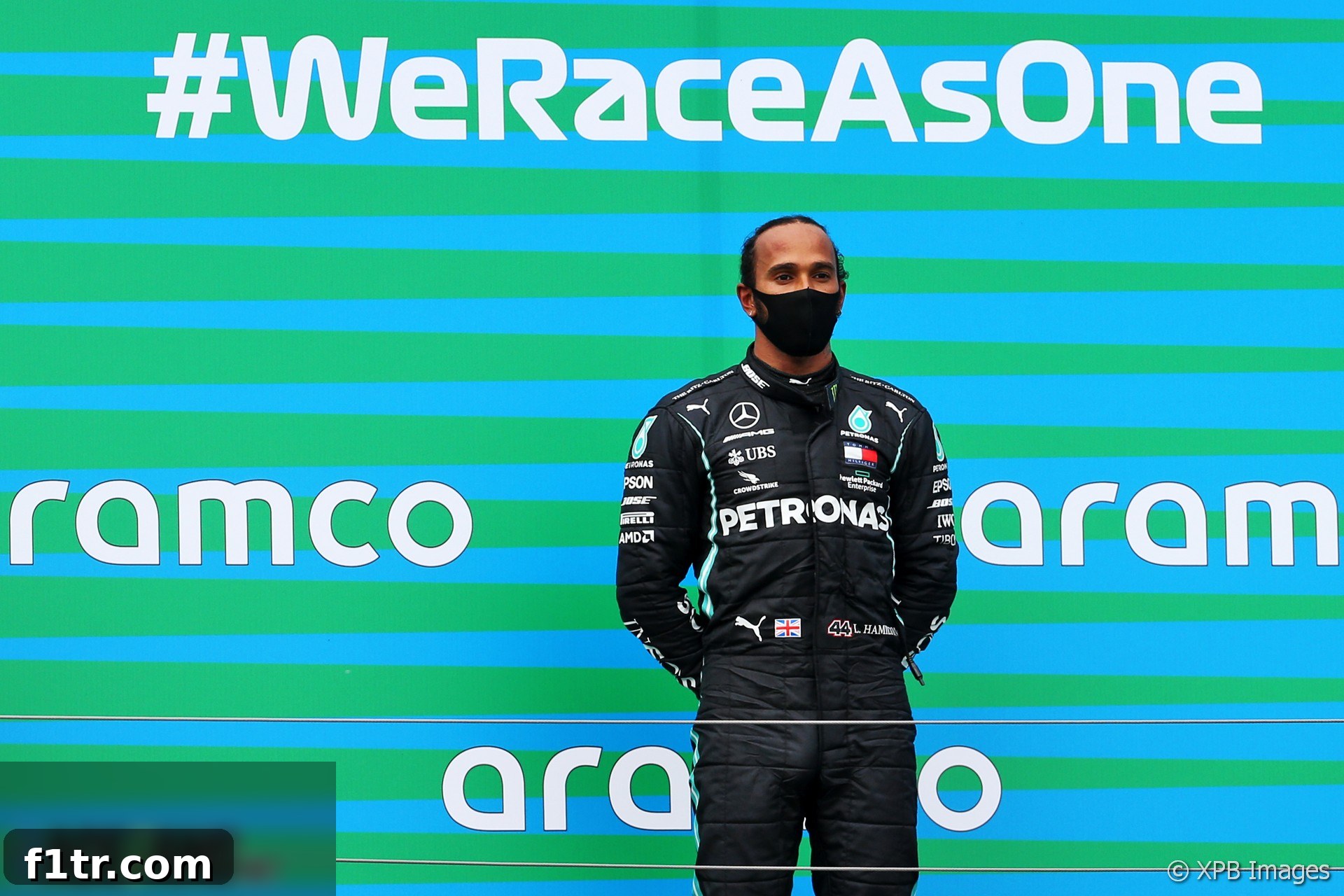
In a significant moment for Formula 1’s ongoing commitment to social responsibility, Ferrari chairman John Elkann has publicly addressed Lewis Hamilton’s impassioned plea for greater diversity within the sport. Hamilton, a vocal advocate for inclusivity, specifically called upon teams like Ferrari to mirror Mercedes’ proactive approach in fostering a more diverse workforce and organizational culture. This dialogue between two of Formula 1’s most influential figures underscores a pivotal shift in motorsport, moving beyond the track to tackle crucial societal issues.
The conversation gained traction following the 2020 Styrian Grand Prix, where Lewis Hamilton, a six-time (now seven-time) world champion, articulated his desire for all F1 teams to embrace accountability regarding diversity. Hamilton, who has been at the forefront of the ‘Black Lives Matter’ movement within Formula 1, observed a perceived silence from other prominent teams, including Ferrari, despite the broader sport’s adoption of the ‘We Race As One’ initiative. He expressed disappointment that, beyond Mercedes’ tangible efforts and Red Bull’s mechanics taking a knee, no other team had publicly committed to specific actions.
“Formula 1 has come forward and said that they are supporting ‘end racism’ and it’s amazing to see Mercedes doing the same thing,” Hamilton stated emphatically at the time. “But no other team has said a single thing. Whilst we’ve seen Red Bull’s mechanics take a knee, which I think is great. But publicly as businesses, and as teams, if you look at Ferrari who have thousands of people working with them, I’ve heard no word of Ferrari saying that they hold themselves accountable and this is what they’re going to do for their future.” This powerful challenge from one of the sport’s greatest legends put the onus squarely on other teams to demonstrate concrete steps towards meaningful change, rather than merely offering symbolic gestures.
Ferrari’s Commitment to Inclusivity: A Response to a Global Call
John Elkann, who assumed the role of Ferrari chairman in 2018, stepping into the formidable shoes of Sergio Marchionne, acknowledged the weight of Hamilton’s words. Speaking in an interview with La Gazzetta dello Sport, Elkann conveyed that Ferrari wholeheartedly shares Hamilton’s vision for a more inclusive Formula 1. He underscored the importance of the civil commitment Hamilton is undertaking, stating, “The civil commitment he is carrying out is important and is dear to us.” This affirmation from Ferrari’s leadership signifies a recognition of the growing imperative for diversity, not just in society, but within the highly visible and influential world of elite motorsport.
Elkann was keen to highlight specific actions Ferrari had already taken to foster a more equitable environment. He pointed out that as of July 2nd, Ferrari stood as the first and only company in Italy to implement the “Equal Salary certification” – an initiative designed to ensure equal pay for women and men holding the same qualifications and performing identical duties. This groundbreaking move, Elkann elaborated, “testifies our commitment to a work environment [which is] inclusive and respectful of differences.” While primarily focused on gender pay parity, this certification lays a crucial foundation for broader diversity, equity, and inclusion (DEI) efforts. It signals a dedication to fairness and transparency in compensation, a critical component in attracting and retaining a diverse talent pool.
The significance of this “Equal Salary certification” for a global powerhouse like Ferrari cannot be overstated. It demonstrates a proactive approach to addressing systemic inequalities within its own structure. For a traditional brand deeply rooted in Italian heritage and engineering excellence, taking such a progressive step sends a powerful message not only within the automotive industry but across the corporate world. It positions Ferrari not just as a creator of high-performance vehicles, but also as a company committed to modern ethical standards and social responsibility. This is a crucial step in showing accountability, as called for by Hamilton, by translating intentions into measurable, certified actions.
The Business and Moral Imperative of Diversity in Formula 1
The call for diversity in Formula 1 extends beyond simple moral obligation; it is increasingly recognized as a strategic imperative for the sport’s future growth and innovation. A diverse workforce brings a multitude of perspectives, experiences, and problem-solving approaches that can significantly enhance performance, especially in a technology-driven, competitive environment like F1. Teams with varied backgrounds are often better equipped to navigate complex challenges, foster creativity, and adapt to evolving circumstances. This applies to every level of the organization, from engineers and strategists to marketing and administrative staff.
Furthermore, an inclusive sport resonates more deeply with a global audience. Formula 1 is actively seeking to expand its fanbase, particularly among younger demographics and in emerging markets. By showcasing a commitment to diversity, equity, and inclusion, F1 can present itself as a progressive and welcoming platform, attracting new fans, talent, and commercial partners. Lewis Hamilton’s advocacy, coupled with Mercedes’ initiatives like the Hamilton Commission, are not just about social justice; they are about future-proofing the sport, ensuring its relevance and appeal in a rapidly changing world.
The conversation between Hamilton and Elkann highlights the shared responsibility of all stakeholders within F1 – the sanctioning body, team principals, drivers, and sponsors – to actively participate in this transformation. While some teams might face unique challenges in implementing DEI strategies due to their size, location, or corporate structure, the expectation for transparent commitment and demonstrable action is universal. Ferrari’s “Equal Salary certification” serves as an example of how concrete steps, even if initially focused on one aspect of diversity, can contribute to a larger, more inclusive organizational ethos.
Elkann’s Praise for an “Exceptional Driver”
Beyond addressing the vital topic of diversity, the Ferrari chairman also took the opportunity to commend Lewis Hamilton’s extraordinary talent and career trajectory. Elkann lauded Hamilton as “an exceptional driver” and expressed his belief that the Briton “can become the most successful ever,” surpassing even the legendary Ferrari hero, Michael Schumacher. This high praise from the leader of Ferrari, Mercedes’ fiercest rival, speaks volumes about Hamilton’s undeniable impact on the sport and the mutual respect that exists at the highest echelons of Formula 1.
Elkann further elaborated on Hamilton’s journey, acknowledging his strategic prowess: “He has been able to work with concentration and intelligence. His move from McLaren to Mercedes was not an easy one. It was not obvious and it was a winning choice.” This analysis underscores Hamilton’s calculated decision-making and his ability to foresee and shape his own destiny in the sport. His transition to Mercedes, at a time when many questioned its wisdom, proved to be a masterstroke, leading to an unprecedented era of success and cementing his legacy as one of motorsport’s all-time greats. Elkann’s recognition of this strategic brilliance from a competitor provides a fascinating insight into the respect commanded by Hamilton across the paddock, irrespective of team loyalties.
This confluence of praise for Hamilton’s on-track achievements and his off-track activism is significant. It suggests that leaders like John Elkann recognize the holistic impact that modern athletes have. Hamilton is not just a driver; he is a global icon using his platform to advocate for meaningful change. For the chairman of a venerable brand like Ferrari to acknowledge both aspects publicly reinforces the idea that performance and purpose are increasingly intertwined in today’s sporting landscape. This respectful dialogue, even amidst fierce competition, lays a fertile ground for potential collaborations on shared values, perhaps even in diversity initiatives, in the future.
The Road Ahead: Sustaining the Momentum for Change in F1
The exchange between Lewis Hamilton and John Elkann represents a critical milestone in Formula 1’s ongoing journey towards becoming a truly diverse and inclusive sport. While Hamilton’s initial challenge highlighted a perceived gap in public commitment from some teams, Elkann’s response, backed by tangible actions like the Equal Salary certification, demonstrates a willingness within Ferrari to engage with these vital issues. It’s a powerful indication that the message of diversity and inclusion is resonating at the very top of motorsport’s most iconic organizations.
Moving forward, the focus will undoubtedly shift from public statements to sustained, measurable action. The goal for all teams, including Ferrari, will be to build upon initial steps and implement comprehensive DEI strategies that encompass recruitment, retention, promotion, and fostering an authentically inclusive culture for all employees, regardless of background. This continuous effort is essential to ensure that Formula 1 truly lives up to its ‘We Race As One’ motto, not just as a slogan, but as a deeply ingrained principle guiding its operations and future direction.
The dialogue initiated by Hamilton and responded to by Elkann serves as a potent reminder that Formula 1, with its global reach and immense influence, has a profound responsibility to lead by example. By actively embracing diversity, equity, and inclusion, the sport can not only strengthen its internal structures but also inspire broader societal change, proving that the pursuit of excellence on the track is intrinsically linked to the pursuit of equality off it.
2020 F1 season
- Grosjean to make F1 test return tomorrow for first time since Bahrain horror crash
- Pictures: Wrecked chassis from Grosjean’s Bahrain fireball crash to go on display
- Bottas vs Rosberg: Hamilton’s Mercedes team mates compared after 78 races each
- F1 revenues fell by $877 million in Covid-struck 2020 season
- Hamilton and Mercedes finally announce new deal for 2021 season
Browse all 2020 F1 season articles