Formula 1, the pinnacle of motorsport, has demonstrated remarkable resilience and adaptability in navigating the unprecedented challenges posed by the COVID-19 pandemic. According to Michael Masi, the sport’s race director, Formula 1 can rightly be proud of its swift and effective adjustments to resume racing, but this success comes with a crucial caveat: there is no room for complacency. As the global health crisis continues to evolve, maintaining stringent protocols and unwavering vigilance remains paramount for the sport’s ongoing success and safety.
Formula 1’s Triumph Amidst the Pandemic: A Testament to Resilience
The year 2020 brought the world to a standstill, and Formula 1, like many global sporting events, faced immense uncertainty. The initial outbreak of COVID-19 led to the cancellation or postponement of the first ten races on the meticulously planned F1 calendar, casting a long shadow over the entire season. Teams, drivers, and fans alike grappled with the unprecedented reality of a silent grid. The financial implications for a sport reliant on global travel, logistics, and fan engagement were staggering. However, rather than succumbing to the challenges, the FIA (Fédération Internationale de l’Automobile) and Formula 1 management swiftly united to devise an innovative strategy, determined to bring the thrilling spectacle of Grand Prix racing back to its passionate audience. This commitment required a complete re-evaluation of how international sporting events could be safely conducted in a world grappling with a pandemic.
The Blueprint for Restart: Crafting the ‘Closed Events’ Protocol
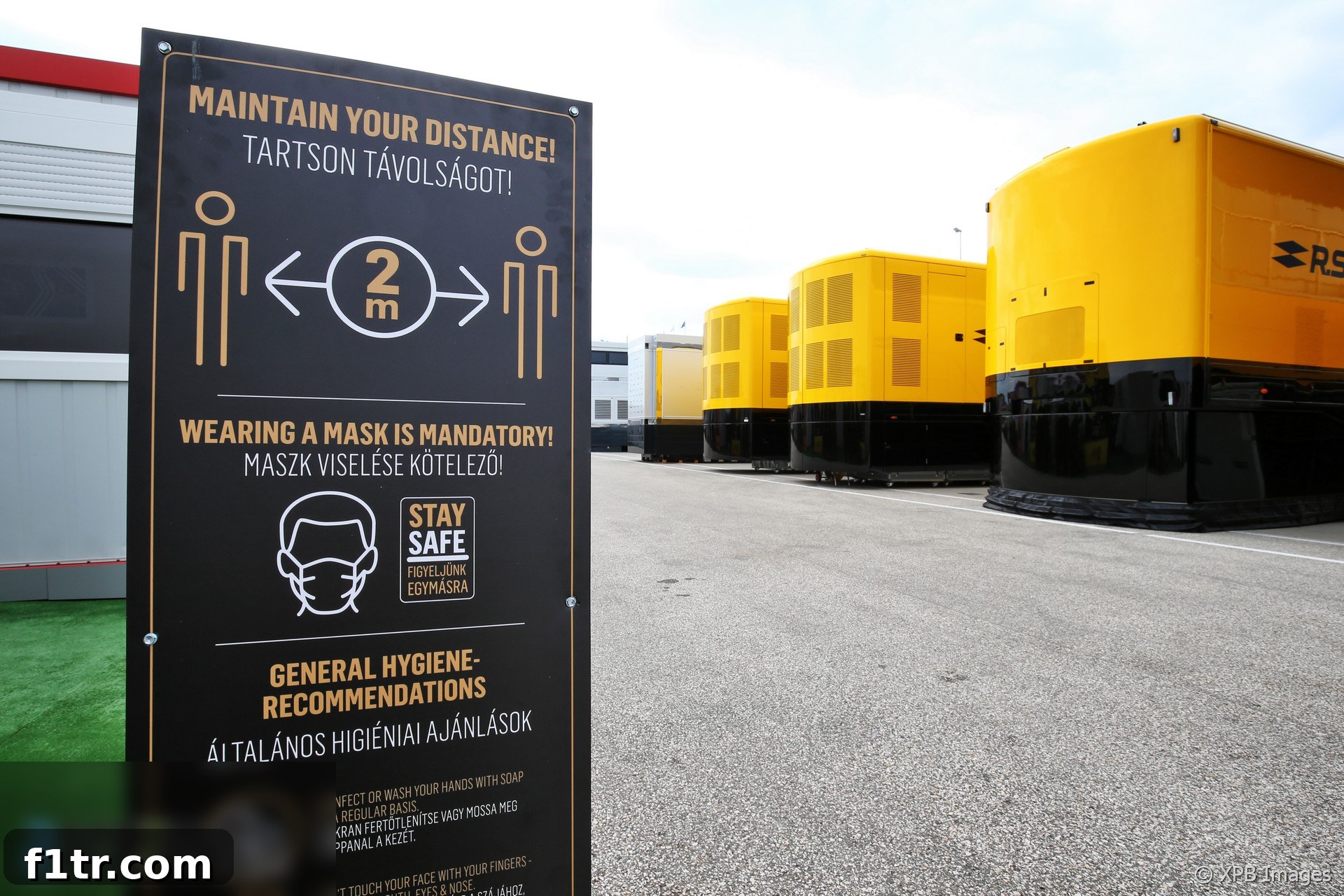
To facilitate the return to racing, Formula 1 and the FIA collaboratively developed a comprehensive set of new regulations, allowing races to proceed as ‘Closed Events’. This revolutionary model was meticulously designed to mitigate health risks and protect everyone involved. A cornerstone of this approach was the absolute prohibition of spectators at race venues, transforming bustling Grand Prix circuits into controlled, clinical environments. Furthermore, a strict limit was imposed on the number of essential personnel allowed on-site, ensuring that only minimal race staff, operational teams, and critical media were present. Perhaps most crucial was the implementation of a rigorous segregation policy, creating distinct ‘bubbles’ for each team and operational group. This meant maintaining physical distance between different teams and personnel wherever possible, drastically reducing the potential for cross-contamination. Every aspect, from paddock movement to pit lane operations, was re-engineered with health and safety as the overriding priority, turning race weekends into complex, highly controlled logistical operations designed to minimize interaction and maximize safety.
Successful Execution: The Austrian and Hungarian Grand Prix
The true test of these ambitious protocols came with the first three races of the revised season: back-to-back events in Austria, followed by the Hungarian Grand Prix. Race Director Michael Masi expressed profound satisfaction with the seamless execution of these opening rounds under the new, stringent restrictions. “I think as a sport and as an industry, we should be very proud of what we have achieved over these first three events,” Masi remarked after the Hungarian Grand Prix. His comments underscored the immense effort and adaptability demonstrated by everyone involved, from the logistics crews setting up the tracks to the medical teams overseeing health protocols. The successful running of these initial races not only provided thrilling action for fans watching from home but also served as a critical validation of the ‘Closed Events’ model. It demonstrated that with meticulous planning, collective discipline, and innovative solutions, international motorsport could safely resume, offering a glimmer of hope and a blueprint for other sports navigating similar challenges.
Behind the Scenes: The Collaborative Effort and Rigorous Testing
The smooth operation of the first races was not a stroke of luck but the result of an extraordinary collaborative effort. Masi highlighted the exceptional cooperation between the FIA and Formula 1 management in developing the “return to racing plan,” including detailed methods and protocols. This collective spirit extended throughout the entire F1 ecosystem, encompassing support from all teams in the pit lane, dedicated journalists covering the events, and essential personnel from support categories. “The support from everyone throughout the pit lane, journalists, support categories has been fantastic,” Masi emphasized, pointing to a united front against the pandemic’s challenges. He acknowledged that the process was a “learning experience for all of us,” involving “minor tweaks along the way” to refine procedures and enhance safety. These continuous adjustments ensured the protocols remained dynamic and effective. A critical component of this success was the rigorous testing regime. All individuals attending the opening three races underwent mandatory COVID-19 testing every five days. This proactive and extensive testing program saw over 4,000 tests conducted per week. Remarkably, despite the high volume of testing and the large number of personnel, only two positive cases were detected. Crucially, these isolated cases occurred ahead of the Hungarian Grand Prix and were managed effectively, without causing any disruption to the event itself. This low infection rate, coupled with rapid response measures, validated the robustness of the entire health and safety framework put in place.
A Call for Continued Vigilance: The Peril of Complacency
Despite the encouraging results and a growing sense of confidence stemming from the successful initial events, Michael Masi issued a stern warning against complacency. “There’s certainly a level of confidence,” he stated, adding, “not to be complacent is probably the big part” for the sport moving forward. Masi stressed that while successfully navigating the first three events with minimal impact was a significant achievement, the global reality of COVID-19 could not be ignored. “The fact that we have got through the three events with only the two cases, but effectively outside of the paddock, one thing that we all need to be conscious of is that Covid-19 is very much around us and everywhere globally,” he reminded everyone. The pandemic is an ongoing threat, and any relaxation of protocols could have severe consequences, potentially jeopardizing the entire season. Masi explicitly cautioned against adopting an “invincible” mindset, especially as the F1 circus prepared to move to new venues like the iconic Silverstone circuit. “So we can’t just drop the ball getting to Silverstone and think we’re invincible,” he asserted. His greatest fear remained people becoming complacent and letting their guard down. The message was clear: continued adherence to the established processes and protocols is absolutely vital to safeguard the health of all participants and ensure the uninterrupted continuation of the Formula 1 season.
Navigating the Future: Sustaining Momentum in an Unpredictable Season
The successful restart of the 2020 Formula 1 season set a vital precedent not only for motorsport but for global sports as a whole. It showcased that with extraordinary planning, discipline, and a collective commitment to safety, major international events could be conducted responsibly. However, the path ahead remains dynamic and unpredictable. As the season progresses, Formula 1 faces ongoing challenges related to international travel restrictions, evolving local government regulations in different host countries, and the potential for fatigue among personnel due to the demanding schedule and constant adherence to strict protocols. The initial success provides a strong foundation, but it also necessitates a continuous review and adaptation of strategies to remain ahead of potential outbreaks. The sport’s ability to sustain this momentum, maintain vigilance, and flexibly respond to new circumstances will be key to completing a full, albeit condensed, championship. This extraordinary season will undoubtedly be remembered not just for the racing itself, but for the remarkable human endeavor and collective spirit that allowed Formula 1 to navigate an unprecedented global crisis.
Related Articles: 2020 F1 Season
- Grosjean to make F1 test return tomorrow for first time since Bahrain horror crash
- Pictures: Wrecked chassis from Grosjean’s Bahrain fireball crash to go on display
- Bottas vs Rosberg: Hamilton’s Mercedes team mates compared after 78 races each
- F1 revenues fell by $877 million in Covid-struck 2020 season
- Hamilton and Mercedes finally announce new deal for 2021 season
Browse all 2020 F1 season articles