Revolutionizing Zandvoort: Formula 1’s Audacious DRS Extension Through the Banked Corner
Formula 1 is set to introduce a groundbreaking trial at the Dutch Grand Prix in Zandvoort, extending the main Drag Reduction System (DRS) zone to run directly through the circuit’s iconic and steeply-banked final corner. This bold move signals a significant shift in how F1 might utilize DRS, pushing the boundaries of aerodynamic assistance and potentially transforming the racing spectacle at one of the calendar’s most unique venues.
The Zandvoort circuit, celebrated for its challenging layout and captivating seaside location, made its much-anticipated return to the Formula 1 calendar in 2021 after a lengthy absence. For its inaugural modern-era Grand Prix, two DRS zones were implemented to aid overtaking on the notoriously narrow and flowing track. The first zone was strategically placed on the short straight connecting Turns 10 and 11, while the second was positioned after the exit of the dramatic, banked Turn 14, known as the Arie Luyendykbocht.
Understanding DRS: A Key to Modern F1 Overtaking
To fully grasp the significance of this trial, it’s essential to understand the Drag Reduction System. DRS is a driver-activated movable part of the car’s rear wing, designed to reduce aerodynamic drag and increase top speed. When a driver is within one second of the car ahead at a designated “detection point” on specific parts of the track, they are permitted to open their DRS flap in the subsequent “activation zone.” This reduction in drag allows for a speed boost, theoretically making it easier to overtake on straights. Introduced in 2011, DRS was primarily conceived to enhance the spectacle of racing by facilitating more overtaking maneuvers, thereby increasing excitement for fans and challenging drivers to master its strategic deployment.
While DRS has been a staple of Formula 1 for over a decade, its implementation has traditionally been confined to long straights or specific, high-speed sections of tracks where cars are relatively stable. The concept of deploying DRS through a high-speed, banked corner introduces an entirely new dimension of technical challenge and driver skill, prompting discussions about safety, car stability, and the ultimate impact on racing dynamics.
The Extended DRS Zone: A New Chapter for Zandvoort
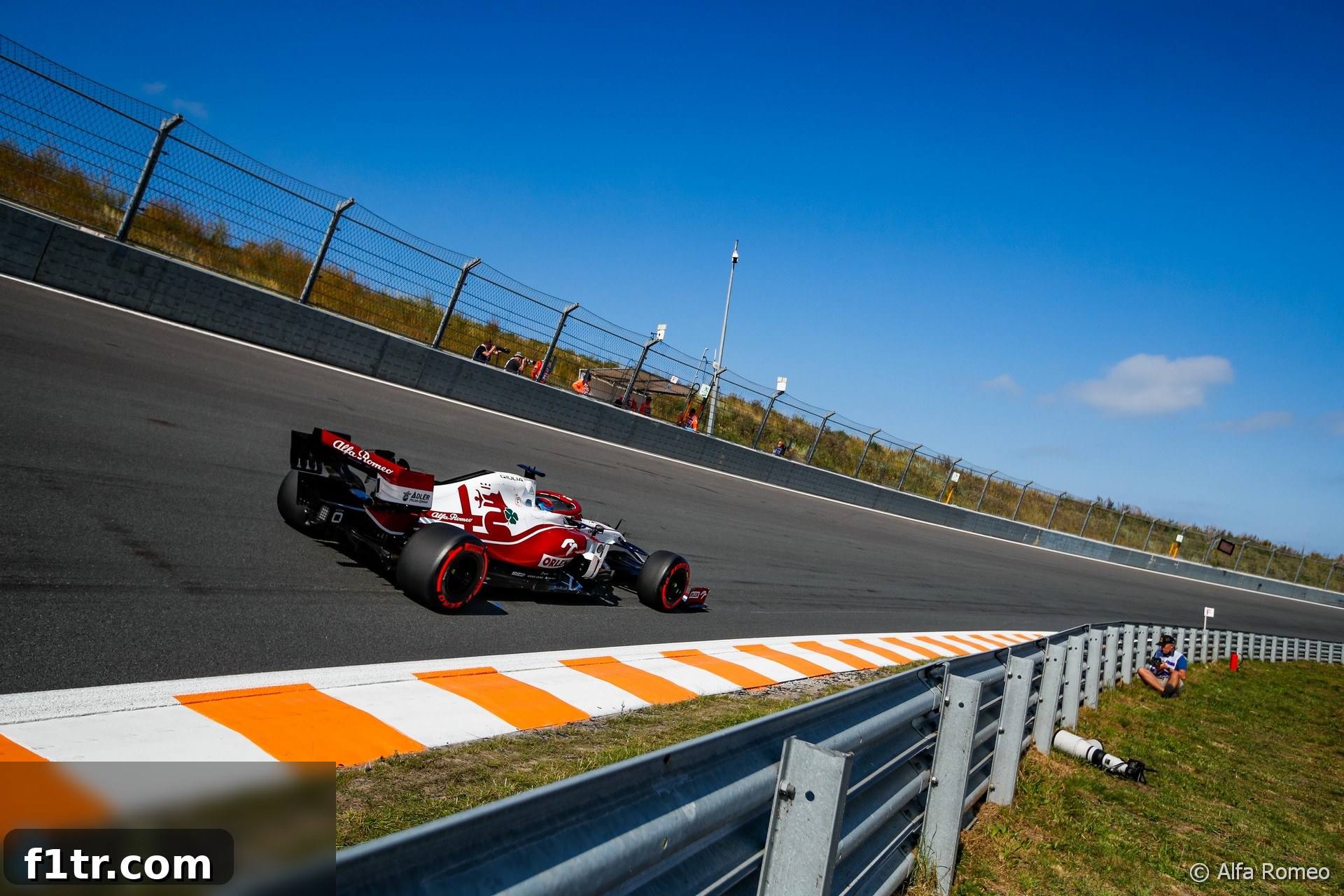
For the 2022 Dutch Grand Prix, the first DRS zone between Turns 10 and 11 remains unchanged, maintaining a familiar element for drivers and teams. However, the second, and far more impactful, DRS zone has undergone a provisional extension that promises to be a focal point of the weekend. The detection point for this zone has been significantly moved from the entry of Turn 13 to the exit of Turn 12. Even more dramatically, the activation point has also been pushed further back and is now situated a mere 40 meters after Turn 13. This strategic placement means that, should the trial be successful, Formula 1 cars are expected to be able to run with their DRS open from this point, accelerating continuously all the way through the iconic Arie Luyendykbocht (Turn 14) and onto the main straight, until the first braking zone at the famous Tarzan hairpin on the subsequent lap.
This revised configuration for the DRS zone is a testament to Formula 1’s ongoing commitment to exploring ways to enhance racing and provide more overtaking opportunities. The decision to extend DRS through the banking is not taken lightly; it represents a calculated risk and a bold experiment that could redefine how DRS is utilized on circuits with unique architectural features. The potential for a sustained period of DRS activation through such a critical, high-speed section of the track could lead to exhilarating on-track battles, but also demands a rigorous evaluation of its feasibility and safety.
The Zandvoort Banking: Engineered for Speed and Drama
Central to this daring DRS trial is Zandvoort’s distinctive banking. The circuit features an impressive 18-degree banking on its final corner, the Arie Luyendykbocht (Turn 14). This steep inclination, comparable to some of the world’s most famous oval tracks, was a key modification introduced as part of the extensive redevelopment work undertaken for F1’s planned return in 2020. Although the pandemic delayed the circuit’s modern F1 debut until 2021, the banking was specifically designed to allow cars to carry significantly higher speeds through the corner than would be possible on a flat surface. This unique architectural feature not only adds a visually spectacular element to the track but also fundamentally alters the aerodynamic and mechanical grip dynamics, enabling higher cornering speeds and offering drivers multiple racing lines.
Intriguingly, the possibility of Formula 1 utilizing DRS through this very corner was part of the initial considerations during the design and construction phases of the banking. The foresight to engineer a corner that could potentially accommodate such a radical DRS deployment highlights the forward-thinking approach of Zandvoort’s circuit designers and Formula 1’s regulatory bodies. However, despite this initial consideration, F1 opted not to use DRS through the banking during the 2021 race, likely due to a cautious approach given the novelty of the circuit’s return and the unique characteristics of the banking. This year, that caution gives way to curiosity and a measured willingness to push the boundaries.
The High-Stakes Trial: Assessing Feasibility and Safety
The decision to assess the feasibility of running DRS through the banked final corner will primarily take place during Friday practice sessions at the Dutch Grand Prix. This critical evaluation period will allow teams and drivers to gather invaluable data on how their cars behave with the upper plane of the rear wing open in such a high-speed, high-g environment. Engineers will be scrutinizing car stability, aerodynamic balance, tire wear implications, and, crucially, driver feedback regarding confidence and control. The primary concern will undoubtedly be safety; ensuring that cars remain predictable and manageable with reduced downforce through a corner that already demands immense precision and commitment. The results of this assessment will dictate whether the revised configuration is retained for qualifying and the race, or if Formula 1 will revert to the more conservative DRS setup used in 2021.
Formula 1’s willingness to experiment and adapt its regulations is not unprecedented. A notable example occurred at the Australian Grand Prix in April, where a fourth DRS zone was introduced but subsequently scrapped mid-weekend due to safety concerns and its potential to create unintended racing scenarios. This precedent underscores the sport’s dynamic approach to track design and regulatory adjustments, prioritizing both the spectacle of racing and the paramount safety of its competitors. The Zandvoort trial is another demonstration of this adaptive philosophy, showcasing F1’s commitment to continuous improvement and innovation in pursuit of the ultimate racing experience.
Addressing the Overtaking Challenge
While the 2021 Dutch Grand Prix delivered a vibrant atmosphere and a captivating return to Zandvoort, many drivers lamented the scarcity of overtaking opportunities. The circuit’s narrow layout and short straights presented a formidable challenge for drivers attempting to make passes. However, veterans like Fernando Alonso offered a nuanced perspective, noting that despite its inherent difficulties, Zandvoort wasn’t the single hardest venue for overtaking on the F1 calendar. The hope is that this extended DRS zone will genuinely address these concerns by providing a more potent tool for drivers to launch overtakes, particularly into the crucial braking zone of the Tarzan hairpin, which historically has been one of the few realistic passing spots.
A successful implementation of DRS through the banked corner could dramatically alter race strategies, driver aggression, and the overall flow of the Grand Prix. It might unlock new lines and opportunities, turning a challenging overtaking circuit into one that offers more dynamic wheel-to-wheel action. Conversely, if the zone proves too powerful, it could lead to ‘DRS trains’ or make overtaking too easy, diminishing the skill required. The balance is delicate, and the Friday assessment will be key to finding that sweet spot.
DRS Beyond F1: Support Categories and Qualifying Protocols
The Dutch Grand Prix weekend will not only feature Formula 1 but also its principal support series, Formula 2 and Formula 3, both of which also utilize DRS. Their experiences with the circuit, albeit in different machinery, will contribute to the overall understanding of how DRS interacts with Zandvoort’s unique layout. While their car performance differs significantly from F1, their feedback on the detection and activation points, as well as the general flow of the track with DRS, can provide valuable supplementary information.
Beyond the technical trial, the drivers’ briefings during the pre-event preparations will include crucial discussions regarding qualifying etiquette. A perennial topic in F1 qualifying is the practice of drivers deliberately slowing through the final corners of an out-lap or preparation lap. This tactic is often employed to create a gap to the car ahead, allowing them to benefit from a slipstream or ensure they hit the DRS detection point without interference on their flying lap. This practice, while strategic, can sometimes lead to dangerous situations due to significant speed differentials on track. Race stewards frequently monitor these instances to prevent unsafe driving and ensure fair play, reinforcing the need for clear guidelines and mutual respect among competitors.
Conclusion: A New Era for Zandvoort and F1 DRS?
The extended DRS zone at Zandvoort marks an exciting and potentially transformative moment for Formula 1. By trialing DRS through a high-speed, banked corner, F1 is demonstrating its willingness to innovate and adapt, seeking to enhance the racing spectacle while rigorously prioritizing safety. The outcome of the Friday practice sessions will be eagerly awaited, as it will determine whether this audacious experiment becomes a permanent fixture, possibly influencing future circuit designs and DRS implementations across the calendar. Whether it leads to a surge in overtaking or simply adds another layer of strategic complexity, one thing is certain: the 2022 Dutch Grand Prix promises to be a captivating event, offering a glimpse into the evolving future of Formula 1 racing and track design.
Related Formula 1 Articles
- Explore more articles from the 2022 F1 season
- Understanding the Drag Reduction System (DRS)
- Circuit Zandvoort: History and Features
- F1 Overtaking Strategies and Challenges