Formula 1, its leadership has indicated, is poised to take a more direct role in the promotion of its marquee events, particularly at “iconic” venues, following the groundbreaking model established with the new Las Vegas Grand Prix. This strategic shift represents a significant evolution from the sport’s long-standing tradition of relying on independent promoters to stage most of its global races. By assuming direct control, F1 aims to enhance the fan experience, unlock greater commercial value, and ensure a consistent brand identity across its expanding calendar.
Historically, the vast majority of Formula 1 Grands Prix have been organized and funded by third-party promoters, ranging from national motorsport federations to private corporations. These entities are responsible for everything from securing local government support and managing event logistics to selling tickets and undertaking local marketing campaigns. However, the announcement of the 2023 Las Vegas Grand Prix, a highly anticipated addition to the F1 calendar, signaled a new era, as F1 itself will be the primary promoter. This move has ignited speculation about the future of race promotion and the potential implications for both new and established circuits worldwide.
Advert | Become a Supporter & go ad-free
F1’s Bold New Strategy: The Era of Self-Promotion Begins
The decision to move towards self-promotion, with Las Vegas as its inaugural venture, is deeply rooted in Formula 1’s overarching commercial ambitions. Greg Maffei, the President and CEO of Liberty Media, the owner of F1, articulated the organization’s intent to maximize success through this new model. “We’re going to start to see how we do this [in Las Vegas], hopefully make the success we believe we can make it,” Maffei stated, highlighting a calculated step towards greater control and profitability. This direct involvement allows Formula 1 to meticulously craft every aspect of the event, from the preliminary planning and marketing to the on-site execution and post-race engagement, ensuring a cohesive experience that perfectly aligns with the sport’s global brand image and aspirations.
By taking on the role of promoter, Formula 1 gains direct access to revenue streams that were traditionally shared with or entirely managed by third parties. This includes comprehensive control over ticket sales, premium hospitality offerings, official merchandise, and localized sponsorship deals. Such an integrated approach not only has the potential to significantly boost F1’s revenue but also provides invaluable direct insights into fan preferences and market trends. The Las Vegas Grand Prix, therefore, serves as more than just a new race; it is a critical proving ground for a potentially transformative commercial strategy that could redefine how Formula 1 operates its most important events globally.
Iconic Circuits Face a New Landscape: The Future of Traditional Grands Prix
Perhaps the most significant implication of F1’s evolving strategy concerns the future of its most “iconic” venues. Greg Maffei’s candid remarks hinted at the possibility of F1 becoming a self-promoter even at these historically revered circuits. “I would only cautiously say don’t be so certain that places which are iconic are places where we will not eventually become a self-promoter. I wouldn’t cast aside that opportunity,” he commented, signaling a potential paradigm shift in the relationships between F1 and its most traditional hosts. This statement suggests that no venue, regardless of its storied past, is immune from the possibility of F1 taking a more direct hand in its promotion.
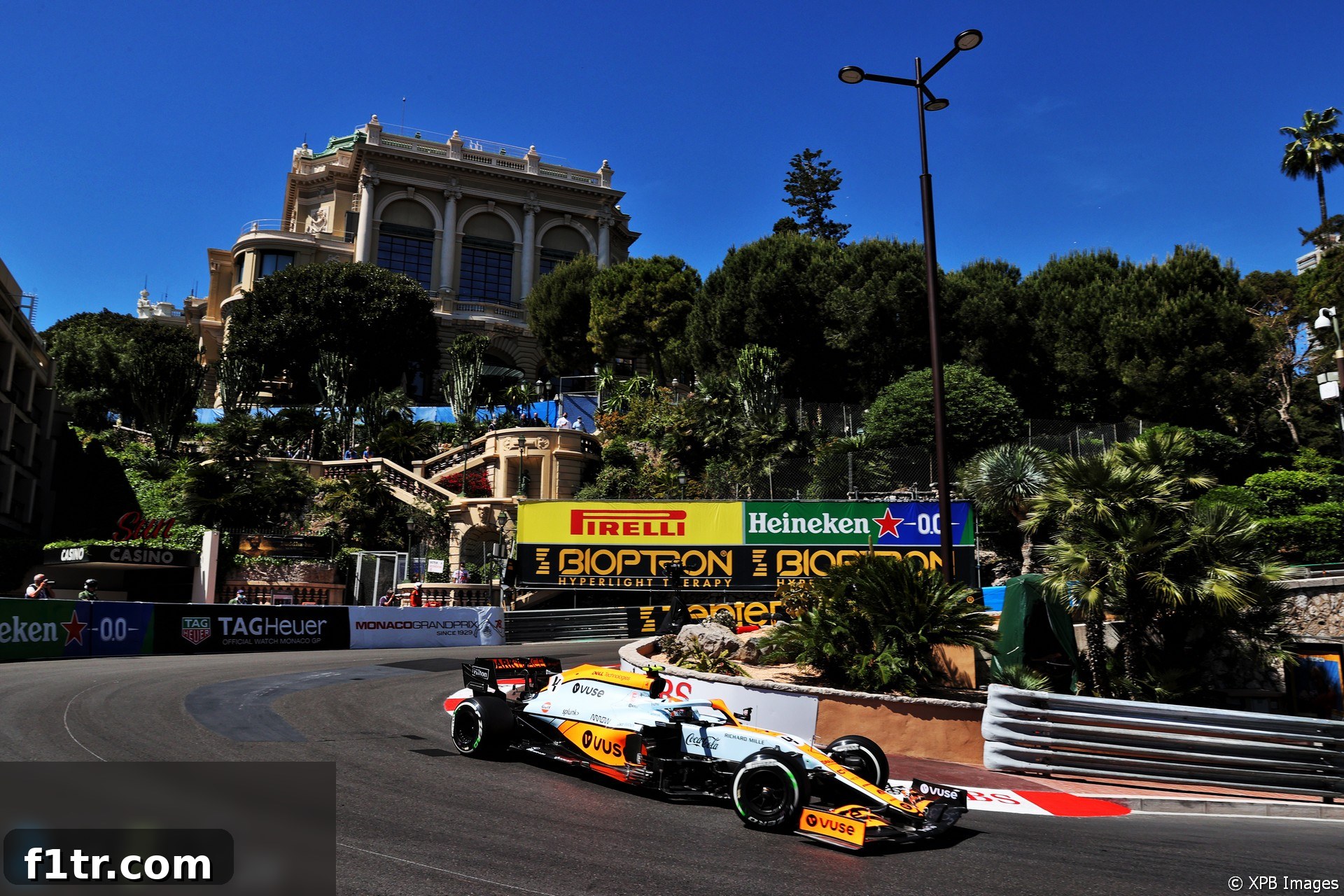
Circuits such as Monaco, Spa-Francorchamps, and Paul Ricard – the historical home of the French Grand Prix – are synonymous with Formula 1’s rich heritage and appeal. Monaco, in particular, has hosted a World Championship round for an incredible 67 times, its glittering street circuit embodying the glamour and challenge of the sport. Despite its unparalleled legacy, the contract for the Monaco Grand Prix is among those scheduled for renewal in the near future, although its local promoter has recently expressed confidence in securing a new agreement. Similarly, the legendary Spa-Francorchamps in Belgium, renowned for its dramatic elevation changes and unpredictable weather, and Paul Ricard, are also in discussions for deals extending beyond the current season.
For Formula 1 to consider direct promotion at these hallowed grounds would mark a monumental change. It implies a strategic intent to preserve their unique character and heritage while simultaneously modernizing their commercial operations and ensuring they meet F1’s escalating standards for fan engagement, facility upgrades, and financial viability. Direct promotion could empower F1 to make necessary investments in track improvements, enhance spectator amenities, and introduce innovative fan experiences that traditional promoters might find challenging to implement independently. This proactive approach could be crucial for these historic races to remain relevant and competitive within the context of a tightly capped 24-race calendar, ensuring their cherished place in the sport’s future.
The “New Energy” from Modern Races: Elevating Standards Across the Board
F1 CEO Stefano Domenicali elaborated on the profound impact of new promoters and events like the inaugural Miami Grand Prix, describing a surge of “new energy and new vibes into the system.” This infusion of fresh perspectives and innovative event planning has effectively set a new benchmark for what a Formula 1 Grand Prix can and should be. Modern races are increasingly envisioned as comprehensive entertainment spectacles, often spanning multiple days and extending far beyond the confines of the racetrack. They intricately weave in local culture, feature high-profile musical performances, offer diverse culinary experiences, and create immersive fan zones, all designed to attract and captivate a broader, more diverse audience.
This “collateral effect” inevitably places significant pressure on long-standing promoters to “keep up the pace.” While Formula 1 deeply values and respects its traditional partners for their unwavering loyalty and dedication, the sport is unequivocally raising the bar for all its events. The expectation is clear: every Grand Prix, irrespective of its history, must deliver a premium, highly engaging, and commercially successful experience. This competitive dynamic stimulates innovation, compelling established venues to critically re-evaluate their event formats, infrastructure, and overall fan offerings to maintain their allure within F1’s increasingly demanding global ecosystem.
The resounding success of new ventures such as the Miami Grand Prix and the anticipated grand spectacle in Las Vegas underscores F1’s commitment to expanding its global reach and drawing in new demographics. These city-centric events often bring Formula 1 to major urban hubs, enhancing accessibility and generating substantial local economic benefits. The “incredible boost” that Domenicali references is a testament to the collective effort across the entire F1 platform to maximize its value and appeal, motivating every promoter – whether new or long-standing – to pursue excellence. It embodies the “never say never” philosophy articulated by Greg Maffei, signifying that all options for strategic growth and optimization are actively being considered.
Navigating the F1 Calendar: Expansion, Constraints, and Strategic Imperatives
The Formula 1 calendar operates under a stringent limit of 24 rounds per season, a cap meticulously agreed upon by all participating teams. This finite number, juxtaposed with an immense and growing global demand for hosting a Grand Prix, intensifies the competition among aspiring venues. From rapidly developing markets in regions like the Middle East and Asia to the established strongholds of Europe, numerous cities and nations worldwide eagerly contend for a coveted slot on the F1 schedule, frequently supported by substantial financial incentives and robust infrastructure proposals.
This high level of demand provides Formula 1 with significant leverage in negotiations, enabling it to seek not only the most lucrative hosting fees but also the most comprehensive and engaging event packages. The strategic process of determining which races to include on the calendar involves a complex interplay of various factors: financial considerations, market growth potential, logistical feasibility, and the overarching desire for geographical balance. While new, commercially attractive street circuits in vibrant urban centers offer substantial upside and opportunities to engage novel audiences, the historical gravitas and deeply entrenched fan loyalty associated with traditional European circuits remain an invaluable asset.
F1’s contemplation of self-promotion at iconic venues can be viewed as a sophisticated strategy to harmonize these often-competing interests. By assuming direct control, Formula 1 could potentially guarantee the long-term financial viability and ongoing modernization of these historic races, allowing them to coexist synergistically with the newer, commercially dynamic events. This approach is fundamentally about curating a rich and diverse calendar that respectfully honors the sport’s profound past while aggressively pursuing its future growth objectives. It necessitates striking a delicate balance: upholding long-standing partnerships while strategically intervening where direct involvement promises greater returns and a more consistently high-quality product for the global fanbase.
A Future of Collaboration and Evolution: Beyond Eradication
Despite the widespread discussion surrounding Formula 1’s increased inclination towards self-promotion, Stefano Domenicali was quick to reaffirm the enduring importance of its existing relationships. “We are very happy with the promoters that are working with us. They are very loyal, reliable partners on which we are going to build up even a stronger future together,” he asserted. This statement strongly suggests that self-promotion is likely to become an additional, powerful tool within F1’s commercial arsenal, rather than a sweeping replacement for its established partnership model.
The profound expertise, invaluable local knowledge, and extensive established networks of independent promoters are assets that Formula 1 is unlikely to discard entirely. These promoters possess deep insights into their respective markets, deftly navigate complex local regulations, and often maintain long-standing relationships with key government bodies and local businesses. Instead, the future could foreseeably unfold as a hybrid model: direct F1 promotion in strategically identified new markets or specific iconic venues, running concurrently with strengthened, and perhaps renegotiated, partnerships with traditional promoters who demonstrate the willingness and capability to meet the sport’s evolving demands. This collaborative framework could involve F1 providing enhanced support or guidance to its promoters, or even pioneering co-promotion models where responsibilities, risks, and revenues are shared more equitably.
Ultimately, Formula 1 is strategically charting a course towards enhanced commercial control and greater brand consistency across its global operations. The Las Vegas Grand Prix stands as a bold, emblematic step in this direction, offering a compelling glimpse into a future where F1 is more intimately involved in shaping its own destiny. Whether achieved through direct promotion or by inspiring its existing partners to innovate and elevate their offerings, the sport remains steadfastly committed to delivering a premier global spectacle that continually raises the bar for motorsport and entertainment alike. The unwavering emphasis is on sustained growth, deeply engaged fan experiences, and securing a robust, prosperous future for Formula 1 on the world stage, ensuring that both pioneering new races and cherished iconic events collectively contribute to its ongoing, unparalleled success.
Advert | Become a RaceFans supporter andgo ad-free
2022 F1 season
- Mercedes told me “you’re wrong” about 2022 car’s problems – Hamilton
- FIA confirms all 10 F1 teams complied with 2022 cost cap
- Steiner “not ashamed” of panning “slow” Schumacher in Drive to Survive
- Albon believes year out of F1 improved him as a driver
- Hamilton sees diversity gains in F1 years on from his ‘traumatising’ experience of racism
Browse all 2022 F1 season articles